Professional-Grade Gluten Free Flours | Vegan & Allergy Friendly | Australia-Wide Delivery


· By R2R Team
Gluten‑Free Gingerbread That Holds Its Shape: Tips & Tricks
You roll out perfect little stars and gingerbread folk, slide them into the oven, and wait for magic. Instead, they puff, spread and lose every neat edge you worked for. It feels unfair, especially when you follow the instructions closely.
Structured gluten-free gingerbread behaves differently from wheat-based dough, but it is absolutely possible to get sharp outlines and sturdy cookies. The key is understanding what your ingredients are doing and giving them the conditions they need.
This guide walks you through a reliable gluten-free gingerbread recipe, focusing on structure, chill time, handling and baking conditions. You will find practical, realistic gluten-free baking tips that suit home ovens and busy kitchens.
Whether you prefer scratch baking or convenient gluten-free baking mixes, you will learn how to keep your gingerbread from spreading while keeping flavour and texture on point.

Why Gluten-Free Gingerbread Needs a Different Approach
- with water and sugar glaze, maple glaze or apricot jam glaze.
Gluten-free dough does not have the stretchy protein that holds classic biscuits together, so it needs support from clever blending, chilling and handling. Once you understand where the weaknesses are, you can strengthen them and get gluten-free gingerbread that behaves predictably.
What Gluten Normally Does in Gingerbread
In traditional dough, gluten forms a flexible net that traps steam, gives strength and lets you roll thin without tearing. Without that net, the gluten-free gingerbread recipe dough is more fragile and can break or spread if handled roughly.
Gluten also helps cookies set quickly in the oven, locking in their shape as fats melt. To mimic this in gluten-free gingerbread, you rely on starches, whole-grain flours and binders like xanthan gum that firm as they heat.
Common Shape Issues Gluten-Free Bakers Face
Typical problems include spreading, soft edges and cookies that look puffy instead of crisp. These often come from warm dough, overhydration or an unbalanced blend inside your gluten-free gingerbread mix.
The other frustration is cracking or sticking when you roll and cut. Here, a few gentle gluten-free baking tips, such as working cool, hydrating the dough properly and rolling between baking paper, prevent most mishaps.
Cookies often feel tender straight out of the oven and can snap if moved too early. This is normal for any gluten-free gingerbread recipe, and patience during cooling brings the strength you want.
The Non-Negotiable Step, Chilling the Dough
Chilling is the single biggest difference between wobbly cookies and tidy, defined shapes. Cold dough spreads less, cuts more cleanly and supports fine details in gluten-free gingerbread.
Initial Chill After Mixing
Once your dough comes together, wrap it tightly and flatten it into a disc for faster chilling. This gives flours and starches time to hydrate, turning a rough gluten-free gingerbread recipe dough into something smoother and easier to roll.
Aim for at least an hour in the fridge, though longer is even better if you have the time. Well-chilled dough feels firm under the rolling pin, resists sticking and takes cutters cleanly without frayed edges.
Second Chill After Cutting Shapes
After rolling and cutting, move shapes to lined trays and chill again before baking. This short second chill lets the surface firm up, so gluten-free gingerbread holds its outline when it hits the heat.
Use the fridge for 20 to 30 minutes, or the freezer for a quick 10 to 15 minutes when you are pressed for time. Combined with other gluten-free baking tips, this tiny pause removes a lot of risk from the baking stage.
Choosing the Right Flour Blend and Binder

Your flour blend is the backbone of every gluten-free gingerbread recipe. Balanced blends with binders behave far better than single flours, especially when you want straight lines and neat corners.
Use a Measure-for-Measure Gluten-Free Flour Blend
Look for a blend designed specifically for baking, often labelled measure for measure or 1:1. These mixes are tested in cookies and cakes, so they tend to give gluten-free gingerbread a consistent texture and spread.
Blends that pair starches with whole-grain flours usually perform best. Starches give lightness and crisp edges, while wholegrains add flavour and strength, so your gluten-free baking mixes do not feel chalky or gummy.
Xanthan Gum, Structure You Can Trust
Xanthan gum acts like scaffolding inside your dough, holding ingredients in place as they bake. Flour blends and gluten-free baking mixes that already contain it remove the guesswork and support more reliable cookies.
If your blend has no gum, a tiny amount can transform crumbly dough into cohesive gluten-free gingerbread that rolls and cuts well. Go light, because too much gum can make biscuits chewy in a way that feels odd.
Why Single Flours Don't Work for Structural Cookies
Almond, coconut or rice flour on their own rarely make strong cut-out cookies. They lack either elasticity, moisture balance or crispness, so gluten-free gingerbread recipe attempts with single flours can crumble or bake unevenly.
Purpose-made blends or thoughtfully chosen gluten-free baking mixes provide the variety of starches and proteins needed for strong walls, tidy edges and cookies that handle icing without cracking.
Handling Gluten-Free Gingerbread Dough Without Stress
Once the dough is right, your handling decides whether the shapes stay neat or stretch out on the way to the tray. A calm, gentle approach keeps gluten-free gingerbread easy to manage.
Work in Small Batches
Divide chilled dough into smaller portions before rolling. Working with one piece at a time keeps the rest of your gluten-free gingerbread cold and firm, which supports sharp cutting.
Store the unused pieces in the fridge between batches. This simple habit is one of the most useful gluten-free baking tips, especially when your kitchen is warm or you are decorating slowly.
Roll Between Baking Paper
Start by placing the dough between two sheets of baking paper, then roll it out from the centre towards the edges. This prevents sticking and saves you from dusting extra flour over your gluten-free gingerbread recipe dough.
Because you avoid constant flouring of the bench, the dough stays balanced and bakes into cookies that are crisp yet tender rather than dry.
Transferring Shapes Without Distortion
Use a thin, flat spatula to lift each shape and move it to the tray. Supporting the whole base stops gluten-free gingerbread from stretching or tearing as you move it.
Slide the tool fully underneath, then lift and place instead of dragging. This tiny adjustment keeps edges clean and helps every gluten-free gingerbread recipe look more professional.
Thickness, Oven Temperature, and Baking Time

Thickness and oven settings decide whether your biscuits are light and snappy or soft and wobbly. Matching these choices to your goals keeps gluten-free gingerbread predictable.
Choosing the Right Thickness
Rolling to roughly ¼ inch, or 6 mm, gives crisp, sturdy cookies that suit houses, place cards and hanging decorations. At this thickness, gluten-free gingerbread holds straight lines and supports icing without sagging.
For softer, chewier biscuits, roll closer to ½ inch and accept slightly rounder edges. This style of gluten-free gingerbread recipe is lovely for eating, even if it is a bit less architectural.
Fully Preheat the Oven
Bake only in a fully preheated oven so the outside of the cookie sets quickly. Putting gluten-free gingerbread into a cool or climbing oven encourages butter to melt before structure forms, which leads to spreading.
An inexpensive oven thermometer helps you hit the correct temperature, which is especially helpful when you rely on gluten-free baking mixes that are sensitive to small changes in heat.
Knowing When They're Ready
Watch for lightly golden edges and centres that look dry rather than shiny. Gluten-free gingerbread will still feel soft when hot, so trust how it looks more than how it feels to the touch.
Most shapes bake in around 8 to 12 minutes, depending on size and thickness. Pulling them out at the right moment keeps your gluten-free gingerbread recipe from drying out while still giving solid structure.
Cooling for Strength and Stability
Cooling is where fragile biscuits gain their final strength. A little patience here protects your gluten-free gingerbread from needless breakage.
Cooling on the Tray First
Let cookies rest on the hot tray for several minutes after baking. Residual heat finishes the centre and helps the base of your gluten-free gingerbread firm up before you touch it.
This pause gives starches time to set properly, locking in the structure you built with your chosen blend and earlier gluten-free baking tips.
Transferring to a Wire Rack
Once the edges feel slightly firmer, lift cookies gently with a thin spatula and move them to a rack. Careful handling here keeps delicate gluten-free gingerbread arms, antlers and roof corners intact.
Allow them to cool completely before decorating, stacking or building houses. Fully cool biscuits from any gluten-free gingerbread recipe are much less likely to crack under icing or collapse in storage.
Why Gluten Free World Creates Gluten-Free Baking Products You Can Rely On

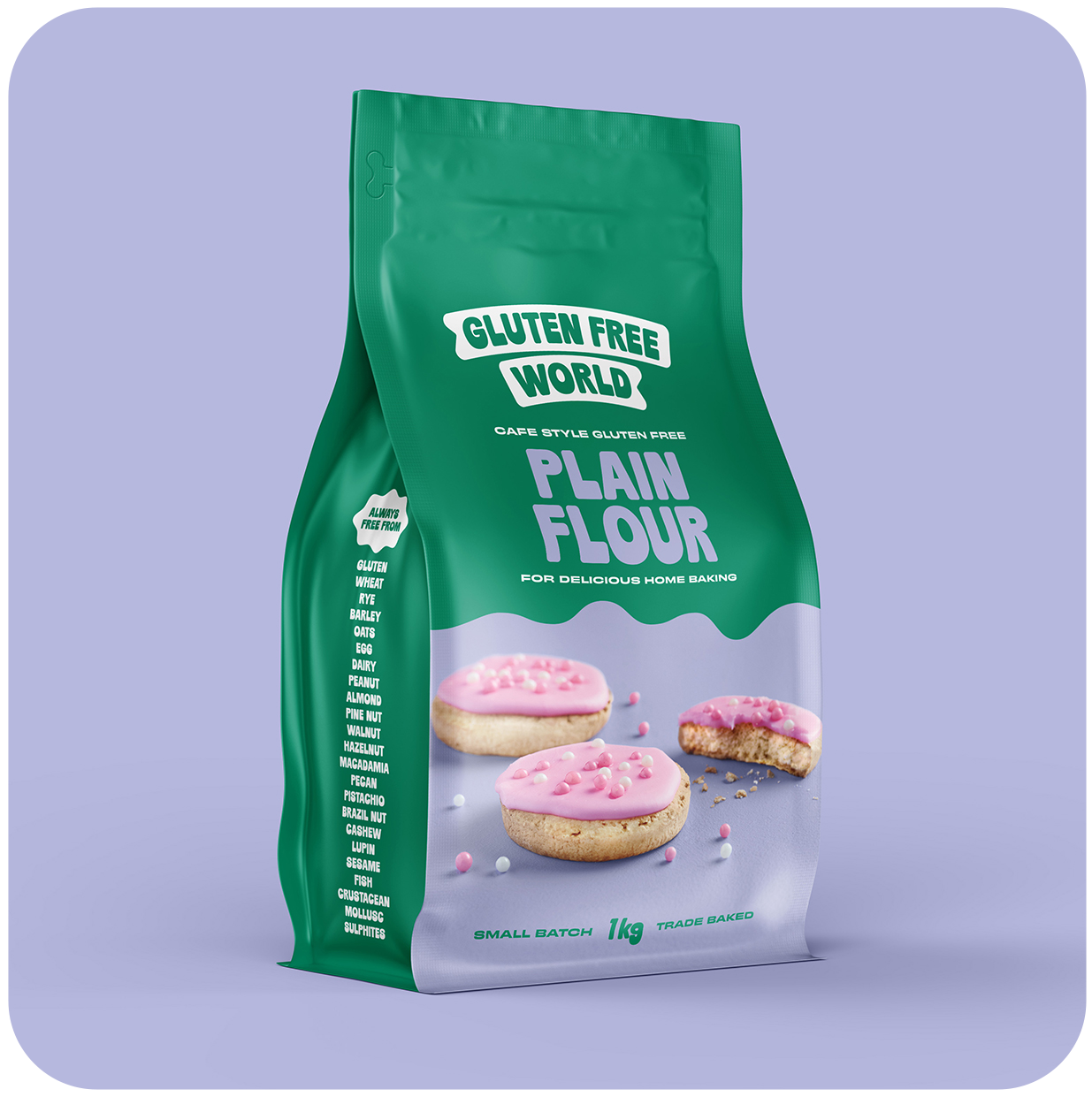
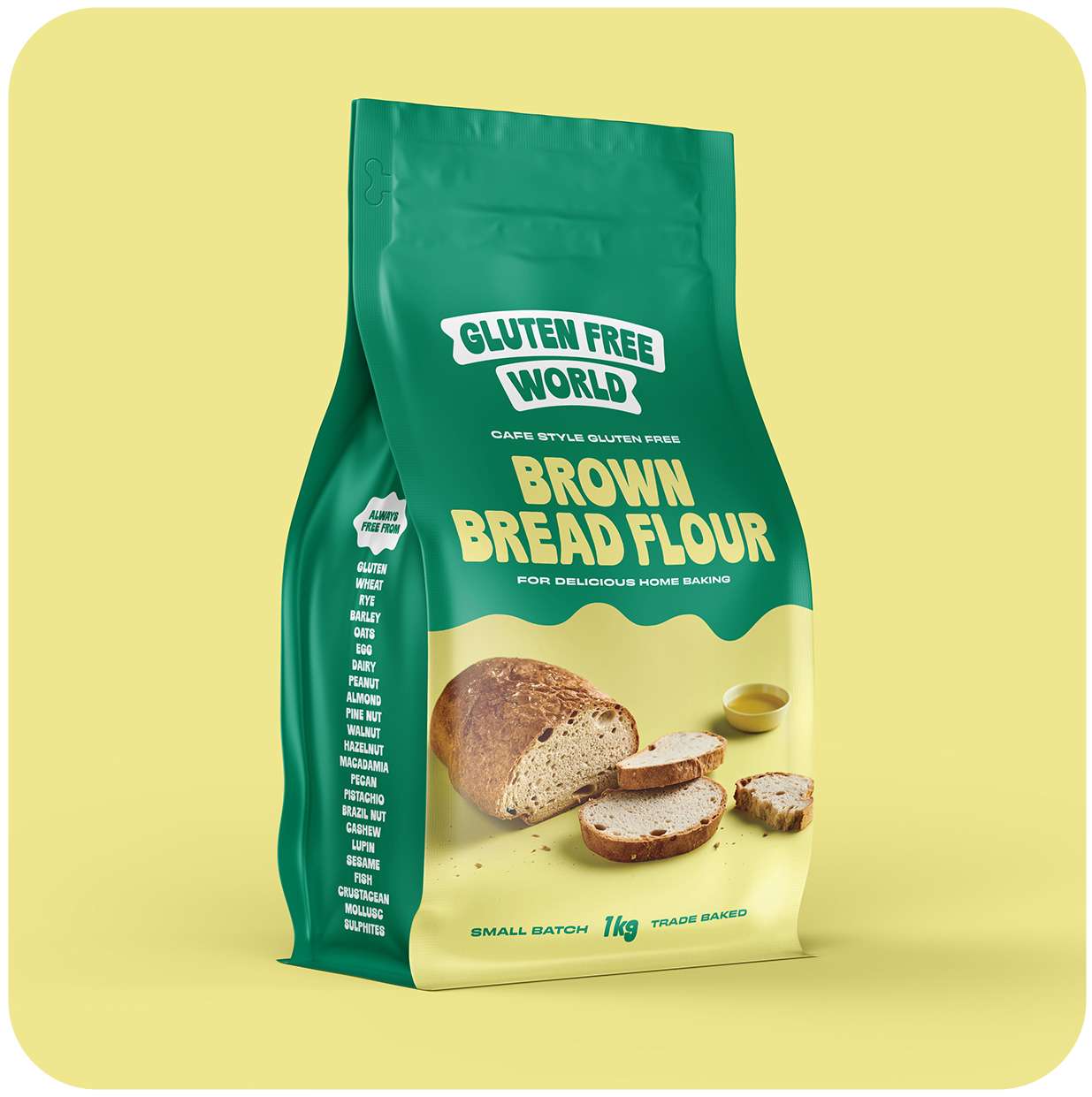
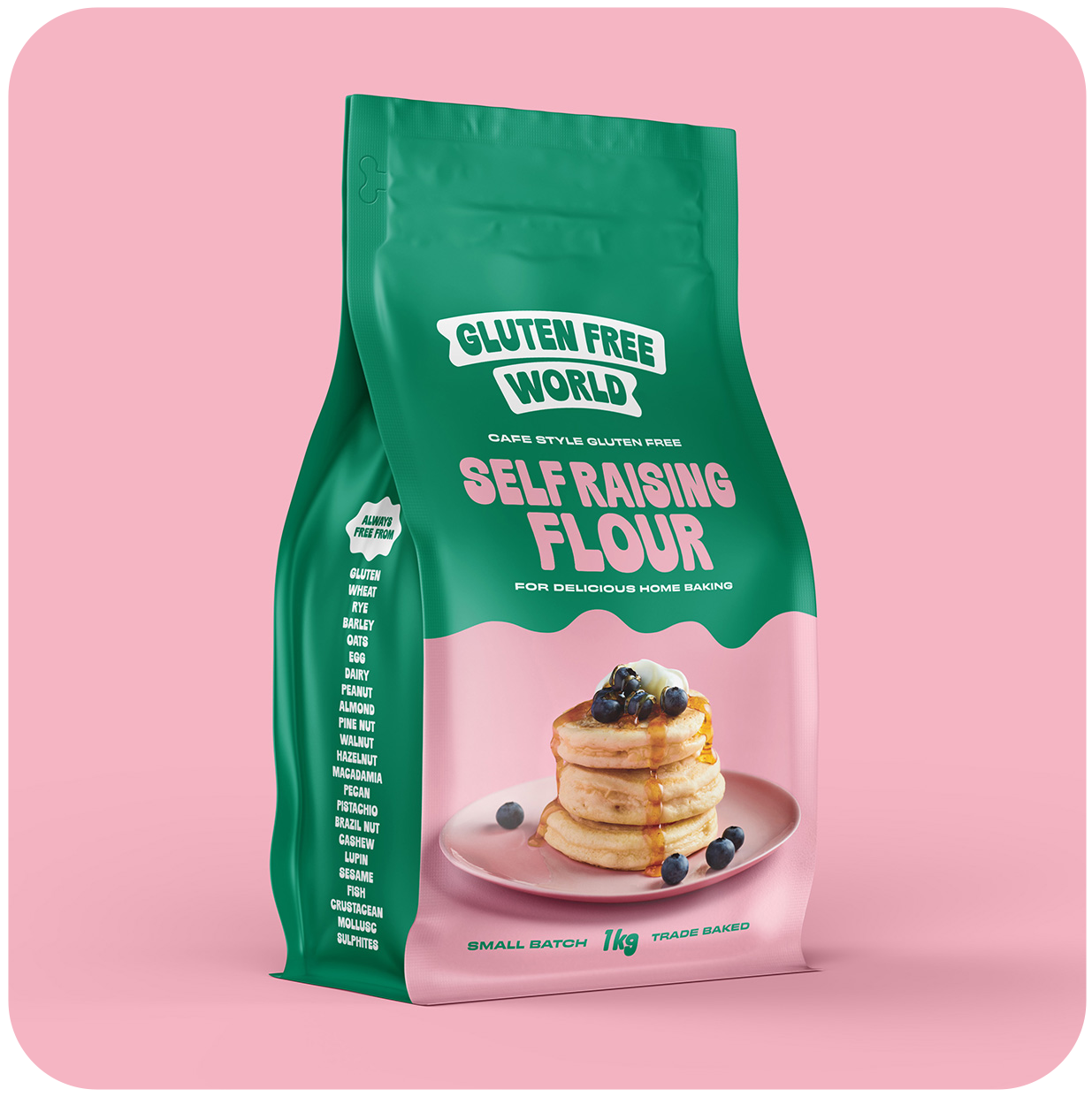
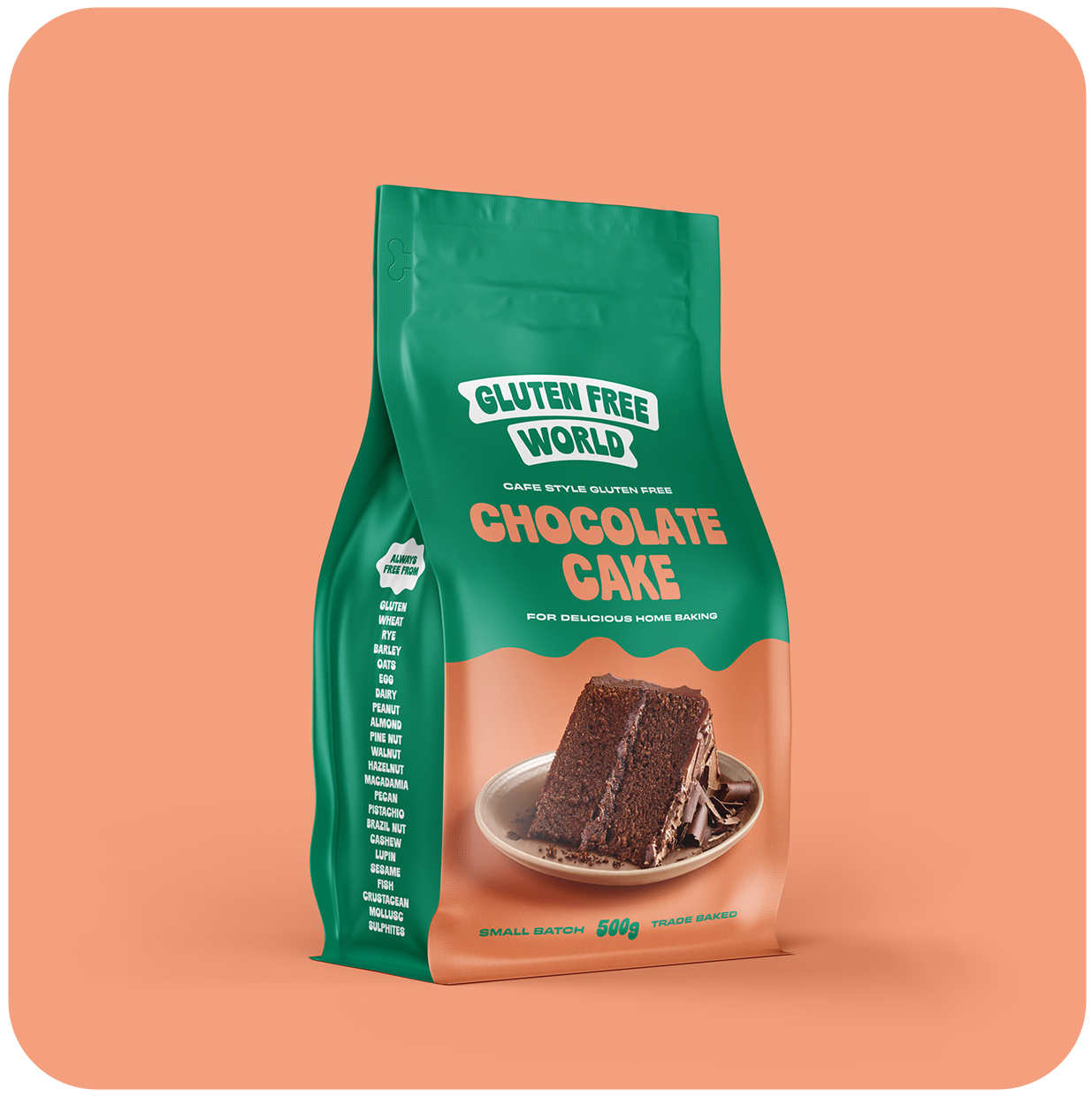
When you bake for coeliac disease, allergies or mixed dietary needs, you need ingredients you can trust. Gluten Free World focuses on blends that help gluten-free gingerbread and other bakes turn out consistently in real home kitchens.
Why We Test for Purity and Consistency
We test every batch of our products for safety and performance so you can serve gluten-free gingerbread with confidence at school events, markets or family gatherings. Our commitment to strict standards supports your hard work and planning.
By keeping our blends consistent, we help your favourite gluten-free gingerbread recipe behave the same way each time you bake. That predictability is especially valuable for small cafés, home businesses and households that rely on us regularly.
Supporting Multiple Dietary Needs Without Compromise
We craft many of our products to be free from wheat, dairy and eggs, making it easier for you to bake for people with different dietary needs. With our blends, one tray of gluten-free gingerbread can often suit several people at once instead of needing multiple versions.
By developing inclusive gluten-free baking mixes, we aim to take some pressure off you as the baker while still delivering biscuits that feel festive, generous and genuinely delicious.
Helping You Recreate Café-Style Baking at Home
We design our mixes and flours to behave like professional products, with stable structure and a pleasing crumb. That way, you can bake gluten-free gingerbread that looks polished enough for a café window, straight from your home oven.
Our goal is to give you gluten-free baking mixes that support impressive results without complicated techniques, whether you are decorating with kids, gifting to friends or baking for your own small business.
Baking with Confidence (and Joy)
Once you understand flour blends, chilling and gentle handling, gluten-free gingerbread shifts from stressful to enjoyable, and you gain the freedom to focus on flavour, colour and decoration instead of worrying about spread.
The same habits that support your gluten-free gingerbread recipe also carry over to other biscuits and structured bakes, building your confidence tray by tray. With practical gluten-free baking tips, a thoughtful blend and a calm process, your cookies can look as good as they taste.
For reliable results, pair these techniques with Gluten Free World flours and gluten-free baking mixes that are crafted for structure and safety. Stock your pantry, warm the oven and start planning your next batch of gingerbread with confidence and a bit of creative flair.
Discover how our trusted blends and gluten-free baking mixes can help your gluten-free gingerbread hold its shape, taste incredible and feel safe for everyone. Visit Gluten Free World today to stock your pantry with flours and mixes crafted for confident, café-quality gluten-free baking at home.
