Professional-Grade Gluten Free Flours | Vegan & Allergy Friendly | Australia-Wide Delivery


· By R2R Team
Gluten‑Free Shortcrust Pastry: How to Get a No‑Crack Shell
Rolling gluten-free shortcrust pastry can feel risky. You lift it, and it splits. The edges crack. The base breaks when you line the tart tin. Instead of a smooth pastry case, you’re patching gaps and hoping it holds together.
Gluten-free pastry doesn’t stretch like traditional shortcrust pastry. If the flour, moisture, or temperature is slightly off, cracks appear quickly.
The good news is that a no-crack shell is completely achievable. When you control the flour, hydration, chilling, and handling, gluten-free shortcrust bakes into a smooth, firm shell that slices cleanly.
Here’s exactly how to do it.
Step 1: Choose the Right Gluten-Free Plain Flour
A crack-free shell starts with the flour.
Not all gluten-free flour works for shortcrust pastry. A basic gluten-free flour made for cakes may lack structure. A bread-style blend can make gluten-free pastry stronger than needed.
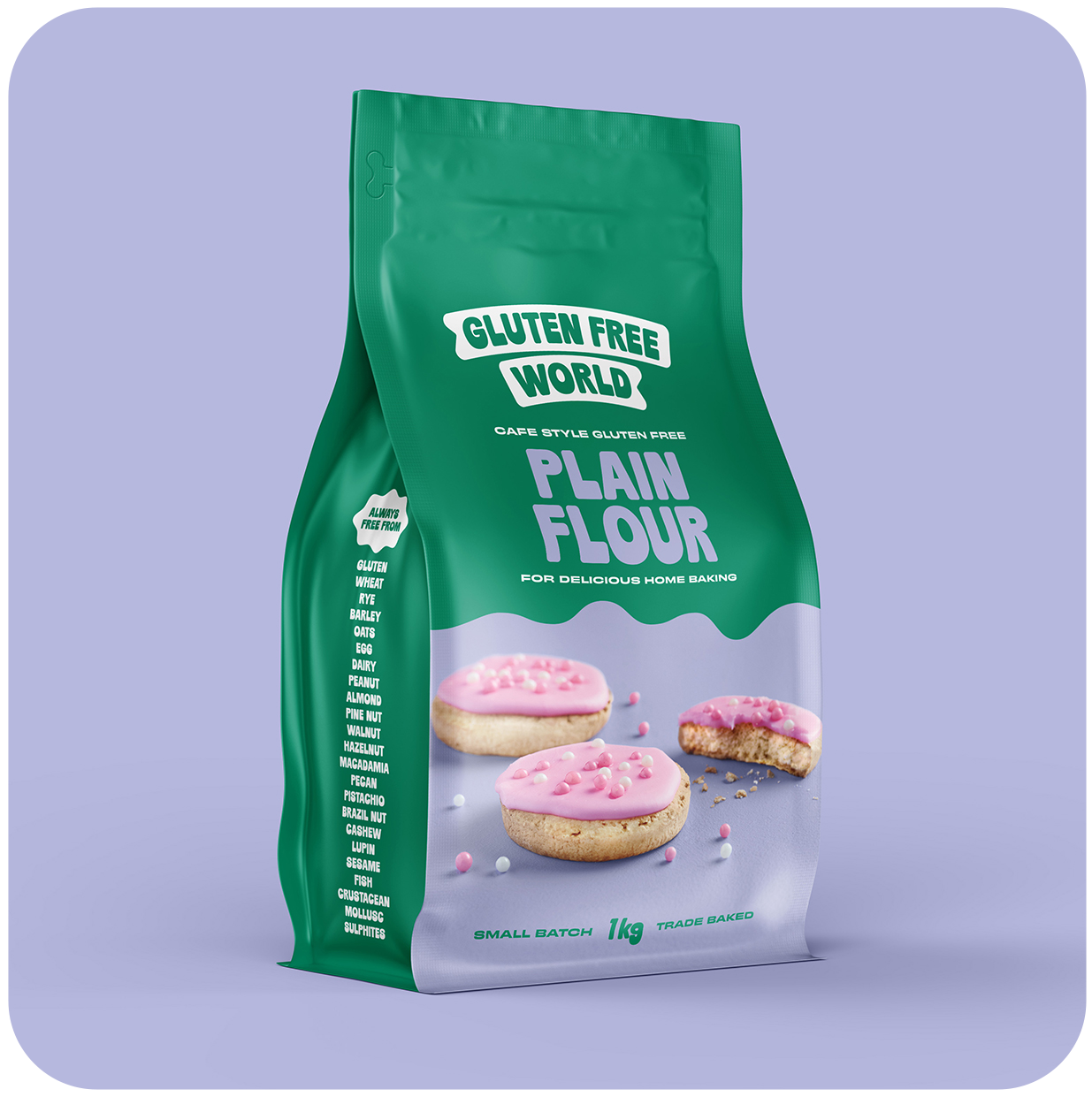
For a reliable gluten-free pastry recipe, use a gluten-free plain flour designed specifically for pastry. At Gluten Free World, our plain gluten-free flour is developed to support balanced hydration and structure, making gluten-free shortcrust easier to roll and shape.
Some gluten-free flour blends include xanthan gum to improve binding. If your flour does not contain xanthan gum, check the packet before adding extra.
Starting with the right flour removes most of the common causes of cracking before you even begin shaping the dough.
Step 2: Rub in Cold Butter Evenly
Place the flour into a large mixing bowl. Add cold butter cut into small cubes. Unsalted butter gives better control of flavour, but a dairy-free alternative works if needed.
Using your fingertips, gently rub the butter into the flour until the mixture forms a fine, breadcrumb-like consistency. The crumbs should look even and light.
This step prevents dry patches in the dough that later cause cracking.
You can use a food processor and pulse briefly, but stop as soon as the mixture resembles fine crumbs. Overworking makes the pastry greasy and harder to manage.
This method works whether making sweet pastry or savoury pastry.
Step 3: Add Cold Water Gradually
Sprinkle in cold water, one tablespoon at a time, stirring gently after each addition.
Most gluten-free shortcrust pastry recipes need 2–4 tablespoons, depending on humidity and the flour blend. On an incredibly hot day, you may need slightly less.
The dough may look a bit crumbly at first. That’s normal. Press a small amount together in your hand. If it holds its shape, it’s ready.
The dough should feel soft and cohesive, not wet and not dry. Too little water causes cracking, while too much weakens the pastry case.
Gluten-free dough absorbs moisture more slowly than wheat dough, so adding water gradually prevents over-hydration and helps keep the structure stable.
Do not knead. Unlike rough puff pastry, gluten-free shortcrust only needs gentle mixing until the dough just comes together.
Step 4: Shape and Chill Properly
Turn the dough onto the bench and press it into a flat disc. Wrap tightly in cling film or cling wrap and place it in the fridge for at least 30 minutes.
Chilling allows moisture to distribute evenly and firms the butter, which helps the pastry roll smoothly.
When ready to roll, the dough should be nicely chilled but still flexible. If it feels very firm, let it sit at room temperature for 5–10 minutes before rolling.
Using one of the right gluten-free flour helps maintain structure during chilling and shaping.
Step 5: Roll Between Two Sheets of Baking Paper
Place the dough between two sheets of baking paper or greaseproof paper. This prevents sticking without adding too much flour.
Use a rolling pin and roll from the centre outward with light, even pressure.
Gluten-free shortcrust does not stretch like wheat pastry, so firm pressure can cause splitting.
If needed, use a lightly floured rolling pin, but only a little flour to avoid drying the dough further.
For a large pie or tart tin, aim for an even thickness so the pastry case bakes evenly.
Step 6: Line the Tin Without Stretching
Lift the pastry into the tart tin using the baking paper.
Press it gently into the base and corners without stretching. Carefully cut excess pastry and keep the offcuts for patching.
If small cracks appear, press them together gently.
For savoury pies such as leek pie, sprinkle coarse breadcrumbs over the base before adding filling to protect the pastry case from excess moisture.
Chill again before blind baking.
Step 7: Blind Bake to Set the Shell
Always start with a fully preheated oven.
Line the pastry case with baking paper and fill with baking beans. Blind baking sets the structure before adding filling, which is essential in any shortcrust pastry recipe.
Bake until lightly golden, remove the beans, and return briefly to dry the base.
For sweet pastry, brush lightly with beaten egg before adding filling such as apple pie mixture.
Step 8: Add Filling Carefully and Bake Evenly
Allow the shell to cool slightly before adding filling.
Avoid very hot or overly wet mixtures. Return the tart tin to the oven and bake according to your recipe.
When handled properly, gluten-free shortcrust pastry holds its shape and slices cleanly.
Discover Our Full Gluten Free Product Range
Shop with confidence. See full product info, certifications, and the best Gluten Free Flours for your next bake.
Quick Adjustments While You Work
If cracks appear:
-
Let very cold dough soften slightly
-
Press in a few drops of cold water if dry
-
Use baking paper instead of extra flour
-
Patch with excess pastry and press gently
Small adjustments during shaping prevent bigger problems during baking.
The Key to Reliable, Crack-Free Pastry
A smooth gluten-free shortcrust pastry shell comes from following a consistent method.
Use a balanced gluten-free plain flour. Add just enough cold water. Chill until nicely chilled but flexible. Roll gently. Press instead of stretch. Blind bake in a fully preheated oven.
Gluten Free World develops gluten-free plain flour and flour blends specifically for a reliable shortcrust structure, helping home bakers achieve consistent results without the frustration of cracking.
Master this method once, and gluten-free shortcrust becomes reliable rather than risky, whether you’re making sweet pastry, savoury pies, or your favourite apple pie.
Happy baking.
Frequently Asked Questions
How do you stop gluten-free shortcrust pastry from cracking?
Use a plain gluten-free flour suited to pastry, rub in cold butter evenly, add water gradually, chill properly, and roll gently between baking paper. Press into the tin without stretching and blind bake in a preheated oven.
Why is my gluten-free dough cracking?
Cracking usually means the dough is too dry, too cold, or handled too firmly. Let it soften slightly if very firm, or press in a few drops of cold water if crumbly.
What is the best gluten-free flour for making pastry?
A plain gluten-free flour balanced for shortcrust pastry works best. Some blends include xanthan gum for binding. Avoid bread-style blends for this type of pastry.
Can you make shortcrust pastry with gluten-free flour?
Yes. A simple gluten-free shortcrust pastry recipe uses gluten-free plain flour, cold butter, and cold water brought together gently in a large mixing bowl, then chilled before rolling.
What is the secret to making gluten-free pastry that isn’t crumbly?
Add water slowly, stop mixing once the dough holds together, chill before rolling, and handle gently. For sweet pastry, icing sugar or caster sugar blends smoothly. A large egg can help bind if needed.
