Professional-Grade Gluten Free Flours | Vegan & Allergy Friendly | Australia-Wide Delivery


· By R2R Team
What Is Xanthan Gum, and Do You Really Need It?
Pick up almost any packet of gluten free bread flour, and you'll find it listed in the ingredients: xanthan gum. It shows up in store-bought loaves, homemade pizza bases, and gluten-free cake mixes, yet for most home bakers, it remains one of the least understood ingredients in the pantry.
If you've ever typed "what is xanthan gum" into a search bar at 10 pm while mid-recipe, you're not alone. Questions like "Is xanthan gum safe?" "Do you need xanthan gum in every bake?" and "What are the best xanthan gum substitutes?" are among the most-searched topics in the gluten-free baking community.
This blog clears the confusion and gives you practical answers so every bake you attempt ends with results you're proud of.
What Exactly Is Xanthan Gum?
➨ Definition
Xanthan gum is a soluble fibre and natural polysaccharide, a long-chain carbohydrate molecule that functions as a thickener, stabiliser, and binder in food. In its role as a gluten replacement, it helps recreate structure and elasticity in bakes that would otherwise crumble or collapse.
➨ How It's Made
Despite the scientific-sounding name, it has entirely natural origins. It is obtained from the fermentation process of simple sugars sourced from maize, tapioca, or cane sugar by a naturally occurring, harmless bacterium called Xanthomonas campestris. The fermented liquid is then purified, dried, and milled into a fine white powder that is consistent, stable, and shelf-stable for months.
➨ Physical Properties
In dry form, it is odourless and flavour-neutral, so it won't change the taste of your baking. The moment it contacts liquid, however, it hydrates rapidly into a thick, viscous gel. That gel-forming property is the foundation of everything it does in gluten-free baking.
➨ Safety & Regulatory Status
It is approved by both Food Standards Australia New Zealand (FSANZ) and the US Food and Drug Administration (FDA). It is inherently gluten-free, dairy-free, and vegan-friendly. For the overwhelming majority of people, including those with coeliac disease, it is entirely safe to eat in standard baking quantities.
A small number of individuals with particularly sensitive digestive systems may notice mild discomfort with fermented gums, in which case the natural substitutes covered later in this article are a practical alternative.
Why Is Xanthan Gum Used in Gluten-Free Baking?
To truly understand what does xanthan gum do in gluten free baking, you first need to understand what gluten does and the structural gap that appears when it's removed.
-
The "Gluten Dilemma"
Wheat flour contains two key proteins, gliadin and glutenin, that bond with water during kneading to create gluten. This elastic network does three important things:
-
Traps gas bubbles produced by yeast or baking powder, giving bread its rise and open crumb.
-
Provides stretch and chewiness, making the dough rollable, foldable, and shapeable.
-
Retains moisture within the bake, slowing down staling after it comes out of the oven.
Gluten-free flours like rice, sorghum, maize, and tapioca contain none of these proteins. The result, without any binder added, is a bake that's often flat, dense, dry, or crumbles the moment it's sliced.
-
The Xanthan Gum Solution
➨ Binds Ingredients
Xanthan gum acts as a structural glue, holding flour particles and other ingredients together so the dough or batter doesn't fall apart during or after baking.
➨ Adds Elasticity & Stretch
It gives gluten-free dough the pliability needed to be rolled, folded, and shaped, critical for pizza bases, wraps, pastry, and dumpling wrappers.
➨ Improves Moisture Retention
By binding water molecules within the bake, xanthan gum extends shelf life and prevents the rapid drying out that makes gluten-free products feel stale by the next morning.
➨ Enhances Rise & Structure
It traps the carbon dioxide released during leavening, supporting a better rise and a lighter, less dense crumb, especially important in yeasted breads and layered pastries.
Discover Our Full Gluten Free Product Range
Shop with confidence. See full product info, certifications, and the best Gluten Free Flours for your next bake.
Do You Really Need Xanthan Gum in Your Baking?
Whether do you need xanthan gum applies to your specific recipe depends on two things: the type of flour you're using and the style of bake you're attempting.
Q. How Much Xanthan Gum Per Cup of Flour?
If you're baking from scratch with single-grain flours, understanding how much xanthan gum per cup of flour is essential to getting the texture right. Add too little and your bake crumbles; add too much, and it turns gummy and dense.
Always consider the egg content and overall hydration of your recipe before measuring.
Answer: YES, You Need It When:
-
You are baking from scratch using individual single-grain flours, pure brown rice flour, buckwheat, almond flour, or tapioca starch used alone or in a simple homemade blend.
-
You are making yeast-leavened breads, pizza doughs, or pastries where structural stretch and gas retention are essential to the final result.
-
Your recipe contains minimal eggs or other natural binders that could otherwise hold the bake together.
Answer: NO, You Don't Need It When:
➨ Using Pre-Blended Flours
Professionally formulated gluten-free flour blends already have the ideal ratio of starches, fibres, and binders. Adding extra xanthan gum on top of a well-balanced blend doesn't improve results; it makes them worse, producing textures that are gummy, rubbery, or unpleasantly chewy.
➨ Baking Egg-Rich Recipes
Eggs help provide structure and binding in brownies, cakes, pancakes and crepes. Depending on the flour blend and recipe, you may need little or no additional xanthan gum.
➨ Managing Digestive Sensitivities
If you or a family member reacts to fermented gums, xanthan gum can be safely omitted in favour of one of the natural alternatives discussed in the next section.
Best Alternatives to Xanthan Gum
Looking for effective xanthan gum substitutes? These plant-based options integrate naturally into gluten-free baking, and each brings its own functional advantage:
-
Psyllium Husk Powder
-
Best for: Artisan yeast breads, pizza crusts, wraps, and soft foldable doughs.
-
Why it works: Psyllium husk gels strongly when hydrated and delivers the closest functional match to xanthan gum in yeasted, high-hydration recipes. It produces an authentic chewy crumb that's difficult to achieve with other substitutes.
-
How to use: Approximately 1–2 tsp per cup of flour, adjusted to recipe hydration.
-
Guar Gum
-
Best for: Cold preparations, ice creams, quick breads, and fruit pie fillings.
-
Ratio: A 1:1 replacement; no other adjustments needed.
-
Note: Derived from guar beans and widely stocked in Australian health food stores.
-
Chia Seeds or Flaxseed Meal (Gel)
-
Best for: Whole-food baking, vegan cookies, muffins, and everyday loaf cakes.
-
Preparation: Mix 1 tablespoon of ground chia seeds or flaxseed meal with 3 tablespoons of warm water. Let the mixture rest for five minutes until it forms a thick gel, then incorporate it into your batter.
-
Added benefit: Both contribute omega-3 fatty acids and additional dietary fibre.
-
Tapioca Starch / Arrowroot
-
Best for: Delicate crumb structures in cakes, biscuits, and shortbreads where only light thickening is needed.
-
Note: These work best as part of a broader flour blend rather than as standalone binders. They add tenderness and a subtle chew without the strong gelling effect of psyllium or similar natural binders.
Discover Our Full Gluten Free Product Range
Shop with confidence. See full product info, certifications, and the best Gluten Free Flours for your next bake.
The Easy Way to Bake Gluten-Free: Skip the Science with Pre-Blended Flours
Weighing individual gums, starches, and fibres for every single bake is time-consuming, difficult to replicate consistently, and leaves significant room for error. One miscalculation can turn a promising loaf into a gummy, sunken disappointment.
Gluten Free World removes that complexity entirely with a range of professionally balanced flour blends, each one carefully blended to make home baking easier.
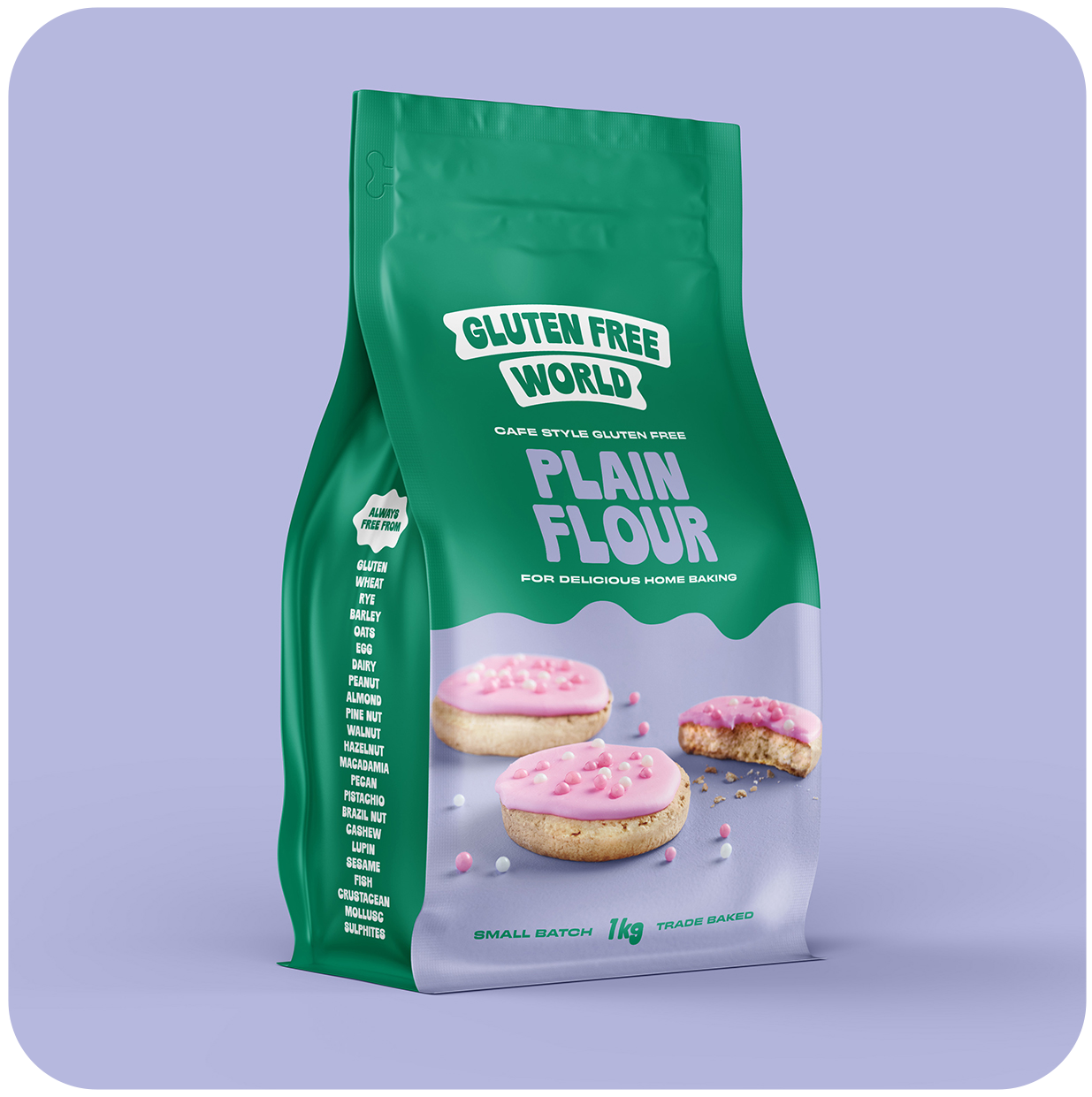
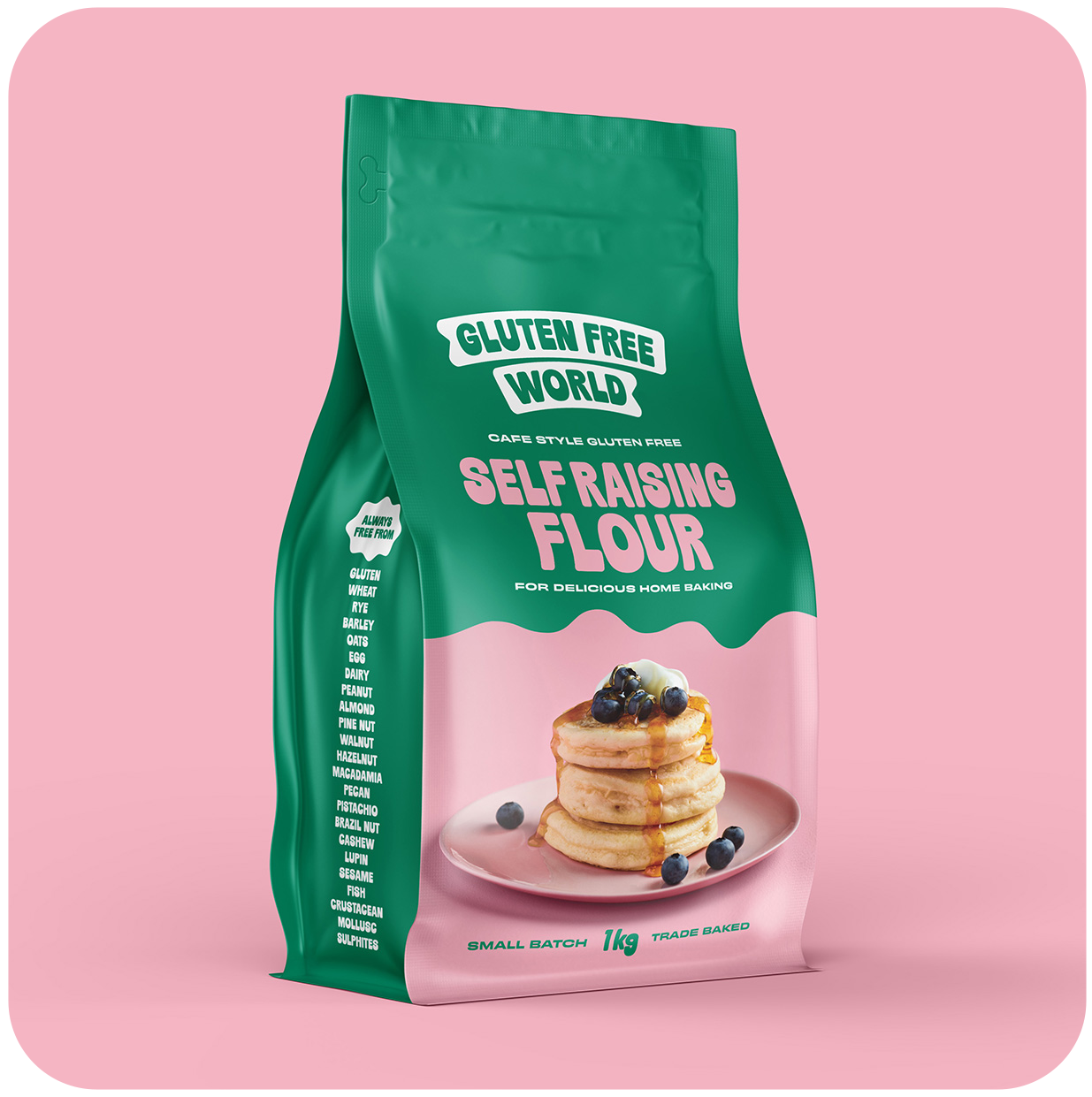
➨ Gluten Free World Plain Flour & Self Raising Flour

Our gluten-free plain flour and self raising flour are developed for everyday baking, including cakes, muffins, biscuits and slices. These blends combine carefully selected ingredients to help achieve consistent baking results.
When using our flour blends, follow the recipe instructions and check the product ingredients before adding extra binding agents such as xanthan gum.
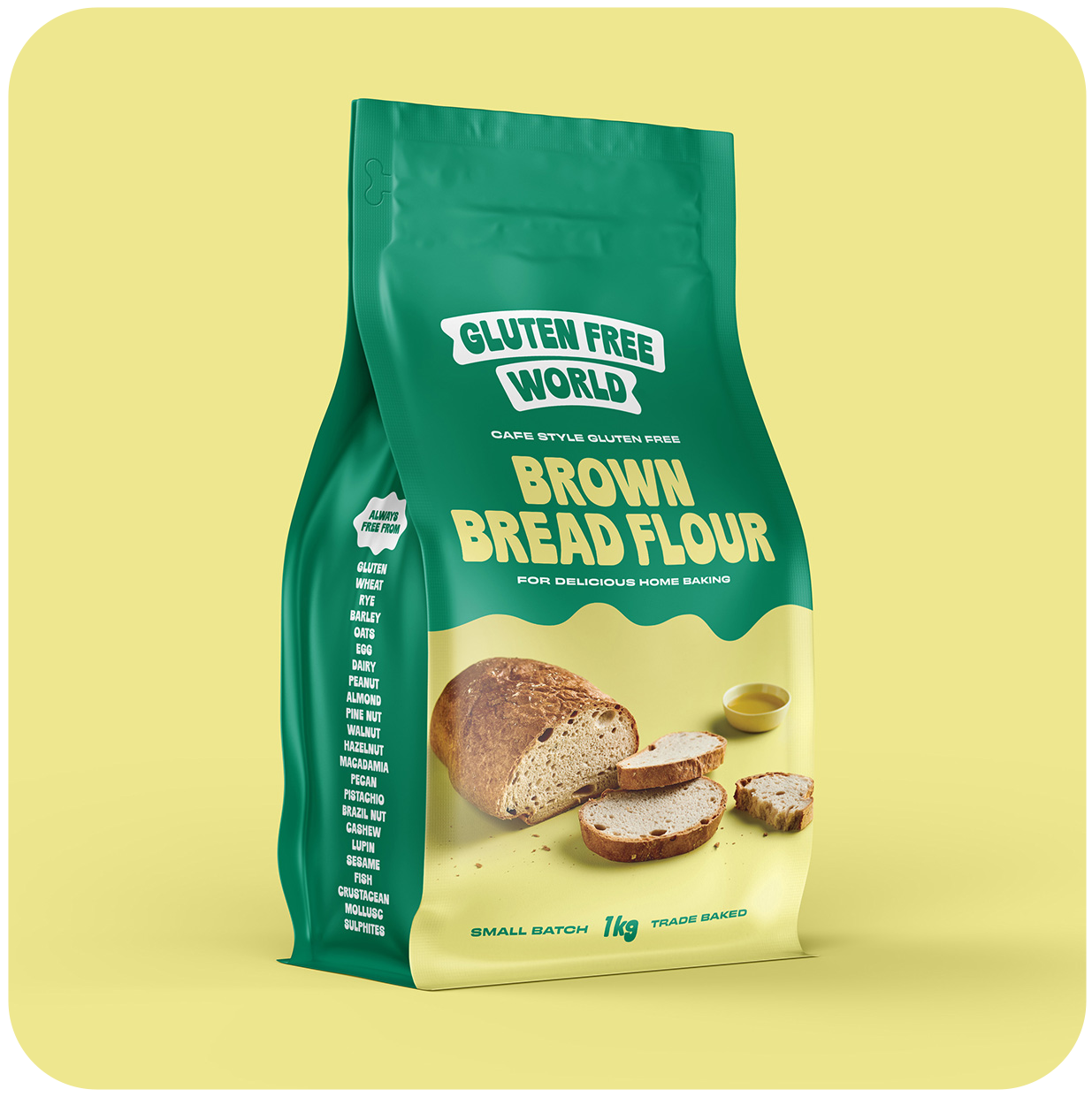
➨ Traditional Bread Flour & Pizza Flour

Our gluten free bread flour is developed for gluten-free breads, scrolls, wraps and pastries. It contains ingredients such as psyllium to support dough structure and texture.
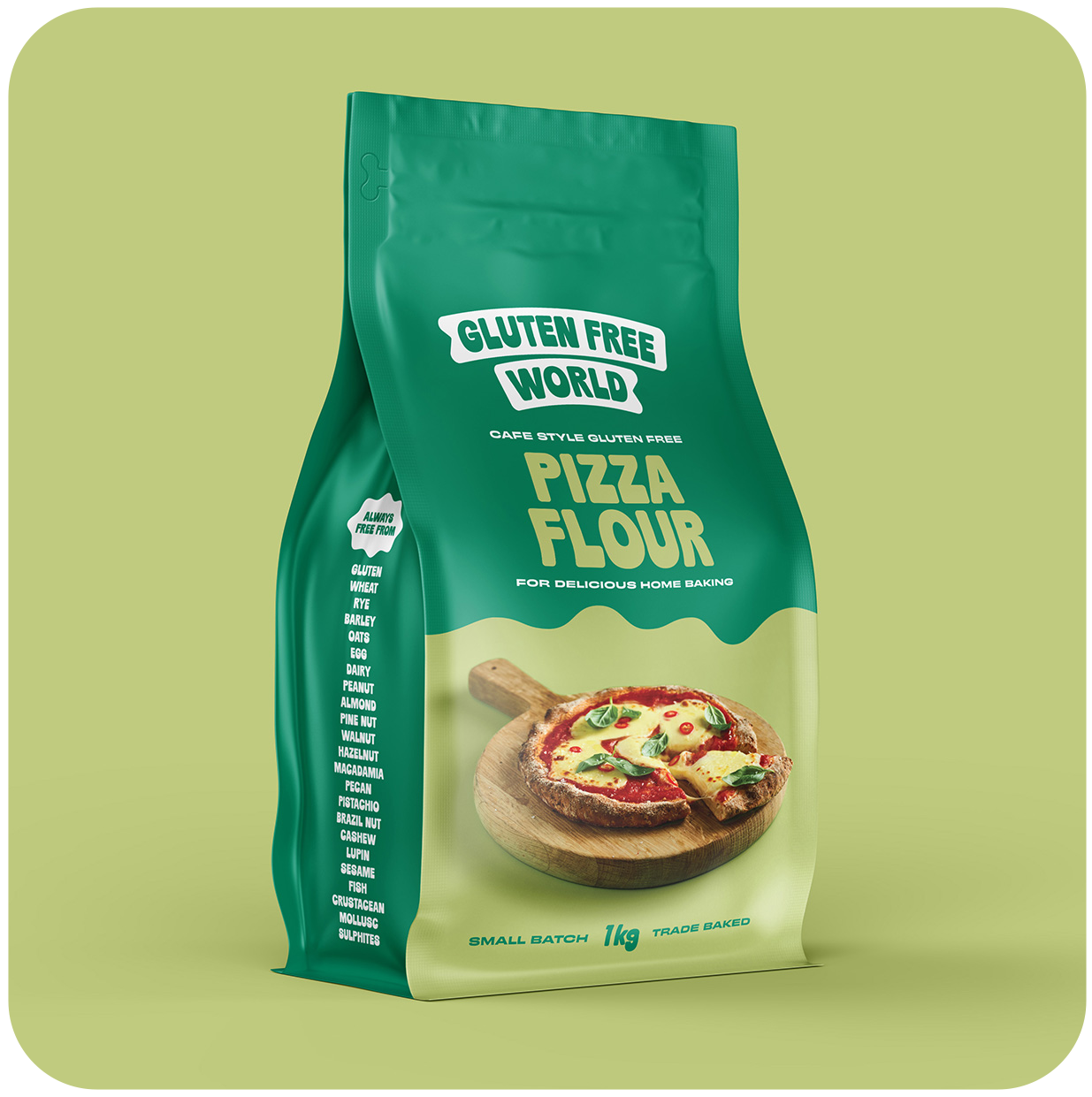
For homemade pizza, our pizza flour is formulated to help create gluten-free pizza bases with a satisfying texture. Its ingredient blend includes psyllium and xanthan gum, which help support the dough during preparation and baking.
➨ Allergen-Friendly & Trusted
Every product across our range carries the following credentials:
-
Coeliac Australia Certified and Kosher Certified, Australia's most trusted standard for gluten-free safety
-
Vegan-friendly
-
Proudly Australian-made
For households managing coeliac disease alongside additional food allergies, that combination of certifications and full ingredient transparency makes a genuine, practical difference.
Conclusion
Xanthan gum is a powerful, well-understood ingredient that solves a real structural problem in gluten-free baking. When you're working from scratch with single-grain flours, understanding what it does and exactly how much to use is the difference between a bake that holds together beautifully and one that falls apart on the cooling rack.
But xanthan gum is not mandatory for every recipe. With egg-rich batters, it's redundant. With a quality pre-blended flour, adding it causes more problems than it solves. And for those who prefer to avoid fermented gums altogether, reliable plant-based substitutes are readily available and easy to use.
One way to simplify gluten-free baking isn't memorising ratios or stocking a dozen speciality ingredients; it's choosing a flour blend that's already done the precision work for you.
Shop our coeliac-certified flour blends today and enjoy café-quality breads, cakes, and pastries every single time.
