Professional-Grade Gluten Free Flours | Vegan & Allergy Friendly | Australia-Wide Delivery


· By R2R Team
Are Oats Gluten-Free? The Honest Answer for Australian Coeliacs
It's one of the most searched questions among Australians managing coeliac disease or gluten intolerance, and it doesn't have a simple yes or no answer. Oats themselves are naturally gluten-free, yet Coeliac Australia currently advises people with coeliac disease to avoid them. Both of those things are true at once, which is exactly why the question causes so much confusion.
This isn't a case of one source being wrong. It comes down to the difference between what a grain is and how it's grown, transported and processed here in Australia.
This guide sets out what the science actually says, why the local guidance is more cautious than in some other countries and how to make an informed decision with your doctor or dietitian.
Are Oats Naturally Gluten-Free?
Yes. Oats are a distinct grain species, unrelated to wheat, barley or rye, the three grains that contain gluten. On a purely botanical level, oats don't naturally contain gluten.
If that were the whole story, oats would be an easy addition to a gluten-free diet. In Australia, it isn't quite that simple, and the reason has nothing to do with the oat itself.
Why Coeliac Australia Advises Caution
The real issue is cross-contamination. Oats are frequently grown in rotation with wheat or barley in the same paddocks, and they're often transported, stored and processed using the same equipment as those grains. This gives ordinary oats a genuine risk of gluten contamination well before they reach a supermarket shelf.
Because of this risk, Coeliac Australia's current position is that people with coeliac disease should avoid oats, including products sold overseas as "gluten-free oats", unless they've discussed it with their treating doctor or dietitian first. This is more cautious than some international guidelines, which is part of why the advice can look inconsistent when people compare information from different countries.
There is also a smaller, separate consideration. A small number of people with coeliac disease react to avenin, a protein naturally present in oats, even when there's no cross-contamination at all. This is uncommon, but it's another reason medical guidance matters more than a quick search result.
Discover Our Full Gluten Free Product Range
Shop with confidence. See full product info, certifications, and the best Gluten Free Flours for your next bake.
What "Gluten-Free Oats" Actually Means
Where certified gluten-free oats do exist, they're grown under a purity protocol. That means dedicated paddocks that aren't rotated with wheat, barley or rye, along with dedicated transport, storage and processing equipment that never touches gluten-containing grains. The finished product is then tested against that country's gluten-free limit. In Australia and New Zealand, though, the Food Standards Code doesn't allow any product containing oats to be labelled gluten-free, no matter how it was grown or tested. The same oats are sold here as "wheat-free" or "uncontaminated" oats, and those terms aren't regulated, so they don't come with a guaranteed gluten limit.
This is a genuinely different product to a standard bag of rolled oats from the baking aisle, even if the packaging looks similar at a glance. The distinction matters, because assuming any oats are safe simply because oats are naturally gluten-free is where most of the risk comes from.
Why the Guidance Differs From Country to Country
In some countries, including parts of Europe, North America and the United Kingdom, health bodies allow certified gluten-free oats as part of a standard coeliac diet, based on research showing that most people with coeliac disease can tolerate pure, uncontaminated oats without issue.
Coeliac Australia takes a more conservative position for now, partly because local research specific to the Australian coeliac population is still limited, and partly because supply chains here haven't traditionally separated oats from other grains as rigorously as in some other markets. That's why an international article recommending oats can sit alongside local advice to avoid them, without either one being wrong.
Where Oats Turn Up Without Being Obvious
Beyond a bag of rolled oats on the shelf, oats show up in a lot of packaged food where they're not the star ingredient. Muesli, granola bars, some breakfast cereals, biscuits and even a few brands of bread and crumbed products can include oats or oat flour without it being obvious from the front of the pack.
This is worth keeping in mind when checking a product for the first time, since a label that focuses on "gluten-free" branding elsewhere on the pack doesn't automatically mean every ingredient, including any oats used, meets the same standard. Reading the full ingredient list rather than relying on the product name is the more reliable habit here.
Practical Guidance for Shoppers
Don't assume "oats" on a label means safe. The word alone tells you nothing about how that particular batch was grown or processed.
Don't expect a gluten-free label on oats. Australian law doesn't permit one, so you won't find a gluten-free claim or certification symbol on any oat product sold here. "Wheat-free" or "uncontaminated" oats are the closest equivalent, but because those terms aren't regulated, they're only worth considering under the guidance of your doctor or dietitian.
Talk to your GP or dietitian before adding oats back into your diet. This is especially important for anyone newly diagnosed, since a supervised reintroduction is the safest way to know how your body responds.
When in doubt, leave them out. If a product's gluten-free status isn't clearly stated, it's simplest to choose something else rather than guess.
Discover Our Full Gluten Free Product Range
Shop with confidence. See full product info, certifications, and the best Gluten Free Flours for your next bake.
Oats in a Broader Gluten-Free Diet
For anyone who does get the all-clear from a doctor or dietitian to reintroduce uncontaminated (wheat-free) oats, they're a genuinely useful addition to a gluten-free pantry once they're confirmed safe. Rolled or quick oats are a versatile base for porridge, baking and homemade muesli, without needing to be replaced by a less familiar substitute.
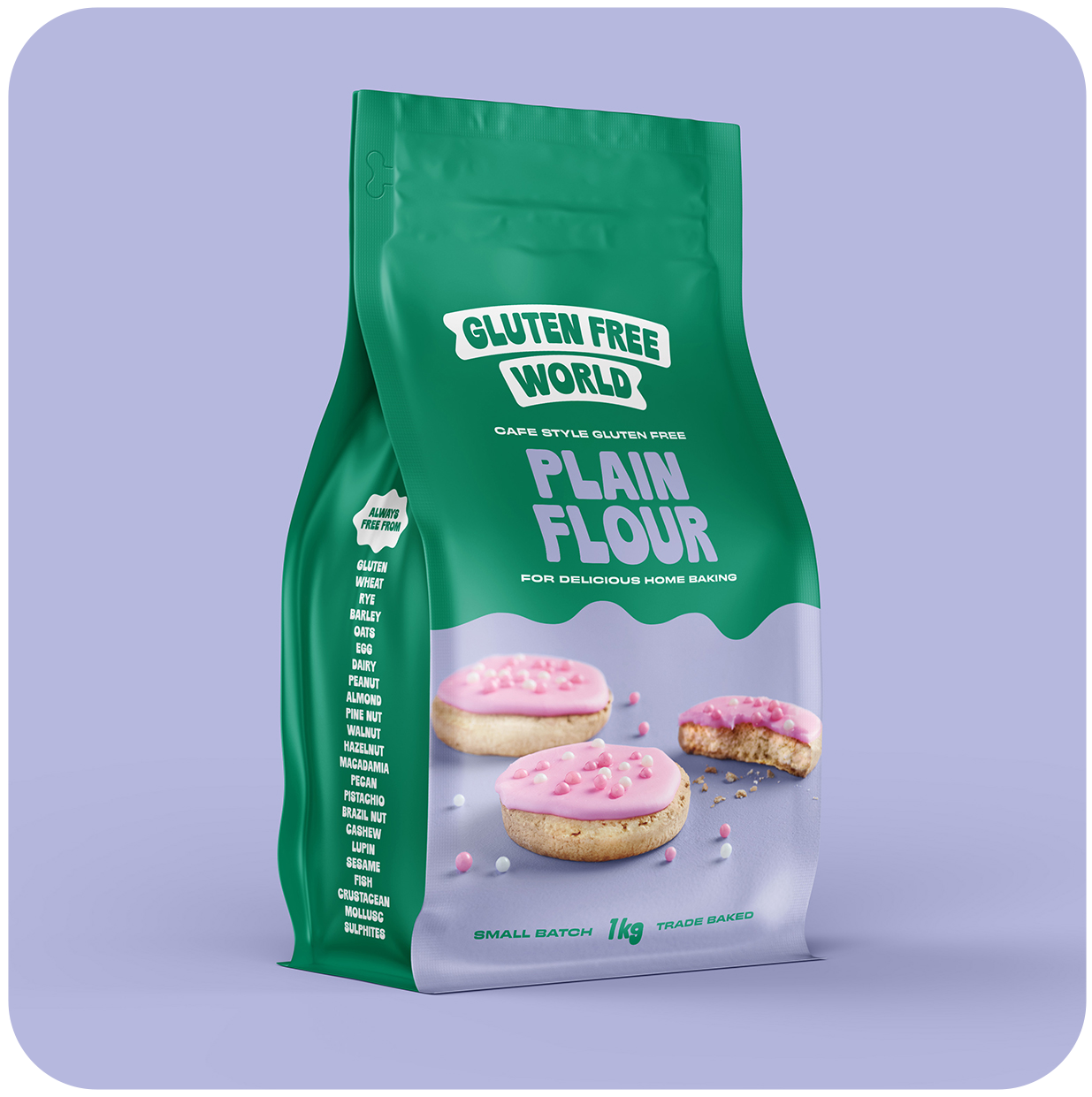
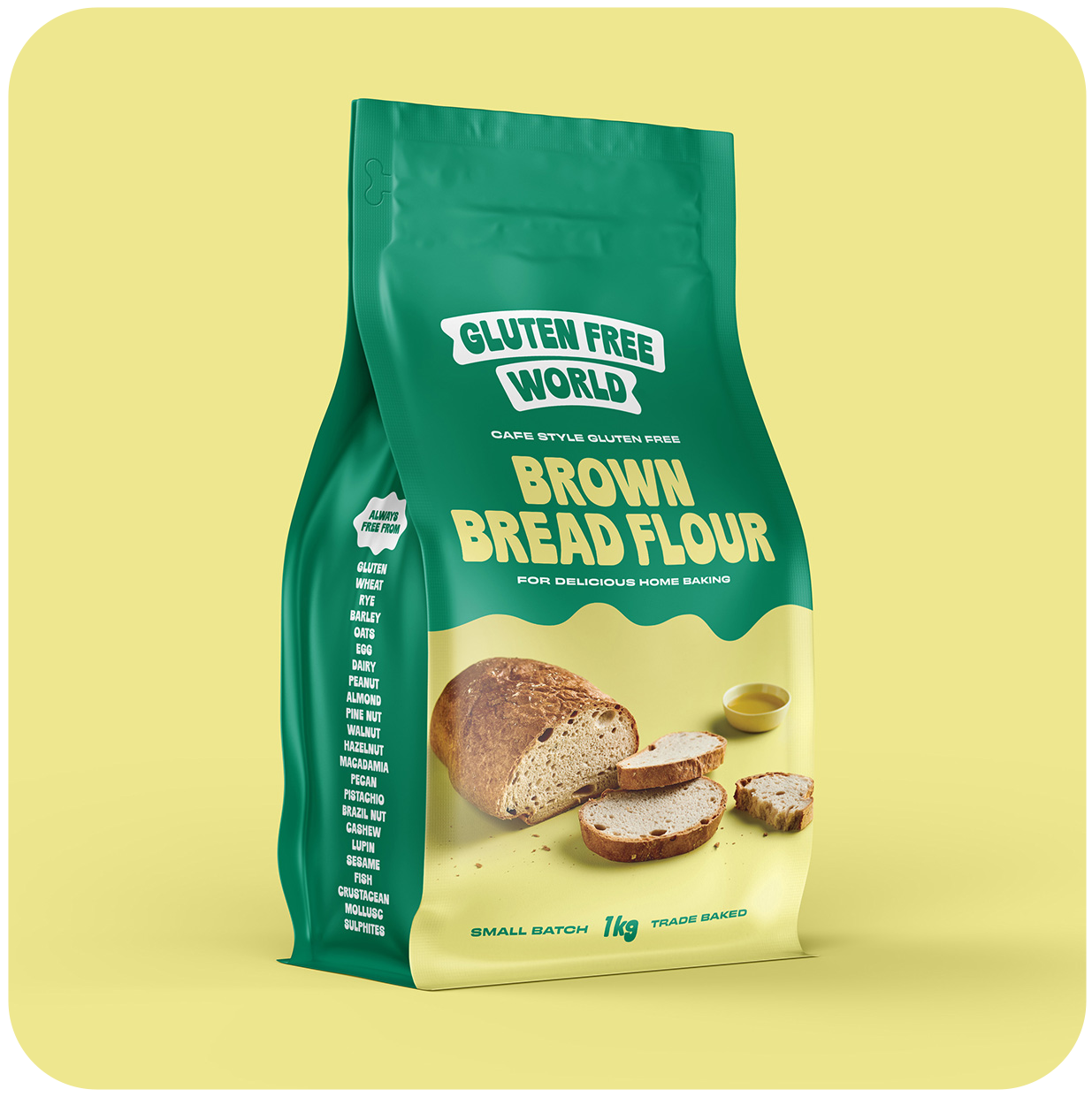
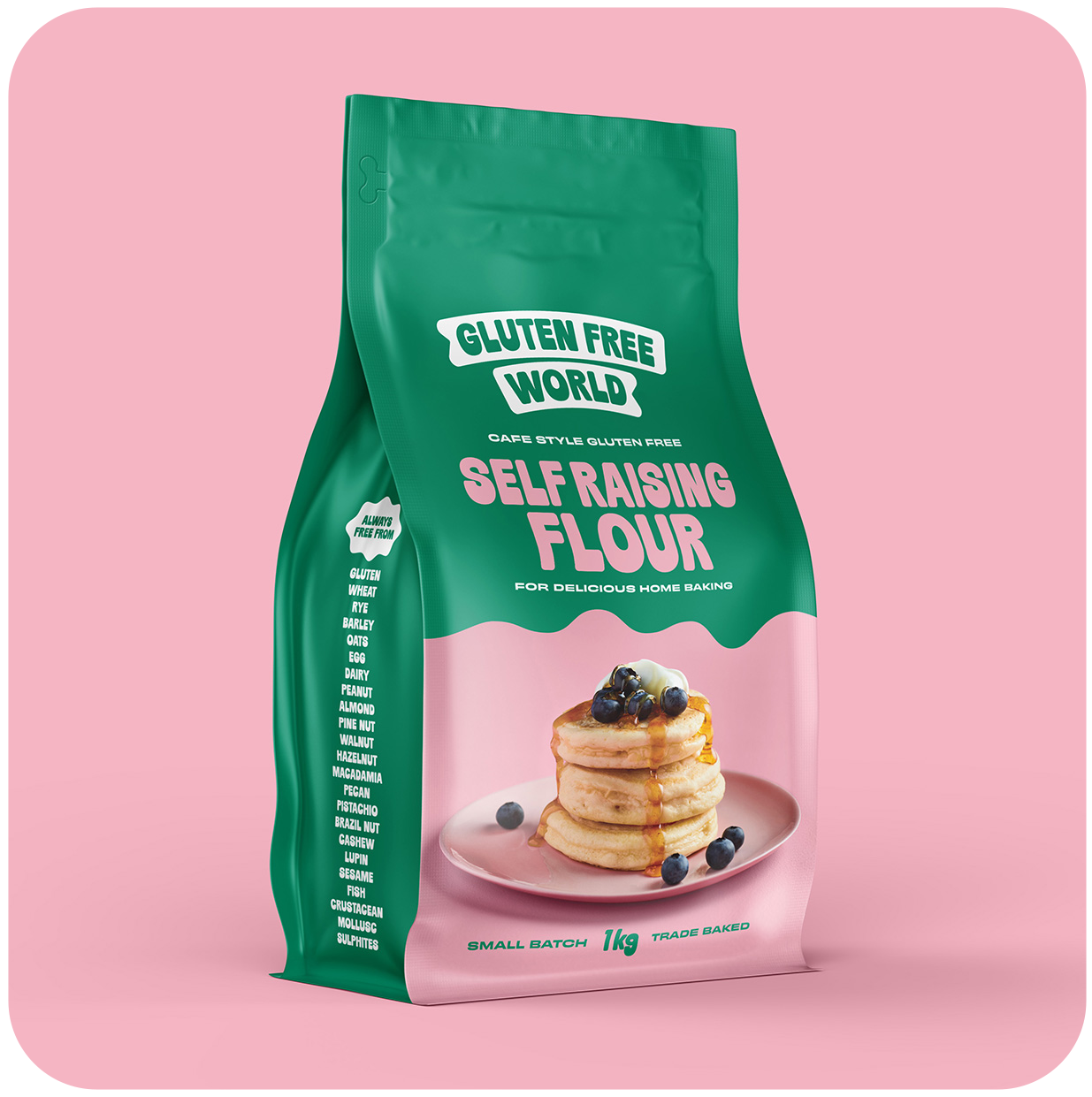
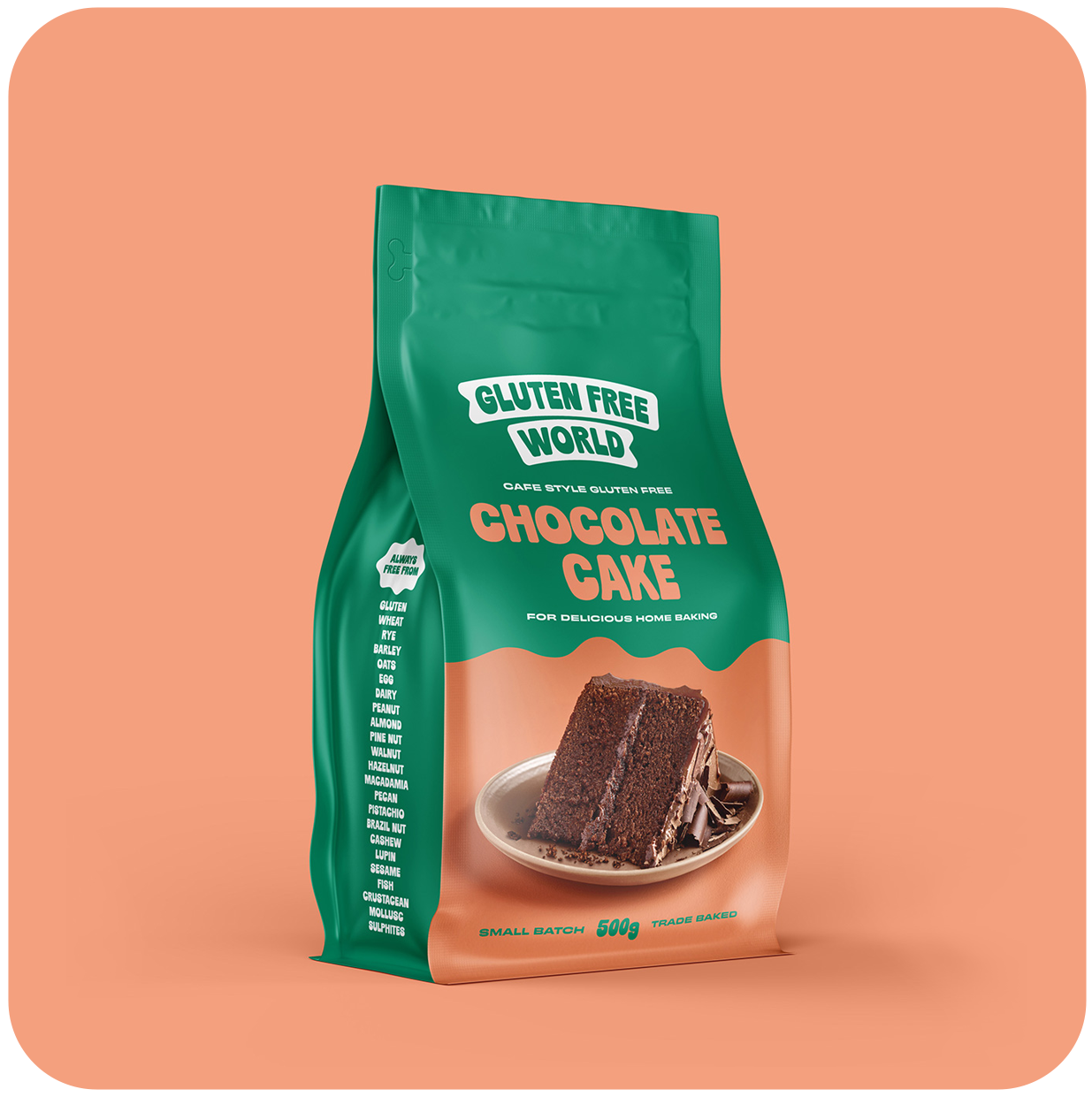
Until that confirmation happens, most of what oats are used for can be covered by other naturally gluten-free grains and flours. Rice, quinoa and buckwheat all fill a similar role in a pantry, and Gluten Free World's flours and cake mixes, which are oat-free and certified gluten-free, cover most of the baking uses oats would otherwise be reached for, from muffins and slices to crumble toppings.
A Note on This Article
This information reflects Coeliac Australia's general guidance at the time of writing and isn't a substitute for medical advice. Everyone's situation is different, and a doctor or accredited practising dietitian is best placed to advise on oats for your specific circumstances.

Frequently Asked Questions
Can people with coeliac disease eat oats at all?
Some can, under medical supervision and using uncontaminated (wheat-free) oats specifically, while others are advised to avoid oats altogether. This varies from person to person, which is why individual medical advice matters here more than a general rule.
What's the difference between regular oats and gluten-free oats?
Regular oats carry a real risk of cross-contamination from shared paddocks, transport and processing equipment. Purity-protocol oats, sold as gluten-free oats overseas and as wheat-free or uncontaminated oats in Australia, are grown and handled separately from wheat, barley and rye and tested before sale.
Should I ask my doctor before trying oats?
Yes. A doctor or dietitian can advise on a supervised reintroduction and monitor how you respond, which is safer than trying oats without guidance.
Are all oat-based products safe if the packet says gluten-free?
In Australia, an oat product can't legally carry a gluten-free claim, so if you see one on oats, treat it as an imported or mislabelled product and check with your dietitian before eating it. Even on imported oats, check the label each time, since sourcing can change between batches.
Does this guidance apply to oat milk as well as whole oats?
Yes. Oat milk is still made from oats, so it can't be labelled gluten-free in Australia either, and it carries the same cross-contamination and avenin considerations. Treat it the same way you'd treat oats themselves and check with your doctor or dietitian first.
Is this guidance likely to change in the future?
It's possible, as it has in other countries, but any change would come from Coeliac Australia based on local research rather than from following international guidelines directly. It's worth checking Coeliac Australia's current published position rather than relying on older information.
For more gluten-free guides like this one, visit our blog.
