Professional-Grade Gluten Free Flours | Vegan & Allergy Friendly | Australia-Wide Delivery


· By R2R Team
Gluten-Free Sausage Rolls for the Footy Finals
There are few occasions more sacred on the Australian social calendar than Footy Finals. Whether you're hosting a living room full of passionate supporters or heading to a friend's place with food in hand, the spread on the table matters just as much as what's happening on the screen. Sausage rolls, pies, and pastries are non-negotiable game-day staples, the kind of gluten free finger food recipes that get passed around between cheers, half-time debates, and the occasional groan at the umpire.
The problem? Traditional sausage rolls are off the menu for anyone managing coeliac disease or gluten sensitivity. Most ready-made versions use wheat pastry, and the filling may include other gluten ingredients like binders, seasonings or sauces. For millions of Australians navigating a gluten-free lifestyle, footy food quickly becomes an exercise in awkward label-reading or worse, sitting out the spread altogether.
This is where easy gluten free party food makes all the difference. These gluten free sausage rolls deliver everything you want from the classic: shatteringly flaky pastry, a well-seasoned, juicy meat filling, and that satisfying golden crust.
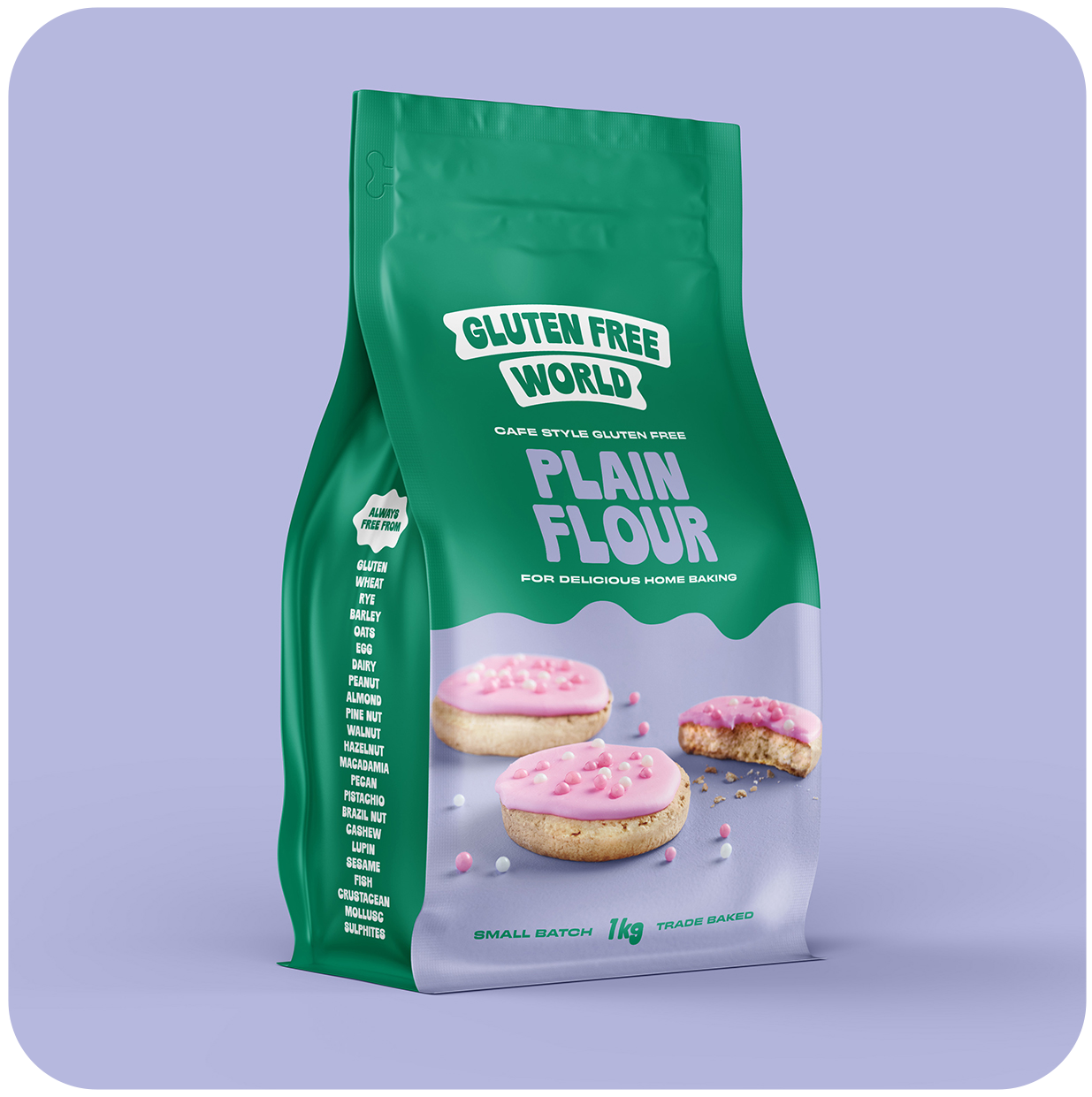
The key is using a reliable, certified flour that performs consistently gluten free plain flour from Gluten Free World both in the filling and on the work surface. The result is a batch of crowd-pleasing, coeliac-safe party bites that no one will guess are gluten-free.
Key Ingredients for the Perfect GF Sausage Roll
Getting the ingredients right is the foundation of a reliable gluten-free bake. Before diving into the method, it is necessary to understand why each component plays a specific role in making gluten free sausage rolls that hold together, bake evenly, and taste every bit as good as the wheat-based originals.
A. The Pastry & Crust Prep
➨ Gluten Free World Plain Flour

Gluten free plain flour is the backbone of this recipe. The plain flour is used at multiple stages: dusting the work surface to prevent sticking, lightly flouring dough sheets during rolling, and binding the meat filling so it holds its shape during baking. Unlike some generic blends, this flour is Coeliac Australia certified, which means it meets strict cross-contamination standards an important consideration for anyone with coeliac disease, not just gluten sensitivity.
➨ Gluten-Free Puff Pastry
Ready-to-use gluten-free puff pastry sheets are available from most major supermarkets and save significant time without sacrificing quality. If you prefer to make your own pastry from scratch, our plain flour is well-suited for this purpose; it has the neutral flavour and binding properties needed to replicate the texture of traditional puff pastry.
➨ Pro-Tip for GF Pastry
Gluten-free pastry behaves differently from wheat-based pastry. It cracks more easily when cold and becomes sticky when warm. Always roll between two sheets of baking paper and dust the surface lightly with the plain flour to minimise sticking. Avoid overhandling; the less you work the pastry, the flakier the result.
B. The Savoury Meat Filling
It's the filling that contains the flavour. The following are the things you need:
-
500g gluten-free mince, quality beef, pork, or a blend; if using butcher sausages, check they are certified gluten-free
-
1 small brown onion, finely diced or grated
-
1 medium carrot, finely grated (adds moisture and natural sweetness without overpowering the meat)
-
1 clove garlic, minced
-
2 tbsp gluten-free Worcestershire sauce or tomato paste
-
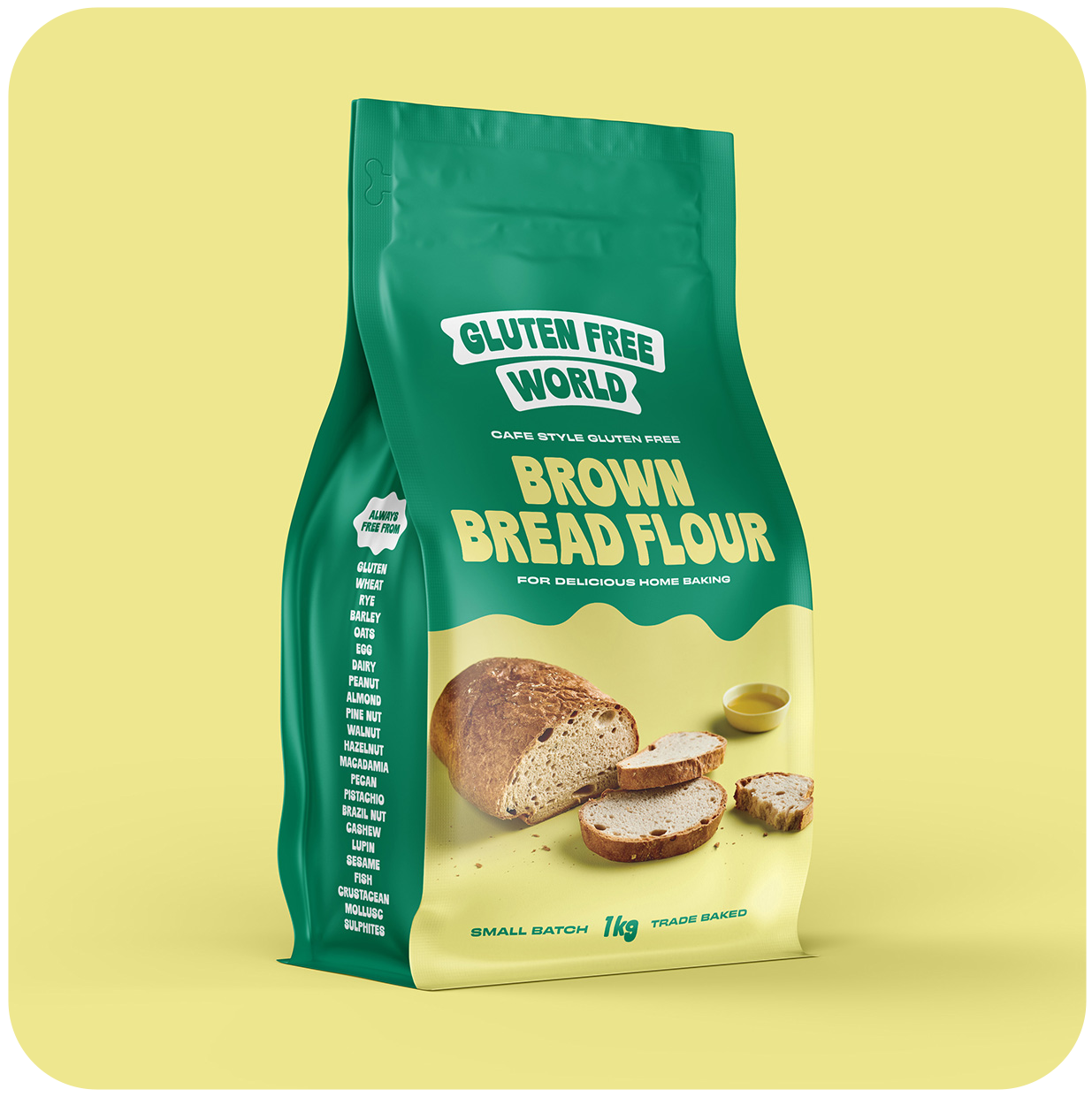
⅓ cup Gluten Free World Plain Flour (or GF breadcrumbs made from Gluten Free World Traditional Bread Flour) absorbs excess moisture and binds the filling so it holds together during rolling and baking
-
2 eggs, one for binding the filling, one for the egg wash glaze
-
Dried herbs: thyme, oregano, or flat-leaf parsley all work well
-
Salt and cracked black pepper to taste
The grated carrot is worth emphasising: it keeps the filling moist during the longer oven time without adding a detectable vegetable flavour. Grating rather than dicing ensures it incorporates smoothly into the meat mixture.
Discover Our Full Gluten Free Product Range
Shop with confidence. See full product info, certifications, and the best Gluten Free Flours for your next bake.
Step-by-Step Instructions (How to Make Them)
Follow these steps carefully to make gluten free sausage rolls that are golden, well-structured, and coeliac-safe from start to finish.
-
Prep the Oven & Trays
Preheat your oven to 200°C (if it is fan-forced, then 180°C). Line up two large baking trays with baking paper. Getting the oven fully up to temperature before the rolls go in ensures the pastry puffs and crisps properly from the first minute.
-
Mix the Filling
In a large bowl, mix the mince, grated carrot, diced onion, garlic, Gluten Free World plain flour, GF Worcestershire sauce, herbs, seasoning, and one beaten egg. Mix using clean hands or a wooden spoon until all ingredients are evenly distributed. When pressed, the mixture should hold together; add an extra tablespoon of gluten free plain flour to firm it up if it is too wet.
-
Prepare Pastry Sheets
Remove pastry from the fridge 5–8 minutes before using. Lay the sheets on a flat surface lightly dusted with the plain flour. Cut each sheet in half lengthways to create two equal rectangles.
-
Shape & Roll
Portion the filling equally into equal amounts for each pastry rectangle. Shape each portion into a compact log and position it along the long edge of the pastry sheet, leaving approximately 1 cm of pastry free at the edges. Gently turn the pastry over the meat log, pressing the seam firmly. Place seam-side down on the lined tray.
-
Cut & Glaze
Using a sharp knife, cut each roll into bite-sized party pieces (3–4 cm each) or leave as full-length rolls for a more substantial serve. Score the top of each piece lightly with two diagonal cuts to allow steam to escape. Brush the tops generously with beaten egg wash and finish with a sprinkle of sesame or poppy seeds.
-
Bake
Bake for 22–25 minutes until the pastry is puffed and deeply golden. The internal temperature of the meat should go to 75°C; using a thermometer makes this step much easier.
-
Cool & Serve
Move the rolls to a wire rack and allow them to rest for 5 minutes before serving. This brief resting period helps the pastry set and keeps it from going soft on the underside. Serve hot alongside your favourite gluten-free tomato sauce.
Secret Tips for Flaky, Non-Soggy GF Pastry
GF pastry can be unforgiving if a few key principles are ignored. Apply these tips consistently, and your gluten free sausage rolls will come out crisp, flaky, and well-structured every single time:
-
Dust with Plain Flour: A light dusting on the work surface prevents sticking without adding excess flour to the dough or altering the final texture. Use a fine-mesh sieve for even coverage.
-
Avoid over-thawing: If the pastry becomes too warm and soft, it turns sticky and tears during rolling. Work in a cool kitchen and return sheets to the fridge for 5 minutes if they start to soften too quickly.
-
Prevent soggy bottoms: Bake on the lower-middle rack of the oven, and always use baking paper rather than greased foil. This promotes airflow underneath the pastry and delivers an even, crisp base.
-
Vent the steam: Scoring the tops of the rolls is not optional. Without it, trapped steam softens the pastry, and you lose the crisp shell that the recipe relies on.
Variations & Dietary Swaps
One of the real strengths of gluten free finger food recipes like this one is their adaptability. Whether you're catering to vegans, dairy-free guests, or picky eaters, small swaps go a long way:
-
Dairy-Free Option: Most commercially available GF puff pastry is already dairy-free; check the label to confirm. Substitute any milk in your egg wash with water or a plant-based milk.
-
Hidden Veggie Boost: Finely grated zucchini (squeezed dry in a clean cloth) or chopped wilted spinach can be added to the filling without affecting the flavour or texture. A useful option when cooking for children.
-
Gourmet Pork & Apple: Swap beef mince for quality pork mince and stir in ¼ cup of finely diced tart green apple and a teaspoon of fresh sage. The apple adds a mild sweetness that pairs naturally with the pork.
-
Vegetarian / Vegan Alternative: Replace the meat with mashed cooked lentils combined with grated sweet potato, herbs, and gluten free plain flour to bind the mixture. For the egg wash, use a tablespoon of plant-based milk brushed over the top.
Discover Our Full Gluten Free Product Range
Shop with confidence. See full product info, certifications, and the best Gluten Free Flours for your next bake.
Make-Ahead, Freezing, and Reheating Instructions
These sausage rolls are excellent candidates for batch cooking, ideal for preparing ahead of a game-day gathering without any last-minute stress.
➨ How to Freeze Raw
Assemble the uncooked rolls and lay them in a single layer on a lined tray. Freeze for one hour until it becomes firm, then transfer to airtight freezer bags. They keep well for up to three months. To cook from frozen, bake at 200°C for 28–30 minutes; no thawing required.
➨ Reheating Baked Sausage Rolls
Pre-baked rolls need 10-12 minutes in a 180°C oven for reheating. This adds crispness to the pastry, but won't dry out the filling. Avoid the microwave; it will reheat the filling too and cause the pastry to turn soft and chewy, which is not the desired outcome.
Conclusion
Easy gluten free party food does not have to mean compromise, and this recipe is proof of that. With the right ingredients and a straightforward method, these gluten free sausage rolls are genuinely good, the kind that get finished well before half-time and prompt requests for the recipe. They are safe for guests with coeliac disease, adaptable for multiple dietary needs, and easy enough to prepare the day before a big game.
The recipe works because the ingredients are reliable. Our gluten free plain flour provides the consistency that gluten free finger food recipes require. If you're stocking up before finals season, the plain flour and traditional bread flour are both worth having on hand. For more information, visit our website.
