Professional-Grade Gluten Free Flours | Vegan & Allergy Friendly | Australia-Wide Delivery


· By R2R Team
How to Choose the Best Gluten-Free Flour for Pizza
Gluten-free pizza can feel like a bit of a lottery. One night, you get something close to the real deal, the next, you are chewing through a pale, soggy disc that no one is excited about. When you are coeliac, gluten intolerant, or cooking for kids with allergies, average pizza just does not cut it.
The good news is that success has far less to do with your skills and far more to do with what is in your flour bag.
Choose the right gluten-free flour for pizza, and suddenly the dough behaves, the crust browns, and the slices hold together.
This guide walks you through how to pick the best gluten-free flour for pizza for your oven, your favourite crust style, and your dietary needs.
By the end, you will know how to read ingredient lists with confidence and how to bring proper pizza night back to your kitchen.
Why Flour Choice Is the Foundation of Great Gluten-Free Pizza

Gluten-free pizza dough reacts very strongly to ingredient changes, so flour choice has a bigger impact than sauce, cheese, or toppings. Understanding why helps you pick a flour that works with you, not against you.
Why Gluten-Free Pizza Is Different from Other Baking
Pizza dough leans heavily on stretch, gas retention, and browning, which are exactly what gluten is used to handle. Cakes and muffins can cope with softer batters, but pizza needs strength and flexibility in the base.
Gluten-free flours absorb water differently and set faster in the oven, so a random blend that works in cupcakes may fail as a gluten-free pizza dough flour.
This is why a purpose-made gluten-free flour for pizza gives far more reliable results than guessing with whatever is already in the pantry.
Common Texture Issues from the Wrong Flour
With the wrong flour balance, bases often turn dense and gummy in the centre, even if the top looks nicely coloured. That usually means the dough did not hold enough gas or was too wet for the blend.
Other mixes crumble and tear before you can lift a slice, which points to a lack of supportive binders.
Flavour suffers too, and you can end up with a flat, chalky taste that never feels like proper pizza, no matter how good the toppings are.
How the Best Gluten-Free Flour for Pizza Improves Results
Once you switch to the best gluten-free flour for pizza for your style, the difference shows up quickly. Dough comes together more smoothly, feels easier to shape, and keeps its form on the tray.
In the oven, you get better lift, a crisper base, and a crumb that feels bready rather than cakey.
With a trustworthy gluten-free pizza dough flour, pizza night turns from a stressful experiment into a familiar, relaxing routine.
Key Factors for Choosing the Best Gluten-Free Flour for Pizza

Standing in front of the baking shelf or scrolling online can feel overwhelming. This section gives you clear markers to look for whenever you choose a new bag of gluten-free flour for pizza.
Look for High-Quality 1:1 Gluten-Free Blends.
Measure-for-measure blends are designed to replace wheat flour cup for cup, which is a gift for busy home bakers. These are often the best gluten-free flours for pizza when you want consistency without complicated maths.
Many good gluten-free flour blends use brown rice flour for structure, plus starches that add tenderness and chew. Tapioca starch contributes elasticity, while potato starch keeps the crumb soft and moist.
When you see this kind of mix, you are looking at a blend that is far more likely to behave like a pizza-ready gluten-free pizza dough flour.
Essential Binders That Replace Gluten
Gluten was the elastic net that held everything together, so gluten-free dough needs a replacement. Binders like xanthan gum or guar gum assist dough in stretching, holding bubbles, and carrying toppings.
A reliable gluten-free flour for pizza either includes a suitable amount of binder or clearly tells you when to add some yourself. Without it, dough tends to crack, split, or bake apart.
If your dough tears easily, a small, measured increase in binder can transform the way your gluten-free flour blends perform.
Ingredient Transparency and Safety
For anyone with coeliac disease, clear labelling is vital. Look for flour that is certified gluten-free, with evidence of regular testing and strict handling standards.
Transparent brands share how they avoid cross-contact with wheat and highlight if their blends are free from dairy, eggs, and other common allergens.
This kind of openness helps you select the best gluten-free flour for pizza for a household where multiple food needs must be respected.
Matching Gluten-Free Flour to Your Preferred Pizza Crust
Not every pizza lover wants the same crust. The ideal gluten-free flour for pizza depends on whether you crave thin and crisp, soft and chewy, or something mild and kid-friendly.
Thin & Crispy Pizza Bases
For a delicate, crackly base, lighter blends with plenty of starch perform well. They bake quickly and give a clean snap that suits simple toppings and lighter sauces.
A small amount of almond flour in a blend can add flavour and extra crispness if you enjoy a slightly richer edge.
To keep centres from turning soggy, preheat trays and avoid overloading wet toppings, so your chosen gluten-free pizza dough flour can fully cook underneath.
Chewy Base with a Raised Edge
If you dream of slices with a puffy rim and a softer centre, specialised pizza blends are your best friend. A good gluten-free flour for pizza in this category usually has a higher protein content and carefully balanced binders.
This combination supports a better rise, a more open crumb, and that satisfying chew that many people miss from traditional pizza.
With strong top heat and a hot base, a quality gluten-free pizza dough flour can bring café-style crust very close to home.
Choosing Based on Who You're Feeding
When you are cooking for kids, a softer, milder crust often wins. A gentle 1:1 blend that bakes tender rather than chewy can feel more familiar to them.
For adults who like artisan-style pizza, a blend that includes whole-grain flours such as sorghum or buckwheat can handle bold toppings and stronger flavours.
If you need dairy-free, egg-free, or vegan options, look for gluten-free flour blends that clearly support these needs so everyone can share from the same tray.

Tips for Getting the Best Results from Your Gluten-Free Pizza Flour
Even the best gluten-free flour for pizza needs a little technique support. A few simple habits can noticeably lift your crust quality.
Hydration and Dough Resting
Gluten-free flours generally absorb more water than wheat flours, resulting in dough that feels softer and stickier than expected. That is often a good sign for tenderness.
Allowing the dough to rest gives the flours and binders time to hydrate fully, which improves structure and handling.
If your gluten-free pizza dough flour blend feels tight or cracks at the edges, increase water slightly and give it a longer rest before shaping.
Handling Gluten-Free Dough with Ease
Instead of dusting with loads of extra flour, lightly oil your hands and the baking paper, then press the dough out gently. This avoids upsetting the careful balance within your gluten-free flour for pizza.
Working on baking paper makes it easy to transfer the base to a hot tray or stone without stretching or tearing it.
Simple tools like a dough scraper and silicone spatula keep the process tidy and prevent overworking.
Baking Techniques That Improve Texture
Preheating a stone, steel, or heavy tray gives the base an instant burst of heat that helps with lift and crispness. This supports the performance of your chosen gluten-free flour blends.
Higher oven temperatures usually help gluten-free bases achieve better browning and structure before they dry out.
If you often end up with pale, soft crusts, try par-baking the base for a few minutes before adding toppings, then return it to finish.
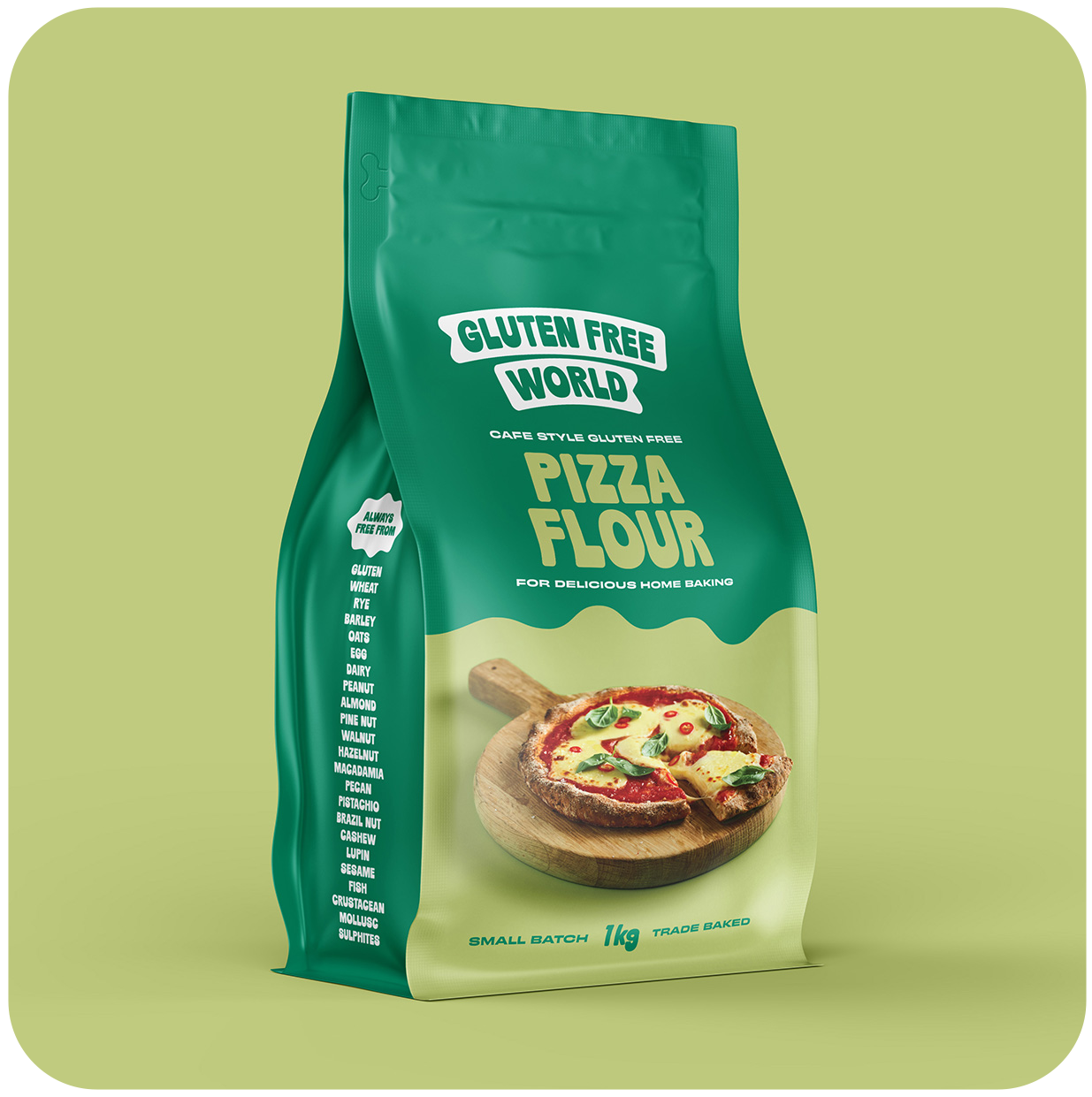
How Gluten-Free World Approaches Gluten-Free Pizza Flour

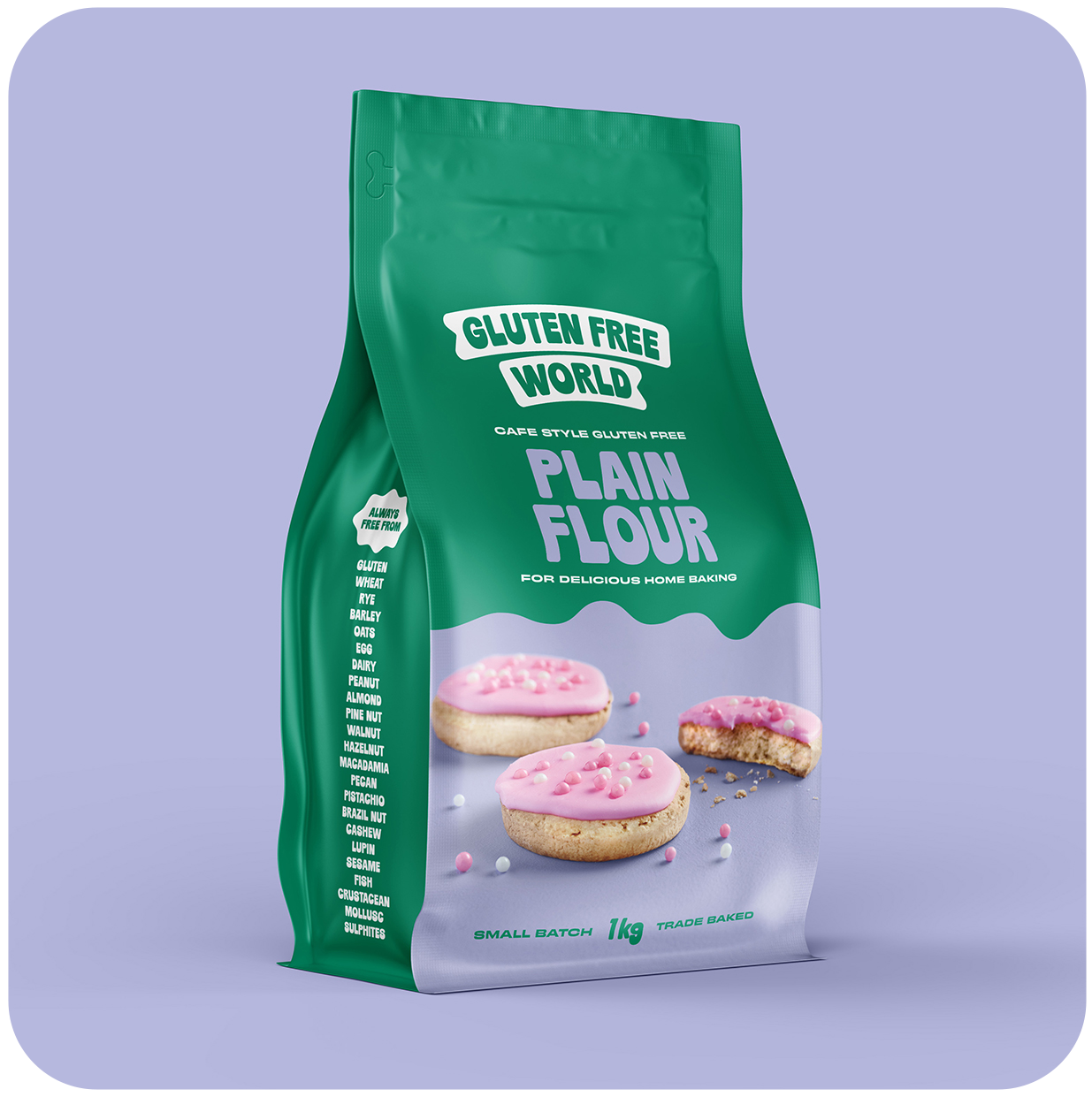
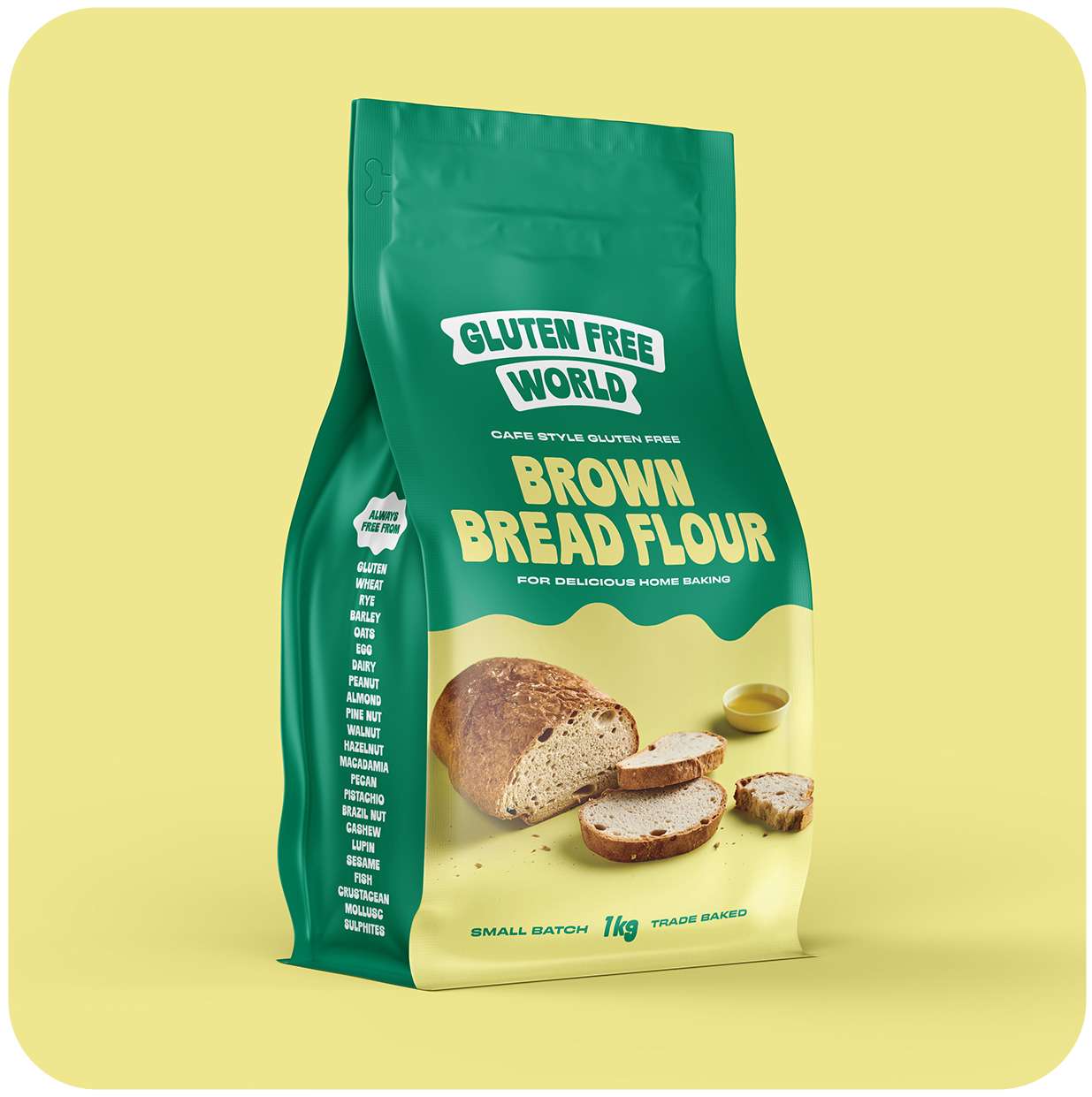
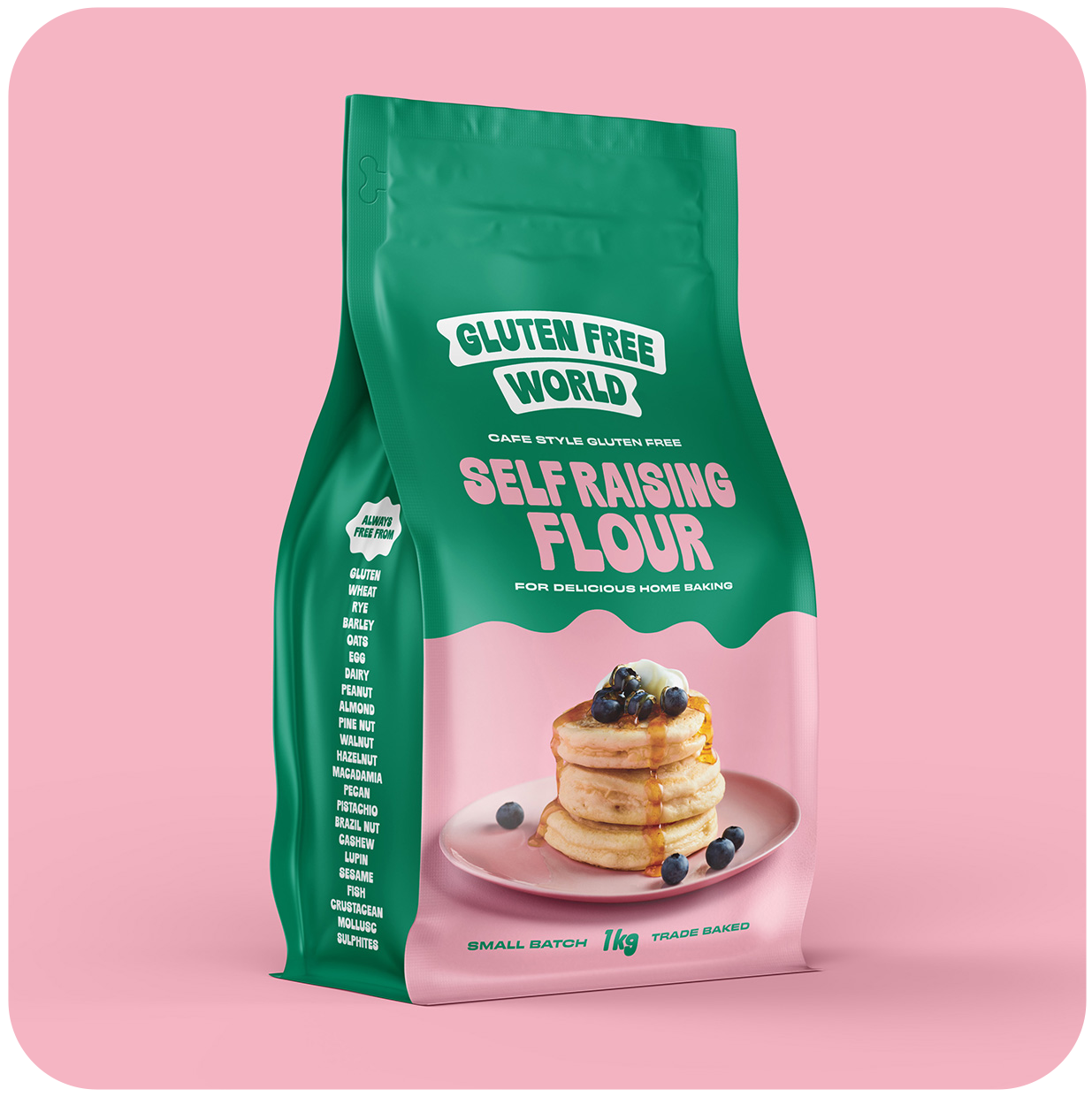
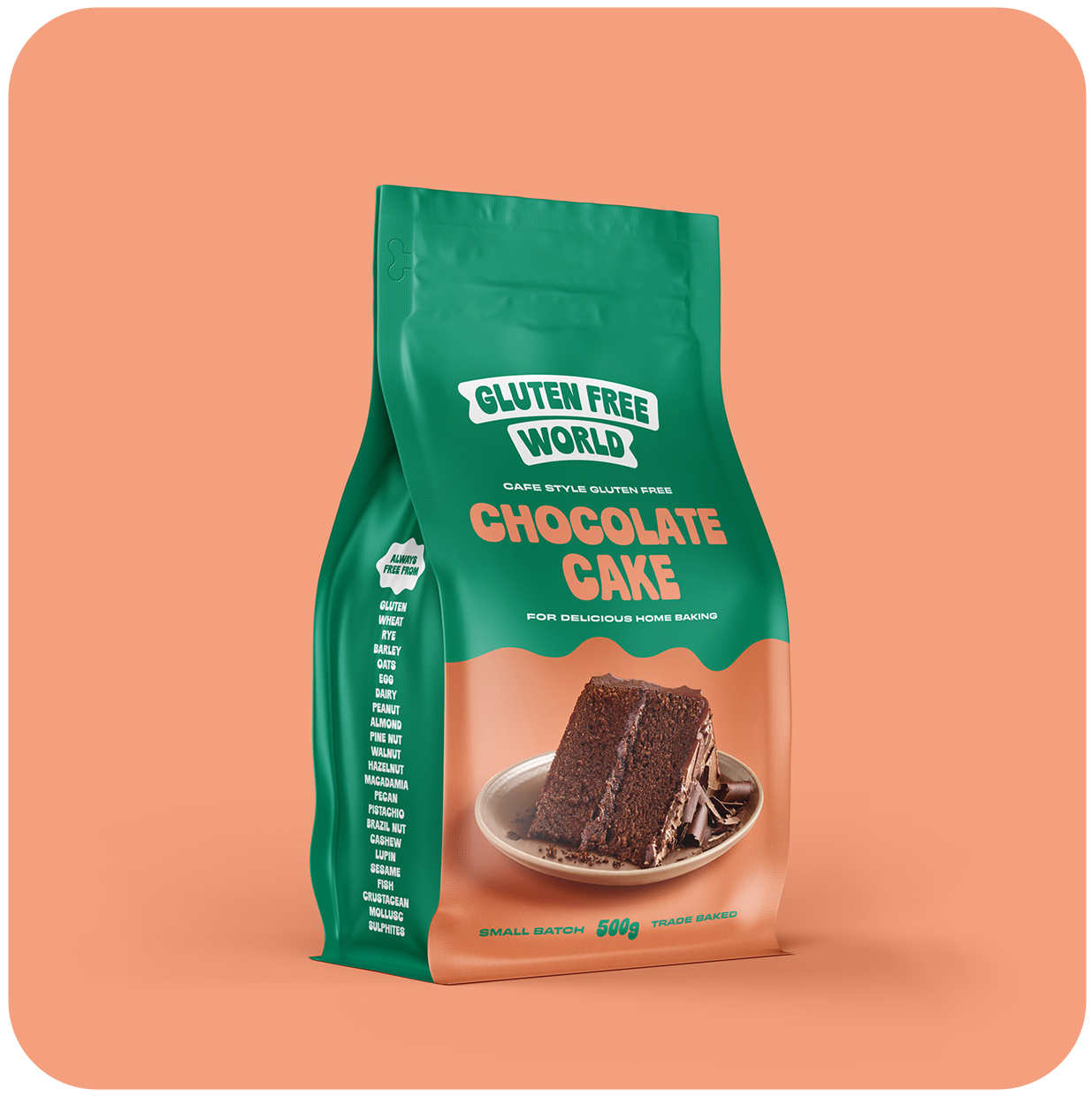
Gluten Free World focuses on making gluten-free baking practical, safe, and enjoyable for Australian homes, so pizza night feels normal again, rather than like a special project.
Why We Created Our Gluten-Free Baking Range
Our Gluten Free range was created to take the guesswork out of gluten-free baking for households and small food businesses. Each flour is developed for a specific purpose, including pizza-friendly options.
By offering a dependable gluten-free flour for pizza, we help home cooks spend more time on flavour and creativity instead of repeated trial batches. This support makes it far easier to put real pizza back on the menu for coeliac and allergy-sensitive families.
Our Commitment to Safety, Quality, and Allergen-Friendly Baking
We triple test our products and hold respected certifications, providing strong reassurance for coeliacs.
Our range is gluten-free, wheat-free, dairy-free, and egg-free, with vegan-friendly options that suit mixed-diet households and work reliably as gluten-free flour blends.
This focus on safety and consistency gives confidence that every bag of gluten-free pizza dough flour performs as expected.
Helping You Recreate Great-Tasting Pizza at Home
Our blends are created to deliver reliable texture and flavour, rather than basic functionality. Our pizza flours prioritise chew, lift, and crispness so crusts can support generous toppings.
With a quality gluten-free flour for pizza from our range, along with the techniques shared in this guide, café-style results at home feel much more achievable.
Our aim is simple: help you enjoy relaxed, great-tasting pizza nights where no one feels like they are missing out.
Making Gluten-Free Pizza a Joy, Not a Compromise
Gluten-free pizza becomes far less frustrating once your flour choice lines up with your crust goals and your dietary needs. With the right gluten-free flour blends, good hydration, and strong heat from below, you can serve pizza that genuinely excites people at the table.
There is no single perfect choice for everyone, but there is the best gluten-free flour for pizza for your home, your oven, and your family. Start with a trusted, certified gluten-free pizza dough flour, learn how it behaves, then tweak water, resting time, and baking temperature until the crust feels just right.
Gluten Free World makes that journey easier with carefully tested flours that support safe, delicious pizza nights. Explore their dedicated gluten-free flour for pizza options, stock up with confidence, and turn your next pizza night into something everyone looks forward to.
Shop Gluten Free online today, choose your ideal pizza flour, and get ready to serve gluten-free crusts that truly taste worth sharing.
