Professional-Grade Gluten Free Flours | Vegan & Allergy Friendly | Australia-Wide Delivery


· By R2R Team
How to Make Gluten‑Free Pizza Dough That Stretches and Crisps
Making gluten-free pizza dough that stretches without tearing and bakes into a crisp, chewy crust isn't about tricks or luck. It comes down to using a pizza flour designed for the job and handling it the right way.
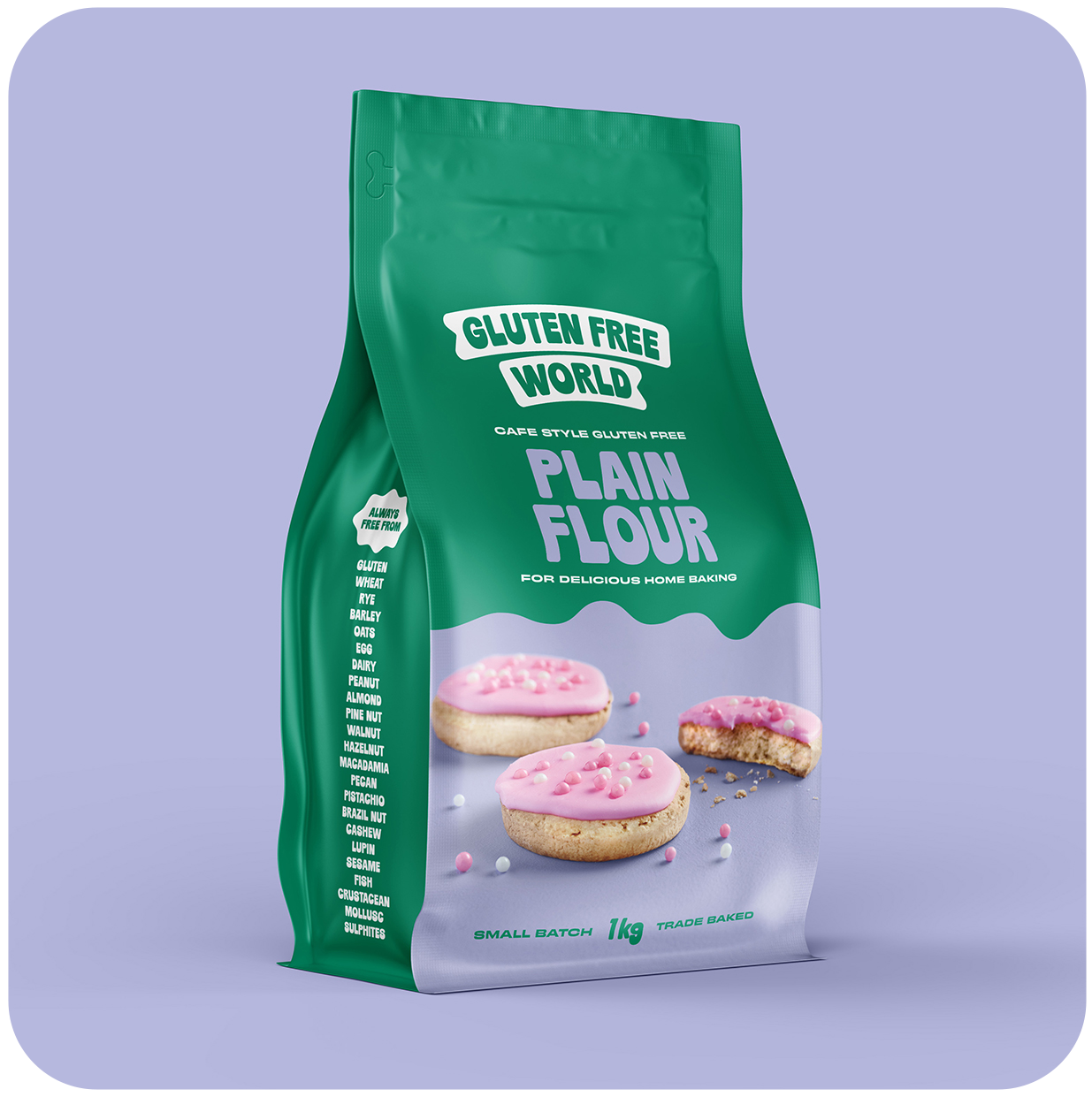
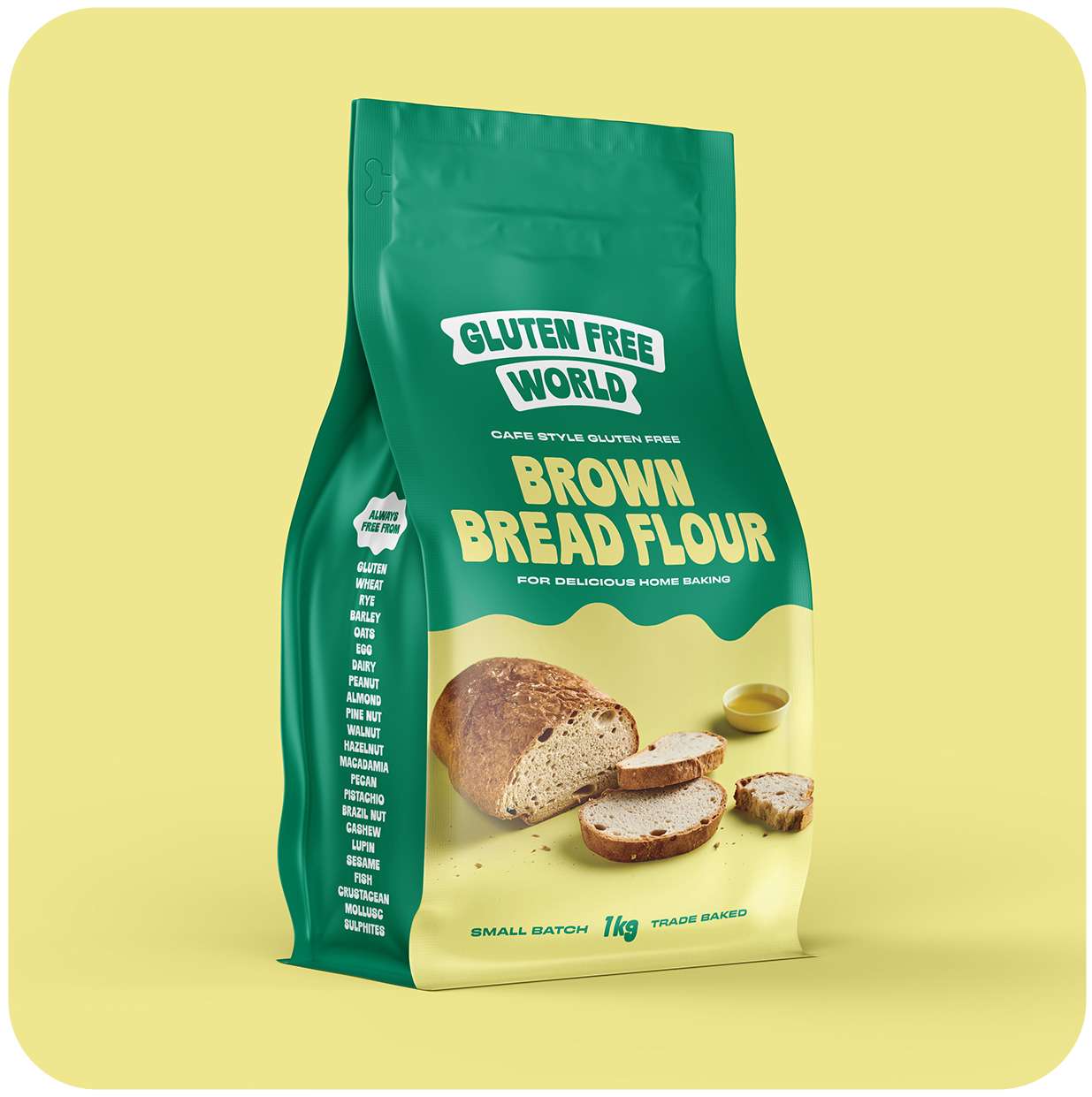
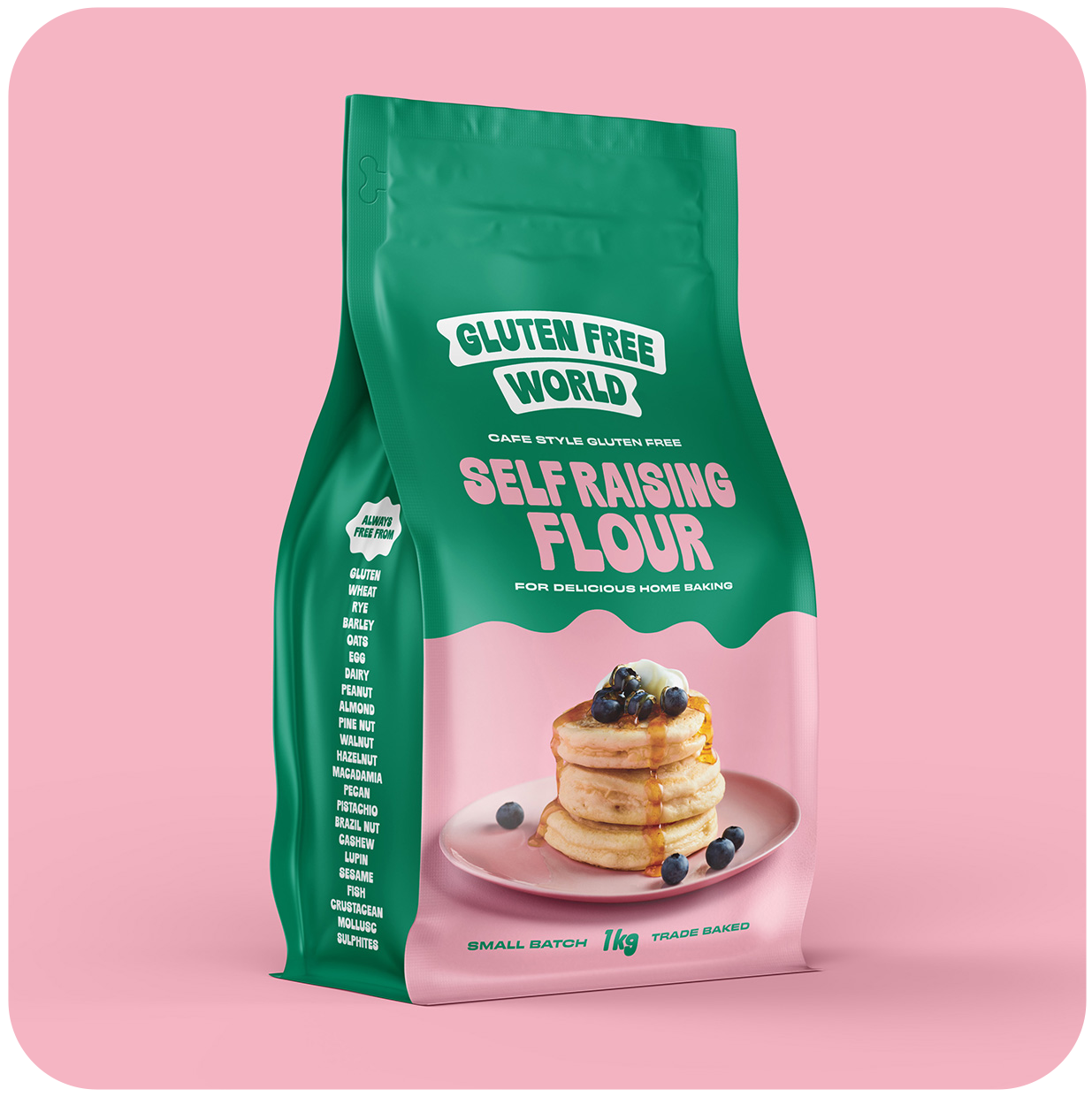
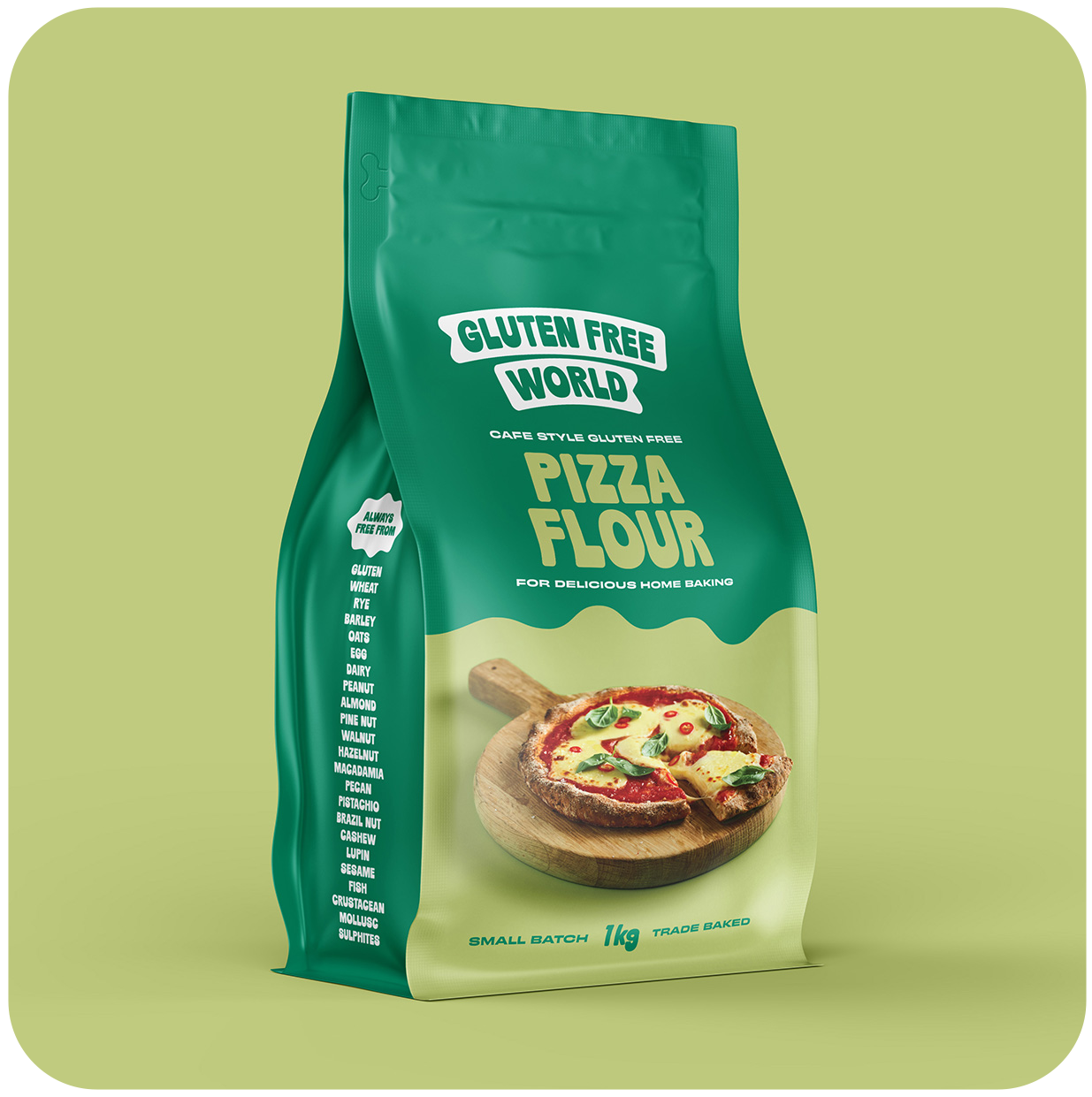
Unlike traditional wheat flour or gluten-free plain flour that's meant to be general-use gluten-free flour, Gluten Free World's pizza flour is formulated so the pizza dough behaves predictably: it hydrates well, holds together, and crisps properly. In other words, it helps you make the best gluten-free pizza, the kind of gluten-free food you can serve to family, friends, and even the skeptical "normal pizza" crowd.
This guide shows you exactly how to work with gluten-free pizza dough so it stretches cleanly, holds together, and crisps properly in the oven.
Start With the Right Expectations
Some people approach gluten-free pizza like a generic pizza dough recipe written for wheat flour. That's where frustration starts. With Gluten Free World's flour, you don't need to build a yeast mixture or worry about a long dough rise in a warm place, because the lift is designed to happen in the oven.
That said, people often search for terms like instant yeast and active dry yeast when they're looking for a gluten-free pizza solution. This guide is different: it's a practical technique guide for Gluten Free World's flour, where structure is supported by ingredients commonly used in gluten-free baking such as psyllium husk powder and starches like rice flour and tapioca starch, plus binders such as xanthan gum, and leaveners similar to baking powder (our flour includes raising agents, so you don't need to add them separately).
Step 1: Mix Until the Dough Changes
Stretch starts during mixing, not later. Your goal is to hydrate the flour thoroughly, so you don't end up with a tearing, cracking dough.
The first option is to use a stand mixer fitted with a dough hook. Add your dry and wet ingredients to the mixing bowl, then mix on low to medium speed until the dough becomes smoother and more elastic (around 5 minutes).
If you don't have a stand mixer, you can mix it by hand. Use a large mixing bowl and a rubber spatula or sturdy spoon. Press, fold, and stir firmly against the sides of the bowl until the texture changes and it starts to behave like one cohesive mass.
You'll know it's ready when:
-
It forms a smooth dough ball
-
It feels like soft dough (not stiff or crumbly)
-
It holds together when pressed, even if it's a bit sticky
Step 2: Hydration and Handling So It Stretches Without Tearing
GF dough may feel like a sticky dough at first. That's normal and often a sign you're on the right track, because hydration is what gives gluten-free dough flexibility.
Use warm water (not cold) to help the flour hydrate properly. If the dough is tearing or cracking, add a small splash of warm water and mix again. If it's extremely loose, you can add extra flour, but do so cautiously.
In practice, most people add more flour too fast, which dries the dough and makes it tear. If you truly need it, add more gluten-free flour in tiny amounts, then mix and reassess.
When shaping, avoid dumping flour onto the bench. Instead:
-
Oil your hands with olive oil (or olive oil spray)
-
Press from the centre outward using your fingertips
-
Rotate the base as you press so the thickness stays even
A rolling pin can work in some kitchens, but fingertip pressing gives you better control and fewer tears for gluten-free dough.
If the dough resists or tightens, pause and rest it for a minute. While resting, cover tightly with plastic wrap or a tea towel. This lets hydration settle so the dough stretches more easily.
If the dough feels persistently sticky, keep oiling your hands rather than adding flour.
Step 3: Shape the Base for Crisp Edges and a Soft Centre
Aim for a base that's even, with a slightly thinner centre and a slightly thicker rim. This helps the centre cook through while the edges crisp up into a proper gluten-free pizza crust with a chewy bite.
This matters more than people think, because moisture from tomato sauce, ready-made pizza sauce, and your desired toppings can soften the middle if the base is too thick.
This is also where you set yourself up for consistent pizza bases, whether you're making one large pizza or mini pizzas.
Step 4: Bake Hot, Then Par Bake When Needed

To crisp gluten-free pizza properly, heat is non-negotiable. Bake at 200°C fan-forced in a home oven, or 350–370°C in a pizza oven.
If you're using a pizza stone or baking stone, make sure it's fully preheated. A pizza peel and parchment paper can help with transferring the base cleanly.
If your oven isn't hot enough, par-bake the base first:
-
Bake the base without sauce/toppings for about 10 minutes to set the structure.
-
Remove it, add sauce and toppings, then finish baking.
You'll know you've nailed it when the crust is golden brown and you can lift a slice without it folding into a soft, underbaked centre.
Discover Our Full Gluten Free Product Range
Shop with confidence. See full product info, certifications, and the best Gluten Free Flours for your next bake.
Fine-Tuning for Consistent Results
If something goes off, use these adjustments:
-
Tearing when spreading: add a touch more warm water, rest covered, and press gently (don't pull).
-
Too sticky: keep hands oiled; don't dump in more flour too quickly.
-
Pale crust: preheat longer, use a stone, and bake hotter.
-
Soft centre: shape thinner in the middle and par-bake first.
Learning to read how the dough responds is what turns gluten-free pizza from unpredictable into repeatable.
Technique Makes Gluten-Free Pizza Dough Work
Gluten Free World's flour is engineered so gluten-free pizza dough can stretch, hold together, and crisp properly, without relying on yeast proofing. When you mix until it changes, hydrate it correctly, handle it with oil instead of extra bench flour, and bake it hot (with par-baking when needed), the dough works with you rather than against you.
That's how gluten-free pizza dough stretches cleanly, bakes golden brown, and produces pizza bases that don’t feel like a compromise, just proper pizza that everyone wants to eat.
Frequently Asked Questions
Does gluten-free flour work for pizza dough?
Yes, gluten-free flour can work for pizza dough, but the type of flour matters. Gluten-free pizza dough needs structure, moisture retention, and the ability to set properly under high heat. Many general-purpose gluten-free flours are designed for cakes or light baking and don't provide the elasticity or strength needed for pizza. For consistent results, it’s important to use a gluten-free flour blend that’s intended for bread or pizza-style doughs, rather than a plain all-purpose mix.
What makes gluten-free pizza dough different?
Gluten-free pizza dough is different because it doesn't contain gluten, which normally gives dough its stretch, strength, and chew. Instead, gluten-free dough relies on hydration, mixing, and alternative binders to create structure. As a result, it often needs more water, longer mixing, and gentler handling than wheat dough. Gluten-free pizza dough also tends to lift and set during baking rather than through long fermentation, which changes how it's mixed, shaped, and baked.
Can you use psyllium husk in gluten-free pizza dough?
Yes, psyllium husk is commonly used in gluten-free pizza dough because it helps replicate some of the properties of gluten. When psyllium is hydrated, it forms a gel that improves cohesion and elasticity, allowing the dough to stretch without tearing. Gluten Free World's pizza flour includes psyllium as part of its blend, which is why the dough becomes smoother and more workable as it mixes and rests. Thorough mixing and short resting periods allow the psyllium to fully absorb moisture, improving structure and making the dough easier to stretch and handle.
What are common mistakes when making gluten-free dough?
Common mistakes when making gluten-free dough usually relate to hydration, mixing, and handling. Under-hydrating the dough often leads to cracking or tearing, while stopping mixing too early prevents proper structure from forming. Adding too much extra flour during shaping can dry the dough out and handling it too aggressively can cause it to break apart. Baking at too low a temperature is another frequent issue, as gluten-free dough needs sufficient heat to set and crisp properly.
Can you freeze gluten-free pizza dough or pizza bases?
Yes, gluten-free pizza dough and pizza bases can be frozen successfully when handled properly. Unbaked dough can be frozen after mixing and shaping, as long as it’s well wrapped to prevent drying, and fully thawed before baking. Baked pizza bases can also be frozen once completely cooled, then reheated or baked directly from frozen. Freezing is a practical option for batch cooking, meal prep, or preparing pizza bases ahead of time without significantly affecting texture when reheated correctly.
