Professional-Grade Gluten Free Flours | Vegan & Allergy Friendly | Australia-Wide Delivery


· By R2R Team
Gluten‑Free Bread Flour in Australia: What to Look For
If you have ever tried baking gluten-free bread at home, you already know how frustrating it can be. Loaves rise in the oven only to collapse as they cool. Slices crumble instead of holding together, and the texture often feels dense or dry. For many home bakers across Australia, gluten-free bread feels far more difficult than it should be.
Part of the challenge is that many gluten-free flour blends are not designed for bread. Blends based heavily on rice flour, tapioca starch, or potato starch may work well for cakes, muffins, or pancakes. Still, they often struggle to provide structure, support fermentation, and retain moisture in bread recipes.
When searching for gluten-free bread flour Australia-wide, flour design and formulation make a significant difference. A flour blend purpose-built for bread, developed with the right balance of ingredients, helps make the baking process more predictable and the results more consistent, delicious, and reliable.
Why Bread Needs a Different Gluten-Free Flour
Bread is one of the most demanding gluten-free bakes. In traditional bread, gluten forms a flexible network that allows dough to rise, stretch, and hold together as it bakes.
This network is responsible for:
-
Structure and texture
-
Gas retention during fermentation
-
Lift and chew in finished loaves
When gluten is removed, that system disappears, and bread dough becomes much harder to control.
Many gluten-free flour blends are made to be versatile, working well in cakes, muffins, and other quick gluten-free recipes. Bread is different and demands fermentation, controlled hydration, and strong oven spring. Gluten-free baking is a different science, and bread quickly exposes weak flour blends through poor structure and texture.
What a Good Gluten-Free Bread Flour Should Contain

A good gluten-free bread flour must do more than replace wheat. It should create structure, support fermentation, and deliver consistent texture across gluten-free recipes, especially when choosing gluten-free bread flour in Australia.
-
Ingredients that build structure: Without gluten, bread flour relies on a balanced blend of ingredients such as rice flour, cassava- or corn-based starches, and whole-seed additions like linseed or teff to help the dough hold its shape and rise.
-
Hydration and elasticity support: Ingredients like psyllium and carefully selected gums help manage hydration, allowing the dough to stretch, trap gas, and bake into loaves with a soft, stable texture.
-
A clean, tested formulation: A quality gluten-free flour avoids unnecessary preservatives and excess sugar, is tested for consistency, and is free from wheat, dairy, egg, and tree nuts so that bakers can achieve reliable results with confidence.
When these elements are balanced correctly, the flour works as intended, producing bread that is versatile, predictable, and satisfying to bake.
What to Avoid in Gluten-Free Bread Flour
When gluten-free bread fails, it is usually because the flour is not designed for bread. Understanding what to avoid makes it much easier to choose a flour that actually works.
-
Flours built from a single starch: Bread needs balance. A gluten-free bread flour made from one dominant starch lacks the structure required for rise and texture, even when mixed carefully.
-
Blends designed for quick bakes: Many gluten-free range products are created for cakes or biscuits. These mixes perform well in short bakes but cannot support fermentation, which traditional bread relies on.
-
Flours that need constant fixing: If a flour only works after adding extra gums, oils, eggs, or other ingredients, it is not suited to bread. A good flour should work as its own blend without rebuilding the recipe every time.
-
Inconsistent or poorly tested mixes: When flour behaves differently from one bag to the next, results become unpredictable. This is one reason home bakers struggle to recreate great bread consistently.
This is why many people struggle with gluten-free traditional bread flour. When flour is not purpose-built for bread, even experienced bakers find results inconsistent. At Gluten Free World, our approach is to develop bread flour that removes guesswork and supports reliable baking.
What Changes When You Use the Right Bread Flour
When you use a gluten-free bread flour designed specifically for bread, the baking experience changes immediately. The dough becomes easier to work with, results feel predictable, and bread stops feeling like a compromise.
You can expect:
-
Dough that holds its shape instead of spreading or collapsing
-
A predictable rise during proofing and baking
-
An even crumb with consistent structure throughout the loaf
-
Bread that slices cleanly without crumbling
-
Loaves that stay fresher for longer after baking
This is the moment many bakers realise gluten-free bread can be genuinely good. With the right flour, you are no longer fixing problems as you go; you are baking with confidence.
Is Gluten-Free Bread Flour Only for Bread?

Gluten-free bread flour is designed primarily for bread, but it is often more adaptable than people expect. Because it supports structure and hydration, it can also be used for rolls, buns, sandwich loaves, and some enriched doughs, making it a practical product to keep in stock for everyday baking.
Many home bakers use bread flour as a reliable mix for scrolls or soft bread-style bakes where shape and texture matter. When the flour is plant-based and developed for bread, it performs consistently across these uses without constant adjustment.
It is not recommended for cakes or biscuits, but within bread-focused recipes, a high-quality gluten-free bread flour offers flexibility and great results. Used as intended, it becomes an easy choice to remember when you want dependable baking, not trial and error.
Choosing a Gluten-Free Bread Flour in Australia With Confidence
Choosing the right gluten-free bread flour in Australia comes down to trust, consistency, and understanding how the flour is made. When safety and reliable results matter, clarity makes the choice easier.
-
Made in Australia using carefully selected ingredients suited to local baking conditions
-
Developed by a coeliac baker who understands the challenges of gluten-free bread firsthand
-
Consistency and safety are supported through controlled production and batch testing.
-
Certified gluten-free and produced in a dedicated gluten-free facility
-
Designed to deliver reliable results in home ovens
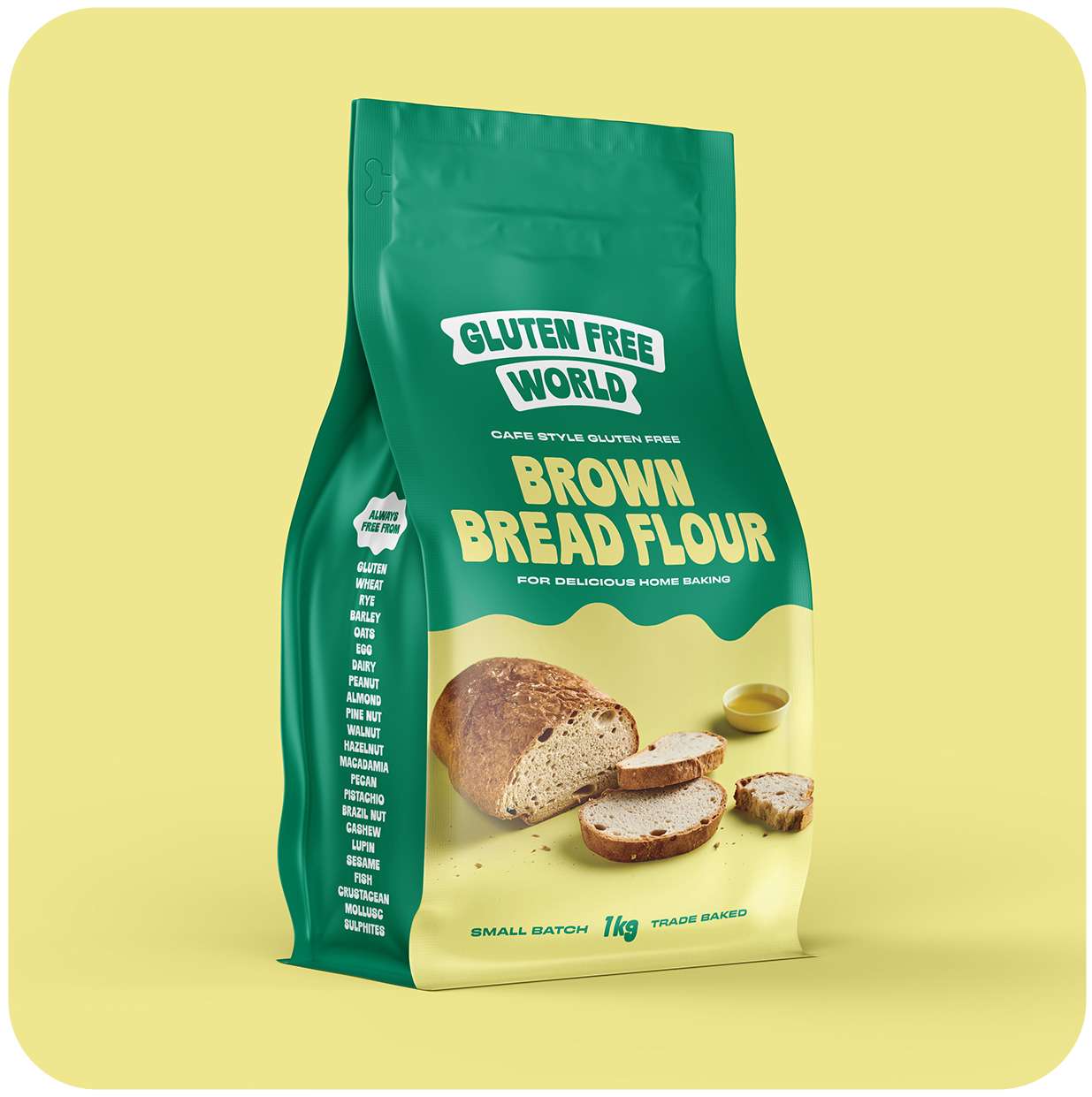
This approach is reflected in Gluten Free World’s gluten-free brown bread flour. When flour is designed with care and purpose, the focus shifts from fixing problems to baking with confidence.
Knowing What to Look For Makes All the Difference
Gluten-free bread becomes much easier when the flour is designed for the job. At Gluten Free World, this page reflects our focus on structure, fermentation, and consistency to support reliable baking. When those fundamentals are in place, gluten-free bread becomes something you can bake with confidence rather than trial and error.
Frequently Asked Questions
What makes a gluten-free flour suitable for bread baking?
A gluten-free flour works for bread when it is designed to support structure, fermentation, and moisture. Bread flour holds gas during proofing and baking, helping loaves rise properly and bake with a stable crumb.
Can gluten-free bread flour be used for other recipes?
Yes, within reason. Gluten-free bread flour works well for rolls, buns, sandwich loaves, and enriched doughs, but it is not suitable for cakes, biscuits, or recipes that rely on a light batter-style texture.
Why does gluten-free bread often turn out dense or crumbly?
This usually happens when the flour cannot retain moisture or support fermentation. General-purpose gluten-free flours often lack the structure needed for bread, causing loaves to collapse or dry out as they cool.
Is bread flour different from gluten-free plain or purpose flour?
Yes. Gluten-free bread flour is formulated specifically for bread baking, while plain or purpose flours are designed for quick bakes. Bread flour supports rise, structure, and texture in ways that general-purpose flour cannot.
How should gluten-free bread flour be stored?
Store gluten-free bread flour in a cool, dry place in a sealed container. Keeping it away from heat, moisture, and strong odours helps maintain consistency and baking performance over time.
