Professional-Grade Gluten Free Flours | Vegan & Allergy Friendly | Australia-Wide Delivery


· By R2R Team
Gluten‑Free Bread Flour vs All‑Purpose: When to Choose Each
Gluten-free bread can be a little bit magical when it’s done well: a warm crust, a soft centre, slices that actually hold together for sandwiches. But it can also be… frustrating. Dense loaves, gummy middles, crumbly slices, and that feeling of “I followed the recipe—why didn’t it work?”
A big part of the answer comes down to choosing the right flour for the job. In this guide, we’ll break down when to reach for gluten free bread flour, when an all-purpose gluten-free blend makes more sense, and where a gluten free bread mix can save you time (and disappointment). We’ll also clear up the common confusion around self raising gluten free flour bread, and share practical troubleshooting for real Aussie home kitchens.
The big difference: what bread flour is designed to do vs all-purpose

Before we talk recipes, it helps to understand the “job description” of each flour type. Bread flour—gluten-free or not—is designed to build structure, support rise, and create a chewy, sliceable crumb. All-purpose flour is designed to be versatile across lots of baked goods, which often means it’s softer and less structured.
In gluten-free baking, these differences are even more noticeable. Choosing the right flour isn’t about being fancy—it’s about setting yourself up for success, especially if you’re baking for coeliac disease or multiple allergies.
Why gluten-free bread needs a “structure system”
In traditional bread, gluten forms an elastic network that traps gas from yeast fermentation. That’s what gives bread its lift, chew, and that satisfying “pull” when you tear a slice. Without gluten, we need a different “structure system” to do the same job—usually a combination of binders (like psyllium, xanthan, or similar fibres), hydration management, and the right flour/starch blend.
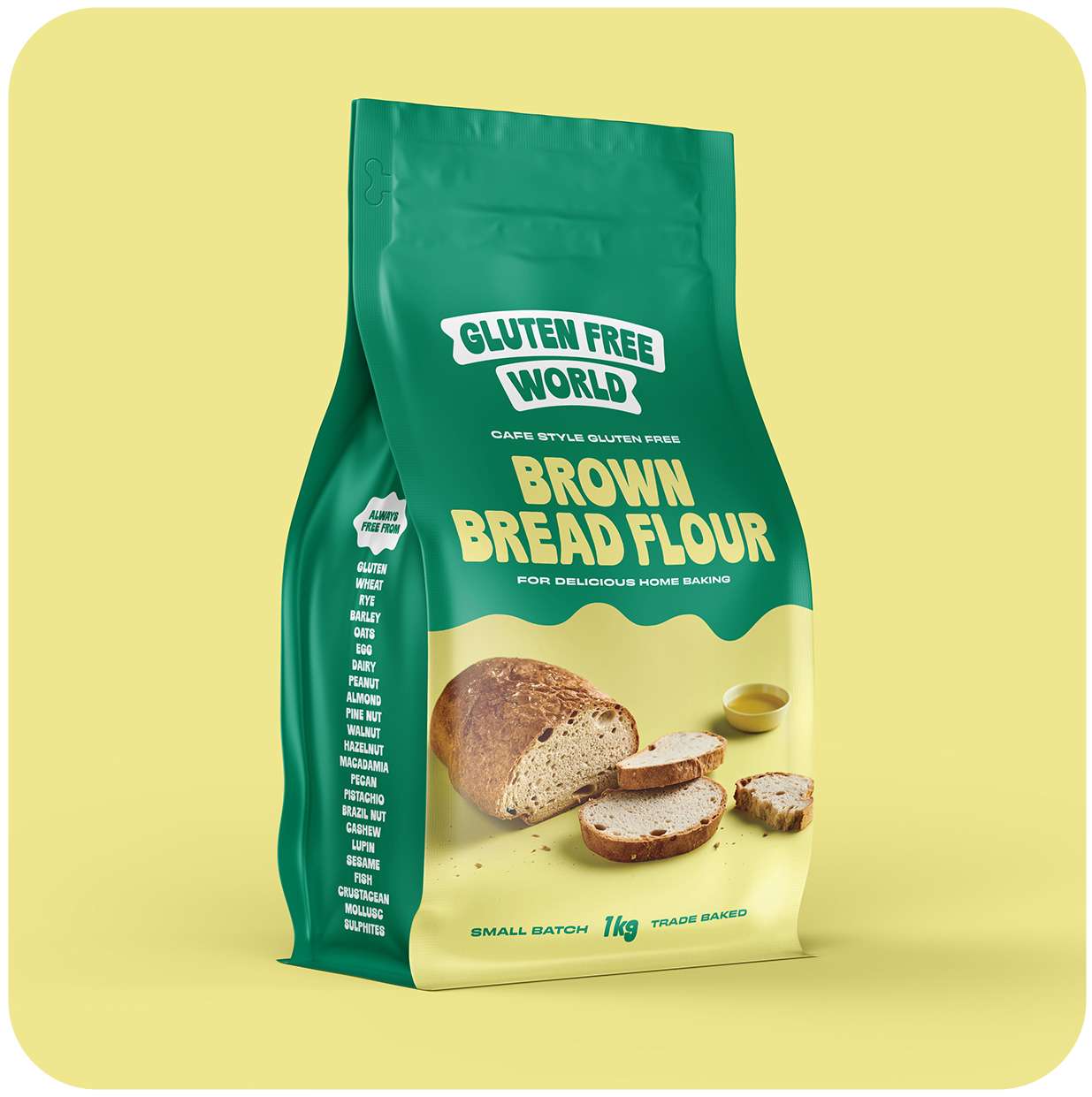
That’s where gluten free bread flour shines. It’s typically built specifically to support yeast doughs: stronger structure, better gas retention, and improved sliceability. When people first switch from a general blend to gluten free bread flour, the biggest change they notice is that the loaf holds together better—less crumbling, more sandwich-ready texture.
What “all-purpose” means in gluten-free (and why it varies by brand)
“All-purpose” in gluten-free baking isn’t as standardised as it is with wheat flour. One brand’s “all-purpose” may be light and starchy (great for cakes and biscuits), while another may be heavier and more wholegrain-forward (great for muffins but not as airy for bread). That’s why gluten-free flours can feel inconsistent: even if two bags look similar, they can behave very differently in the oven.
All-purpose blends are fantastic when you want flexibility—pancakes, biscuits, banana bread, thickening sauces, quick bakes. But for a tall, chewy yeast loaf, an all-purpose blend may struggle unless the recipe is designed for it. If your goal is consistent loaves, that’s often when you consider buy gluten free bread flour or a dedicated bread blend.
When to choose gluten-free bread flour (best use cases)

If you bake yeast bread regularly—or you want to start—this is where gluten free bread flour earns its keep. The “best use cases” are the ones where structure and elasticity matter most: tall loaves, rolls, buns, and pizza bases that don’t feel cakey.
In practical terms, bread flour is for the bakes where you want to slice, toast, and build a sandwich without the bread turning into crumbs in your hands.
Yeast loaves and sandwich bread
Yeast loaves are the #1 reason to use gluten free bread flour. Yeast fermentation creates gas over time, and the dough needs a strong structure to trap that gas and rise upward. A bread-focused flour helps the dough hold shape during proofing, expand well in the oven, and set into a crumb that slices neatly once cool.
This is especially helpful if you bake for kids’ lunches or family breakfasts. Sandwich bread needs to be soft but stable—thin enough to bite, strong enough to hold fillings. If you’ve been getting crumbly slices with an all-purpose blend, switching to gluten free bread flour (or a bread-specific recipe) is often the simplest fix.
For dairy-free or egg-free loaves, structure can be even trickier. Bread flour helps because it contributes to the overall “support system” when other traditional structure boosters (like eggs in enriched doughs) aren’t present.
Pizza bases, rolls, and soft buns
Soft rolls and buns can be some of the hardest gluten-free bakes to master, because we want them fluffy and tender but not sticky or gummy. Gluten free bread flour often performs better here because it’s designed to create a stronger crumb with improved elasticity (in gluten-free terms), which helps buns rise without collapsing.
Pizza bases are another win—especially if you want chew rather than a cake-like bite. A bread-specific flour can help your dough hold bubbles and create a better crust edge. The result is closer to “real pizza night,” which is exactly what many health-conscious, gluten-free households want: normal joy, normal rituals, just made safer.
Artisan-style bakes (if you’re chasing bakery vibes)
If you’re aiming for that bakery look—rustic crust, open-ish crumb, a loaf that feels impressive—bread flour is the tool that makes it more achievable. Artisan-style gluten-free baking usually involves higher hydration, careful fermentation, and often steam in the oven to support oven spring and crust development.
A dedicated gluten free bread flour blend tends to make these results more repeatable. You still need technique (hydration and proofing matter), but you’ll get more predictable behaviour than you might with a general all-purpose flour.
When to choose gluten-free all-purpose flour (best use cases)
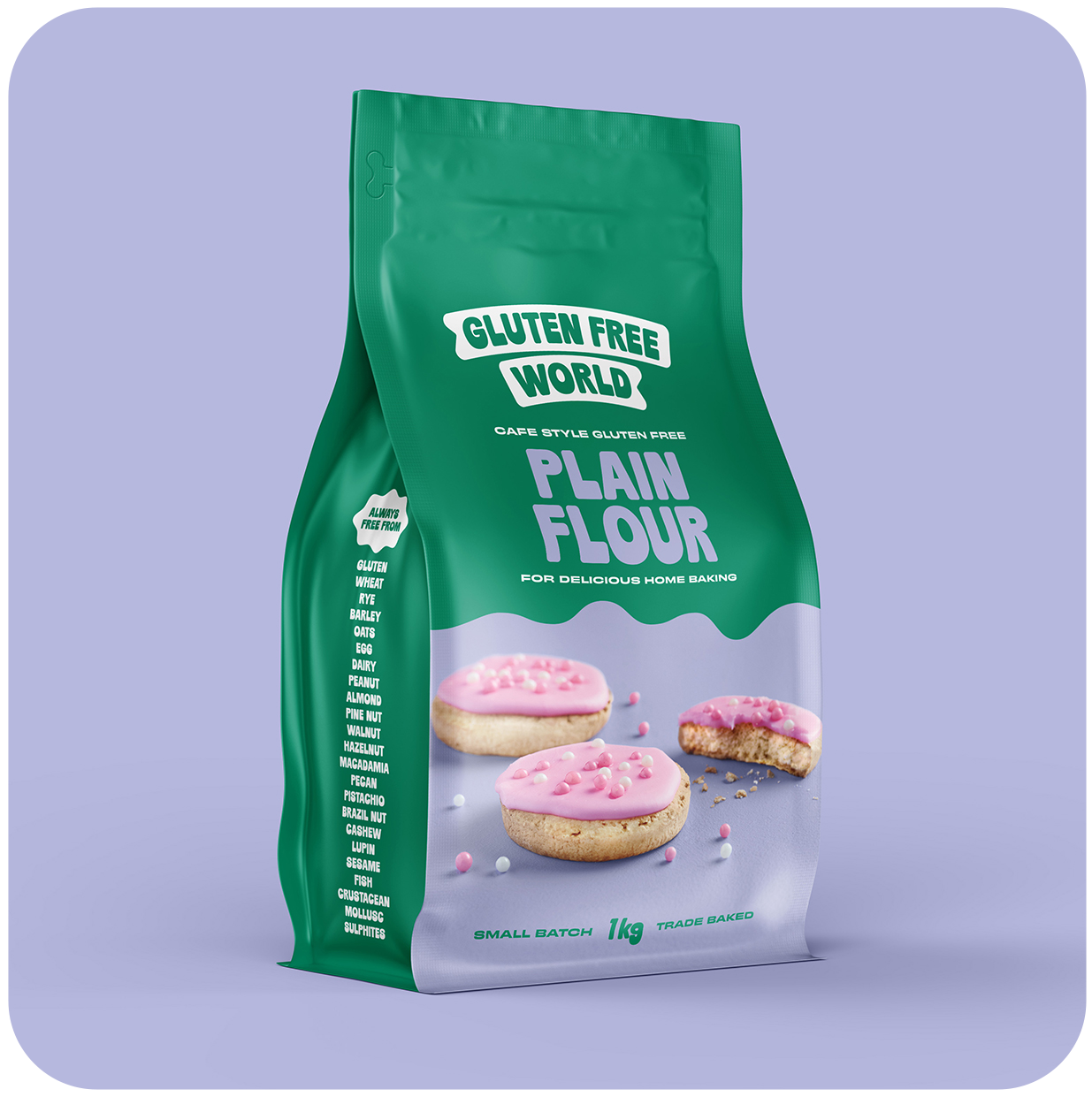
All-purpose gluten-free flour is your everyday workhorse. It’s often more cost-effective, easier to find, and better suited to quick bakes where you want a soft, tender, cake-like texture rather than chew. If bread flour is about structure, all-purpose is about versatility.
It’s also the better option when you don’t want a “bready” crumb—like for muffins, pancakes, and some sweet loaves.
Quick breads, muffins, and banana bread-style loaves
Quick breads (like banana bread-style loaves) are typically leavened with baking powder or bicarb rather than yeast. These bakes usually want a tender crumb and a slightly cake-like texture. For that, all-purpose gluten-free flour often does a great job—especially when paired with moisture-rich ingredients like banana, yoghurt-style alternatives, apple purée, or grated zucchini.
Using gluten free brown bread flour for these can sometimes make the texture feel heavier or more “chewy” than you want. If your goal is a soft slice with a gentle crumb, a good all-purpose blend is usually the smarter choice.
A helpful guideline: if the recipe mixes and bakes in under an hour without proofing, all-purpose flour is often the best fit.
Biscuits, pancakes, and everyday baking
Biscuits, pikelets, pancakes, and simple slices benefit from a flour that’s light and easy to work with. All-purpose blends are designed for this flexibility. They’re also easier for busy households: one flour that can do multiple jobs without overthinking.
If you’re baking a lot of quick items, it’s worth having a dependable all-purpose flour and learning how it behaves. Consistency is a huge part of stress-free gluten-free baking—especially when you’re feeding kids or baking for gatherings.
This is also where people sometimes get confused and reach for self-raising flour. We’ll cover self raising gluten free flour bread properly later, but the short version is: self-raising flour is usually better for quick bakes than yeast bread.
Sauces, crumbs, and coating
All-purpose gluten-free flour is often the better choice for non-bread jobs: thickening gravies, making roux, coating chicken or tofu, or adding a light dusting to baking trays. It’s usually finer and more neutral, which helps avoid gritty texture in sauces and batters.
Bread flour blends may contain binders and fibre systems that are brilliant for loaves but can feel odd in sauces (thicker, more gel-like). For everyday kitchen uses beyond bread, all-purpose flour is usually the practical winner.
Bread mix vs flour: what’s the difference and who should use what?
If you’ve ever thought, “I just want bread that works,” you’re exactly who bread mixes are for. A gluten free bread mix is typically designed as a more complete system than flour alone: it often includes a specific flour blend plus binders, and sometimes added ingredients that improve structure and handling.
In other words, a mix is usually engineered to reduce failure points. It’s not “cheating”—it’s just a different tool that can make gluten-free baking more approachable.
Why bread mixes can be more foolproof
Bread is a complex bake, even with gluten. In gluten-free baking, that complexity increases because structure is more fragile and timing matters more. The biggest advantage of a gluten free bread mix is consistency: the ratios are tested, the instructions are designed to work with the blend, and the mix is made for bread outcomes specifically.
That’s why many people call a mix their “weeknight bread” solution. The best gluten free bread mix for your household is usually the one that:
-
Gives repeatable rise and crumb
-
Has clear, realistic instructions
-
Produces slices that hold together after cooling
If you’re new to baking gluten-free bread, or you’re baking for coeliacs and want to reduce risk and waste, starting with a mix is often the fastest path to confidence.
When flour is better than a mix
Flour gives you flexibility. If you like developing your own recipes, adjusting hydration, experimenting with sourdough-style methods, or tailoring ingredients for allergies, flour can be the better option. Flour is also useful if you bake frequently and want to buy in larger quantities.
If you’re already comfortable with technique, gluten free bread flour lets you dial in results for your oven, your climate, and your preferences. That control can be satisfying—and it can produce truly excellent bread once you know what you’re doing.
What to check on the label (especially for allergies)
Whether you choose flour or mix, labels matter—especially for households managing coeliac disease, dairy-free needs, egg-free needs, or vegan baking. Gluten-free doesn’t automatically mean allergen-friendly across the board.
When comparing a gluten free bread mix or bread flour, check:
-
Allergen statements (including “may contain”)
-
Whether it’s wheat-free as well as gluten-free (important for wheat allergy)
-
Any dairy/egg ingredients included in the mix
-
Transparency about processing and testing (helps build trust)
The more transparent the brand, the easier it is to make safe decisions for your family.
Can you use self-raising gluten-free flour for bread?

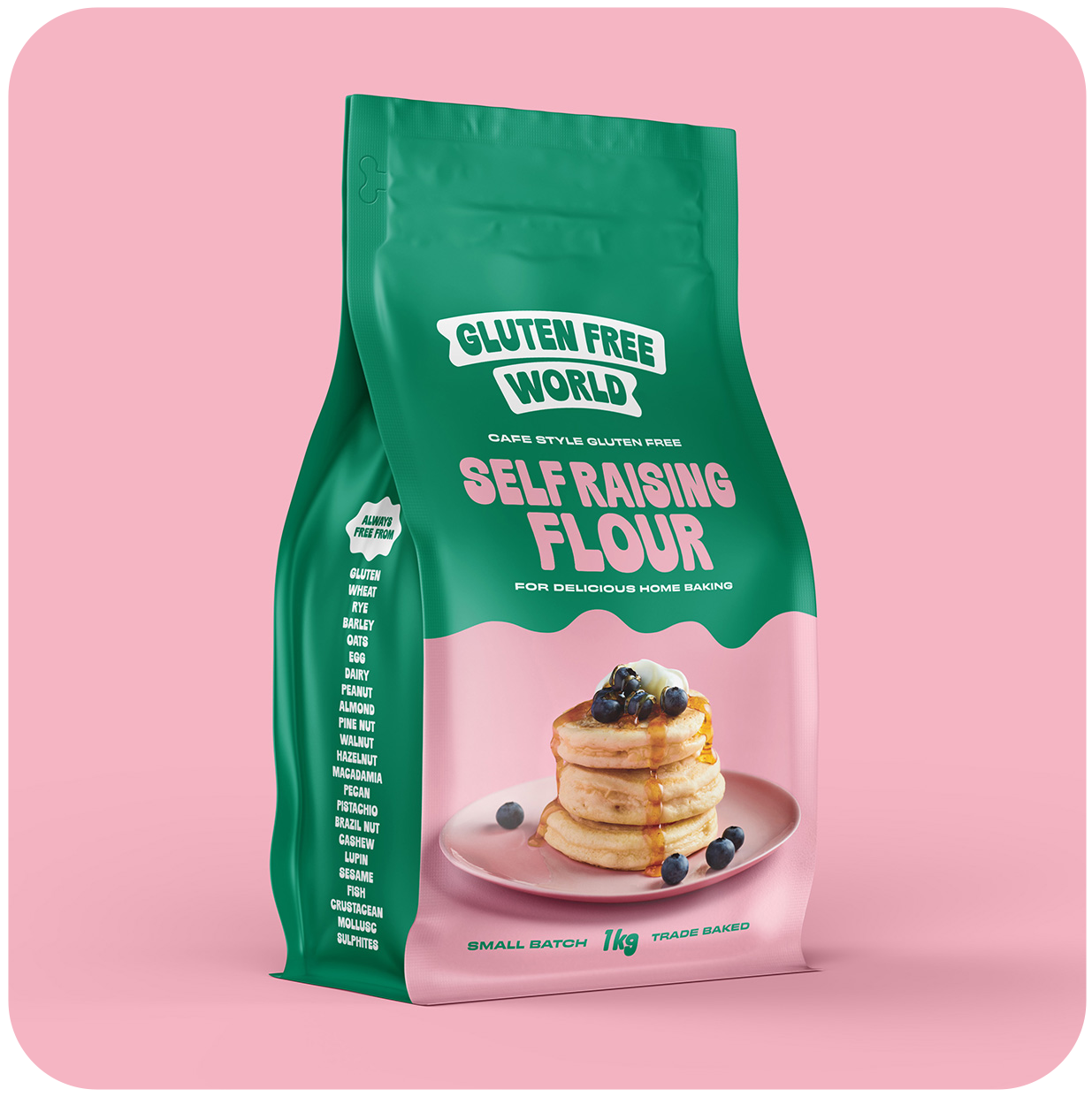
This is a common question—and it makes sense, because “self-raising” sounds like it should make bread rise. But yeast bread and self-raising flour rise for different reasons and on different timelines. Self raising gluten free flour bread can work in certain styles of “bread,” but it’s not a direct substitute for yeast baking.
If you’re craving a quick, rustic loaf without proofing time, self-raising flour can be a great option. If you want a tall, chewy sandwich loaf, it’s usually not the right tool.
Best recipes for self-raising flour “bread”
The best use of self raising gluten free flour bread is in quick breads—loaves that rise from baking powder rather than yeast fermentation. These breads are often rustic, tender, and best served fresh.
Great options include:
-
Soda bread-style loaves (often using yoghurt-style ingredients or vinegar for lift)
-
Damper-style breads (simple, hearty, best warm)
-
Savoury scone-style loaves (cheesy, herby, quick to make)
These are fantastic for busy nights and last-minute side dishes. The texture is usually more “quick bread” than “sandwich bread,” so go in with the right expectation and you’ll enjoy it far more.
Why it usually fails for yeast bread
Yeast needs time to ferment and create gas, and the dough needs structure to trap that gas. Self-raising flour contains baking powder, which activates quickly when wet and again in heat. That timing doesn’t match yeast fermentation, which is slower and depends on dough development.
When people try to use self raising gluten free flour bread methods for yeast loaves, they often end up with:
-
Odd, uneven rise (big bubbles, then collapse)
-
Dense crumb because structure didn’t form properly
-
A taste that’s more “scone” than “bread”
If your goal is yeast bread, you’ll get better results with gluten free bread flour or a gluten free bread mix designed for yeast baking.
Troubleshooting guide: if your loaf is dense, gummy, or crumbly
Even with the right flour, gluten-free bread can be sensitive to hydration, proofing, and baking time. The good news is that most problems have common causes—and common fixes. If you can identify the symptom, you can usually fix the next loaf with one or two changes.
This section is designed to be practical: quick diagnosis, clear action, no overwhelm. Keep it handy the next time your loaf doesn’t behave.
Dense loaf (didn’t rise)
A dense loaf usually means one of two things: the dough didn’t generate enough gas, or it couldn’t trap the gas it generated. Old yeast, cold proofing conditions, too little hydration, or using an all-purpose blend not designed for bread are common culprits.
Fast fixes to try:
-
Proof in a warmer spot (but not hot—aim for comfortably warm).
-
Check yeast freshness (if in doubt, replace).
-
Increase hydration slightly (GF dough often needs more water than you expect).
-
Switch to gluten free bread flour or try a gluten free bread mix for a more robust structure system.
If you want fewer variables, a gluten free bread mix is a great “reset button” while you build confidence.
Gummy centre
Gumminess is common in gluten-free bread, and it’s usually about moisture and baking time. Gluten-free loaves often need longer baking (sometimes with a lower heat finish) to fully set the crumb. Slicing too early is another big cause—gluten-free bread needs time to cool and firm up.
Helpful fixes:
-
Bake longer and consider tenting with foil if browning too fast.
-
Use a thermometer if you have one (internal temperature helps confirm doneness).
-
Cool completely before slicing (seriously—it matters).
-
If your recipe is very wet, reduce water slightly next time or use gluten free bread flour for stronger structure.
Gummy bottoms can also come from using the wrong pan size or an oven that runs cool—an oven thermometer can be a game changer.
Crumbly slices
Crumbly bread usually means the loaf lacks binding support or moisture balance. It can also happen if the bread is stale or stored poorly (gluten-free bread dries out faster than wheat bread). Using a flour blend that’s too light or not designed for bread can contribute as well.
Try these fixes:
-
Switch to gluten free bread flour to improve structure and sliceability.
-
Consider a gluten free bread mix if you want a more tested system.
-
Increase moisture slightly (or use ingredients that retain moisture).
-
Store properly: airtight container, slice then freeze for best texture over time.
If your bread is always crumbly no matter what you do, it’s often a sign the flour blend doesn’t match the recipe.
Shopping and storage tips in Australia (so your flour performs better)
Buying gluten-free bread products in Australia is much easier than it used to be, but the range can still feel overwhelming. The best shopping strategy is to choose based on how you bake: frequency, dietary needs, and the kind of bread you want to eat. Once you’ve chosen well, storage becomes the next big factor—because freshness and humidity affect performance.
This section helps you buy smarter and store better, so your flour behaves more predictably and stays coeliac-safe.
What to consider when you buy
Before you buy gluten free bread flour or choose a mix, think about your goals and constraints. Do you need a product that’s easy and consistent, or do you want flexibility? Are you baking for multiple allergies? Do you want sandwich bread, pizza bases, or quick loaves?
A quick buying checklist:
-
Intended use: bread flour for yeast breads; all-purpose for general baking.
-
Transparency: clear ingredient list and allergen information.
-
Dietary fit: dairy-free/egg-free/vegan needs if relevant.
-
Consistency: look for products that emphasise repeatable results (especially if baking for coeliacs).
If you’re new to bread, starting with a traditional bread flour option can reduce waste and speed up your learning curve.
Storage for freshness (and better rise)
Gluten-free flours and mixes can absorb moisture, especially in humid conditions. Moisture reduces performance, affects texture, and can lead to clumping. To keep your gluten free bread flour and mixes performing well, treat storage as part of baking.
Best practices:
-
Transfer flour to an airtight container after opening.
-
Label the container with the date opened.
-
Store in a cool, dry pantry (or fridge/freezer if you’re in a very humid area).
If your flour smells off, looks damp, or bakes inconsistently, it may be past its best—even if it’s technically within date.
Keeping it coeliac-safe at home
In shared households, flour dust is a real cross-contamination risk. If wheat flour is used in the same kitchen, keep gluten-free flours sealed and separate. This is especially important for coeliac households, where small amounts of gluten can be harmful.
Simple coeliac-safe habits:
-
Store gluten-free flour on a dedicated shelf (ideally above gluten flours).
-
Use a dedicated scoop stored inside the container.
-
Avoid sharing toasters, bread boards, and butter containers with gluten bread.
These steps help protect the effort you put into baking and give you peace of mind when serving your bread.
How we help you choose the right flour or mix for your best loaf

At Gluten Free World, we know that gluten-free bread isn’t just a hobby—it’s often a daily need. Many of our customers are baking for coeliac disease, gluten intolerance, and multiple food allergies, and they want bread that’s safe, consistent, and genuinely enjoyable to eat. That’s why we focus on premium products designed to help home bakers and small businesses get dependable results.
We also know people don’t want ten different products for ten different recipes. Our aim is to make it simpler to choose between gluten free bread flour and a gluten free bread mix, so you can bake with confidence and actually enjoy the process.
Our approach to café-style gluten-free bread at home
We’re big believers in “café-style” being achievable at home—soft crumb, satisfying chew, slices that hold together, and bread that doesn’t feel like a compromise. For that, structure matters. We focus on blends that support rise and sliceability, because those are the moments where many gluten-free loaves fall short.
We also care about repeatability. When a baker finds a method that works, they should be able to repeat it without the loaf “randomly” failing. Consistency is what turns gluten-free bread from a frustrating experiment into a reliable routine.
Choosing between our bread flour and bread mixes
We generally recommend starting with a gluten free bread mix if you want the simplest path to success. Mixes are designed to reduce variables and give you clear instructions, which is ideal for beginners, busy parents, and anyone who wants dependable bread without lots of tweaking. For many households, the best gluten free bread mix is the one that becomes a pantry staple—quick to make and consistently sliceable.
If you want more flexibility—custom flavours, different hydration styles, shaping rolls or pizza bases—gluten free bread flour is often the better tool. It gives you control to adapt recipes, experiment with fermentation, and build a baking routine that suits your exact preferences. And for many customers, it makes sense to buy gluten free bread flour once they’re ready to branch out from mixes.
Baking for multiple dietary needs
A lot of gluten-free households are also navigating dairy-free, egg-free, or vegan preferences, plus other allergies. We keep those needs in mind because the “best loaf” isn’t just about texture—it’s about whether everyone at the table can safely enjoy it. Our goal is to help people bake bread that fits real-life dietary requirements without losing the satisfaction of a proper slice.
We want gluten-free baking to feel simpler, safer, and more enjoyable—so you can spend less time troubleshooting and more time making food you’re proud to share.
Conclusion
When it comes to gluten-free bread, flour choice is a big lever you can control. Reach for gluten free bread flour when you want yeast loaves, buns, pizza bases, and that sliceable sandwich texture with better chew and structure. Choose an all-purpose gluten-free blend when you want versatility for muffins, biscuits, pancakes, and everyday cooking. And if you want a more straightforward path to consistent results, a gluten free bread mix—especially a best gluten free bread mix you trust—can make bread baking feel far less complicated.
If you’re unsure where to start, pick one option, do a simple baseline bake, and take notes on your oven and your results. Gluten-free bread gets easier (and better) quickly once you match the right product to the right bake—and once you do, you’ll be surprised how “normal” homemade bread can feel again.
