Professional-Grade Gluten Free Flours | Vegan & Allergy Friendly | Australia-Wide Delivery


· By R2R Team
Gluten-Free Cake Mix vs Scratch Baking: Which Is Better for Cafés?
For cafés, the question of gluten-free cake mix vs. scratch often comes down to what works best in the kitchen, day to day. It is not just about flavour. It is also about time, staff capacity, consistency, and how easily you can produce cakes that hold up well in service.
Some cafés prefer a scratch recipe because it gives them more control over the final product. Others use a gluten-free cake mix to make baking more manageable, especially when they need reliable gluten-free baked goods without adding too much complexity to the day.
Why Gluten-Free Baking Can Be Challenging
Gluten-free baking can be harder to manage in a café setting because small changes in ingredients or method can affect the final result. A cake can turn out dry, dense, crumbly, or uneven more easily than a regular wheat-flour cake.
Some of the most common challenges include:
-
Getting the texture right without wheat flour or cake flour
-
Balancing starches like potato starch and tapioca starch with other basic ingredients
-
Keeping cakes moist without making them too heavy
-
Making sure wet ingredients and dry ingredients are measured consistently
-
Avoiding products with artificial flavors when quality matters
-
Managing different dietary needs, such as gluten sensitivity or egg-free baking
-
Training staff to repeat the same process across every batch
For cafés, these issues affect more than just baking. They also affect prep time, consistency, waste, and whether your gluten-free baked goods are good enough for customers to order again.
Scratch Baking: Pros and Cons
Scratch baking gives cafés more control over the result. It can be a good fit if you want to shape your own gluten-free recipes, build a stronger point of difference, and tailor each cake to your kitchen.
Pros
-
More control over flavour, texture, and ingredient quality.
-
Easier to build a good recipe around your customers and menu.
-
Useful for custom bakes like carrot cake, pound cake, red velvet, or a wedding cake.
-
Gives you room to accommodate egg-free options or customers who avoid gluten.
-
Works well if your team has strong baking and decorating skills.
Cons
-
Takes more time, testing, and staff training.
-
Results can vary if measurements or methods are not consistent.
-
Some recipes need more than a few ingredients, such as almond flour and baking powder.
-
In gluten-free baking, small mistakes can affect the texture more quickly.
-
Poorly balanced recipes can taste terrible and lead to more waste.
Scratch baking suits cafés that want more control and are willing to put time into the process. It can produce a really tasty cake, but it usually requires more effort in the kitchen than simpler options like yellow cake mix, white cake mix, or other cake mix recipes.

Gluten-Free Cake Mixes: Pros and Cons
Gluten-free cake mixes can make café baking easier to manage. They are often used when consistency, speed, and simpler prep matter more than making every cake from scratch.
Pros
-
Faster to prepare during a busy service.
-
Easier for staff to follow and repeat.
-
More consistent across batches.
-
Helps with portion control and waste.
-
Useful when you want reliable gluten-free baked goods without a long prep process.
Cons
-
Less control over the recipe from the start.
-
Some mixes may have a texture or flavour that feels more basic.
-
It may take some testing to find one that works well in your kitchen.
-
Some cafés may want more control than a standard mix gives on its own.
-
A poor-quality mix can still produce a cake that feels dry, dense, or too sweet.
For cafés, cake mixes can be a practical option when the goal is steady output with less pressure on staff. They may not give the same level of control as scratch baking, but they can save time and still produce a cake that works well in a commercial setting.
Discover Our Full Gluten Free Product Range
Shop with confidence. See full product info, certifications, and the best Gluten Free Flours for your next bake.
Cake Mix vs Scratch Baking: What Should You Prioritise?
When comparing cake mix vs. scratch baking, the main question is: what does your kitchen need most? For many cafés, the priority is not just flavour. It is also consistency, speed, labour, cost control, and how easy the process is to repeat during a busy service.
|
Priority |
Gluten-Free Cake Mix |
Scratch Baking |
|
Consistency |
Easier to repeat across batches |
It can vary more depending on the method and the staff |
|
Speed |
Faster to prepare and bake |
Slower, with more prep involved |
|
Labour |
Lower day-to-day workload |
Higher hands-on input |
|
Cost control |
More predictable portion and ingredient use |
Can vary depending on recipe and waste |
|
Flexibility |
Can still be customised |
Greater control from the start |
|
Skill required |
Easier for more staff to manage |
Needs stronger baking knowledge |
|
Best fit |
Busy cafés needing reliable output |
Cafés wanting a more tailored product |
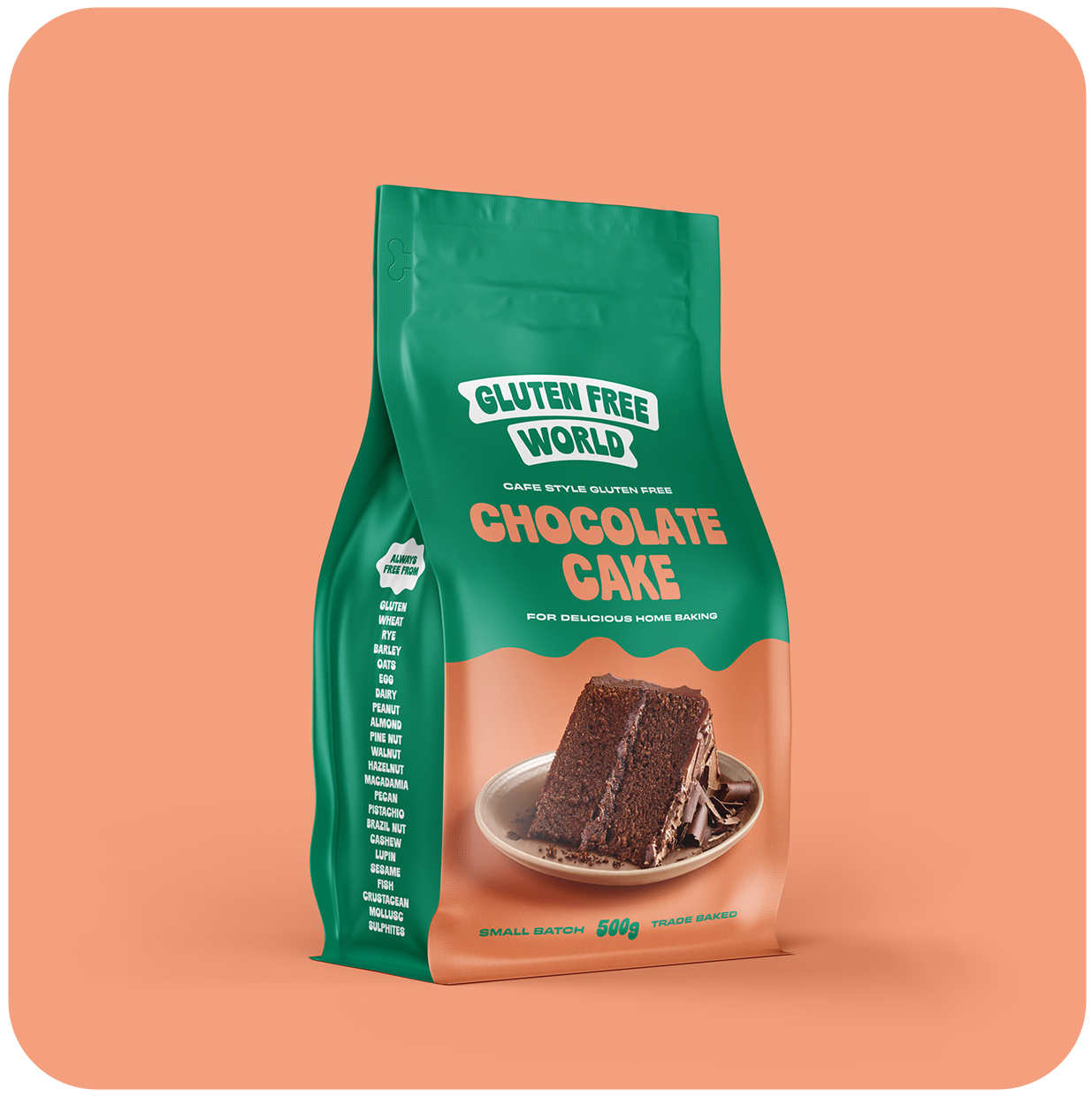
If your priority is reliable output with less room for error, a gluten free cake mix can be a practical option. For example, cafés may use products like Gluten Free World’s gluten-free chocolate cake mix or vanilla cake mix when they want a steady base that still allows for their own finishing touches.
Why a Hybrid Approach Often Works Best
For many cafés, it does not have to be all mix or all scratch. Using both can make day-to-day baking easier while still giving you some control over the final result.
This can work well because:
-
A cake mix provides a solid base to work from.
-
You can still add your own fillings, toppings, or frosting.
-
It makes the baking journey easier for staff who are still learning.
-
It can help you offer more variety, including cakes inspired by favourites like Texas chocolate sheet cake.
-
Simple changes, such as using pudding mix or vegetable oil, can improve the texture in some cake mix recipes.
This kind of setup can suit busy cafés that want reliable results without having to make every cake from scratch. It can also help you move beyond very basic doctored cake mix recipes or cakes finished with canned frosting, while still serving something that feels more considered.
How to Choose the Right Gluten-Free Cake Mix
Not all cake mixes will work the same way in a café kitchen. The right one should be easy to use, give you steady results, and help you make cakes that taste good and hold up well in service.
When choosing a gluten-free cake mix, look for:
-
A texture that stays soft and moist, not dry or crumbly.
-
A flavour that tastes balanced and not overly sweet or artificial.
-
Simple instructions that staff can easily follow.
-
A mix that works well for the cakes you want to make most often.
-
Ingredients that suit your customers’ dietary needs.
-
Reliable results across different batches.
It also helps to test how the cake bakes, slices, stores, and finishes with your own frosting or fillings. A mix might look good fresh from the oven, but the real test is how well it holds up once it is cooled, decorated, and ready for the cabinet. For more on why many cafés use this approach, read our guide on the 7 benefits of using a gluten-free cake mix.
Final Thoughts
There is no single answer to gluten-free cake mix vs. scratch for cafés. The better option is the one that suits your kitchen, your staff, and the kind of cakes you want to serve consistently.
For some cafés, scratch baking will be worth the extra time and control. For others, a reliable mix will make day-to-day baking easier, especially when the goal is to produce steady, high-quality gluten-free cakes with less pressure. If you are weighing up both options, exploring a trusted Gluten Free World cake mix can be a practical place to start.
Frequently Asked Questions
Is it better to use a gluten-free cake mix or bake from scratch?
It depends on what your café needs most. A good cake mix gives speed, consistency and pre-measured ingredients, while a cake from scratch gives more control over flavour, texture and your own recipes. For many businesses, both cake mixes and scratch cakes can be totally fine when quality matters.
Why do some cafés choose gluten-free cake mixes over scratch baking?
Many cafés choose boxed cake mix options because gluten-free baked goods can be harder to standardise than regular cake. With a good cake mix, staff can bake cakes with fewer errors, reduce waste and avoid issues with wheat flour while still offering cakes that customers enjoy.
Can gluten-free cake mixes deliver consistent results?
Yes, gluten-free cake mixes can deliver consistent results when the formula is reliable, and the wet ingredients are measured properly. A well-made box mix cake can be more reliable than a poor scratch recipe, both in daily service and in a blind taste test.
Are gluten-free cake mixes a good fit for commercial kitchens?
Yes, especially for busy kitchens that need fast prep and dependable output. Box mixes can simplify baking, support customers with gluten sensitivities, and help cafés offer a wider cake range without having to manage more complex recipes from scratch every day.
Can you use a cake mix and still create a more homemade result?
Absolutely. Many cafés use doctored cake mix or a doctored box mix recipe, adding sour cream, melted butter, whole milk, egg whites, homemade frosting, or raspberry filling for a more polished finish. That kind of doctored mix approach can make boxed cake mix results feel closer to a favourite recipe.
