Professional-Grade Gluten Free Flours | Vegan & Allergy Friendly | Australia-Wide Delivery


· By R2R Team
Gluten‑Free Chocolate Cake Mix: How to Get Rich, Moist Results
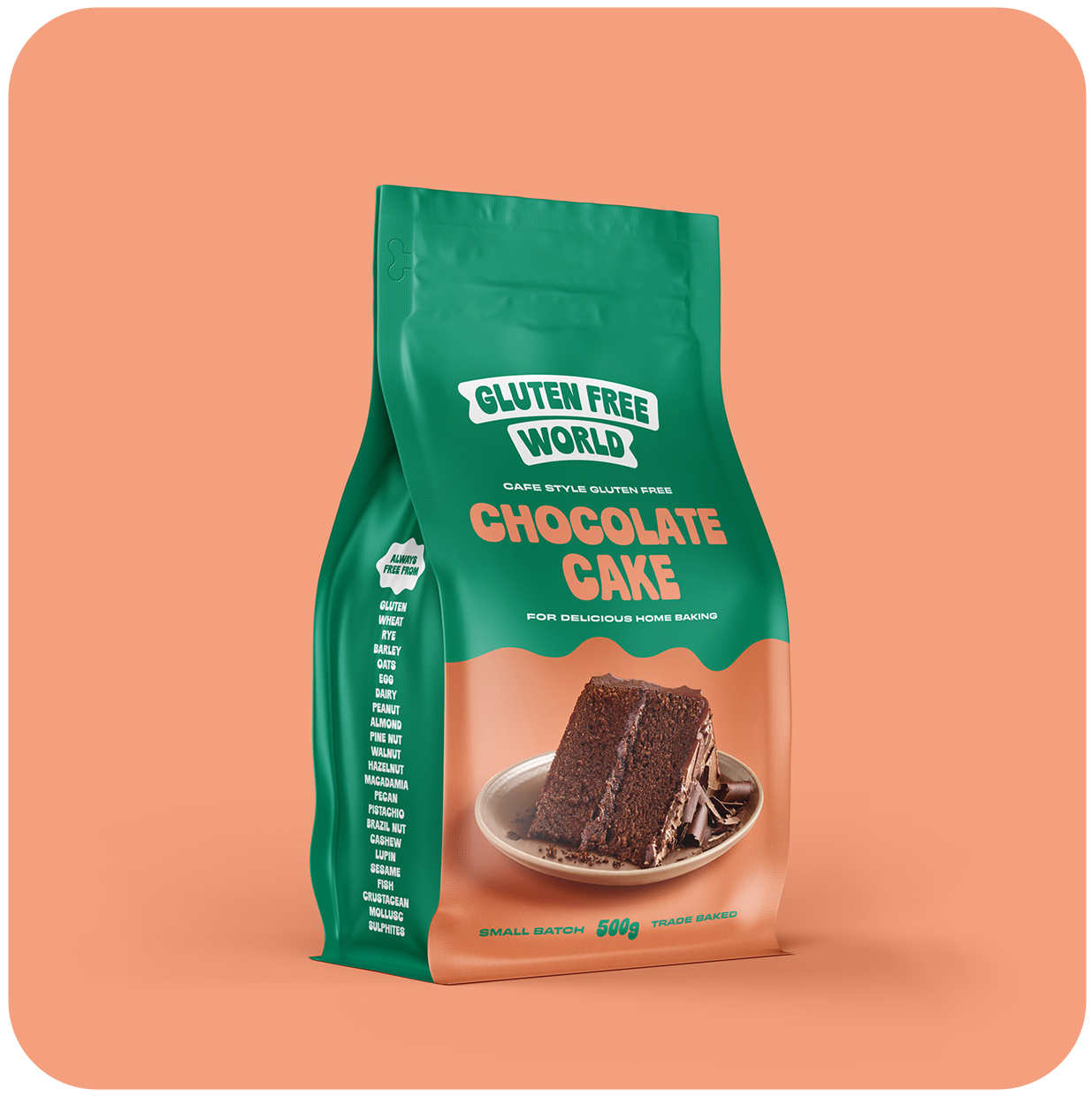
Using a gluten-free chocolate cake mix should make baking simple, yet many gluten-free cakes still come out dry or crumbly. That's because gluten-free ingredients behave differently from wheat, and chocolate cakes need even more moisture to stay soft. Cocoa powder is naturally drying, and without gluten to hold everything together, the crumb can fall apart quickly.
This frustrates a lot of home bakers, especially when you’re trying to bake something for a birthday, a gathering, or just a treat at home. A chocolate cake should be rich, moist, and full of flavour, not a guess-and-hope situation.
The solution is understanding what helps a gluten-free cake stay moist and how to use your cake mix to its full potential. With the right approach, you can consistently bake gluten-free chocolate cakes that are soft, smooth, and genuinely enjoyable for everyone at the table.
This guide explains exactly how.
Why Moisture Is Harder to Achieve in Gluten-Free Cakes
Gluten-free cakes naturally lose moisture faster because gluten isn’t there to hold the batter together. Gluten normally traps liquid, supports lift, and helps create a soft, fluffy crumb. Without it, gluten-free batters rely on starches and liquids for structure, which can make the cake dry or crumbly if the ratios aren’t right.
Chocolate cakes are even more sensitive because cocoa powder absorbs moisture, so the batter needs enough liquid and fat to balance it out.
That's why gluten-free chocolate cakes often turn out dry, not because of your baking skills, but because gluten-free ingredients behave differently from wheat. Understanding this makes it easier to get consistently moist, rich results with your gluten-free chocolate cake mix.
What Makes a Gluten-Free Chocolate Cake Mix Moist and Rich
A good cake mix isn't just about convenience; it's about consistent results. Here's what matters:
-
Balanced starch blend: A mix with the right ratio of rice flour, maize starch, and tapioca starch avoids gumminess and dryness. Ingredients like modified tapioca starch help create a smoother crumb.
-
Cocoa quality: Rich cocoa, especially alkalised cocoa powder, gives a deeper chocolate flavour without drying out the cake. This is essential for a proper gluten-free chocolate cake.
-
Reliable raising agents: A blend of baking powder and raising agents ensures lift even without gluten. This keeps the middle from sinking and creates a fluffy crumb, whether you're making a classic chocolate cake or a denser style, such as a mud cake.
-
Emulsifiers for moisture: Ingredients like vegetable emulsifier, emulsifier (415), or similar help distribute fat and water evenly throughout the batter. This prevents dryness and keeps the cake soft after baking.
-
Sugar for tenderness: Sugar acts as a tenderiser, helping the cake stay moist while enhancing the chocolate flavour.
Together, these elements create a gluten-free chocolate cake mix that produces consistent, rich results, without artificial colours or unnecessary additives.
How to Get Rich, Moist Results With a Gluten-Free Chocolate Cake Mix
These steps will help you achieve the best texture from any cake mix, especially gluten-free ones.
1. Use oil instead of butter
Oil stays liquid when cool, which keeps the cake more moist than using butter or margarine. Most gluten-free bakers prefer vegetable oil because it blends well with the batter and helps create a smooth, even crumb.
2. Measure your liquids accurately
Use a large bowl and measure water and oil precisely. Gluten-free chocolate cake mixes rely on exact hydration, as too much water leads to a gummy centre while too little results in a dry cake.
Some recipes call for boiling water, especially mud cakes, because hot water enhances cocoa flavour and helps dissolve sugar evenly. This depends on the mix and may vary depending on the chocolate style you want.
3. Mix gently, no overmixing
Use a wooden spoon, whisk, or an electric mixer on low to medium speed. Mix until combined, no more. Overmixing breaks down starches and can make the batter dense.
The batter should be smooth, light, and easy to pour into your cake tin.
4. Prepare your cake tin properly
Line and grease the cake tin well. A lined tin helps the cake bake evenly and prevents sticking, especially important for gluten-free cakes, which can be more fragile when hot.
5. Bake low and slow
Set your oven to 160°C fan forced. A slower bake helps raise the cake evenly and prevents it from cracking or becoming dry. Gluten-free cakes benefit from gentle heat because raising agents activate differently in the absence of gluten.
Bake until the centre springs back lightly. The exact time may vary depending on your oven or cake tin size.
6. Let the cake cool completely
Gluten-free cakes are delicate when hot. Move the cake to a wire rack and let it cool completely before adding frosting or chocolate icing mix. This helps the crumb set and stay moist.
Troubleshooting Common Gluten-Free Cake Problems (and How to Fix Them)

Even with a good gluten-free chocolate cake mix, subtle changes in mixing, measuring, or baking can significantly impact the final texture. If something still goes wrong, here’s what it means and what to do next time.
1. Dry or crumbly cake
What causes it:
-
Overbaking
-
Not enough water or vegetable oil
-
Oven running hotter than expected
How to fix:
-
Reduce bake time by 3–5 minutes next time
-
Check oven temperature with an oven thermometer
-
Add the full amount of oil and water; GF cakes rely heavily on hydration
Prevention:
Bake at 160°C fan forced and remove as soon as the centre springs back.
*Oven temperatures can vary, so treat these times as a guide and adjust slightly if your oven runs hotter or cooler.
2. Dense or gummy texture
What causes it:
-
Overmixing the batter (develops gumminess)
-
Underbaking
-
Too much liquid added
How to fix:
-
Mix on low speed or whisk gently until just combined
-
Increase baking time slightly, checking often
-
Follow liquid measurements closely
Prevention:
Aim for a smooth, pourable batter; not overly thick or runny.
3. Cake sinks in the middle
What causes it:
-
Oven door opened too early
-
Too much raising agent
-
Batter mixed too vigorously
How to fix:
-
Avoid opening the oven during the first 20 minutes
-
Measure raising agents carefully if altering the recipe
-
Mix on low speed to avoid incorporating too much air
Prevention:
Use the correct size cake tin and bake on the middle rack for even heat.
4. Coarse or gritty crumb
What causes it:
-
Starches like rice flour or maize starch not fully hydrated
-
Cake sliced before it cooled completely
How to fix:
-
Let the batter sit for 2–3 minutes before pouring it into the tin
-
Allow the cake to cool completely on a wire rack
Prevention:
GF cakes need time to set, and cutting too early affects texture.
5. Crust too hard or edges too dark
What causes it:
-
Oven temp too high
-
Thin metal cake tin
-
Cake placed too close to the top heating element
How to fix:
-
Lower the temperature
-
Use baking paper to line the sides
-
Bake on the middle rack
Moist Gluten-Free Cake Is Easier Than You Think
A rich, moist gluten-free chocolate cake doesn't require complicated recipes. All you need is the right gluten-free chocolate cake mix and a few reliable gluten-free baking habits. When the mix is balanced for moisture and structure, all that's left is to whisk, pour, bake, cool, and serve.
Whether you're making cupcakes, a mud cake, a classic birthday chocolate cake, or a simple everyday slice, these tips will help you create a cake that's soft, smooth, flavourful, and genuinely enjoyable for everyone.
Frequently Asked Questions
Does Gluten Free World's chocolate cake mix work for mud cake recipes?
- Yes. Our gluten-free chocolate cake mix can be used in place of a mud cake mix, especially if you want a denser, richer result. For a more mud-cake style texture, add a small amount of hot water or melted chocolate to deepen the flavour and soften the crumb. This keeps the cake moist without changing the structure too much.
Why do some gluten-free cake mixes include potato starch?
- Some gluten-free cake mixes use potato starch to soften the crumb and hold moisture, but it can create a slightly different texture depending on the recipe. That's why we don't include it in our mix to ensure that our formula is built around a specific balance of rice flour, maize starch, cocoa, and thickeners that gives us consistent texture and moisture.
Do I need xanthan gum when using a gluten-free chocolate cake mix?
- Most gluten-free chocolate cake mixes, ours included, are already formulated with the stabilisers needed for structure. Adding extra xanthan gum can make the cake overly dense or gummy, so we generally recommend following the mix instructions as they are unless a recipe specifically suggests otherwise.
Can I make a vegan version of gluten-free chocolate cake without eggs or milk?
- Yes. Our gluten-free chocolate cake mix is naturally egg-free and dairy-free, so it’s suitable for vegan baking when paired with a plant-based egg replacer. Using water instead of milk also works well, as gluten-free chocolate cakes often rely more on oil and hydration than on dairy for richness.
How should I store gluten-free chocolate cake mix once the pack is opened?
- We recommend storing an opened pack in an airtight container or sealed bag to keep the mix dry and free from moisture. Gluten-free blends are sensitive to humidity, so keeping the mix in a cool, dry place helps maintain freshness and prevents clumping, especially if you plan to use it for more recipes later on.
