Professional-Grade Gluten Free Flours | Vegan & Allergy Friendly | Australia-Wide Delivery


· By R2R Team
10 Clever Ways to Customise a Gluten‑Free Cake Mix
Most gluten-free cake mixes come pre-flavoured, which means you’re stuck with whatever the packet tastes like. That makes it hard to experiment, and even harder to create something personal when you want more than a basic vanilla or chocolate cake. And if you’ve ever tried adding your own flavours to the wrong mix, you already know the result; even small changes can throw off the texture or moisture.
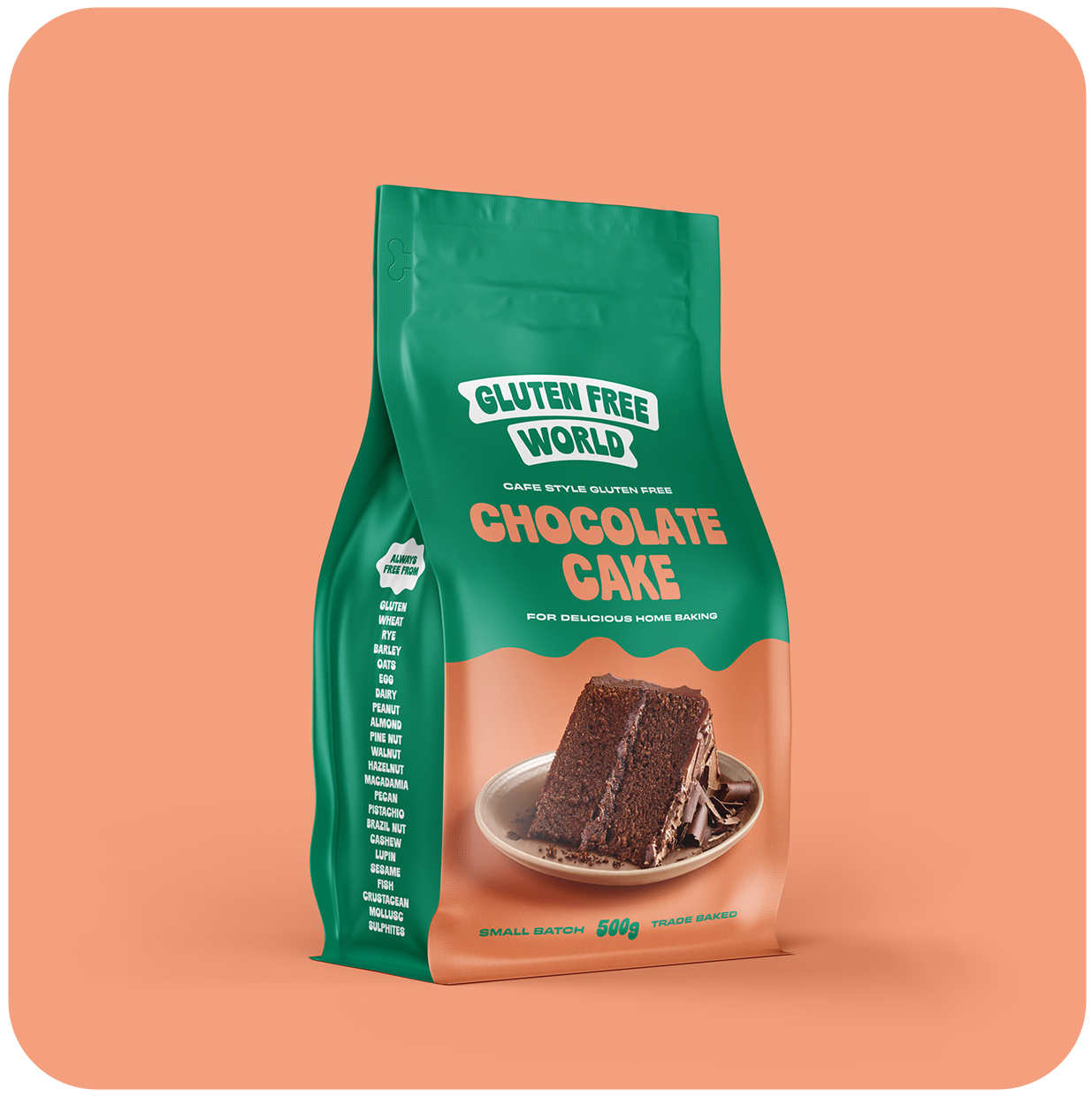
That’s why our vanilla and chocolate gluten-free cake mixes were created differently: stable enough for beginners, flexible enough for bakers who love experimenting, and balanced so they stay light, fluffy, and moist even when you customise them. With a solid base, you can create almost any flavour profile without worrying about collapse, dryness, or structure.
If you're ready to elevate your gluten-free cake, here are 10 ways to customise your mix and make every bake your own.
1. Add flavour extracts for instant variety
Extracts are the easiest way to switch up a gluten-free cake without changing the moisture balance. In many gluten-free recipes, extracts provide big flavour without overworking your batter or altering how the raising agents activate.
Try: almond, coconut, peppermint, caramel, or extra vanilla.
How to do it: Add 1–2 teaspoons of extract into the batter and mix on low to medium-high speed until fully combined.
Perfect for:
✔ Vanilla cake mix (great for almond cake or coconut cake variations)
✔ Chocolate cake mix (mocha, mint, rich chocolate cake)
2. Mix in fruit purées for moisture and richness

Fruit purées help prevent dry cakes, especially in gluten-free chocolate cake or gluten-free vanilla cake, where moisture gets absorbed quickly by the flour blend. This keeps the crumb soft, moist, and closer in texture to a traditional cake made with wheat flour.
Try: banana, apple, pear, mango, or berry purée.
How to do it: Add 30–45 g of fruit purée and reduce the water by the same weight.
Apple creates a light, fluffy crumb; banana makes a denser, sweet treat.
Note: If your purée is very thick, add a splash of milk to loosen the batter slightly and help the mixture settle into the tin, allowing it to bake evenly.
3. Fold through chocolate chips, chunks, or melted chocolate
Adding chocolate is a simple way to turn a basic batter into a rich chocolate cake or a dessert-style slice.
Try: dark chips, dairy-free chips, white chocolate, or a swirl of melted chocolate.
How to do it: Add 80–100 g chocolate chips and lightly coat them in dry ingredients before folding; this helps prevent sinking in gluten-free batter, especially when using cocoa powder or a heavier mix.
Meanwhile, melted chocolate (40–60 g) adds depth without needing extra liquid.
Perfect for:
✔ Chocolate cake mix (double chocolate)
✔ Vanilla cake (cookies & cream style)
For best distribution, fold in add-ins with a spatula rather than a stand mixer; it keeps the batter light and helps achieve a perfect crumb.
4. Add warm spices or chai-inspired flavours
Spices add flavour without altering your batter's moisture or texture. They’re perfect for adding warmth to a vanilla cake, turning it into something closer to a tea cake or even a simple spice-inspired wedding cake flavour.
Try: cinnamon, nutmeg, ginger, chai spice.
How to do it: Add ½–1 teaspoon to the dry ingredients and whisk before adding liquids.
5. Add citrus zest for brightness
Citrus zest adds flavour without affecting hydration, making it great for gluten-free baking where just the right amount of moisture matters.
Try: lemon, lime, orange, or mandarin zest.
How to do it: Add 1–2 teaspoons of zest to the batter.
Optional: Add 15–30 g citrus juice and reduce the water by the same amount.
Pairs beautifully with whipped cream, berry toppings, or light frosting.
TIP: Zest mixes best when added straight into a medium bowl with the wet ingredients, helping the oils distribute evenly.
6. Add texture with nuts, seeds, or coconut
A bit of crunch can transform your gluten-free cake into a more interesting dessert. The key is to use mix-ins that blend well with the crumb, especially since gluten-free cakes don’t have gluten to hold heavier add-ins in place.
Try: walnuts, pecans, chia seeds, shredded coconut, almond meal (in small amounts).
How to do it: Fold in 25–50 g gently at the end.
Tip: Toast nuts or coconut for a deeper flavour.
Perfect for:
✔ Vanilla cake
✔ Chocolate cake (walnut chocolate cake)
If you're storing leftovers, wrap the cake tightly in plastic wrap to prevent the nut oils from drying the edges.
7. Swirl in jam, caramel, or nut butter
A swirl adds flavour, colour, and a bakery-style finish without altering how your gluten-free cake turns out.
Try: raspberry jam, caramel sauce, peanut butter, lemon curd, or chocolate spread.
How to do it: Add 45–60 g swirl fillings into the tin and use a skewer to marble gently. Swirls shouldn’t fully mix into the batter, or the cake may sink.
This trick works beautifully in round cake pans or loaf tins lined with parchment paper.
For cleaner swirls, loosen thicker fillings with one teaspoon of olive oil before adding them; it helps them glide through the batter.
8. Turn your mix into cupcakes or mini cakes
Cupcakes bake quickly and often stay moister than full-sized cakes, making them ideal for gluten-free batters. They’re perfect for your daughter's or son's birthday, school lunches, or portion-controlled treats.
How to do it: Reduce baking time by 25–40%, and move cupcakes to a cooling rack to cool completely before frosting.
Great with:
✔ Buttercream or dairy-free frosting
✔ Whipped cream toppings
✔ Powdered sugar dusting
Cupcakes are also the easiest way to test new flavour ideas before committing to a full cake recipe.
9. Make it richer: mud cake, mocha, or espresso variations

If you love dense, indulgent cakes, this is where your chocolate mix shines. Adding melted chocolate or espresso enhances flavour without affecting the rising agents.
Try:
-
40–60 g melted chocolate
-
15–30 g espresso (reduce water by the same amount)
-
Extra cocoa powder (1 tablespoon)
These additions create a richer batter, perfect for mud cake textures or layered cakes for a special occasion.
For an even deeper flavour, replace 1–2 tablespoons of water with milk or dairy-free milk; it gives the crumb a smoother finish.
10. Finish with toppings that match your flavour
Toppings complete your customisation and turn a simple mix into the best cake for any celebration. Even a dusting of powdered sugar or a light glaze can transform simple gluten-free cake recipes into something elegant.
Try:
-
Classic buttercream or dairy-free frosting
-
Chocolate ganache
-
Berry compote
-
Whipped cream
-
Toasted coconut
-
Fresh berries
Perfect pairings:
✔ Vanilla cake: citrus glaze, passionfruit icing, berries
✔ Chocolate cake: espresso frosting, caramel, ganache
A good frosting brings out the flavour and makes your cake feel more special, from birthday parties to casual weekend baking.
TIP: If assembling cake layers, chill them briefly and cover each layer in plastic wrap before stacking; it helps lock in moisture and gives a cleaner finish.
Your Gluten-Free Cake, Your Way
A gluten-free cake mix shouldn’t limit your creativity; it should give you more ways to bake the flavours you love. With a stable base like a vanilla or chocolate mix, you can customise confidently without worrying about the cake collapsing, drying out, or losing structure.
Whether you're mixing by hand, using a stand mixer, or whisking in a large mixing bowl, the goal is the same: a moist, fluffy, delicious gluten-free cake with a perfect crumb.
Happy baking!
Frequently Asked Questions
What flour do you use for gluten-free cake?
- Gluten-free cakes are usually made with a blend of gluten-free flour and starches such as rice flour, maize starch, and tapioca starch. These help create structure, moisture, and lift without gluten. At Gluten Free World, our vanilla and chocolate cake mixes use a carefully balanced flour blend designed to stay light, fluffy, and moist without needing extra additives or complicated adjustments.
What is the trick to gluten-free baking?
- The key to gluten-free baking is getting the right balance of moisture, starch, and lift. Gluten-free batters absorb liquid differently, so accurate measurement matters. Letting the batter rest briefly can also help hydrate the starches for a smoother crumb. Using a reliable gluten-free cake mix with the right blend of ingredients makes the process far more consistent, especially for beginners.
What are some common gluten-free cake mistakes?
- Common mistakes include overmixing the batter, using too little liquid, baking at too high a temperature, or trying to substitute ingredients without adjusting moisture. Gluten-free cakes can also turn dry if left uncovered or baked for even a few minutes too long. Following the recipe closely and keeping an eye on bake time helps prevent dense centres, crumbly edges, or uneven rise.
How do I make a gluten-free cake rise properly?
- Gluten-free cakes rely on a combination of baking soda and acid-based raising agents to lift the batter, so getting a good rise usually comes down to using a mix with a balanced leavening system and handling the batter gently. Our gluten-free mixes already include the right raising agents, so you generally don’t need to add extra baking powder or baking soda. For the best results, mix until just combined, measure liquids accurately, and bake in a fully preheated oven so the leavening activates at the right time.
Can you make gluten-free cake without xanthan gum?
- Yes, you don't need xanthan gum when the mix is formulated to hold structure on its own. Our gluten-free cake mixes use a combination of starches, thickeners, and emulsifiers to create stability and moisture, so the crumb stays soft and fluffy without needing xanthan gum or other binders.
