Professional-Grade Gluten Free Flours | Vegan & Allergy Friendly | Australia-Wide Delivery


· By R2R Team
Gluten-Free Pavlova Bases: Flourless or Not?
Pavlova is usually naturally gluten-free because a traditional base is made from whipped egg whites, sugar, and a little acid rather than wheat flour. Some recipes include cornflour to help create the classic crisp shell and soft centre, but that does not make pavlova a flour-based dessert.
In this guide, we explain whether pavlova is truly flourless, when cornflour is used, and what to check to keep a pavlova safe for gluten-free guests.
Is pavlova naturally gluten-free?
Yes, pavlova is usually naturally gluten-free.
A traditional pavlova recipe is made with egg whites, caster sugar, and a small amount of acid such as lemon juice, white vinegar, or apple cider vinegar. Some recipes also include vanilla extract and a little cornflour to help create the classic texture.
Because pavlova is a type of meringue, it does not usually contain wheat flour. Its structure comes from properly beaten egg whites and dissolved sugar rather than any flour-based ingredient.
That said, naturally gluten-free does not always mean automatically safe. Store-bought bases, flavourings, toppings, and ready-made extras can all affect that, so it is still worth checking every ingredient before serving.
Does pavlova need flour to work?
No, pavlova does not need regular flour to work.
Unlike cakes, muffins, or biscuits, pavlova is built on whipped egg whites and sugar rather than a flour base. Once the whites are beaten properly and the sugar is added gradually, the mixture can hold its shape without flour.
That is one reason pavlova is such a useful recipe for beginner gluten-free bakers. It shows that not every successful bake depends on a flour blend. In recipes made with gluten-free plain flour or gluten-free cake mix, structure comes from the dry ingredients. In pavlova, it comes from the technique.
To get the right texture, beat the egg whites until soft peaks form, then add the sugar slowly and keep whisking until the mixture becomes glossy and reaches stiff peaks. That gradual build gives the meringue enough stability to hold its shape in the oven.
Why do some pavlova recipes use cornflour?
This is where the confusion usually starts.
Many pavlova recipes include a small amount of cornflour, but that does not make pavlova a flour-based dessert in the same way a cake is. Cornflour is usually added to help create the texture people expect from pavlova: a crisp shell with a soft, marshmallowy centre.
It does not provide the main structure. It simply helps fine-tune the texture.
Some recipes leave it out completely and still work well. Others use it with vinegar or lemon juice to help keep the centre soft while the outside dries and sets.
For beginner bakers, that distinction matters. Pavlova is not built on flour. If cornflour is included, it is there to shape the texture, not form the base.
Is cornflour gluten-free?
Pure cornflour is usually gluten-free, but it is still important to read the label.
That matters even more if you are baking for someone with coeliac disease or a strong sensitivity to cross-contact. In Australia, cornflour usually refers to what other countries call cornstarch, so it is best to check the ingredient list rather than relying on the name alone.
We always encourage bakers to check the full product, not just the hero ingredient. A packet may seem simple, but shared equipment or added ingredients can make a difference.
Flourless does not always mean safe
A flourless base is a good start, but it is not the full picture.
A truly gluten-free pavlova depends on more than the shell itself. The biggest risks often come from toppings or from what happens around the dessert in the kitchen. Plain homemade whipped cream is usually straightforward. Flavoured creams, ready-made curds, biscuit toppings, or shared serving utensils can be more of a problem.
If you are baking for someone with coeliac disease, choose ingredients labelled gluten-free where needed and avoid cross-contact during mixing, topping, and serving.
If you are making pavlova for a crowd, keep these points in mind:
-
Check flavourings, toppings, and sauces carefully
-
Watch for cross-contact on serving platters and utensils
-
Be cautious with ready-made bases
-
Keep crumbs from other desserts away from the serving plate
This is one reason homemade pavlova often feels easier. You know exactly what went into it and how it was handled.
Homemade vs store-bought pavlova bases
Homemade pavlova gives you the most control. You can choose your ingredients, line your own tray, and make sure the base has not been exposed to anything unsafe. You also get to decide the final texture, whether you prefer a taller shell, a softer centre, or a flatter base for piling on fruit and cream.
Some store-bought pavlova bases may include added starches, flavourings, or processing aids, so it is worth checking the full label rather than assuming all meringue products are gluten-free.
Discover Our Full Gluten Free Product Range
Shop with confidence. See full product info, certifications, and the best Gluten Free Flours for your next bake.
What ingredients should you check?
Discover Our Full Gluten Free Product Range
Shop with confidence. See full product info, certifications, and the best Gluten Free Flours for your next bake.
Pavlova is simple, but the small details still matter.
Egg whites
Egg whites are the heart of the recipe. Many bakers prefer to separate them while the eggs are cold because it is easier to keep the yolks out. Once separated, letting the whites sit briefly at room temperature can help them whip more easily.
Sugar
Caster sugar is usually the best choice because it dissolves more easily into the meringue. Regular granulated sugar can still work, but it often needs more mixing. If the mixture still feels gritty, keep going.
Acid and flavouring
A little lemon juice, white vinegar, apple cider vinegar, or cream of tartar helps stabilise the meringue. Vanilla extract adds flavour, but it is still worth checking the label if you need to be especially careful.
Toppings
For an easy finish, use whipped cream and fresh fruit such as berries, raspberries, kiwi fruit, or pomegranate seeds. If you want something richer, a spoonful of gluten-free lemon curd works beautifully as well.
How pavlova gets its texture without flour
This is often the moment pavlova starts to make sense for beginner bakers.
You do not need special equipment, just a clean bowl, patient mixing, and a gentle bake. A stand mixer, an electric whisk, or a hand mixer will all do the job. Before you begin, wipe the bowl with a little vinegar or lemon juice on a paper towel. Any grease or trace of yolk can stop the whites from whipping properly.
Start beating the whites until soft peaks form. Then add the sugar slowly and continue whisking until the meringue looks glossy and holds stiff peaks. If the sugar goes in too quickly or the mixture is under-whipped, the pavlova may spread or collapse.
When the meringue is ready, spoon it onto a lined baking tray and shape it gently with a spatula. Leaving a slight dip in the centre makes it easier to fill later.
The bake itself is low and slow. The aim is to dry the outside while keeping the middle soft. Try not to open the oven door while it bakes. Once it is done, leave it in the turned-off oven until it cools completely. Some bakers leave it for a few hours, while others leave it overnight for an even crisper shell.
That slow cooling is what gives pavlova its signature texture.
Can you make pavlova without cornflour?
Yes, you can.
Some recipes skip cornflour completely and rely on the balance of egg whites, sugar, and acid instead. The result is often a little crisper and slightly less marshmallowy in the centre, but still delicious.
So if you are wondering whether pavlova can be flourless in the fullest sense of the word, the answer is yes. It does not need gluten-free plain flour, and it does not always need cornflour either.
If you are aiming for that classic soft-centred texture, though, a small amount of cornflour can still help.
Common mistakes beginner bakers make
Pavlova is beginner-friendly, but it rewards care and patience.
These are some of the most common mistakes:
-
Letting the egg yolk slip into the whites
-
Using a bowl with grease or moisture
-
Adding the sugar too quickly
-
Not mixing long enough for the sugar to dissolve
-
Opening the oven door too early
-
Removing the pavlova before it has cooled properly
-
Topping it too early and softening the shell before serving
If your pavlova cracks, sinks, or weeps a little, do not panic. It can still taste wonderful. A generous spoonful of cream and a pile of fruit can cover a lot.
A quick note if you are following a recipe online
If you are using a recipe from another site, keep your attention on the ingredients and method rather than the extras around the recipe card. Features like screen settings, ratings, comment prompts, and related recipe links do not affect the bake itself.
What matters is the ingredient list, the mixing method, the bake time, and the cooling instructions.
Best gluten-free toppings for pavlova
Once the base is done, the topping is the easy part.
For a classic finish, spoon whipped cream over the cooled shell and top it with fresh berries, raspberries, kiwi fruit, or pomegranate seeds. If you like, sweeten the cream lightly with icing sugar.
For something richer, add a little lemon curd. Its sharpness works beautifully against the sweet shell and soft cream.
If you want the pavlova to stay crisp, assemble it on the serving plate just before bringing it to the table.
What pavlova can teach us about gluten-free baking
Pavlova is a good reminder that gluten-free baking is not one single method.
Some recipes rely on carefully balanced flour blends. Others work because of air, sugar, and technique. Pavlova belongs firmly in that second group. Even though it does not use flour as its base, it still teaches an important lesson: understanding how ingredients behave matters more than following a rigid rule.
That is what makes pavlova so useful for beginner bakers. It shows that success in the kitchen does not always begin with a bag of flour. Sometimes it begins with a bowl of egg whites, a steady hand, and a little patience.
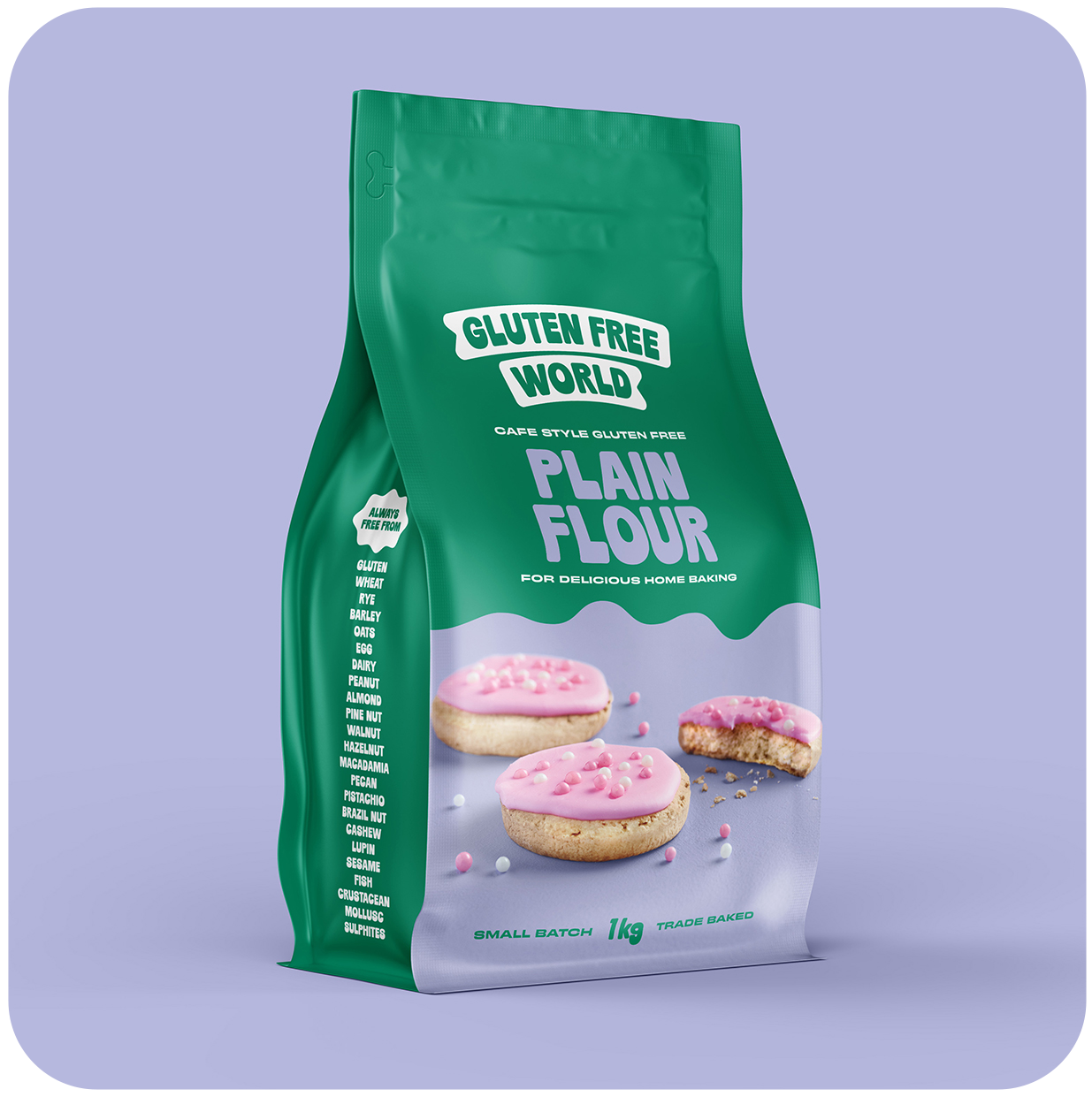
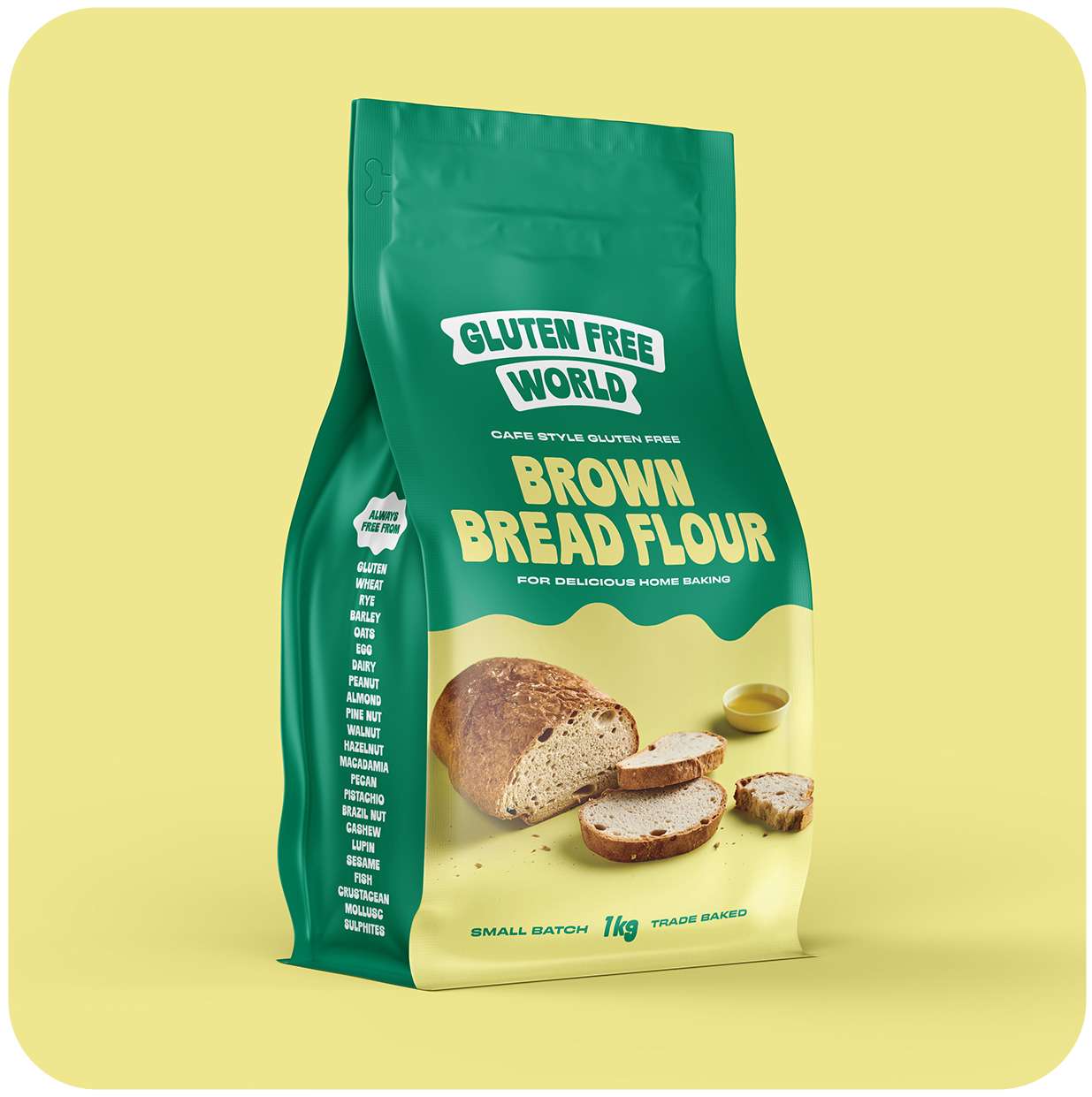
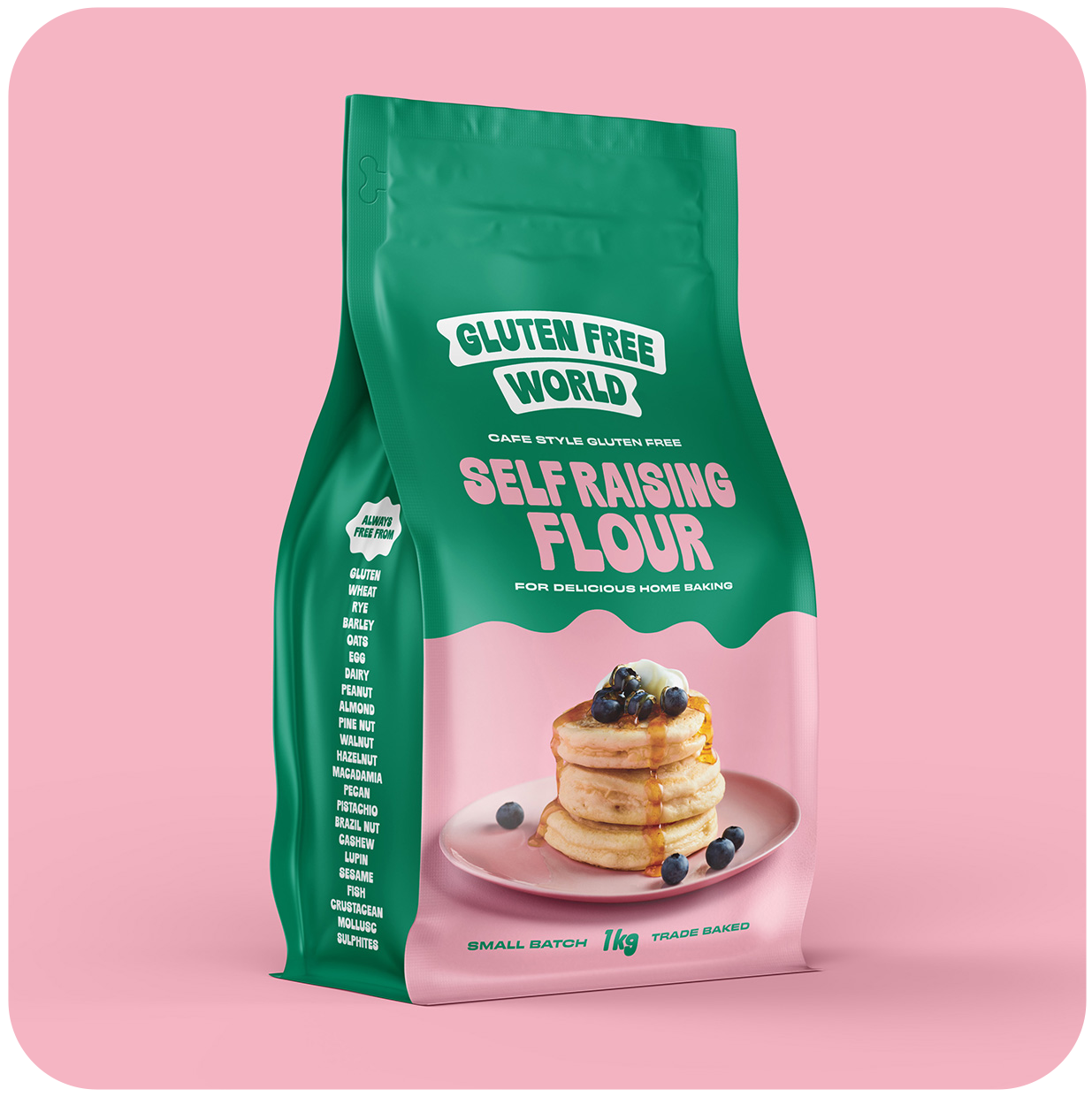
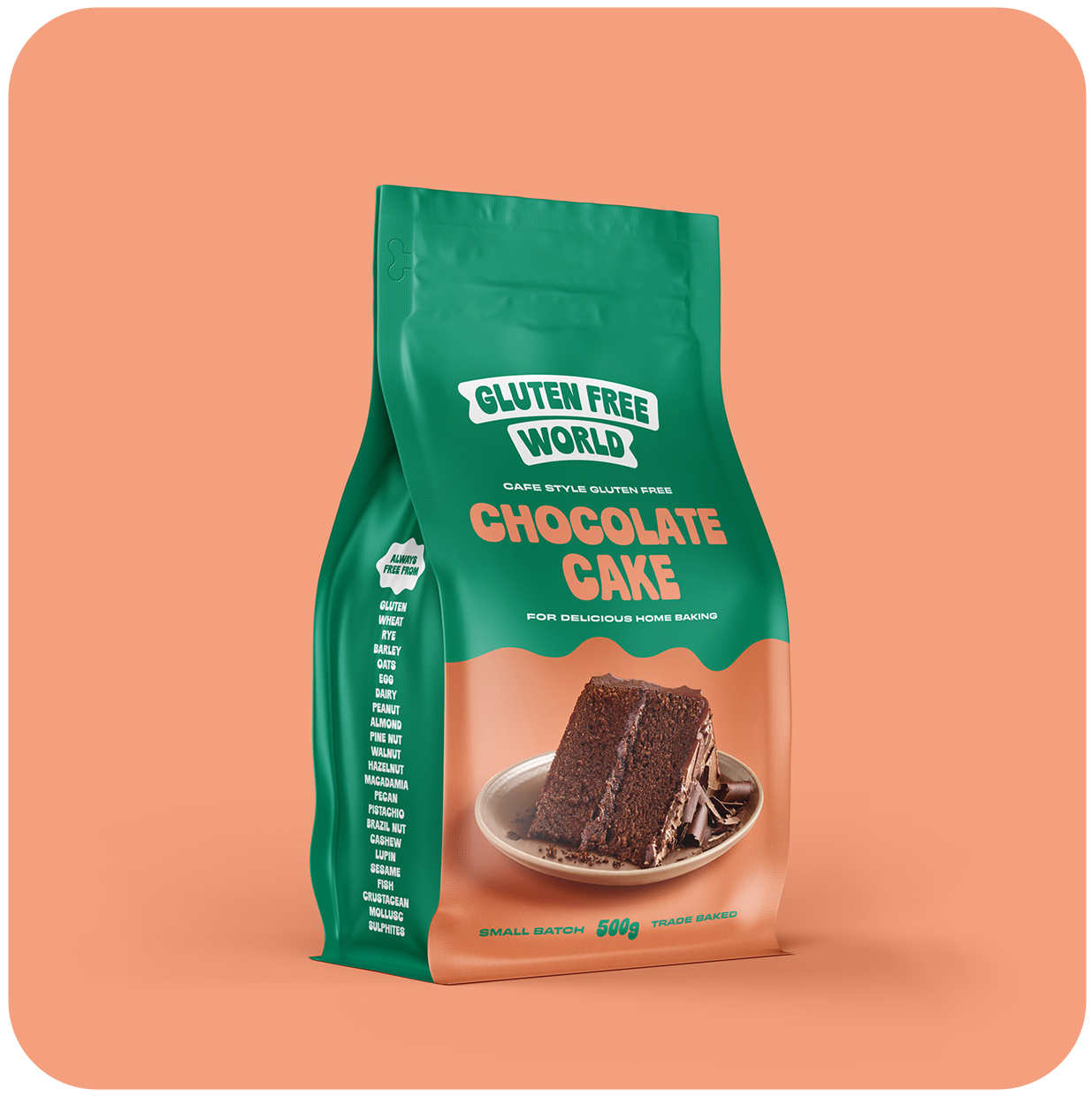
At Gluten Free World, we often talk about how important the right gluten-free plain flour or gluten-free cake mix can be in cakes, muffins, and biscuits. Pavlova is a helpful contrast because it reminds us that some gluten-free desserts rely on flour, while others rely on technique.
Our verdict: Are pavlova bases flourless or not?
Most pavlova bases are flourless because they do not rely on wheat flour for structure. Some recipes include a small amount of cornflour to help create the classic crisp shell and soft centre, but pavlova is still not a flour-based dessert in the way cakes or muffins are.
So yes, pavlova is often naturally gluten-free, and it fits comfortably into gluten-free baking.
Final thoughts
Pavlova may not follow the usual flour-based baking rules, but that is part of its charm. At Gluten Free World, we love recipes like this because they show how flexible and approachable gluten-free baking can be. With patient mixing and gentle baking, pavlova can be one of the most rewarding desserts for beginner bakers.
Frequently Asked Questions
Is pavlova always gluten-free?
Not always. A traditional homemade pavlova is usually gluten-free, but store-bought bases, flavourings, toppings, and manufacturing processes can all affect whether it is safe to serve.
Does pavlova need gluten-free plain flour?
No. Pavlova does not need gluten-free plain flour because its structure comes from whipped egg whites and sugar rather than a flour blend.
Can I use gluten-free cake mix to make pavlova?
No. Gluten-free cake mix is designed for cake-style batters, not meringue-based desserts. Pavlova works in a completely different way and does not need a cake mix to hold its shape.
Why do some pavlova recipes add cornflour?
Cornflour is often added to help create the classic pavlova texture: a crisp shell with a soft, marshmallowy centre. It is there for texture, not as the main structure.
What is the difference between pavlova and other gluten-free bakes?
Most gluten-free cakes, muffins, and biscuits rely on ingredients like gluten-free plain flour or cake mix for structure. Pavlova is different because it depends on whipped egg whites, sugar, and technique.
