Professional-Grade Gluten Free Flours | Vegan & Allergy Friendly | Australia-Wide Delivery


· By R2R Team
What Is Gluten‑Free Flour Made Of? A Simple Guide for Home Bakers
If you’ve ever picked up a bag of gluten-free flour and wondered what all the ingredients actually do, you’re not alone. Many people assume gluten-free flour is a single ingredient that simply replaces wheat flour. In reality, most gluten-free flour blends combine several naturally gluten-free ingredients that work together to mimic the structure, texture, and softness that gluten normally provides.
Once you understand how gluten-free flour blends are made, it becomes much easier to choose the right flour and get better results in cakes, muffins, breads, and everyday baking.
What Is Gluten-Free Flour?
Gluten-free flour is made from grains, nuts, seeds, or root vegetables that naturally contain no gluten. Because wheat flour relies on gluten to provide elasticity and structure, gluten-free flour blends combine different ingredients to recreate similar baking properties.
These blends often include a mix of flours and starches to balance flavour, texture, and baking performance.
Many ready-made gluten-free flour blends are developed to deliver reliable results for home bakers by combining selected flours, starches, and structure-supporting ingredients. These blends help produce smooth batters, soft crumbs, and consistent baking performance.
Why Gluten-Free Baking Is Different
In traditional baking, gluten forms a network that traps air bubbles and gives baked goods their structure and elasticity. This helps bread rise, cakes stay soft, and cookies hold their shape.
Without gluten, baked goods can sometimes turn out dense, crumbly, or dry if the flour blend is not properly balanced.
Gluten-free baking replaces gluten’s function by combining ingredients that help batters hold together, absorb moisture, and rise evenly.
Because of these differences, many beginners find it helpful to learn how gluten-free flours and blends work together.
If you're just starting out, our complete guide to gluten-free flours, mixes, and beginner baking tips explains how to choose the right ingredients and achieve more reliable baking results.
What Is Gluten-Free Flour Made Of? The Three Main Components
1. Base Flours
Base flours make up the largest portion of most gluten-free flour blends. They provide the main structure and contribute flavour to baked goods.
Common base flours include:
Mild-flavoured flours
-
White rice flour
-
Brown rice flour
-
Sorghum flour
-
Millet flour
Nutty or earthy flours
-
Buckwheat flour
-
Teff flour
-
Quinoa flour
Higher-protein flours
-
Chickpea flour
-
Almond flour
-
Coconut flour
Some of these flours have a mild flavour that works well in cakes and muffins, while others add a slightly nutty or earthy flavour.
2. Starches
Starches play an important role in improving the texture of gluten-free baked goods. They help lighten flour blends and prevent baked goods from becoming dense or heavy.
Common gluten-free starches include:
-
Tapioca starch
-
Potato starch
-
Corn flour (maize starch)
These starches are milled into a very fine powder, allowing them to blend easily with other flours while helping create softer textures and supporting even rising.
They are commonly used in recipes such as:
-
Gluten-free cakes
-
Muffins and cupcakes
-
Pancakes
-
Quick breads
3. Structure Builders
Because gluten is absent, gluten-free doughs and batters often need extra ingredients to hold their structure.
Structure builders provide stability and elasticity during baking, helping baked goods hold together and preventing them from crumbling.
Common gluten replacers include:
-
Xanthan gum
-
Guar gum
-
Psyllium husk
Structure builders such as xanthan gum and psyllium husk act as hydrocolloids, helping gluten-free dough hold moisture and structure.
How These Ingredients Affect Gluten-Free Baking
Each component of gluten-free flour plays a specific role in baking. Base flours provide flavour and structure, starches lighten the blend and improve softness, and structure builders help the batter hold together. When balanced correctly, these ingredients allow baked goods to rise evenly, retain moisture, and develop a tender crumb.
Helpful Baking Tip for Using Gluten-Free Flour
When baking with gluten-free flour, it’s usually best to follow gluten-free recipes specifically written for gluten-free baking. These recipes account for differences in moisture absorption and structure. Measuring flour accurately and allowing the batter to rest briefly before baking can also improve texture and consistency.
Discover Our Full Gluten Free Product Range
Shop with confidence. See full product info, certifications, and the best Gluten Free Flours for your next bake.
Why Many Bakers Use Ready-Made Gluten-Free Flour
Although it’s possible to mix your own flour blend at home, achieving the right combination of flours and starches can take time and experimentation.
Ready-made gluten-free flour blends are popular because they are formulated to perform consistently across a wide range of recipes, helping bakers achieve reliable texture, structure, and dependable results.
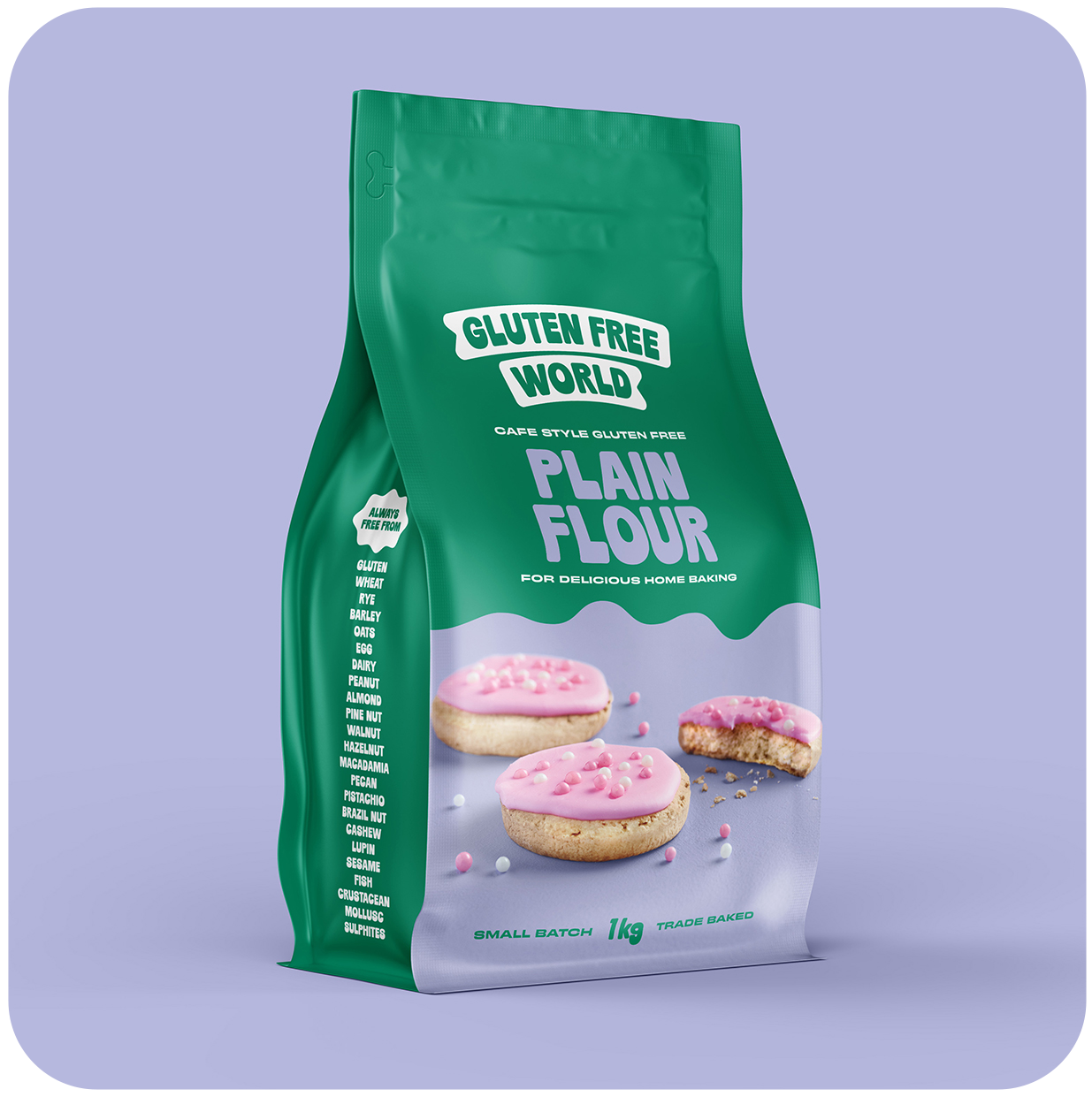
At Gluten Free World, our flours are produced in dedicated gluten-free facilities to help prevent cross-contamination and support consistent baking results. For example, our gluten-free plain flour combines carefully selected flours and starches to create a versatile flour suitable for cakes, cookies, batters, and everyday baking.
Quick Guide to Gluten-Free Flour Types
If you’re unsure which gluten-free flour to use, this quick guide can help you choose the right one depending on the type of recipe you’re making.
| Flour Type | Best Used For | Key Benefit | Common Recipes |
|---|---|---|---|
| Gluten-Free Plain Flour | Everyday baking where raising agents are added separately | Gives bakers control over leavening in recipes | Cakes, cookies, slices, batters, sauces |
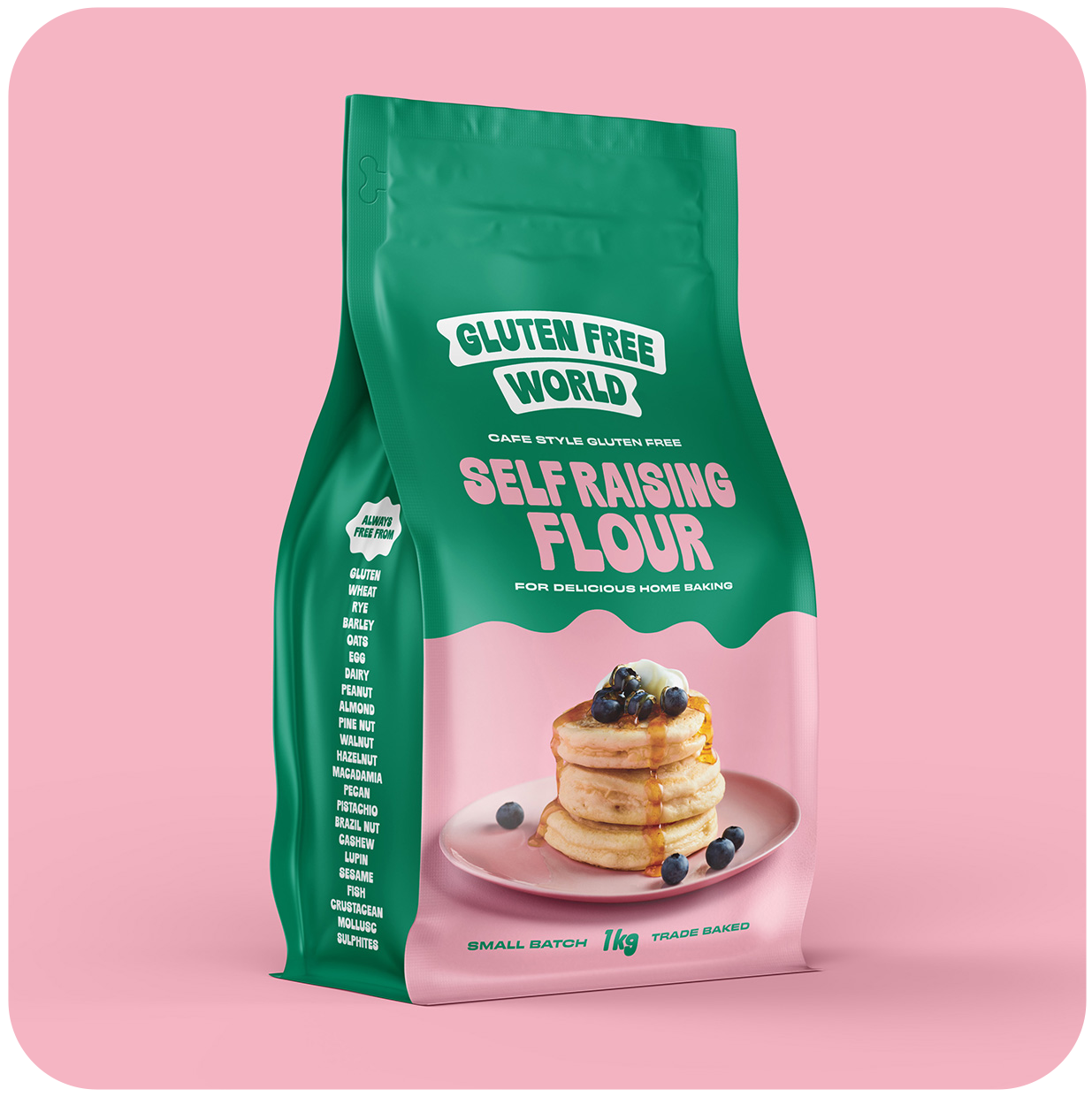
| Gluten-Free Self-Raising Flour | Recipes that require a light and fluffy texture | Contains raising agents for convenient baking | Muffins, pancakes, cakes, scones |
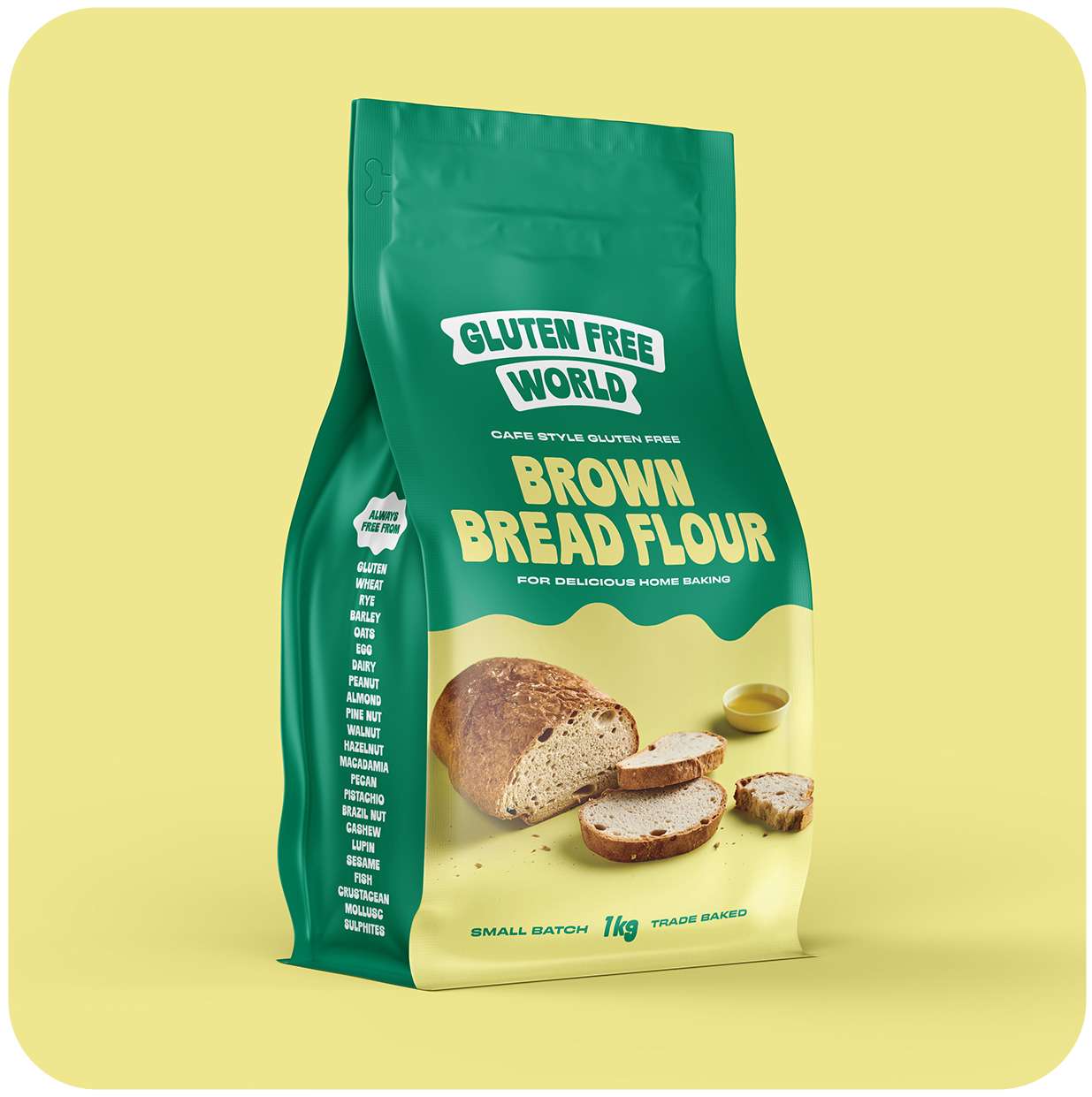
| Gluten-Free Bread Flour | Yeast-based baking that needs more structure | Helps dough hold shape and develop a good crumb | Sandwich loaves, bread rolls, homemade bread |
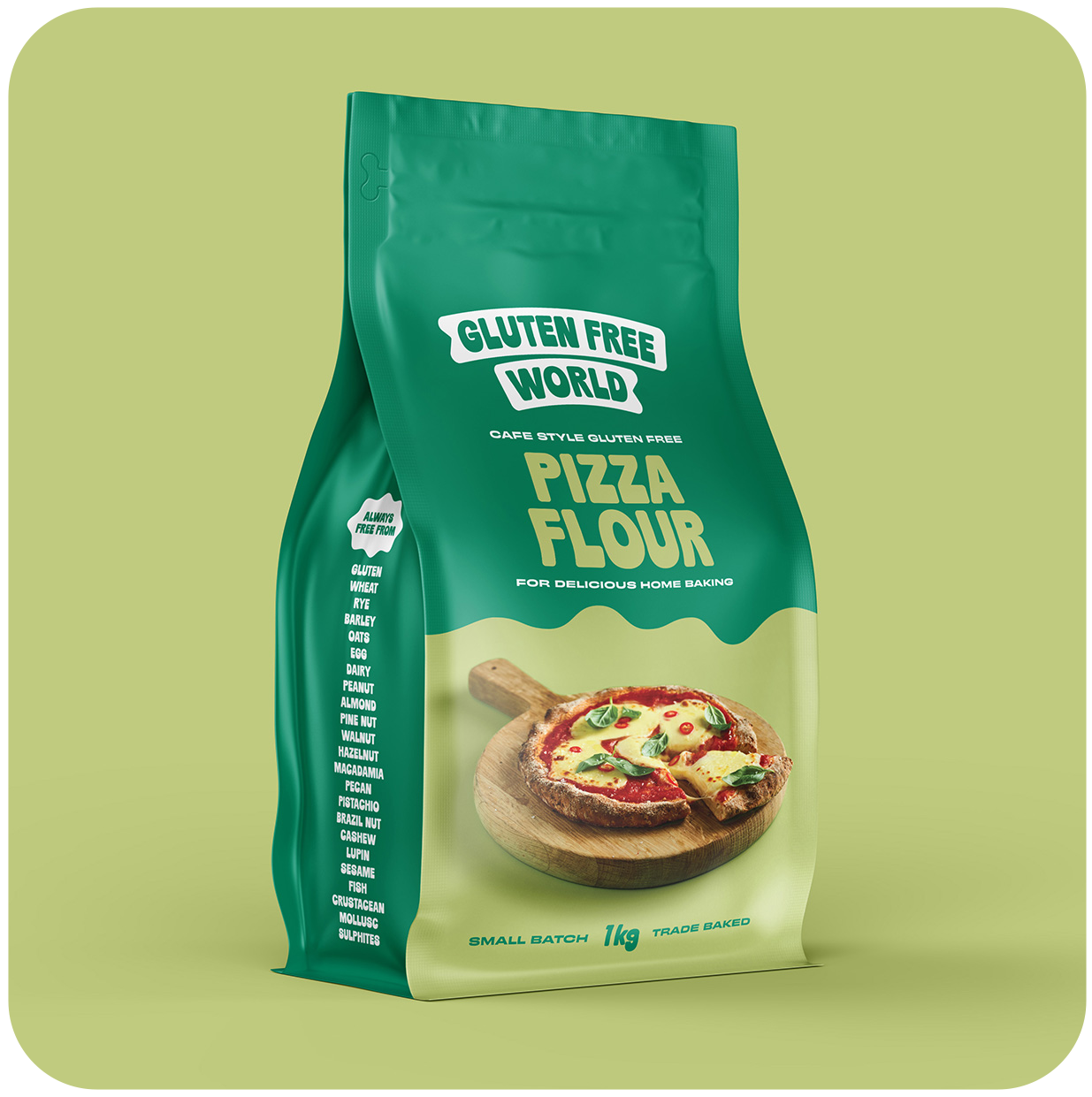
| Gluten-Free Pizza Flour | Doughs that need to form a crisp yet tender base | Supports texture needed for pizza crust | Pizza bases, flatbreads |
Key Takeaway: Gluten-Free Flour Is Designed for Reliable Baking
Gluten-free flour is more than a substitute for wheat flour. It is a carefully balanced combination of ingredients designed to recreate the structure and texture that gluten normally provides.
By combining base flours, starches, and structure-supporting ingredients, gluten-free flour helps produce baked goods that are soft, balanced, and enjoyable.
For home bakers, using a well-developed gluten-free flour makes baking easier and more consistent. With the right flour, cakes, muffins, breads, and everyday treats can turn out light, tender, and delicious every time.
Frequently Asked Questions (FAQs)
What is gluten-free flour made of?
Gluten-free flour is typically made from a combination of naturally gluten-free grains, starches, and sometimes binding ingredients that help recreate the structure normally provided by gluten in wheat flour. Many flour mixes include rice flour, tapioca flour, or other gluten-free flour sources such as sorghum or gram flour. Some blends may also contain starches, baking powder, or binding ingredients to improve structure, texture, and rise.
Which flours are naturally gluten-free?
Many individual gluten-free flours come from grains, legumes, nuts, or root vegetables that do not contain gluten. Examples include finely milled rice flour, gram flour, chestnut flour, buckwheat flour, quinoa flour, millet flour, almond flour, and coconut flour. Some flours are valued for their higher protein content, while others contribute healthy fats or flavour. These individual gluten-free flours are often combined into flour mixes to create more balanced baking results.
Why do gluten-free flours include starch?
Starches are commonly added to gluten-free flour because they help improve texture and softness. Ingredients such as tapioca flour or potato starch lighten the flour blend and help baked goods retain moisture. This helps prevent dense or heavy results and allows baked goods like corn muffins, cakes, or quick breads to develop a softer crumb during baking.
Can gluten-free flour replace regular flour in recipes?
Gluten-free flour can sometimes replace wheat flour, but results depend on the type of flour blend used and the recipe being prepared. Because gluten-free baking behaves differently, many recipes are developed specifically for gluten-free food and rely on balanced flour mixes to achieve reliable texture and structure. Recipes such as bread recipes, muffins, or cakes often perform best when written specifically for gluten-free ingredients.
What is the best gluten-free flour for home baking?
Many home bakers prefer ready-made gluten-free flour mixes because they combine several ingredients in balanced ratios. These blends often include base flours, starches, and small amounts of leavening ingredients like baking powder to help baked goods rise properly. Using a well-developed blend can make it easier to prepare a wide range of recipes, from sauces that need flour to thicken sauces, to cakes, breads, and everyday gluten-free baking.
