Professional-Grade Gluten Free Flours | Vegan & Allergy Friendly | Australia-Wide Delivery


· By R2R Team
Is Gluten-Free Pizza Dough Healthier Than Regular Dough?
It is easy to see why so many people assume gluten-free automatically means healthier. Over the years, many gluten-free products have been linked with wellness, better digestion and cleaner eating, so it is no surprise that people often ask whether gluten-free pizza dough is healthier than regular dough.
The answer is more nuanced than that. Gluten-free pizza dough can be the right and even the healthier choice for people with coeliac disease, gluten intolerance or non-coeliac gluten sensitivity, but that does not mean it is automatically better for everyone. To answer the question properly, we need to look at the ingredients, the nutritional differences and whether the dough suits your needs rather than relying on the label alone.
The Short Answer
No, gluten-free pizza dough is not automatically healthier than regular pizza or traditional pizza dough. For people with coeliac disease, gluten intolerance or other dietary restrictions, it is often the safer and more suitable option because avoiding gluten is essential.
For everyone else, the answer depends on what the dough is made from. Some gluten-free pizza crust products are made with rice flour, potato starch or other alternative flours, so they are not always lower in calories, less processed or lower in carbs than a regular pizza crust. When comparing gluten-free and regular pizza, the ingredients and overall nutrition matter more than the label.
What Makes Gluten-Free Pizza Dough Different?
Wheat flour gives regular dough its structure
In regular pizza dough, wheat flour does a lot of the work. It contains gluten, which helps the dough stretch, trap air and hold its shape as it rises and bakes.
That is what gives traditional pizza dough its familiar chew and structure. It is also why a traditional pizza crust is usually easier to knead and shape.
Gluten-free dough uses a different mix of ingredients
A gluten-free version of pizza dough needs a different approach because it cannot rely on wheat for strength and elasticity. Instead, it is usually made with gluten-free flour, rice flour, potato starch and tapioca starch.
Some recipes also include almond flour or other gluten-free alternatives, depending on the texture you want. These blends can behave quite differently from one another, which can affect both texture and taste.
Extra binders help improve texture
Because gluten-free dough does not have the same natural stretch, it often needs added support. Ingredients like xanthan gum, guar gum and psyllium husk help the dough hold together and feel easier to work with.
For beginners, this is one of the most useful things to understand. Once you know how these ingredients work, gluten-free baking starts to feel much more manageable.
When Gluten-Free Pizza Dough Can Be the Better Choice
There are a few situations where gluten-free pizza is clearly the better option:
-
For people with coeliac disease: Even small amounts of gluten can trigger an immune response and damage the small intestine, so avoiding gluten is essential.
-
For people with gluten intolerance or gluten sensitivities: Some people feel better when they stop eating gluten, even if they do not have coeliac disease.
-
For households with mixed dietary needs: Keeping a reliable gluten-free base on hand can make pizza night easier and more inclusive.
In these situations, gluten-free is not just about preference. It is often the healthier choice because it helps avoid symptoms and supports comfort and well-being.
Is Gluten-Free Pizza Dough Lower in Calories or Carbs?
Gluten-free does not automatically mean low-carb
Many people assume gluten-free pizza crust must be lighter than regular dough, but that is not always true. Some gluten-free bases contain similar amounts of fat and energy, while others can have more calories depending on the flour blend and added oils.
It is also not automatically low-carb. In fact, some gluten-free recipes can contain more carbs than expected because they rely on refined starches to improve texture.
Some gluten-free crusts are higher in starch
To replace the structure that gluten provides, many gluten-free crust recipes use rice flour, potato starch and tapioca starch. These ingredients help create a workable dough, but they can also make some bases higher in starch than a regular pizza crust.
That is why we think it helps to compare labels rather than make assumptions. Many gluten-free crusts look similar on the shelf, but their fibre, protein and carbohydrate content can vary widely.
Portion size and toppings still matter
Even a well-made gluten-free pizza can feel less balanced if the serving is too large or the toppings are especially rich. Extra cheese, creamy sauces and processed meats can quickly change the overall nutrition of the meal.
We find it more helpful to look at the whole pizza rather than the base alone. A sensible portion with balanced toppings tells you much more than the words gluten-free on the pack.
Nutritional Differences Between Gluten-Free and Regular Pizza Dough
When comparing gluten-free and regular dough, these are the main things to check:
-
Fibre: Some gluten-free doughs are lower in fibre if they rely heavily on starches, while others are more balanced when made with wholegrain blends or seeds.
-
Protein: Dough made with wheat flour is often higher in protein than gluten-free versions, unless extra ingredients are added to balance the protein content.
-
Starches and binders: Gluten-free dough often includes potato starch, tapioca starch and binders like xanthan gum, guar gum or psyllium husk.
-
Fortification and flour quality: Some regular flours are fortified, while some gluten-free flour blends vary more in nutritional value.
This does not mean regular dough is always better. It simply means the nutritional differences depend on the product, the recipe and the ingredients used.
What to Check on a Gluten-Free Pizza Dough Label
If you are choosing gluten-free pizza dough, it helps to look beyond the front of the pack. These are the most useful things to check:
-
Flour blend: Is it made from a balanced mix of flours or mostly starches?
-
Fibre and protein: These can tell you whether the dough is likely to feel more satisfying and balanced.
-
Added sugar, oil and sodium: Some products include extra amounts to improve flavour and texture.
-
Natural ingredients: Some doughs are made with simpler ingredients, while others are more processed.
-
Coeliac-safe labelling: If the dough is for someone with coeliac disease, make sure it is clearly labelled gluten-free and suitable for that dietary need.
For beginners, this is one of the easiest ways to make more informed choices. The ingredient list and nutrition panel usually tell you much more than the label alone.

Homemade vs Store-Bought Gluten-Free Pizza Dough
Homemade gluten-free dough gives you more control over the ingredients, flavour and texture. It also lets you choose the type of gluten-free flour that suits your baking style, whether you want a softer base, a crispier crust or something closer to traditional pizza dough.
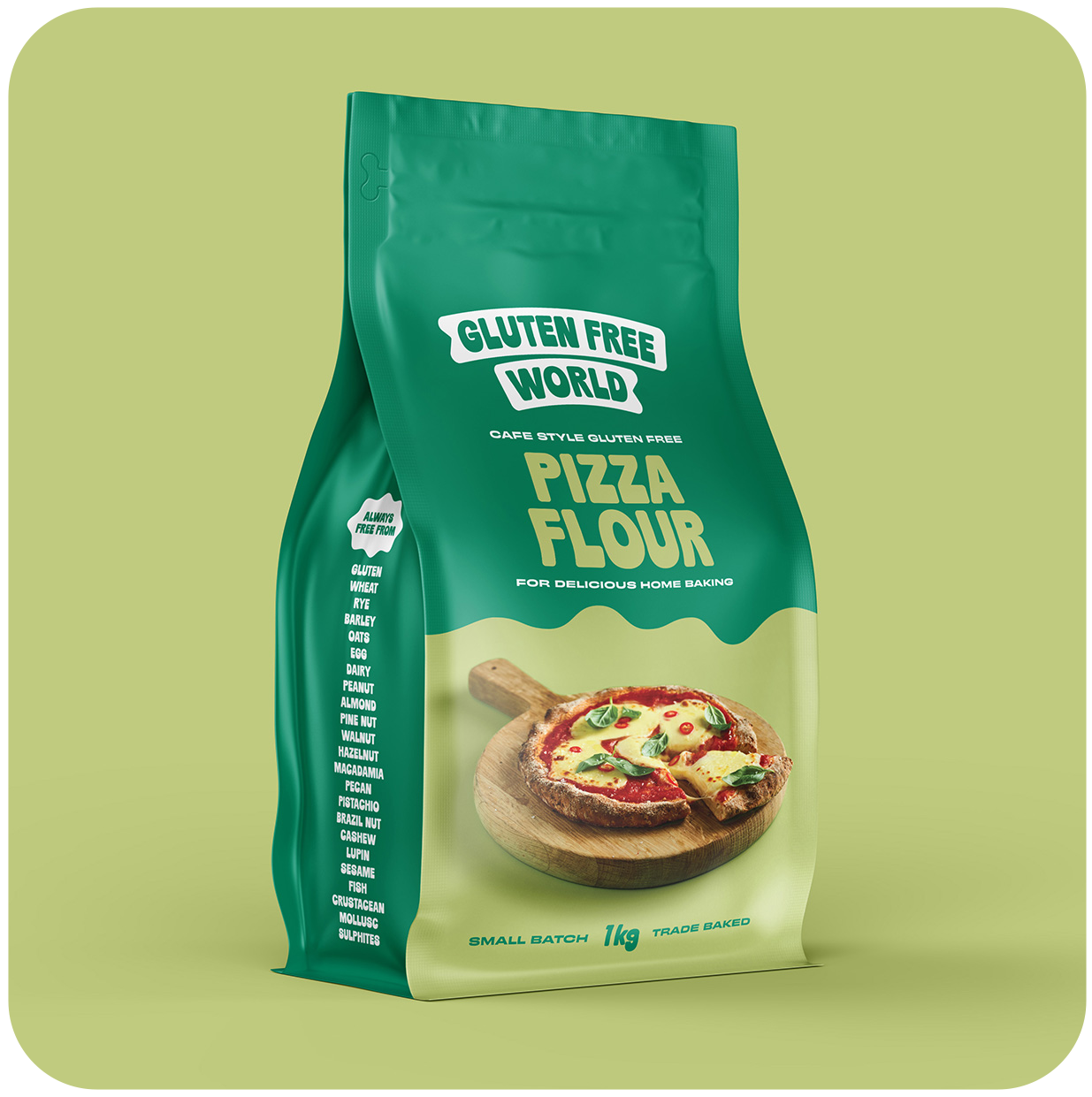
At Gluten Free World, we know many beginners want a starting point that feels simple and reliable. That is why using our gluten-free flour or our gluten-free pizza flour can be a helpful way to make homemade gluten-free pizza dough feel more achievable.
Store-bought dough can still be a practical option, especially on busy nights or when you are just getting started. It takes the pressure off and can make eating gluten-free pizza feel much more manageable.
The better option is not always homemade or store-bought by default. It is the one that suits your needs, your routine and the ingredients you feel good about using.
Can Gluten-Free Pizza Fit Into a Balanced Diet?
Yes, it can. A gluten-free diet can still include pizza, as long as you look at the whole meal rather than the base on its own.
A more balanced pizza night might include vegetables, a source of protein and a sensible amount of cheese, along with a simple salad on the side. That way, your gluten-free pizza can still feel satisfying without becoming too heavy.
Common Myths About Gluten-Free Pizza Dough
-
Myth: Gluten-free means healthier
Reality: Gluten-free is essential for some people, but it is not automatically healthier for everyone. -
Myth: Gluten-free means lower carb
Reality: Many gluten-free crusts still use starches, so they are not always lower in carbs than regular dough. -
Myth: Gluten-free means less processed
Reality: Some gluten-free products use simple, natural ingredients, while others are more processed, just like regular ones. -
Myth: Gluten-free pizza is only for people with coeliac disease
Reality: People with gluten sensitivities, gluten intolerance and mixed household needs may also choose it.
What Gluten-Free Pizza Dough Can Teach Us About Gluten-Free Baking
One of the most useful lessons in gluten-free baking is that the label is only the starting point. What matters most is how the product is made, what ingredients it uses and whether it suits the person eating it.
At Gluten Free World, we believe gluten-free baking becomes much less overwhelming when you focus on simple ingredients and realistic expectations. Whether you are testing gluten-free alternatives for the first time or making pizza night easier with our gluten-free flour or our gluten-free pizza flour, the goal is not perfection but finding what works well in your kitchen.
Final Thoughts
So, is gluten-free pizza healthier? For people who need to avoid gluten, yes, it is often the safer and healthier choice. For everyone else, the answer depends on the ingredients, the nutrition and how that pizza fits into your overall diet.
The most helpful approach is to look beyond the label and compare the full picture. At Gluten Free World, we always encourage our readers to focus on ingredients that suit their needs and help them feel confident in the kitchen. If you are making homemade pizza, starting with our gluten-free flour or our gluten-free pizza flour can make it easier to create a base that works for your taste, texture and routine.
Frequently Asked Questions
Is gluten-free pizza healthier than regular pizza?
Not always. Gluten-free pizza can be a healthier choice for people with coeliac disease, gluten intolerance, or non-coeliac gluten sensitivity. Still, it is not automatically better than regular pizza for everyone. The ingredients, nutrition and portion size matter more than the gluten-free label alone.
How much healthier is gluten-free pizza?
That depends on the recipe or product. Some gluten-free pizza doughs use natural ingredients and offer good nutrition, while others use more starch, salt, or added fat. For people who need to avoid gluten, the health benefits are clear, but for others, it varies.
Is gluten-free pizza lower in carbs?
Usually not. Many gluten-free pizza crusts are made with rice flour, potato starch, or tapioca starch, which can still be high in carbs. If lower carbs matter to you, it is better to check the label than assume gluten-free means lighter.
Is a gluten-free diet healthier for everyone?
No, not for everyone. A gluten-free diet is essential for people with coeliac disease and helpful for some with gluten sensitivities, but it does not automatically improve health for everyone else. Some gluten-free products can still be highly processed or lower in fibre.
What should I look for in a gluten-free pizza dough?
Check the flour blend, fibre, protein, and sodium first. It also helps to look for a gluten-free pizza dough made with balanced ingredients rather than relying only on starches and additives. If you are shopping for someone with coeliac disease, make sure it is suitable for gluten-free eating.
