Professional-Grade Gluten Free Flours | Vegan & Allergy Friendly | Australia-Wide Delivery


· By R2R Team
Gluten-Free Pizza Dough vs GF Bread Dough: What’s the Difference?
If you are new to gluten-free baking, it is easy to assume that all dough works in a similar way. But when it comes to pizza dough vs bread dough, the differences matter more than many beginners expect. While they may use some of the same ingredients, they are made for different baking outcomes and are not usually interchangeable.
Gluten-free pizza dough is designed for a flat base that can hold toppings and bake into a proper crust. Gluten-free bread dough is designed for a softer, more sliceable result that works better for loaves, rolls or buns. Once you understand that distinction, choosing the right dough becomes much simpler.
If you have ever wondered whether you can use one in place of the other, you are not alone. In this guide, we will look at how each one behaves in gluten-free baking and how to choose the right option for the result you want.
Why Pizza Dough and Bread Dough Are Different
Pizza dough and bread dough behave differently because they are made for different results. In gluten-free baking, that difference comes from the gluten-free flour used, the hydration and any binders in the recipe.
That matters because gluten-free dough needs a different kind of structure. Instead of relying on gluten, the recipe depends on the gluten-free flour, the moisture level and the mixing method to create the result we want.
What Gluten-Free Pizza Dough Is Designed to Do
Gluten-free pizza dough is usually made to create a base that bakes well under sauce and toppings without losing its shape. Depending on the recipe, that could mean a thin crust, a crispy crust or a base with a chewy texture around the edges.
A good pizza dough recipe is built for structure and bite. Even when the dough starts out soft, the aim is for it to bake into a base that feels sturdy enough underneath the toppings while still being enjoyable to eat.
Typical features of gluten-free pizza dough include:
-
A flatter shape for pizza bases
-
Better support for pizza sauce and toppings
-
A crust that can be crisp, chewy or somewhere in between
-
A dough that is often pressed out rather than stretched by hand
-
A bake that works well on a pizza stone, pizza pan or baking sheet
-
A hot oven to help create a firmer, golden brown crust
What Gluten-Free Bread Dough Is Designed to Do
Gluten-free bread dough is usually made for softness, sliceability and a more even crumb. Rather than focusing on a firm base, it is designed to rise and bake into something closer to a loaf, roll or artisan-style loaf.
That usually means a softer dough and a different shaping method. While bread dough and pizza can sometimes cross over, bread dough is generally not the best choice when you want a more classic pizza crust.
Typical features of gluten-free bread dough include:
-
A softer dough before baking
-
More focus on tenderness than crust
-
Better suitability for loaves, rolls or buns
-
A final shape that is easier to slice
-
Baking in tins or loaf pans rather than on a flat base
Gluten-Free Pizza Dough vs Gluten-Free Bread Dough at a Glance
Here is a simple side-by-side comparison to make the difference between gluten-free pizza dough and gluten-free bread dough easier to understand.
|
Feature |
Gluten-Free Pizza Dough |
Gluten-Free Bread Dough |
|
Main purpose |
Made for a flat base that can hold sauce and toppings |
Made for loaves, rolls, buns and other soft bakes |
|
Final texture |
Can be crisp, chewy or firm around the edges |
Usually softer, more tender and easier to slice |
|
Shape before baking |
Pressed or spread into a pizza base |
Often spooned, scraped or shaped into a tin or loaf form |
|
Structure |
Built to support toppings without collapsing |
Built for softness, rise and a more even crumb |
|
Handling |
Usually pressed out by hand rather than stretched |
Usually handled more gently and shaped with less structure |
|
Best baking setup |
Hot oven, pizza stone, pizza pan or baking sheet |
Loaf tin, baking tin or tray |
|
Best result |
Pizza crust, flatbread-style bases or a sturdy homemade pizza |
Every day bread, toast, sandwich loaves, rolls or buns |
|
Can it replace the other? |
Not usually the best choice for bread |
Can make a pizza-style bake, but usually turns out softer and more bread-like |
Do They Use the Same Ingredients?
Sometimes yes, but not always in the same balance. Many gluten-free dough recipes use similar basics, such as gluten-free flour, warm water, yeast, salt and olive oil. Some also include psyllium husk or gums to improve structure and help hold moisture.
Even when the same ingredients appear in both recipes, the ratios can change quite a lot. The amount of water, the amount of olive oil and the type of gluten-free flour used can all influence whether the dough behaves more like pizza dough or more like basic bread dough.
In gluten-free baking, those differences are usually shaped by the gluten-free flour used, the hydration and any binders in the recipe.
How the Mixing and Handling Can Differ
One of the biggest surprises for beginners is that gluten-free dough often does not behave like wheat-based dough. Depending on the recipe, it may be stickier, softer or more batter-like than expected.
That means the kneading method can look different, too. Instead of a long kneading process on a floured surface, gluten-free dough is often mixed thoroughly with a spoon, spatula, dough hook or stand mixer.
When making pizza dough, you may notice:
-
Less hand-kneading than with traditional pizza dough
-
More reliance on mixing than stretching
-
A dough that is pressed or spread rather than tossed
-
A dough inside the bowl that still looks softer than expected before baking
When making bread dough, you may notice:
-
A softer dough that is often spooned or scraped into a tin
-
Less shaping than in a wheat-based loaf
-
More focus on moisture retention and dough rise
-
A final texture that depends heavily on the gluten-free flour used
If you are mixing by hand, a wooden spoon can work perfectly well for smaller batches. If you are using a mixer, a dough hook may help, although gluten-free dough will usually still feel softer than fresh dough made with wheat flour.
What About Yeast, Rise and Fermentation?
Both doughs can use yeast, but the rise is usually there for slightly different reasons depending on the final bake. In both cases, yeast acts as the leavening agent and helps create lift.
Some recipes use active dry yeast, while others use instant yeast. You may also see sourdough starter or wild yeast used in recipes for sourdough pizza or artisan bread.
With both pizza dough and bread dough, you may see:
-
Warm water is used to activate the yeast
-
Time set aside for the dough to rise
-
A resting stage before baking
-
An airtight container to help protect moisture
-
Some level of bulk fermentation or resting time
Still, the fermentation period and handling can differ. Pizza dough typically benefits from resting to improve flavour, texture and shaping, while bread dough may need more time to support volume and crumb. Different cooking processes also affect the result, especially when comparing a loaf baked in a tin with pizza baked quickly in a hot oven.
Can You Use Bread Dough to Make Pizza?
Sometimes, yes, but the result may not feel like a classic pizza. If you use bread dough and pizza is your goal, the finished base will often turn out softer, thicker and more bread-like than expected.
That does not mean it will be bad. It may still be delicious, but it is more likely to resemble a flatbread or focaccia-style base than a traditional pizza crust. If your goal is to make pizza with a thinner or crispier base, a dedicated pizza dough recipe will usually give you better results.
Can You Use Pizza Dough to Make Bread?
Usually not with the same success. Pizza dough is generally designed for a flatter shape and a crust-focused finish, so it does not usually produce the soft, sliceable result most people want when making bread dough for a loaf.
You may be able to use leftover pizza dough for bread rolls or a simple side bake, but it is rarely the best option if your goal is proper bread. For making bread, it is almost always better to use a dough that was designed for that purpose from the start.
Which One Is Better for Beginners?
That depends on what you want to bake.
If your goal is pizza night at home, start with a gluten-free pizza dough recipe. It will be better suited to shaping, topping and baking into a sturdy base that can handle pizza sauce and pizza toppings.
If your goal is a loaf, rolls or everyday toast, start with a bread dough recipe instead. Trying to use one dough for every purpose can make gluten-free baking feel more confusing than it needs to be.
At Gluten Free World, we always encourage beginner bakers to start with the dough that matches the result they want. It keeps the process more straightforward and makes success feel much more achievable.
Helpful Ways to Get Better Results
No matter which dough you are using, a few small choices can make a big difference:
-
Use the flour recommended in the recipe
-
Give the dough enough time to hydrate before baking
-
Do not expect gluten-free dough to behave exactly like wheat dough
-
Use warm water rather than cold when activating yeast
-
Bake pizza in a properly preheated hot oven for a better pizza crust
-
Use the right surface, whether that is a pizza stone, pizza pan or baking sheet
-
Let the final bake cool slightly before slicing so the structure can settle
For pizza in particular, a preheated tray or stone can help create a crispier base. For bread, tin shape, moisture and baking time often matter more.
How Our Flours Can Help
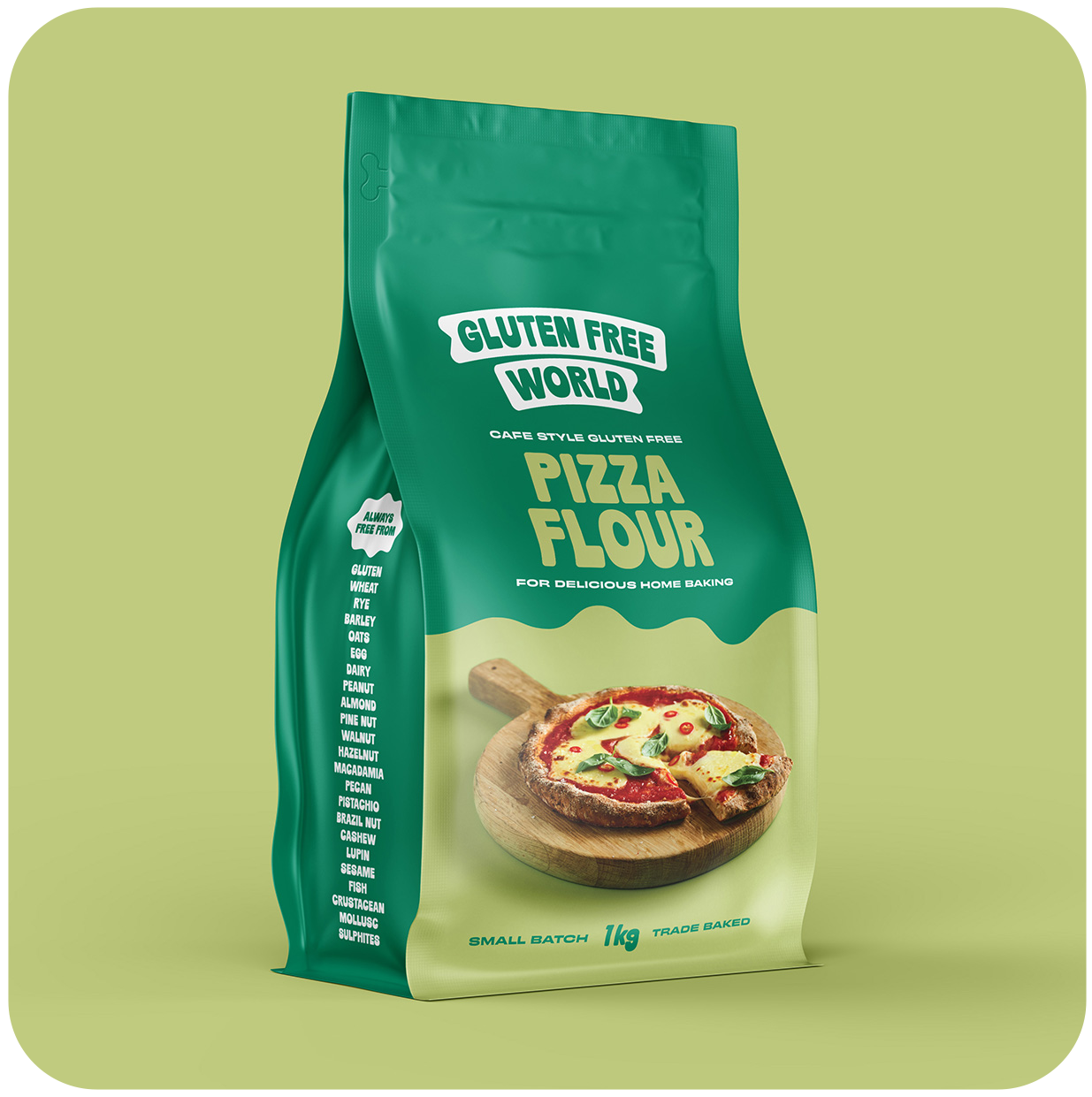
If you are planning pizza night, using gluten-free pizza flour can help create a base that is better suited to pizza crust, structure and baking performance.
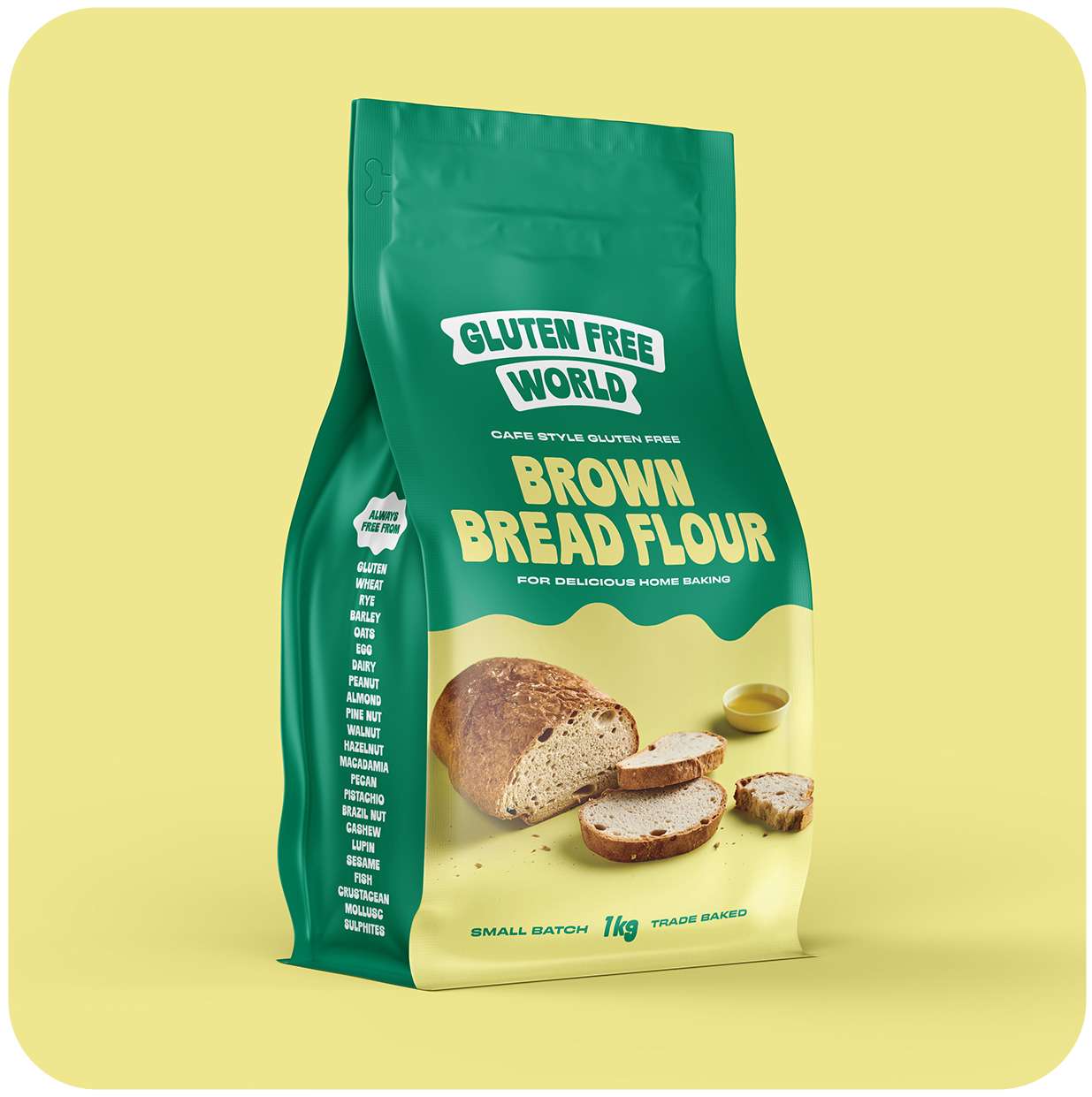
If you are making loaves, rolls or buns, gluten-free bread flour may be a better fit when you want a softer, more sliceable result.
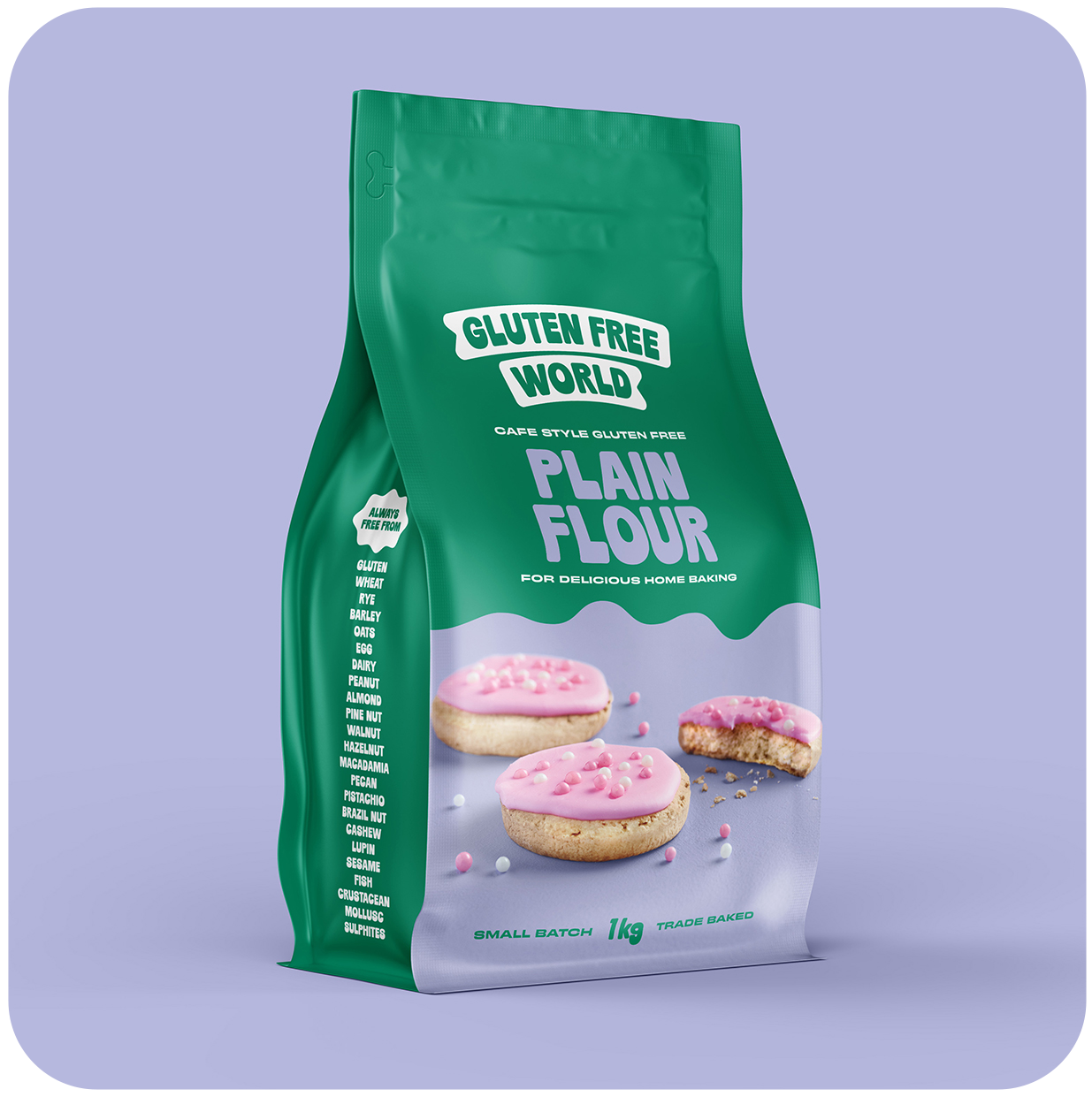
For other everyday savoury baking, a gluten-free plain flour can also be a practical option, depending on the recipe and the texture you want.
Final Thoughts
Gluten-free pizza dough and gluten-free bread dough may look similar at first, but they are designed for different jobs. Pizza dough is built for structure, crust and toppings, while bread dough is usually made for softness, rise and slicing.
Once you understand how pizza dough and bread dough differ, it becomes much easier to choose the right dough for the result you want. At Gluten Free World, we believe gluten-free baking feels far less overwhelming when you start with the right ingredients, realistic expectations and a dough that suits your goal.
Frequently Asked Questions
Can I use gluten-free bread dough to make pizza?
Yes, you can, but the result will usually be softer and more bread-like than a classic pizza crust. If you want a firmer base that holds toppings well, a gluten-free pizza dough is usually the better choice.
Is gluten-free pizza dough the same as gluten-free bread dough?
Not exactly. The main difference comes down to texture, structure and purpose. Pizza dough is usually made for crust and toppings, while bread dough is made for softness, rise and slicing.
What makes pizza dough different from bread dough?
The biggest difference is the final result. Pizza dough is made to create a pizza crust that can handle sauce and toppings, while bread dough is made for loaves, rolls and softer everyday bakes.
What flour is best for gluten-free pizza dough?
That depends on the style of crust you want. Some recipes work well with a reliable gluten-free flour, while others benefit from a more specific gluten-free pizza flour for better structure and texture.
Is pizza dough easier than bread dough for beginners?
Many beginners find making pizza dough a little easier because the shaping is often more forgiving. If your goal is to make pizza at home, it can feel like a simpler place to start than baking a full loaf.
