Professional-Grade Gluten Free Flours | Vegan & Allergy Friendly | Australia-Wide Delivery


· By R2R Team
Can You Make a Vegan Pizza Using Gluten-Free Flour?
Making a vegan pizza using gluten-free flour can feel more complicated than regular pizza baking. Removing both gluten and dairy changes how pizza dough behaves, so familiar expectations around stretch, structure, and flavour no longer apply in the same way.
This often shows up during pizza night. The dough may feel fragile, or the finished base can taste flat without the richness people usually associate with cheese. Even experienced home cooks can feel like they are starting from scratch.
The good news is that this is not about skill. Vegan pizza relies on a different balance of hydration, oil, and seasoning. Once you understand how gluten-free flour works alongside olive oil and flavour-building ingredients, making vegan pizza at home becomes far more predictable and far more enjoyable.
Why Vegan Gluten-Free Pizza Requires a Different Approach
Vegan gluten-free pizza behaves differently because it removes two core elements traditional pizza relies on: gluten for structure and cheese for richness. Without gluten, the dough cannot stretch or hold shape like wheat dough, and methods used for deep dish pizza or standard bases often do not translate well.
Without dairy, flavour also needs to be built more deliberately. Vegan mozzarella cheese and other dairy-free options melt differently and do not provide the same richness, so olive oil, seasoning, and a well-balanced sauce play a much bigger role in the final result.
When this different approach is understood, vegan gluten-free pizza becomes far more predictable. With the right hydration, thoughtful toppings, and a properly heated pizza stone or tray, it can be a great recipe for dinner tonight or a relaxed pizza party.
Can Gluten-Free Flour Work for Vegan Pizza?
Yes, you can make a vegan pizza using gluten-free flour, but the dough behaves differently from pizza dough made with wheat flour. Understanding these differences upfront helps reduce frustration and makes results far more consistent.
Key differences include:
-
No gluten, so the dough does not stretch or hold structure like wheat dough and must be supported through hydration and oil
-
Different hydration needs, as gluten-free flour absorbs water more slowly and unevenly
-
Greater reliance on olive oil, which helps support the structure and prevents the base from drying out
-
Less tolerance for heavy toppings, especially on vegan pizza dough, where excess weight can affect baking
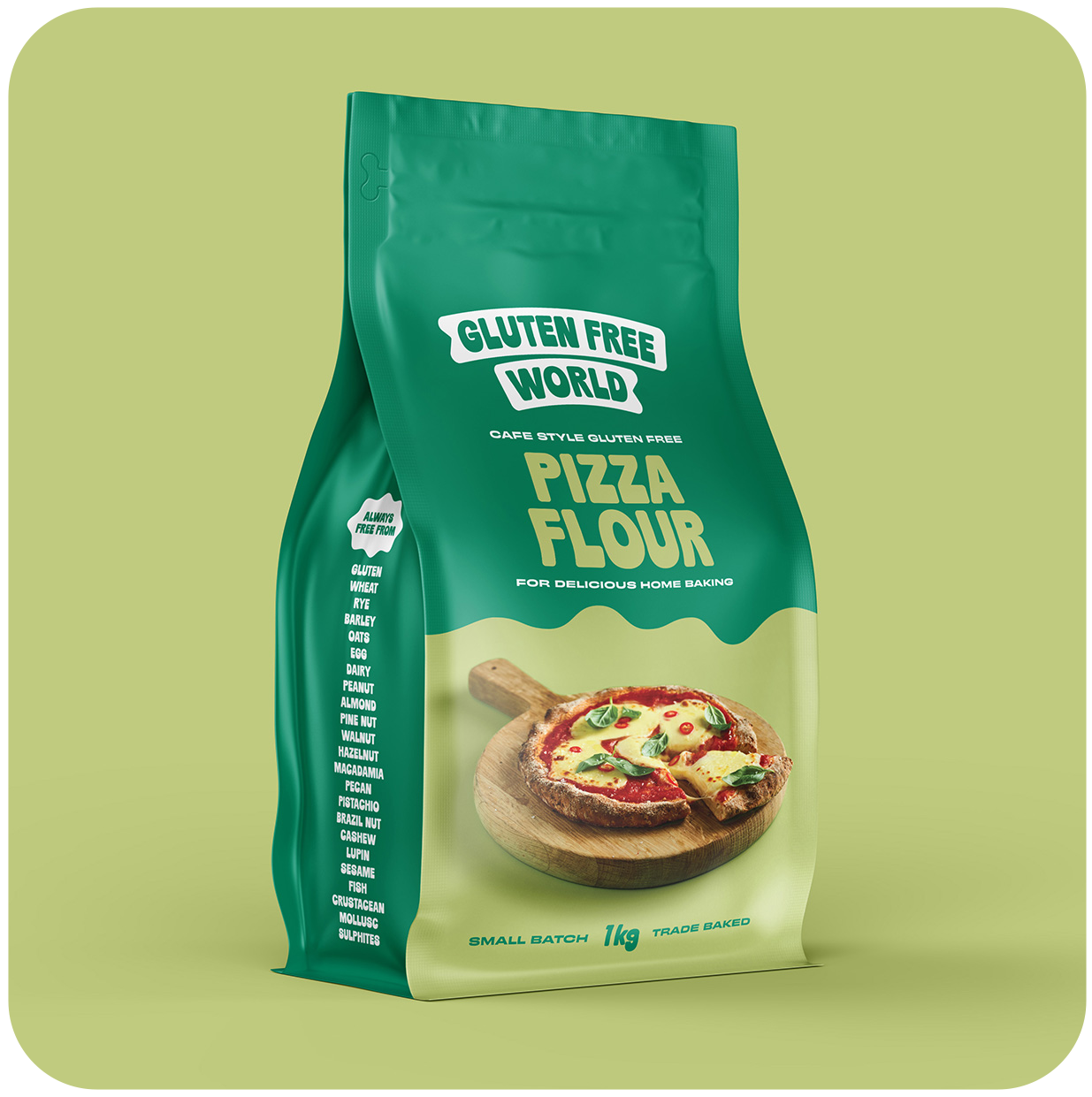
Because of this, vegan pizza dough made with gluten-free flour needs a different approach than a traditional pizza recipe. When expectations and ingredients are aligned, a pizza-specific blend like gluten free pizza flour can produce a homemade vegan pizza that holds together well, bakes evenly, and feels far more reliable to work with.
Choosing the Right Gluten-Free Flour for Vegan Pizza

Not all gluten-free flours behave the same way when used for vegan pizza. A flour designed specifically for pizza dough is usually more consistent than a general-purpose blend.
Pizza-specific gluten-free flour is formulated to:
-
Hydrate evenly with warm water and olive oil
-
Hold together without relying on dairy or eggs
-
Bake evenly without drying out at the outer edges
-
Support tomato sauce, vegan cheese, and vegan pizza toppings
General-purpose options like gluten-free plain flour or gluten-free self-raising flour can still be used, but they are designed for broader baking. When used for vegan pizza, the dough may feel softer and less stable, especially during shaping and baking.
How Vegan Pizza Builds Flavour Without Cheese
When cheese isn’t used, vegan pizza depends more on fats and seasoning to build flavour and balance. A small amount of oil in the dough helps prevent dryness and improves the overall texture of gluten-free bases as they bake.
Flavour is built through sauce and seasoning rather than dairy. A good vegan pizza benefits from:
-
Tomato sauce or pizza sauce that is well-seasoned and not watery
-
Small amounts of tomato paste for depth
-
Seasonings like sea salt, garlic powder, dried oregano, or red pepper flakes
-
Fresh basil added after baking
When these elements are balanced, vegan pizza develops a full flavour on its own. This approach works especially well for homemade vegan pizza, where simple ingredients can still deliver a satisfying pizza experience.
Vegan Pizza Toppings That Work Best on Gluten-Free Bases
Toppings play a bigger role on a gluten-free base, especially for vegan pizza. Heavier ingredients can overwhelm the dough and affect how evenly it bakes, so choosing balanced toppings makes a noticeable difference.
Vegetable toppings that work well include:
-
Bell peppers for sweetness and colour
-
Red onion for savoury depth
-
Cherry tomatoes used sparingly to avoid excess moisture
-
Black olives for salt and contrast
Vegan cheese also behaves differently from dairy cheese on a gluten-free base. Using vegan mozzarella or other dairy-free cheeses in moderation helps prevent sogginess, while pairing them with vegetables, vegan pesto, or flavour-forward sauces like creamy peanut sauce often creates a better balance than relying on cheese alone.
Common Mistakes When Making Vegan Gluten-Free Pizza
Most issues with vegan gluten-free pizza come from treating it like regular pizza. Without gluten or dairy to support the base, small choices around dough handling, oil, and toppings have a much bigger impact on the final result.
Common mistakes include:
-
Expecting vegan pizza dough to behave like wheat dough or a traditional wheat crust
-
Using store-bought flour instead of gluten-free pizza flour
-
Adding too much tomato sauce or pizza sauce can make the base soggy
-
Skipping olive oil or extra virgin olive oil, leading to dryness
-
Overloading toppings, especially vegan cheese or heavier options like vegan sausage
-
Under-seasoning the base and sauce
Avoiding these habits helps homemade vegan pizza bake evenly and hold together well. With balanced toppings, enough oil, and thoughtful seasoning, it becomes a good pizza people absolutely love, even when making a big batch or adjusting serving size and prep time.
Is Vegan Gluten-Free Pizza Worth Making at Home?
Yes. Vegan pizza made with gluten-free flour is worth making at home when it is approached with balance and the right expectations. With a pizza-friendly base, enough olive oil, a well-seasoned sauce, and thoughtfully chosen toppings, it delivers a satisfying result without trying to copy a wheat-and-cheese pizza.
At Gluten Free World, we see that when flavour and structure are handled deliberately, homemade vegan pizza works beautifully for pizza night, casual gatherings, and feeding both plant-based eaters and meat eaters who still want a genuinely good pizza.
FAQs About Vegan Pizza and Gluten-Free Flour
Is vegan pizza always gluten-free?
No. Vegan pizza is dairy-free and plant-based, but many versions still use wheat flour or a traditional wheat crust. To make vegan pizza gluten-free, the base must be made with gluten-free flour instead of wheat.
Can gluten-free pizza dough be vegan?
Yes. A vegan pizza dough recipe can be made with warm water, olive oil, and gluten-free flour, without eggs or dairy. This combination works well for homemade pizza and suits plant-based eating.
What makes vegan pizza taste good without cheese?
Vegan pizza builds flavour through well-seasoned sauce, olive oil, herbs, and balanced toppings. These elements add extra flavour and help create a great pizza, even for non-vegan eaters.
What can you use instead of cheese on pizza?
You can use vegan mozzarella, soy-free dairy-free cheeses, or skip cheese entirely. Many versions of the best vegan pizza recipe rely on vegetables, sauces, and herbs to create richness without cheese.
Is vegan gluten-free pizza suitable for the whole family?
Yes. When baked properly on a baking sheet and topped with familiar flavours, vegan pizza can be a great pizza that everyone enjoys. Many families find a well-made homemade pizza wins people over after one slice.
