Professional-Grade Gluten Free Flours | Vegan & Allergy Friendly | Australia-Wide Delivery


· By R2R Team
Gluten-Free Flour 101: How to Choose (and Use) the Right One for Every Bake
Choosing the right gluten-free flour can be confusing, even for experienced bakers. A flour that works well for bread may fail in cakes or muffins, and a simple swap from wheat flour or regular flour often leads to dry, dense, or gritty baked goods.
This happens because gluten-free flour is not a single ingredient, but a system made from different flours and lighter starches designed to support gluten-free food for people who avoid gluten. It commonly includes rice flour, white rice flour, brown rice flour, almond flour, oat flour, coconut flour, sorghum flour, buckwheat flour, and other gluten-free flours, combined with starches such as tapioca starch, potato starch, corn starch, or arrowroot starch, along with binders like xanthan gum to create structure and balance.
This guide explains how gluten-free flour blends and flour systems work, how to choose the right option for different bakes, and why Gluten Free World focuses on well-balanced formulations rather than one-to-one substitution.
Why Gluten-Free Flour Is More Complex Than Wheat Flour
Wheat flour works across many recipes because gluten forms a natural structure when mixed with liquid. This structure provides strength, elasticity, and moisture retention, which is why the same wheat flour can be used for bread, cakes, muffins, and pastries with only small adjustments.
Gluten-free flour does not contain this built-in network. Instead, structure must be created through formulation, using a combination of gluten-free flours for body and starches for softness and elasticity, such as rice flour, potato flour, corn flour, or gram flour. Because this structure is engineered rather than inherent, balance matters far more than substitution.
This is why gluten-free baking depends on purpose and design. A single gluten-free plain flour cannot perform the same way in every bake, and choosing flour based on function is often the difference between a reliable result and a disappointing one.
Two Paths in Gluten-Free Baking: Build-It-Yourself vs Blended Solutions
Most gluten-free bakers end up following one of two approaches. Knowing which path you’re on makes it much easier to choose the right flour and avoid unnecessary frustration.
Build-it-yourself flours
This approach offers control over flavour and nutritional quality, but it can be time-consuming, and results vary based on personal preference. Bakers adjust ratios based on texture, structure, and flavour, often refining blends through trial and error over time.
Blended gluten-free flours
Blended flours are professionally formulated to balance structure, softness, and consistency. They remove much of the guesswork by combining base flours, starches, and binders in tested ratios. For many home bakers, blends provide more predictable results across everyday gluten-free baking.
Blended gluten-free flour mixes are carefully selected and tested to perform consistently across many everyday gluten-free bakes.
Specialty Blends: Choosing Gluten-Free Flour by Function
Not all gluten-free baking has the same needs. While general-purpose blends offer flexibility, some bakes perform far better when the flour is designed for a specific function rather than used as a one-size-fits-all solution.
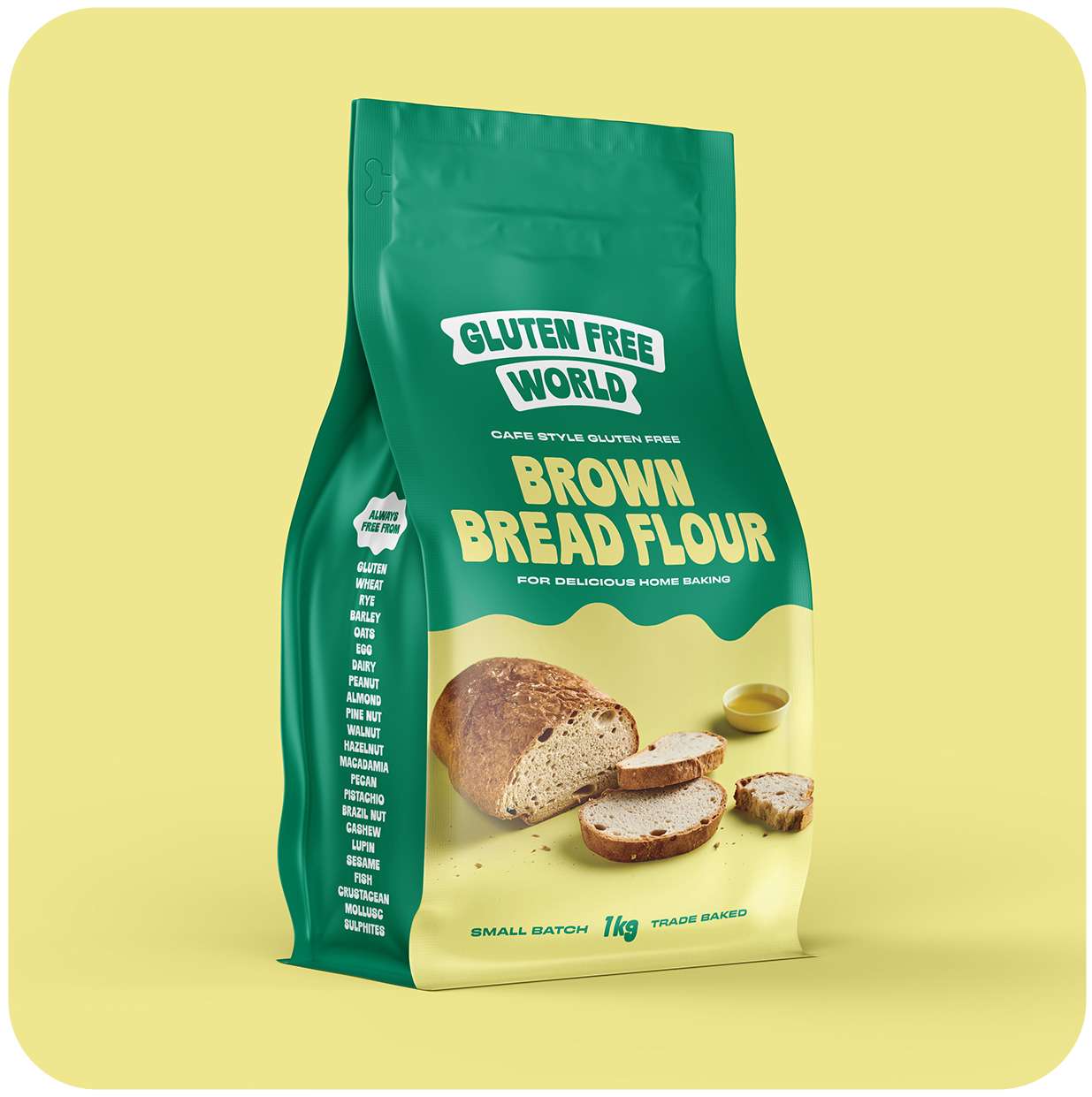
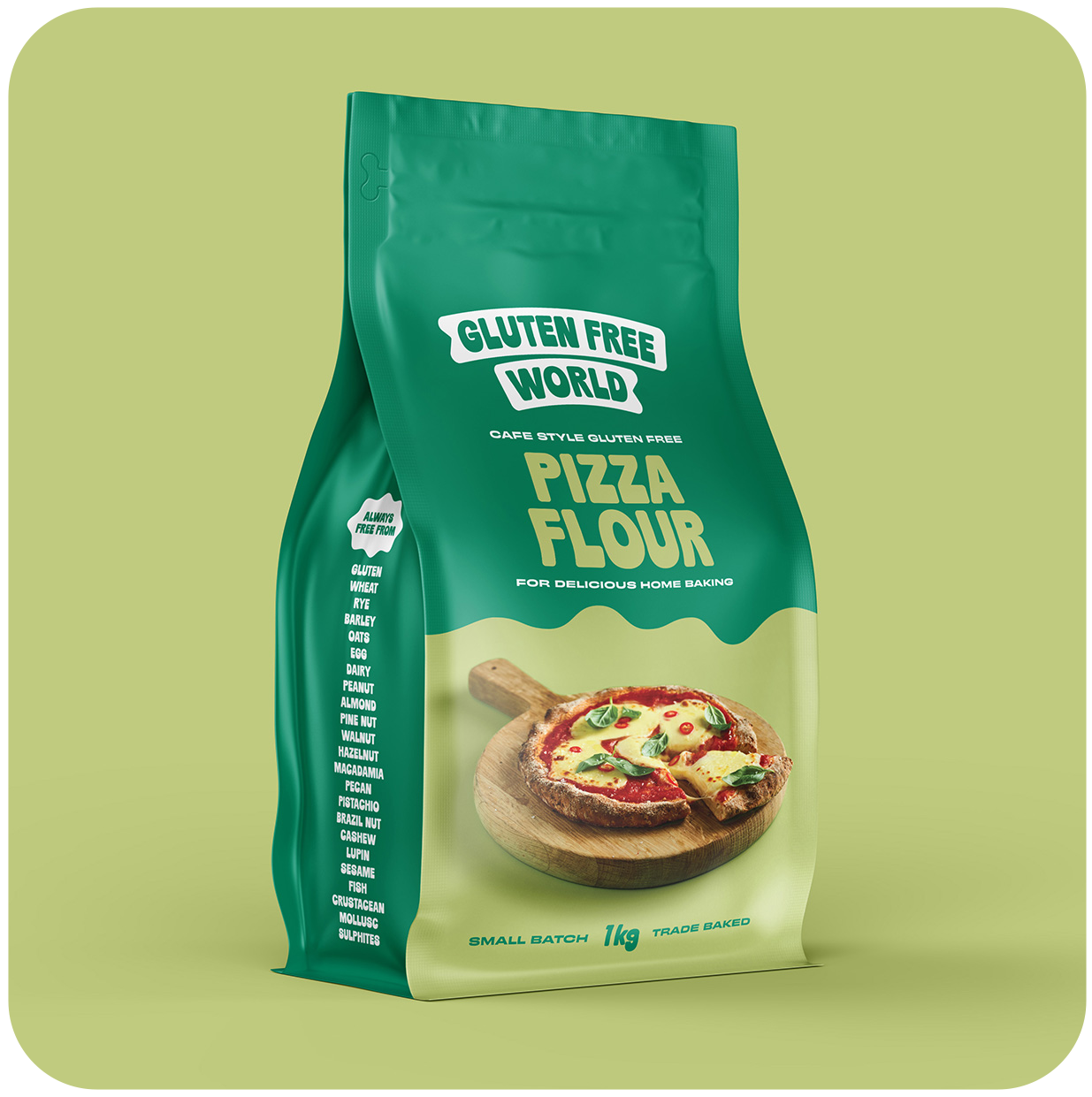
Breads and pizza bases need strength and structure. These bakes rely on flours formulated to support rise, hold shape, and retain moisture during baking, helping prevent dense or crumbly results.
Cakes and lighter bakes benefit from softer formulations. These blends prioritise tenderness and a light crumb instead of structural strength, making them better suited to cakes, muffins, and desserts.
This functional approach explains why no single gluten-free flour works perfectly for every recipe. Choosing flour by what it needs to do, rather than trying to substitute one-to-one, leads to more consistent and predictable results across different types of baking.
Gluten-Free Cake Flours vs Cake Mixes

Gluten-free cake flours and gluten-free cake mixes are often grouped together, but they serve different purposes in baking. Understanding the difference helps avoid frustration and improves results, especially when adapting recipes.
Gluten-free cake flours are ingredient-level products. They are formulated to provide structure and a soft, light crumb while allowing the baker to control sugar, fat, and flavour. These flours are designed to work across multiple recipes, from simple sponges to layered cakes.
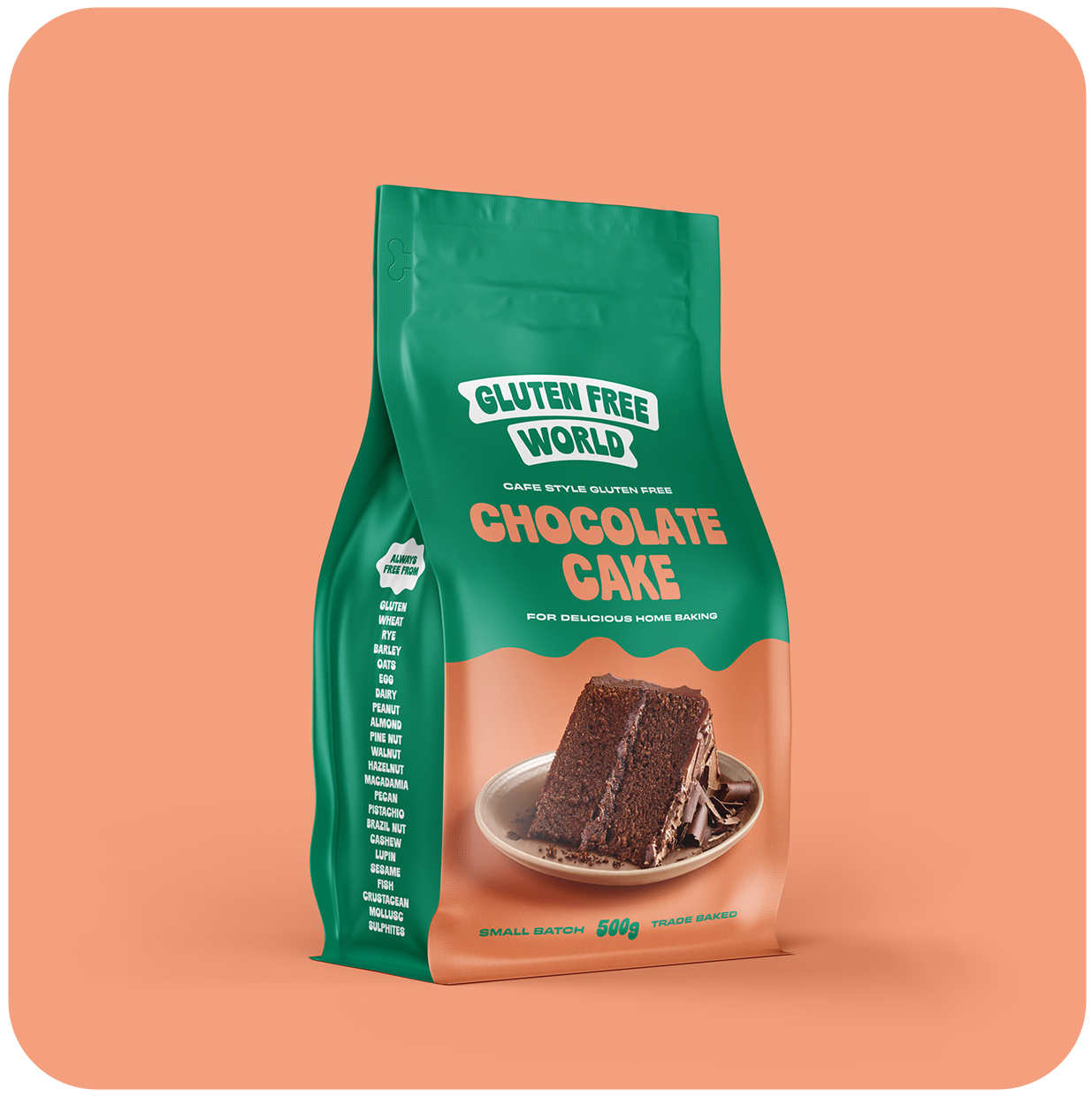
Gluten-free cake mixes are complete baking systems designed for convenience, such as a gluten-free vanilla cake mix, while cake flours allow more control over flavour and structure. They include flour, sugar, leavening, and flavouring, which makes them consistent but less flexible. Because everything is already balanced, cake mixes are not interchangeable with gluten-free flour or plain flour in recipes.
Knowing whether you are working with a flour or a mix helps you choose the right product and avoid unbalanced or disappointing bakes.
How to Choose the Right Gluten-Free Flour

Choosing the right gluten-free flour comes down to what you want the flour to do. Gluten-free baking is more predictable when flour is chosen by function rather than treated as a direct replacement for wheat flour.
A simple way to decide:
-
For everyday baking
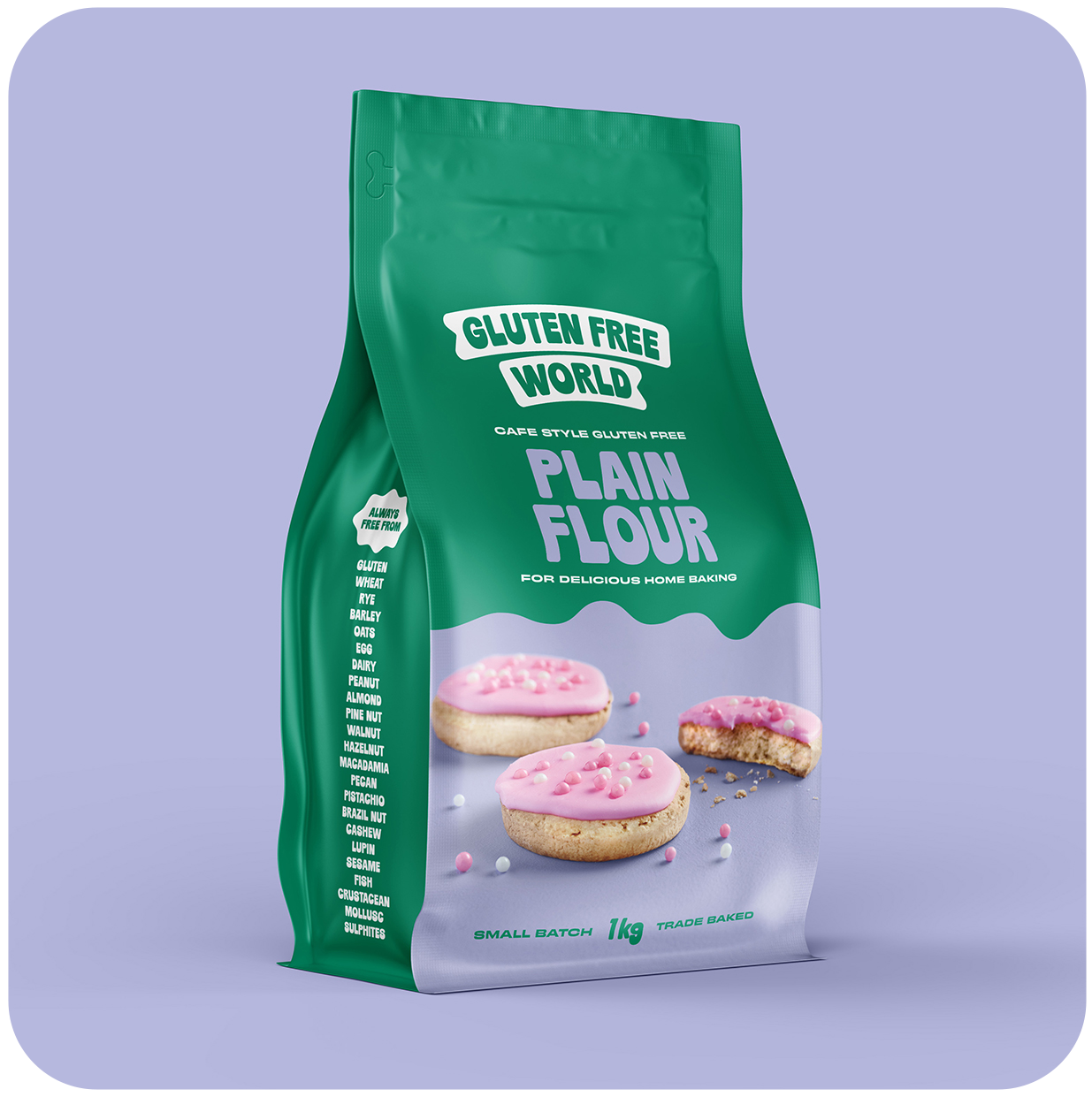
A well-balanced gluten-free plain flour works well for cakes, muffins, slices, and general use where flexibility matters. -
For structured bakes
Specialty flours perform better when structure is important. Gluten-free bread flour supports rise and crumb, while gluten-free pizza flour focuses on elasticity and heat tolerance. -
For control vs convenience
Building your own blend offers flexibility but takes time and testing. Professionally formulated flours reduce guesswork and deliver consistent results.
There is no single gluten-free flour that suits every recipe. The best choice is the one that fits your baking style and delivers reliable results with less trial and error.
Whether you choose a purpose flour or a blended option, the right choice depends on how you bake and what matters most to you.
Key Takeaway
Gluten-free baking becomes much easier once you stop treating gluten-free flour like wheat flour. Different bakes need different performance, and choosing flour by function leads to more consistent results.
A well-balanced gluten-free flour or purpose-driven blend removes guesswork and reduces trial and error. At Gluten Free World, we focus on flour systems designed for specific bakes rather than one-to-one substitution, helping make gluten-free baking more predictable.
Frequently Asked Questions
What are gluten-free flours made from?
Gluten-free flours are made from grains, starches, legumes, and nuts rather than wheat. Common ingredients include rice flour and tapioca starch.
Are gluten-free flour blends better than single flours?
For most home bakers, yes. Single flours require careful balancing and testing, while gluten-free flour blends are formulated to deliver more consistent results across everyday recipes.
Why doesn’t gluten-free flour behave like wheat flour?
Wheat flour contains gluten, which provides structure and elasticity. Gluten-free flour relies on combinations of flours, starches, and binders to create structure, which is why it behaves differently during mixing and baking.
Can gluten-free flour be swapped one-to-one?
Sometimes, but not always. Some gluten-free flour blends are designed for one-to-one use, while single flours like rice flour or almond flour are not interchangeable without affecting texture.
Why do some gluten-free flours work better for bread?
Bread needs strength and structure, while cakes need softness and lightness. Gluten-free bread flours and cake flours use different ratios to support these specific outcomes.
