Professional-Grade Gluten Free Flours | Vegan & Allergy Friendly | Australia-Wide Delivery


· By R2R Team
The Best Gluten-Free Flour Mix for Bread (And Why Some Fail in Cold Weather)
Making the perfect gluten-free loaf may seem like a science experiment, but when the temperature drops, the difficulty level doubles.
If you've ever pulled a dense, gummy brick out of the oven in the middle of winter, despite using the same gluten free flour mix for bread that gave you a beautiful, fluffy loaf in summer you're not imagining things. The problem exists, it is scientific, and it is solvable.
There are two most common questions asked by people about the above problem.
What is the best gluten-free flour mix for bread?
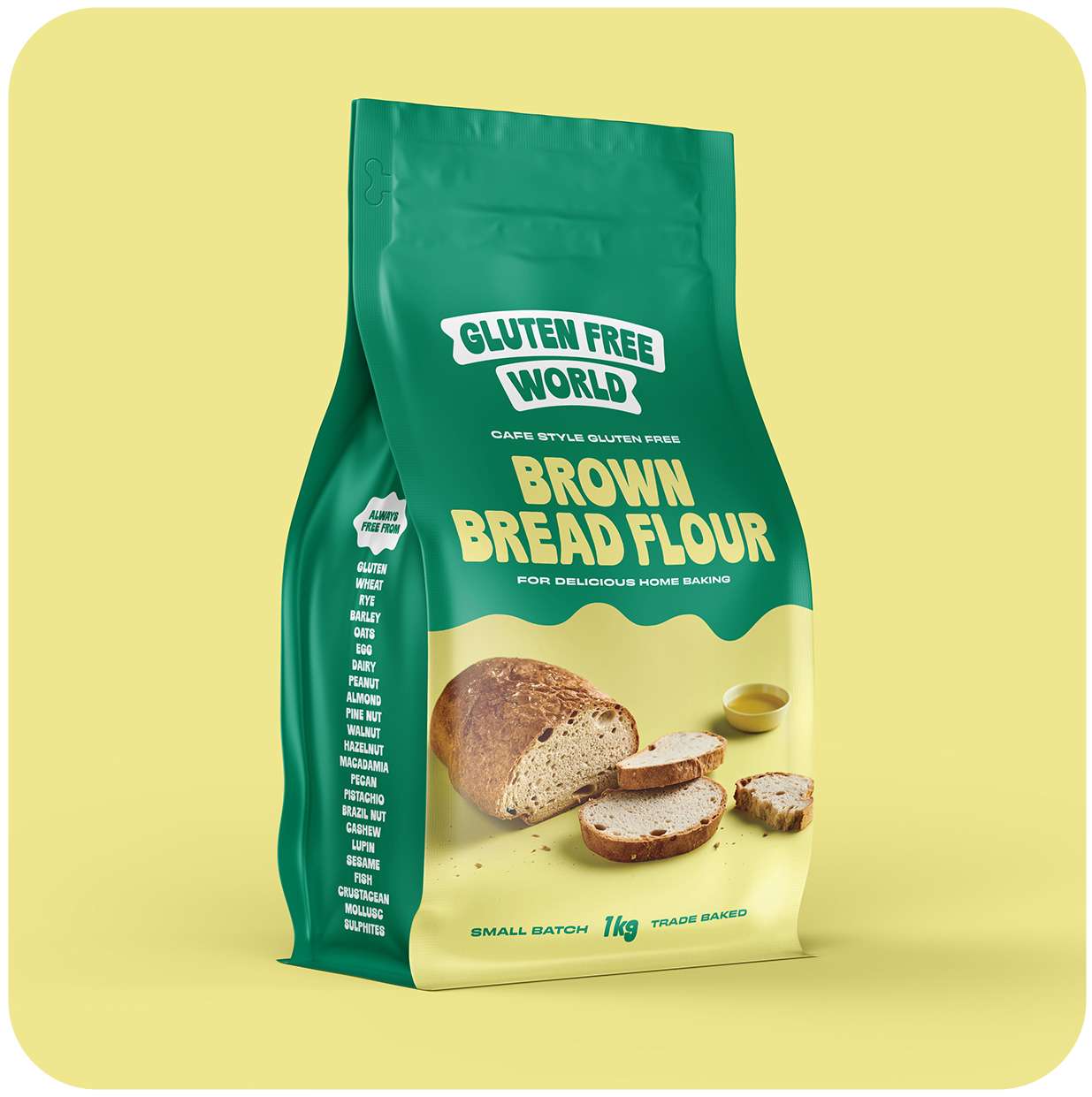
The best gluten free bread flour mix contains a combination of protein-rich flours (such as rice flour and soy flour) and a reliable starch base (such as maize starch) and an effective binder (such as psyllium), ideally without artificial additives. exactly as found in our traditional bread flour.
Why does gluten-free bread fail in cold weather?
Cold temperatures slow down yeast fermentation, alter water absorption, and delay starch gelatinisation, all of which can lead to under-rising, collapsing, or making the dough dense.
What Makes the Ultimate Gluten-Free Flour Mix for Bread?
Your gluten free flour mix for bread should have a scientific balance of proteins and starches to achieve a bakery-like rise and crumb structure without gluten. There is no magic flour; it's always a blend. Every great gluten free bread flour blend should have these ingredients:
➨ The Protein Base
Whole-grain flours are the structural backbone of any quality gluten free flour mix for bread. In Gluten Free World’s traditional bread flour, the protein comes from rice flour, soy isolate, and soy flour, a combination that builds reliable loaf structure without any need for sorghum or other whole-grain alternatives. Together, these ingredients provide the protein needed to structure the loaf during baking, while the rice flour contributes a neutral flavour profile that suits everyday sandwich bread.
If your loaf doesn't have a good protein structure, it will fall apart. It will spread, sink or be dense, whether it rises well in proofing or not.
➨ The Starch Balance
Starches are the main contributors to texture. The most commonly used workhorses for a quality gluten free bread flour blend are maize starch. Here’s what it brings to the blend:
-
Maize starch creates a light, open crumb structure and contributes to the neutral flavour profile that makes the loaf versatile for everyday use.
-
As the primary starch in the blend, maize starch gelatinises efficiently during baking to set the crumb, helping the loaf hold its shape and stay moist batch after batch.
The ratio matters. If there is excessive starch, the loaf will be gummy. If it is not applied in adequate amounts, it evaporates quickly. Getting this balance right is one of the main reasons DIY blends often fail and why investing in the best gluten free bread flour mix saves time, money, and wasted ingredients.
➨ The Binder Element
The main role of gluten in traditional bread is to entrap CO₂ generated by yeast, raising and stabilising the dough. If you don't have this ingredient, you must have a binder.
The two most effective options are:
-
Psyllium husk binder: the preferred choice for many professional and home bakers. It forms a gel when hydrated, closely mimicking gluten's elasticity. It enhances the slicing properties of the loaf, as well as decreasing crumbling.
-
Xanthan gum: a highly effective binder used in smaller quantities. Works well in commercial mixes but can cause digestive sensitivity in some people.
For most bakers, psyllium husk is the superior choice; it's natural, well-tolerated, and produces a noticeably better crumb structure in any gluten free flour mix for bread.
➨ The Clean Food Check
Numerous commercial blends are full of useless filler starches, artificial thickeners, and chemical preservatives. The additives may help to lengthen shelf life, but they affect the taste and ease of digestion, particularly for individuals who are coeliac and intolerant to several foods.
This is where it is important to select the right brand. Gluten Free World offers a traditional bread flour that is coeliac Australia certified, allergen-friendly, and professionally balanced for consistent results. It really is the best gluten free bread flour blend available for the house baker who does not wish to blend flours on their own.
When you're baking for someone with coeliac disease, consistency and certification aren't optional. With a certified gluten free bread flour, there is no need to worry about cross-contamination from multiple gluten-containing ingredients being sourced and mixed at home.
The Science: Why Gluten-Free Bread Fails in Cold Weather

This is the portion that most baking blogs avoid. Understanding the physics of cold-weather baking explains why your reliable summer recipe stops working in June or July.
➨ Sluggish Yeast Fermentation
Yeast is temperature-sensitive. It grows best at temperatures of 25° - 35°. At temperatures below 25°, its growth slows considerably. In a cold kitchen, especially during Australian winters, when the temperature indoors can fall to 15°C or less, the yeast can generate little CO₂, causing the dough to rise very little.
The result: an under-proofed, dense loaf with a tight, heavy crumb.
This problem is worse in gluten-free baking than in conventional baking because gluten free bread flour blends don't have the elastic gluten network that helps trap and hold gas bubbles even under suboptimal conditions. Every bit of CO₂ production matters, which is why your choice of gluten free flour mix for bread needs to contain a high-quality binder.
➨ Starch Gelatinisation
The starches require heat to gelatinise, absorb liquid, and become firm and structured, giving the loaf a good body. In cold conditions, there are two problems:
-
The dough absorbs liquid differently, often taking in more water at lower temperatures. This throws off your hydration ratio.
-
Gelatinisation during baking is slower, which can cause the crumb to set unevenly: dense in the middle and over-baked on the outside.
Understanding this helps explain why the same gluten free flour mix for bread produces inconsistent results across seasons without any changes to the recipe.
➨ Temperature Shock
Placing cold dough into a hot oven causes a rapid temperature differential. The outer crust sets quickly while the interior is still cold and underproofed. This is a common cause of the sunken, raw-centre problem that many bakers encounter in winter.
The remedy does not only involve the baking time, but it's also about making sure the dough is inside the oven at the correct internal temperature.
Discover Our Full Gluten Free Product Range
Shop with confidence. See full product info, certifications, and the best Gluten Free Flours for your next bake.
How to Fix Gluten-Free Baking Failures in Cold Weather
These are practical, tested solutions, not guesswork.
➨ Optimise Liquid Temperatures
The ideal temperature for yeast activation or mixing a gluten free bread flour dough is lukewarm liquids, preferably 38°C – 40°C. Ice-cold water will inhibit the activity of yeast. Water that's too hot (above 45°C) will kill it.
Take a temperature reading with a kitchen thermometer. It's cheap, and it's a common factor that makes loaves fail.
➨ Check the Ingredients

Cold weather exposes weaknesses in a flour blend. If your DIY mix is performing poorly in winter, check:
-
Whether your psyllium husk binder is fresh (it loses effectiveness over time).
-
Whether your starch ratios are appropriate for the ambient temperature.
-
Whether your yeast is active before adding it to the dough.
Gluten Free World's Traditional Bread Flour is a professionally balanced gluten free flour mix for bread that eliminates the ingredient quality variable. The batch-to-batch consistency is maintained, and the formulation is designed to perform in a range of conditions.
➨ Create an Artificial Proofing Box
This method is simple, free and very effective:
-
Preheat the oven for 1-2 minutes and then turn it off.
-
Put the covered dough in the slightly warm oven.
-
Place a baking pan of boiling water on the rack below.
This provides a warm, moist, enclosed environment (like a commercial proofing drawer) which promotes uniform yeast growth in a cold kitchen. Prefer a proofing temperature of approximately 28°C–32°C. It's this one step alone that can make a difference in any winter gluten free bread flour mix.
➨ Gauge Doneness by Temperature
Don't just guess or estimate the time. Baking gluten-free loaves can result in a baked appearance on the outside and an underbaked inside, especially when baking in colder weather.
Remove the loaf from the oven when the internal temperature is 96°C-98°C, and use a digital probe thermometer. This is the surest sign: regardless of what gluten free flour mix for bread you use or any time of year you're baking, you will have a fully baked loaf.
Conclusion
Winter doesn't need to be a time of flat, heavy or gummy bread. After understanding the science (slow yeast, changes to starch response, and temperature shock), the fixes are simple. Manage the microclimate of the kitchen, employ proper liquid temperatures, assess your binder quality and accurately measure internal doneness.
The most important aspect of any technique is to begin with the best gluten free bread flour mix. An imbalanced or low-quality gluten free bread flour blend will not make up for any technique used.
Stop guessing with DIY flour ratios. Bake with confidence using our Coeliac-Certified Traditional Bread Flour, proudly Australian-made, clean-label, and engineered for foolproof baking in any season. Visit our website and learn more about the bread flour.
