Professional-Grade Gluten Free Flours | Vegan & Allergy Friendly | Australia-Wide Delivery


· By R2R Team
Is Yeast Gluten-Free? And Which Types to Watch Out For
Yeast appears in more foods than many people realise. It helps bread rise, adds savoury flavour to some packaged foods and can show up on ingredient lists in ways that make gluten-free choices feel confusing.
So, is yeast gluten-free? In most cases, plain yeast is gluten-free. However, some yeast products may contain added ingredients or come from sources linked to beer making, barley or malt.
That is why it helps to understand the difference between everyday baker’s yeast, nutritional yeast, yeast extract and brewer’s yeast before deciding what is safe to use.
Is Yeast Gluten-Free?
Plain yeast is generally gluten-free. Yeast itself is a tiny living organism, not a grain, so it does not naturally contain wheat, barley, rye or other gluten-containing ingredients.
For most people on a gluten-free diet, plain baker’s yeast, active dry yeast and instant yeast are usually considered gluten-free. The main worry is not the yeast itself, but what has been added to it or how it has been processed.
If you have coeliac disease or are highly sensitive to gluten, it is still worth checking the package, brand website or manufacturer details before using it. This is especially important for yeast-based ingredients in processed foods, where the source may not always be clear.
Why Some Yeast Products Need a Closer Look
The concern is usually not the yeast itself, but the way it has been made, stored or added to other foods. Some yeast products are derived from beer making or appear as yeast extract in processed foods, where the source is not always clear.
Some yeast products need a closer look because of:
-
Added gluten-containing ingredients such as wheat, barley, rye, spelt or malt
-
Cross-contamination during processing, storage or packaging
-
Yeast products derived from beer making or used as a byproduct of alcohol production
-
Yeast extract or autolysed yeast extract in processed foods with unclear sources
-
Flavoured yeast products where the ingredients list is not detailed enough
-
Products without clear testing information, manufacturer feedback or a gluten-free statement on the website
Common Types of Yeast and Whether They’re Gluten-Free
Different yeast products have different purposes. Some are designed to help dough rise, while others are mainly used to add savoury flavour or appear as ingredients in packaged foods.
Discover Our Full Gluten Free Product Range
Shop with confidence. See full product info, certifications, and the best Gluten Free Flours for your next bake.
Common Types of Yeast and Whether They’re Gluten-Free
Yeast products are not all used in the same way. Some are made for baking, while others are used for flavour or appear in packaged foods. Here is a simple guide to the most common types.
| Type of Yeast | Common Use | Gluten-Free Notes |
|---|---|---|
| Active Dry Yeast | Used in bread, pizza dough and other yeast-based bakes | Usually gluten-free when plain. Check the label for gluten-containing ingredients or cross-contamination warnings. |
| Instant Yeast | Used in bread and dough recipes where a faster rise is needed | Generally gluten-free when plain, as long as it has not been mixed with wheat, barley, rye, spelt or malt. |
| Fresh Yeast | Used in some traditional bread and bakery recipes | Usually gluten-free when plain, but check the label or ask the manufacturer because storage and handling can vary. |
| Nutritional Yeast | Used for savoury flavour in meals, sauces and snacks | Often gluten-free, but it is not used for rising dough. Check for added ingredients or processing warnings. |
| Yeast Extract | Used in processed foods, spreads, sauces and savoury snacks | May be gluten-free, but the source matters. Take extra care if it comes from beer making or the source is unclear. |
Yeast Types and Ingredients to Watch Out For
Some yeast products are more likely to need label checking than plain baker’s yeast. If you have coeliac disease or react to small traces of gluten, take extra care with these:
-
Brewer’s yeast, especially if it is a byproduct of beer making or comes from spent yeast that may have had contact with barley or malt
-
Malt-based ingredients, including malt extract, malt flavouring or anything derived from barley
-
Yeast extract or autolysed yeast extract in processed foods, especially when the source is not clear
-
Flavoured yeast products, as seasonings and added ingredients may contain gluten
-
Products with “may contain wheat” or “may contain gluten” warnings, even if the main ingredient looks safe
-
Any yeast product without clear allergen information, testing details or contact details for the manufacturer
How to Check a Yeast Label for Gluten
When buying yeast, the label is the best place to start. A few quick checks can help you see whether the product is suitable for a gluten-free diet.
-
Check the ingredients list: Look for wheat, barley, rye, spelt, malt, oats or any other ingredient your doctor or dietitian has advised you to avoid.
-
Look for a gluten-free claim: If the package says gluten-free, it should meet gluten-free labelling requirements, but it is still worth checking the rest of the label if you are highly sensitive.
-
Read the “may contain” statement: Check for warnings such as “may contain wheat” or “may contain gluten”, especially if you have coeliac disease or are very sensitive.
-
Check where the yeast comes from: Be more careful with brewer’s yeast, yeast extract or autolysed yeast extract, especially if the source is not clear.
-
Contact the manufacturer if unsure: If the label does not give enough detail, check the brand website or contact the manufacturer before using it in your recipe.
Can You Use Yeast in Gluten-Free Bread?
Yes, you can use yeast in gluten-free bread. Plain baker’s yeast, active dry yeast and instant yeast can help dough rise by feeding on sugar and creating carbon dioxide.
The main difference is that gluten-free dough does not behave like wheat dough. It usually needs more moisture and does not rely on kneading in the same way, so it is important to follow the recipe closely.
Yeast extract is different from baker’s yeast and is not used to make bread rise. If you see the ingredient yeast extract on a packaged food, treat it as a label-checking issue rather than a baking yeast.
Why the Right Gluten-Free Flour Matters
Yeast can help bread rise, but the flour still affects the final texture. Without gluten, bread can turn out dense if the recipe does not have enough structure, moisture or support.
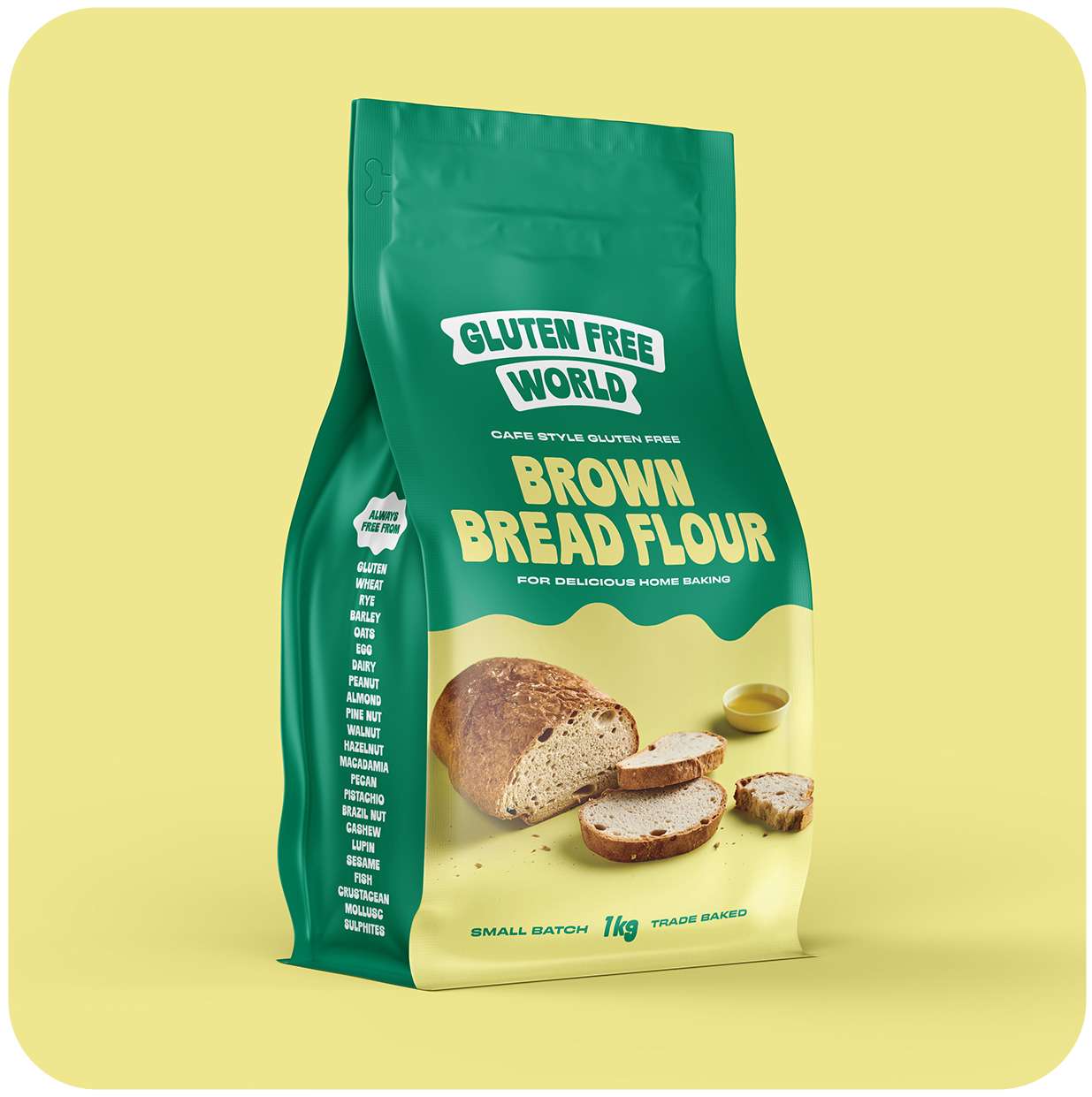
This is where choosing the right gluten-free bread flour makes baking easier. A flour made for yeast baking can help support the dough as it rises, instead of leaving you to adjust a wheat-based recipe by guesswork.
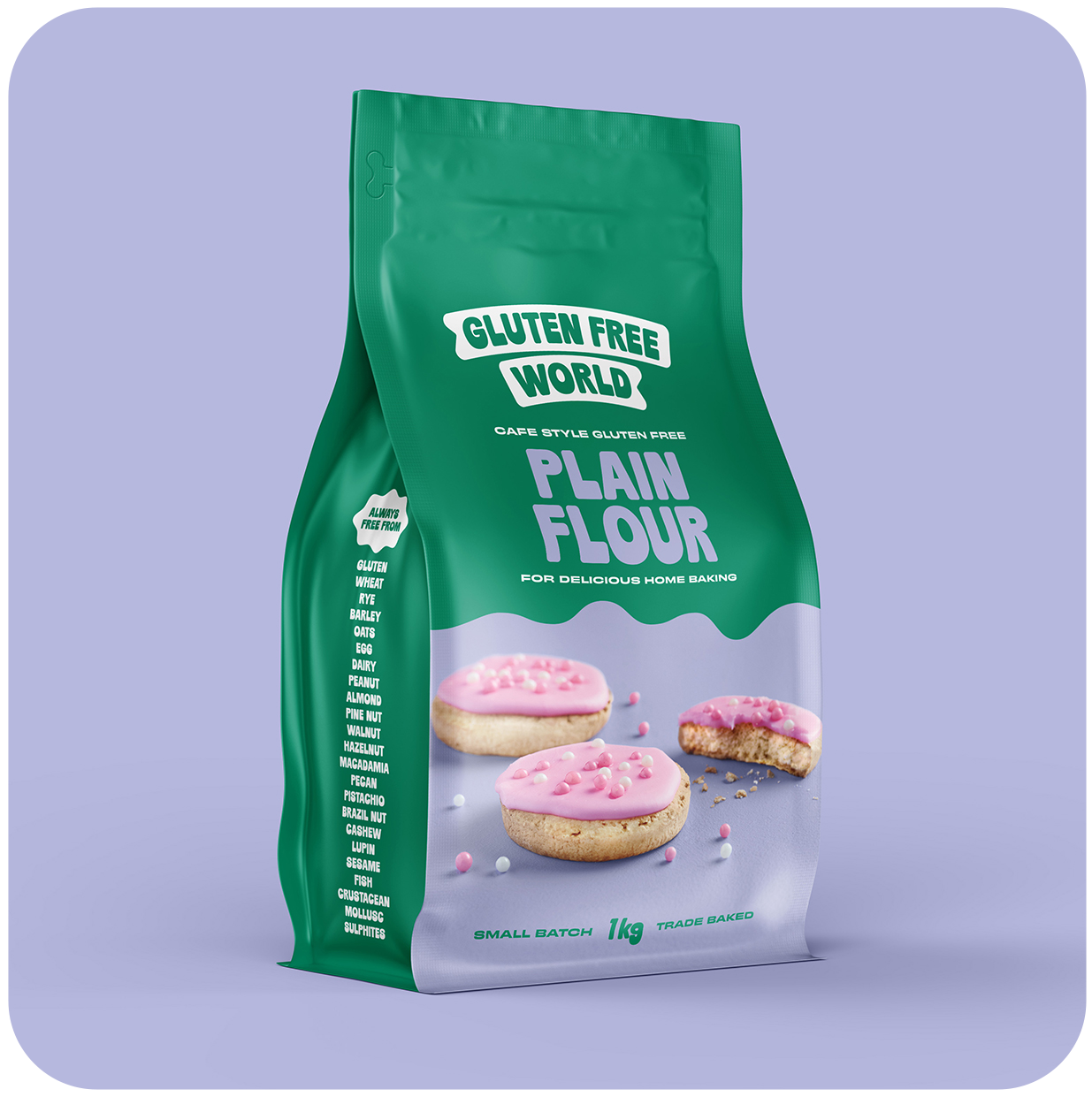
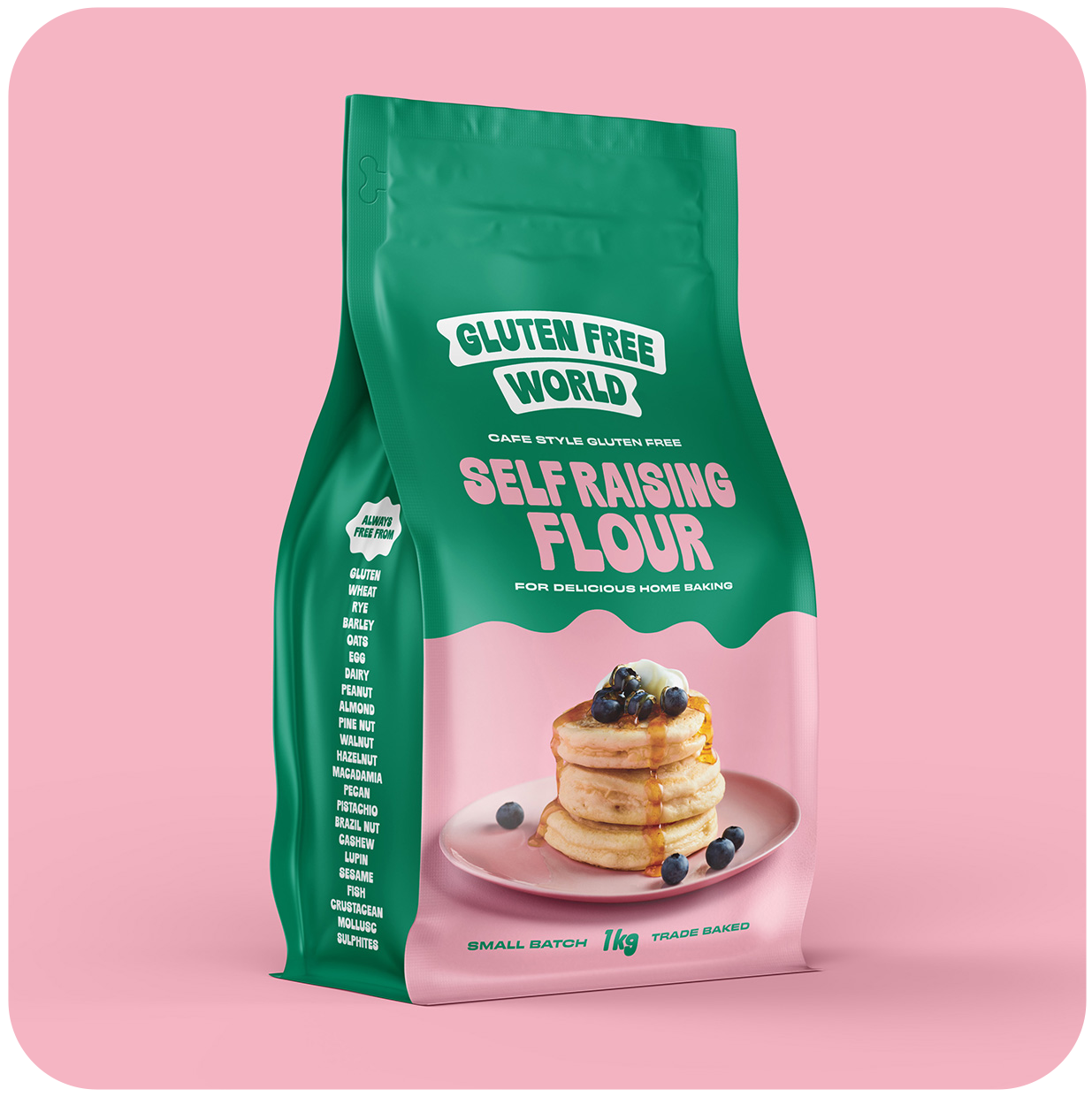
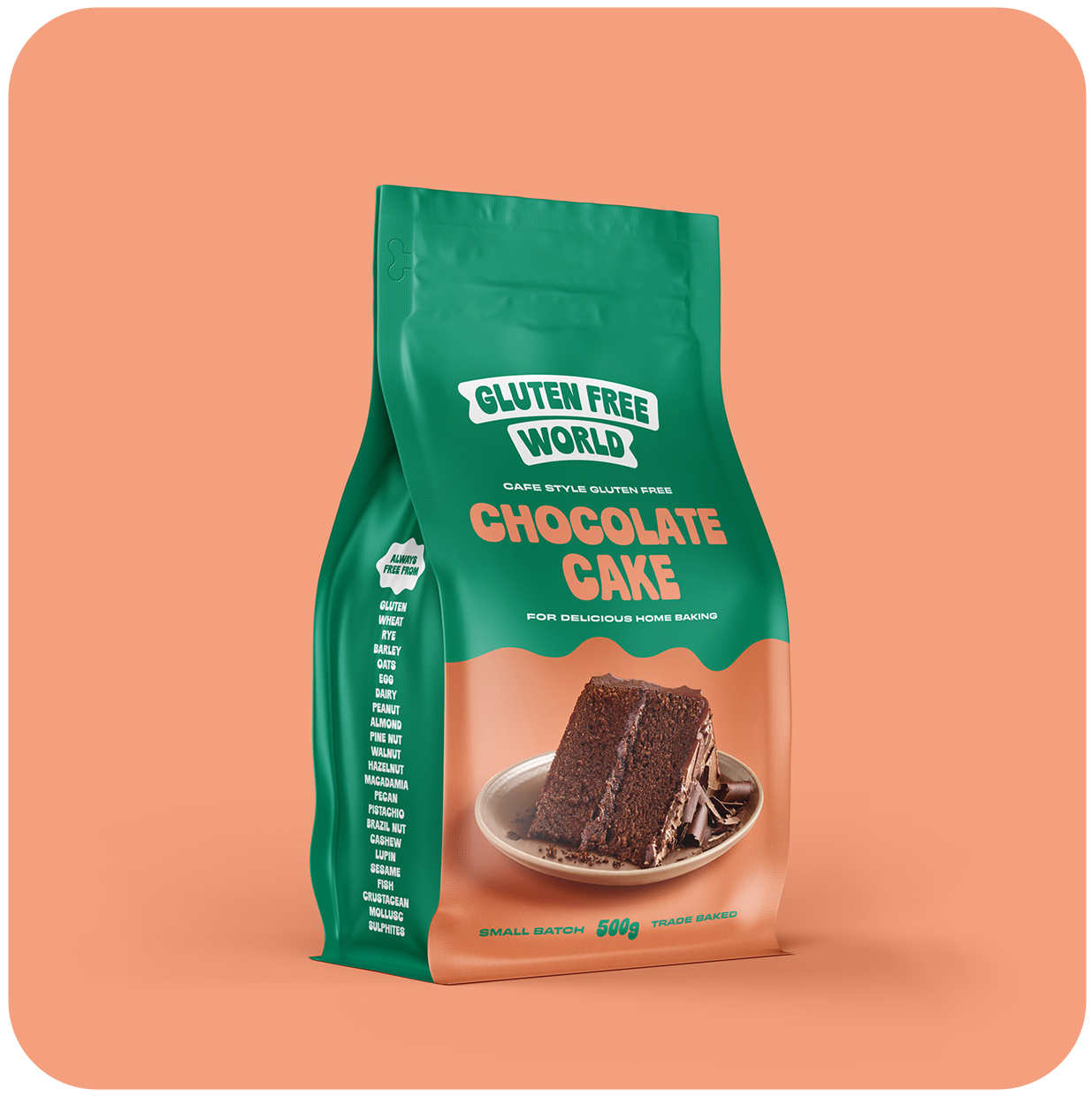
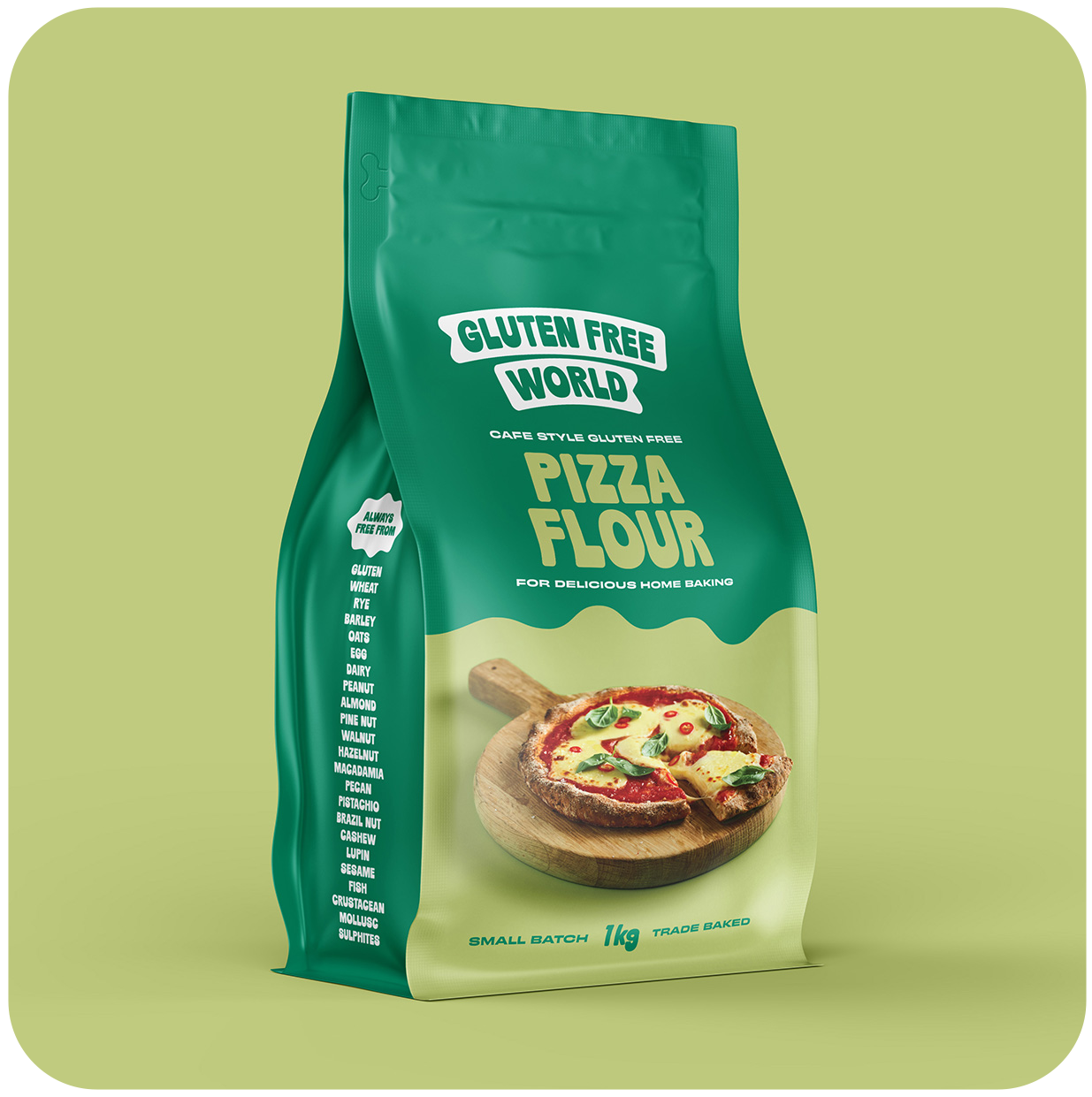
At Gluten Free World, we offer gluten-free flours for different types of baking, including bread, pizza, cakes and everyday recipes. For yeast-based bread, starting with a dedicated gluten-free bread flour gives you a better base for softness and structure.
Simple Tips for Baking Gluten-Free Bread with Yeast
-
Use yeast labelled gluten-free
This is especially helpful if you are baking for someone with coeliac disease or someone very sensitive to gluten. -
Choose a gluten-free bread flour made for yeast baking
The right flour helps support rise, texture and structure, so the loaf is less likely to turn out heavy or dense. -
Follow liquid measurements carefully
Gluten-free dough often needs more moisture than wheat dough, so small changes can affect the result. -
Let the dough rise properly
Give the yeast enough time to work, but avoid leaving it too long, as this can affect the final texture. -
Avoid treating gluten-free dough like wheat dough
Heavy kneading is usually not needed because there is no gluten network to develop.
Final Takeaway
Plain yeast is generally suitable for a gluten-free diet, but it is still important to check the product carefully before using it. The safest options are usually plain baker’s yeast, active dry yeast and instant yeast, while brewer’s yeast, yeast extract and flavoured yeast products may need extra label checking.
When baking with yeast, the flour you choose also plays a big role in the final result. A good gluten-free flour can help support the texture, rise and softness of your bake. Gluten Free World offers a range of gluten-free flours for bread, pizza, cakes and everyday pantry baking, making it easier to choose the right base for your recipe.
Frequently Asked Questions
Is baker’s yeast gluten-free?
Plain baker’s yeast is usually gluten-free and is often used to help bread and other baked goods rise. It works by feeding on sugar and creating gas, which helps the dough expand. Even so, it is still best to check the label for any gluten ingredients or allergy warnings.
Is brewer’s yeast gluten-free?
Brewer’s yeast needs extra care because it can be a byproduct of the beer brewing process. Since beer making often involves barley or malt, choose only products that clearly state their gluten-free status or have been tested.
Is nutritional yeast gluten-free?
Nutritional yeast is often gluten-free, but it should still be checked before consuming. Read food labels carefully and look for wheat, barley, rye, spelt, oats, malt or any note about being processed where gluten may be present.
Can people with coeliac disease have yeast?
People with coeliac disease can usually have plain yeast if it is labelled gluten-free and has not been contaminated. Be careful with yeast extract, autolysed yeast extract, yeast extract spreads and processed foods where the yeast source is unclear.
What yeast is best for gluten-free bread?
Plain baker’s yeast, active dry yeast or instant yeast labelled gluten-free is usually best for gluten-free bread. For better structure and a less dense result, pair it with a gluten-free bread flour made for yeast-based recipes, such as those from Gluten Free World.
