Professional-Grade Gluten Free Flours | Vegan & Allergy Friendly | Australia-Wide Delivery


· By R2R Team
The Best Gluten-Free Flour Mix for Bread (And Why Some Fail in Cold Weather)
Getting gluten-free bread right can feel confusing, especially when a recipe works one day and turns dense, dry or slow to rise the next. Often, the issue is not just the yeast or the method. It can come down to using the right gluten-free flour mix for bread.
Unlike wheat bread, gluten-free bread needs a flour blend that can help with structure, moisture and rise. A good mix usually balances starches, proteins and binders so the dough can hold its shape and bake into a softer crumb.
Cold weather can make this even trickier because dough rises more slowly and ingredients may not hydrate as well. Understanding how your flour mix works can make gluten-free baking feel much easier and more reliable at home.
Why Gluten-Free Bread Needs a Different Flour Mix
Gluten-free bread cannot rely on gluten to give it stretch, lift and shape. That is why a simple swap with one flour, such as white rice flour, corn flour, cassava flour or almond flour, often does not give the same result as regular bread.
A good gluten-free bread flour needs different ingredients working together. Some flours add body, some starches help lighten the crumb and binders help the dough hold together as it rises. This is why a balanced gluten-free flour mix often works better than using individual flours on their own.
It also explains why bread-focused gluten-free products can be easier for beginners. A purpose-made gluten-free bread flour is usually blended for softness, structure and dough handling, so you do not need to guess how much starch, protein or binder to add.
What Makes a Good Gluten-Free Flour Mix for Bread?
A good gluten-free flour mix for bread should help with three things: rise, softness and structure.
Look for a blend that has:
-
Lightness: Starches like tapioca starch or potato starch help stop the loaf from feeling too heavy.
-
Structure: Protein and binders help the dough hold its shape as it rises and bakes.
-
Moisture support: Gluten-free bread can dry out quickly, so the mix needs to work well with enough liquid.
-
A mild flavour: A neutral flour blend is best for everyday bread, rolls and toast.
-
Easy dough handling: The dough should be simple to mix, scoop and place into a loaf pan without feeling gritty or overly runny.
For beginners, a purpose-made gluten-free bread flour is often easier than building a flour blend from scratch.
Why One Flour Is Not Enough for Gluten-Free Bread
One flour cannot do everything gluten-free bread needs. Some flours add body, some help with softness and others bring flavour, but bread needs the right balance to rise well and hold moisture.
That is why most gluten-free bread recipes use a flour blend instead of relying on one ingredient.
-
Rice flour or white rice flour helps give the bread body, especially when finely ground.
-
Tapioca flour or tapioca starch can help create a softer bite and lighter texture.
-
Potato starch or corn starch can help stop the crumb from feeling too heavy.
-
Sorghum flour, millet flour or teff flour can add flavour and support a more bread-like texture.
-
Pea protein or garbanzo bean flour can help give the dough more structure.
-
Xanthan gum, psyllium husk or guar gum helps hold the dough together because there is no gluten.
This is why a purpose-made gluten-free bread flour is often easier for beginners than measuring individual flours from scratch.
Discover Our Full Gluten Free Product Range
Shop with confidence. See full product info, certifications, and the best Gluten Free Flours for your next bake.
Why Gluten-Free Bread Can Fail in Cold Weather
Cold weather can make gluten-free bread more difficult because dough often needs warmth to rise properly. Even with a good gluten-free flour mix for bread, a cold kitchen can slow things down and affect the final texture.
Common winter baking issues include:
-
Cold ingredients: Flour, water, milk or eggs straight from the fridge can make the dough slower to rise.
-
Slow yeast activity: Yeast works best in a warm environment, so colder weather can make proofing take longer than usual.
-
Poor proofing: If the dough does not get enough time to rise, the bread may bake up heavy or slightly dense.
-
Dry dough: Gluten-free dough needs enough moisture. In winter, it can feel firmer, especially if the flour blend absorbs liquid quickly.
-
Cold loaf pan or baking space: A cold pan or chilly bench can make the dough lose warmth before it has finished proofing.
-
Rushing the bake: Gluten-free bread often needs patience. If it goes into the oven too early, it may not have enough lift.

The Best Gluten-Free Flour Mix for Soft Everyday Bread
For soft everyday bread, a purpose-made gluten-free bread flour is usually easier than using a general purpose flour from many grocery stores. A good bread flour is made to support rise, structure and moisture, which matters whether you are baking a simple loaf, rolls or adapting gluten-free recipes at home.
At Gluten Free World, we recommend starting with a bread flour made for the type of bake you want to achieve. Our Traditional Bread Flour is a useful option for everyday bread because it has a neutral flavour and is designed for breads, scrolls, wraps, pizza bases and pastries. It gives beginners a more reliable starting point than trying to balance all the flours, starches and binders themselves.
For a softer loaf, look for a gluten-free bread flour that supports rise, moisture and structure without making the crumb heavy.
When to Use a Brown Bread Flour Mix
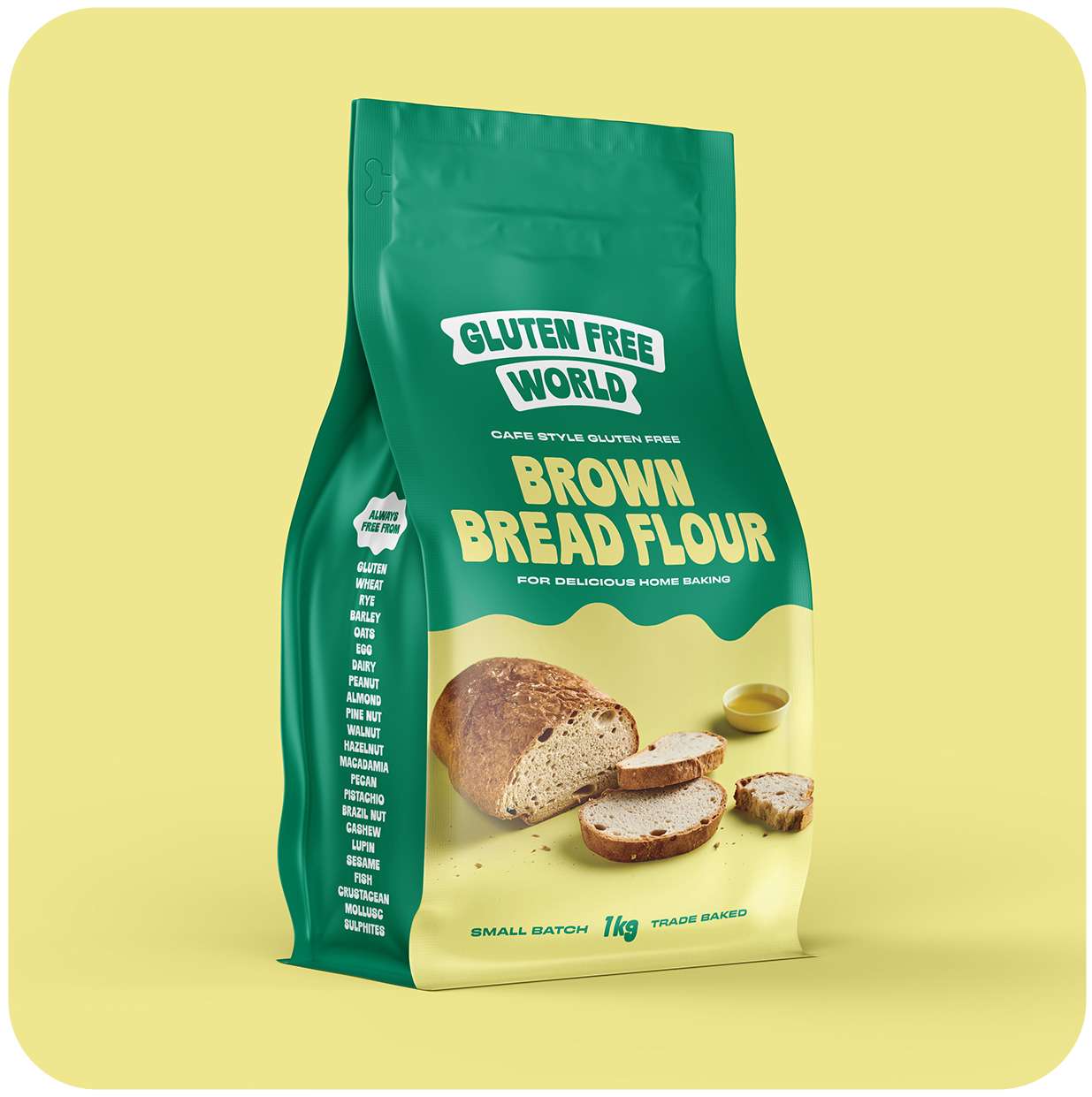
Brown bread flour is a good option when you want gluten-free bread with more texture, flavour and body. It is especially useful for heartier loaves, rolls, wraps, scrolls and pizza bases.
| Gluten-Free Bread Flour | Best For | Texture |
|---|---|---|
| Traditional Bread Flour | Soft everyday bread, toast, sandwiches, wraps and pastries | Softer, lighter and more neutral |
| Brown Bread Flour | Heartier loaves, rolls, scrolls, wraps and pizza bases | More textured, fuller and rustic |
Gluten Free World’s Brown Bread Flour is made for textured gluten-free breads and savoury bakes. For beginners, it can help to think of Traditional Bread Flour as the softer everyday option, while Brown Bread Flour is better when you want a fuller bite.
How to Help Gluten-Free Bread Rise Better in Winter
Winter baking can take a little more patience, but small changes can make a big difference. The goal is to keep the dough warm enough for the yeast to work without rushing the process.
-
Use warm liquid, not hot liquid: Warm water or milk can help wake up the yeast. Avoid anything too hot, as this can damage it.
-
Bring ingredients to room temperature: Cold flour, eggs or milk can slow the rise before the dough even starts proofing.
-
Choose a warm proofing spot: Place the covered dough somewhere warm and draft-free, such as near a sunny window or inside a turned-off oven with the light on.
-
Give the dough more time: Gluten-free bread may need longer to rise in cold weather. Watch the dough, not just the clock.
-
Keep the dough covered: Covering the dough helps stop the surface from drying out while it proofs.
-
Do not add too much extra flour: Gluten-free dough is often softer than wheat dough. Adding more flour can make the bread dry or dense.
Common Reasons Gluten-Free Bread Turns Dense or Dry
Dense or dry gluten-free bread can happen for a few simple reasons. This quick guide can help you spot the problem and know what to try next.
| Problem | Likely Reason | What to Try |
|---|---|---|
| Bread feels heavy | The flour is too dense or not made for bread | Use a gluten-free bread flour made for rise and structure |
| Crumb feels dry | The dough did not have enough liquid | Add enough moisture and keep the dough covered while it rises |
| Bread does not rise well | The yeast or room was too cold | Use warm liquid and let the dough rise in a warmer spot |
| Bread sinks after baking | The dough rose too much or did not have enough structure | Let it rise until just ready, not too long |
| Texture feels gritty | The flour did not absorb enough liquid | Let the dough rest for a short time before baking |
| Loaf is slightly dense | The dough was baked before it had risen enough | Give it more time, especially in cold weather |
Final Thoughts
The best gluten-free flour mix for bread is one that helps with rise, softness and structure. Gluten-free bread can be a little more sensitive than regular bread, especially in cold weather, but the right flour choice and a few small baking adjustments can make the process much easier.
At Gluten Free World, we know how frustrating it can be when a loaf turns out dense, dry or slow to rise. That is why choosing a purpose-made gluten-free bread flour can be a helpful starting point, especially if you are new to gluten-free baking.
Whether you are making a soft everyday loaf or a more textured brown bread, the goal is the same: a loaf that feels good to slice, toast, share and enjoy at home. For more help choosing the right flour, read our guide on Gluten-Free Bread Flour in Australia: What to Look For.
Frequently Asked Questions
What is the best gluten-free flour mix for bread?
The best gluten-free flour mix for bread is one made for bread-style baking, not just general baking. A good gluten-free bread flour should support rise, softness and structure with the right balance of starches, protein and binders.
Why does my gluten-free bread not rise in cold weather?
Gluten-free bread can rise slowly in cold weather because yeast works better in a warm, stable environment. When baking bread in winter, use warm liquid, avoid cold ingredients and allow extra proofing time before placing the dough in the loaf pan.
Can I use all-purpose gluten-free flour for bread?
All-purpose gluten-free flour can work in some simple bread recipes, but it may not give the same structure as a proper bread flour blend. Purpose-made bread mixes are usually better for gluten-free bread recipes because they support dough handling, rise, and crumb.
Why is my gluten-free bread dense?
Gluten-free bread can turn dense when the flour blend is too heavy, too dry or missing enough starch and binder. It can also happen when the dough is under-proofed, especially in cold weather. Individual gluten-free flours such as brown rice flour, millet flour, sorghum flour, or buckwheat flour all behave differently, so balance matters.
What helps gluten-free bread hold its shape?
Gluten-free bread dough needs extra support because it does not have gluten to create stretch. Ingredients like xanthan gum, psyllium husk or guar gum can help the dough stay together, hold its shape and bake with a softer texture.
How do I keep gluten-free bread soft after baking?
Let gluten-free bread cool completely, then store it in an airtight container to help protect the crumb. Using a balanced gluten-free flour blend with enough hydration can also help the bread stay softer after baking.
