Professional-Grade Gluten Free Flours | Vegan & Allergy Friendly | Australia-Wide Delivery


· By R2R Team
Can You Make Bread with Gluten-Free Self-Raising Flour?
Making bread with gluten-free self-raising flour can feel more confusing than it should. Many home bakers wonder whether it can replace bread flour in a homemade loaf.
Sometimes the loaf rises, but the texture turns out softer, denser, or more crumbly than expected. If you were hoping for something closer to a traditional loaf with cleaner slices and a stable shape, the result can be disappointing.
The good news is that gluten-free self-raising flour can still work in bread. It simply works best in certain types of loaves. In gluten-free baking, the style of bread you want to make matters just as much as the flour itself, because quick breads, soda breads, and yeast-style loaves all rely on structure differently.
In this guide, we explain when gluten-free self-raising flour can work for bread, what kind of loaf you can expect, and when bread flour is the better choice.
What Is Gluten-Free Self-Raising Flour?
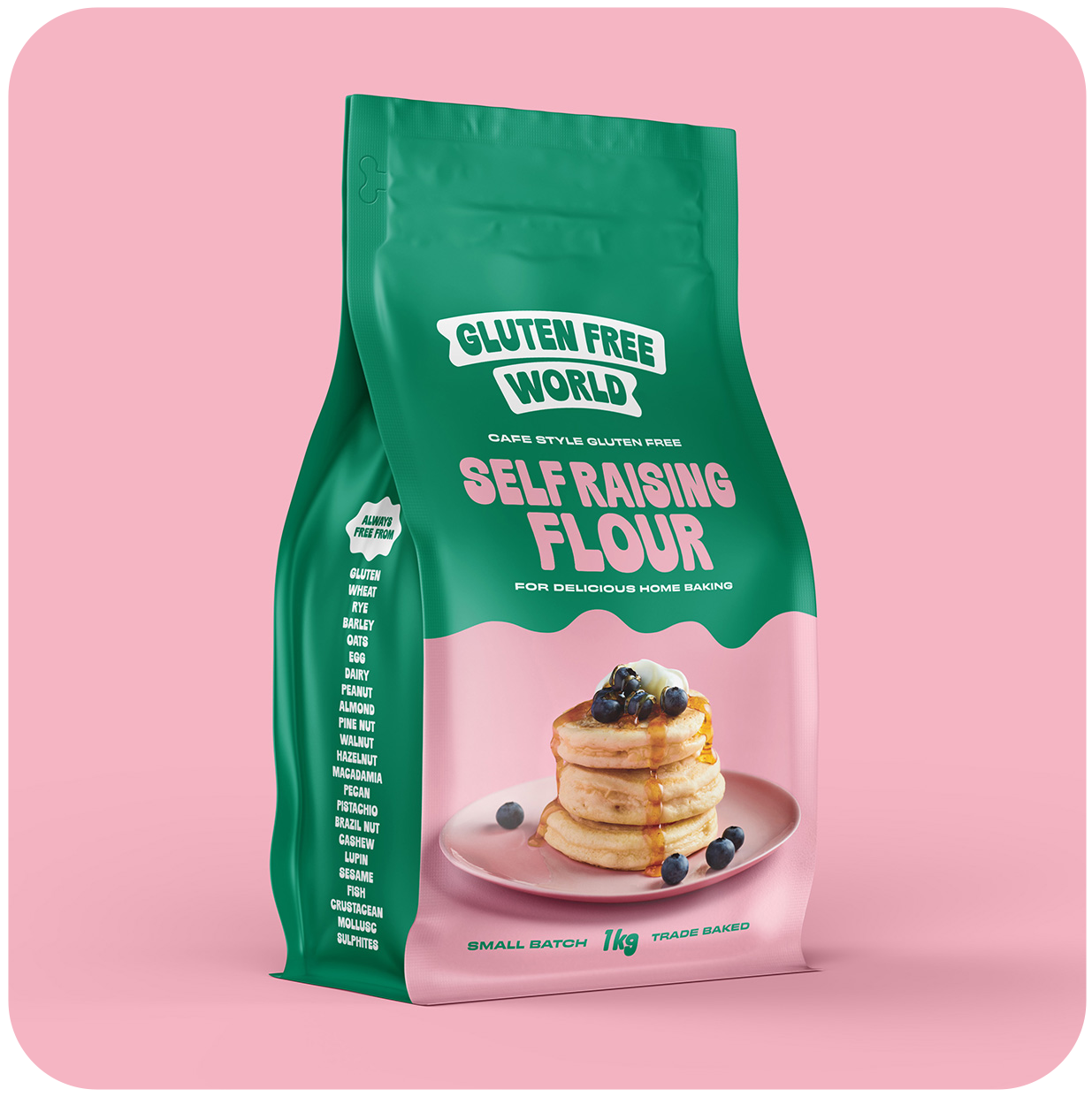
Gluten-free self-raising flour is a flour blend that already contains a raising agent, usually similar to baking powder. This makes it useful in recipes where you want an easy lift and a lighter texture without having to add extra leavening.
At Gluten Free World, we often use self-raising flour for simple baking where a soft crumb is welcome. Bread, however, behaves a little differently from cakes, muffins, or biscuits. If you are aiming for a loaf with more of a classic bread feel, self-raising flour will usually behave differently from a flour blend designed specifically for bread.
Gluten-free flour blends can vary from brand to brand, so results may change depending on the starches, wholegrain flours, and binders used in the mix. These ingredients affect how the loaf rises, slices, and holds together.
If you are still getting familiar with how this flour blend works, read our guide on what gluten-free self-raising flour is. It explains what it contains and where it works best.
Can You Make Bread with Gluten-Free Self-Raising Flour?
Yes, you can, but the result depends on the type of bread you want to make.
If you are making a quick bread, soda bread, or a simple savoury loaf bake, gluten-free self-raising flour can work well. These styles of bread are meant to have a softer crumb and rely on a simpler rise.
If you are trying to make a more traditional bread loaf or a loaf with a yeast-style texture, gluten-free self-raising flour is usually not the best option. In those cases, the loaf often lacks the support needed for a better rise, a stronger shape, and neater slices.
So the short answer is yes, but usually only for certain kinds of bread.
Why Self-Raising Flour Behaves Differently in Bread
The main reason is that bread needs more than lift alone.
Because self-raising flour already includes a raising agent, usually similar to baking powder, it behaves differently from gluten-free bread flour in bread dough. Baking powder creates a faster rise, which works well in simple bakes, but bread usually needs a more controlled balance of hydration, structure, and lift.
In gluten-free baking, that structure often comes from the flour blend itself and from binders such as xanthan gum or psyllium husk. A loaf needs enough support to hold its shape as it rises and bakes. Raising agents can help with lift, but they cannot provide that support on their own.
That is why gluten-free self-raising flour usually works better in softer, simpler breads than in yeast bread or sandwich-style loaves.
If you want a better understanding of what affects the rise, our guide on getting the perfect rise with gluten-free self-raising flour explains what helps and how to get more reliable results.
What Bread Can You Make with Gluten-Free Self-Raising Flour?
When we say you can make bread with gluten-free self-raising flour, it helps to be specific about the style of bread.
This type of flour is usually better suited to breads where a softer crumb is expected. Good options include:
-
quick breads with a soft, tender crumb
-
potato damper or soft, crumbly scones
-
soda breads that do not rely on yeast
-
Irish soda bread-style loaves with a rustic finish
-
savoury loaf bakes made in a loaf tin,
-
simple no-yeast bread recipes where ease matters more than a classic bread texture
If you are aiming for a more traditional bread loaf, the result is often less reliable. Gluten-free self-raising flour is usually not the best fit for yeast bread or a sandwich-style loaf where you want a steadier rise, a chewier texture, and cleaner slices. In those cases, a bread flour blend will usually give you a better result.
Discover Our Full Gluten Free Product Range
Shop with confidence. See full product info, certifications, and the best Gluten Free Flours for your next bake.
What Happens If You Use It in Bread Dough?
If you use gluten-free self-raising flour in a recipe meant for a traditional bread loaf, the result may be different from what you expect.
You may notice:
-
a loaf that rises unevenly
-
a softer, less stable shape
-
a denser crumb
-
a slightly cakier centre
-
slices that break apart more easily
-
a texture that feels less chewy and structured
This does not necessarily mean the bake has failed. It usually means the flour is better suited to a different style of bread.
Tips for Baking a Simple Loaf with Gluten-Free Self-Raising Flour
1. Do not add extra raising agents automatically
Because the flour already contains raising agents, you usually do not need to add extra baking powder or baking soda unless the recipe specifically calls for it.
2. Expect a softer mixture
Gluten-free bread mixtures often look softer than traditional bread dough. If the mixture seems loose, avoid adding extra flour straight away.
3. Use simple fats for moisture
A simple loaf may include olive oil, butter, or melted butter for moisture and flavour. Some savoury loaves are finished with garlic butter, while sweeter versions may include cinnamon sugar or chocolate chips.
4. Keep the equipment simple
You usually only need a mixing bowl, a loaf tin or lined baking tray, and a preheated oven.
5. Let the loaf cool before slicing
Gluten-free loaves often slice more cleanly once they have cooled completely, especially if the crumb is soft.
When a Bread Flour Is the Better Choice
If you want a more traditional gluten-free bread loaf, a bread flour is usually the better choice.
Self-raising flour already contains raising agents, while bread flour blends are designed to give dough more structure and a steadier rise. In gluten-free baking, that extra support helps the loaf hold its shape, bake evenly, and slice more cleanly once cooled.
Self-raising flour can work well for softer bakes such as quick breads or soda-style loaves. But for sandwich bread, toast bread, or everyday homemade loaves, bread flour will usually give more reliable results.
If you are aiming for a loaf with better structure and elasticity, our guide to how to get soft, springy gluten-free sandwich loaves explains the techniques that help improve texture and rise.
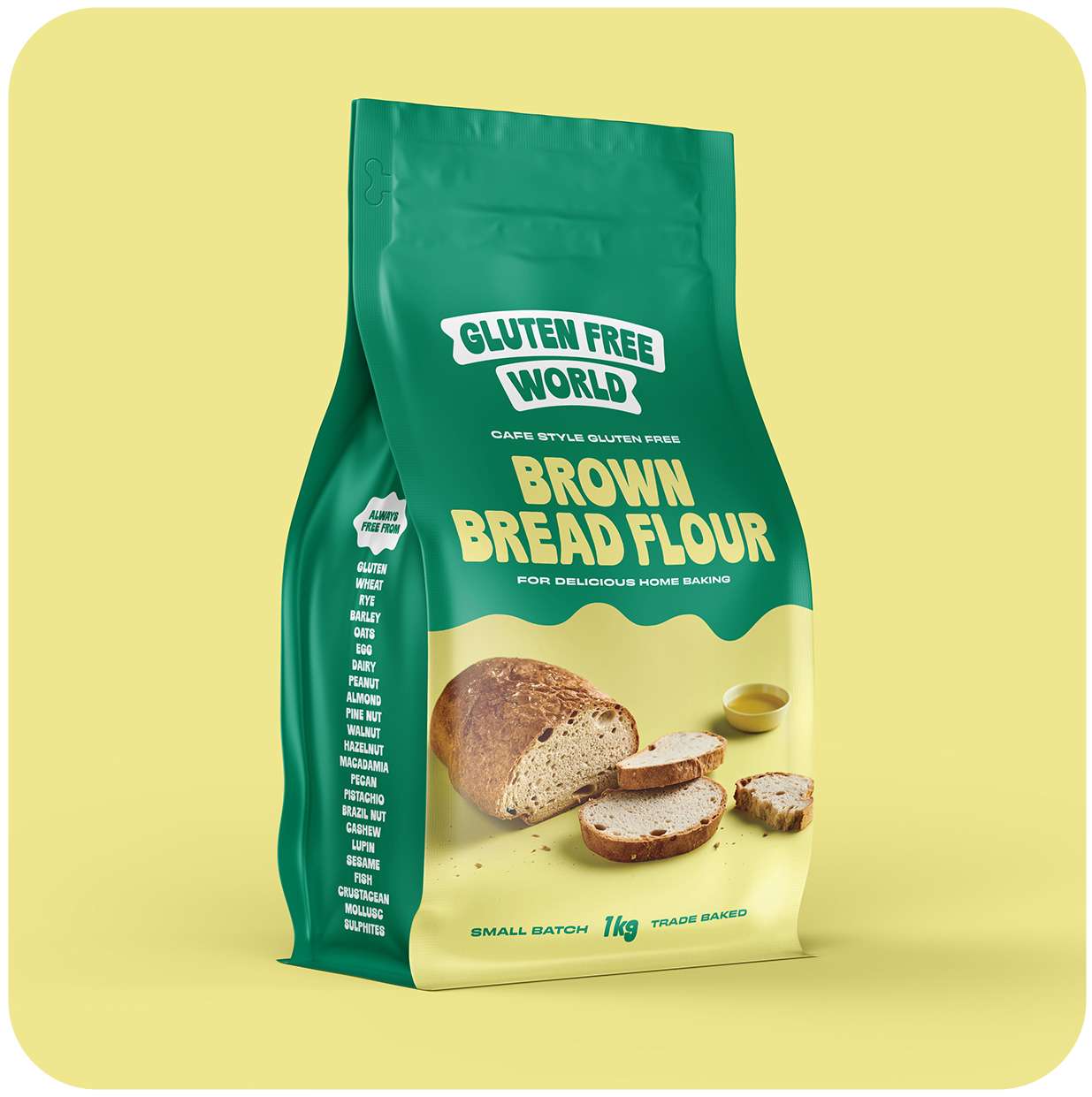
At Gluten Free World, we often reach for self-raising flour when making quick breads or simple loaf bakes. For a loaf with cleaner slices and a more traditional finish, our brown bread flour or traditional bread flour is usually the better option.
Discover Our Full Gluten Free Product Range
Shop with confidence. See full product info, certifications, and the best Gluten Free Flours for your next bake.
Best Flour Options for Different Types of Gluten-Free Bread
|
Flour option |
Best use |
How it performs in bread |
|
Gluten-free self-raising flour |
Quick bread, soda bread, simple loaf bakes |
It already contains raising agents, so it works best in softer, simpler bread-style bakes. It usually does not provide enough structure for traditional-style loaves. |
|
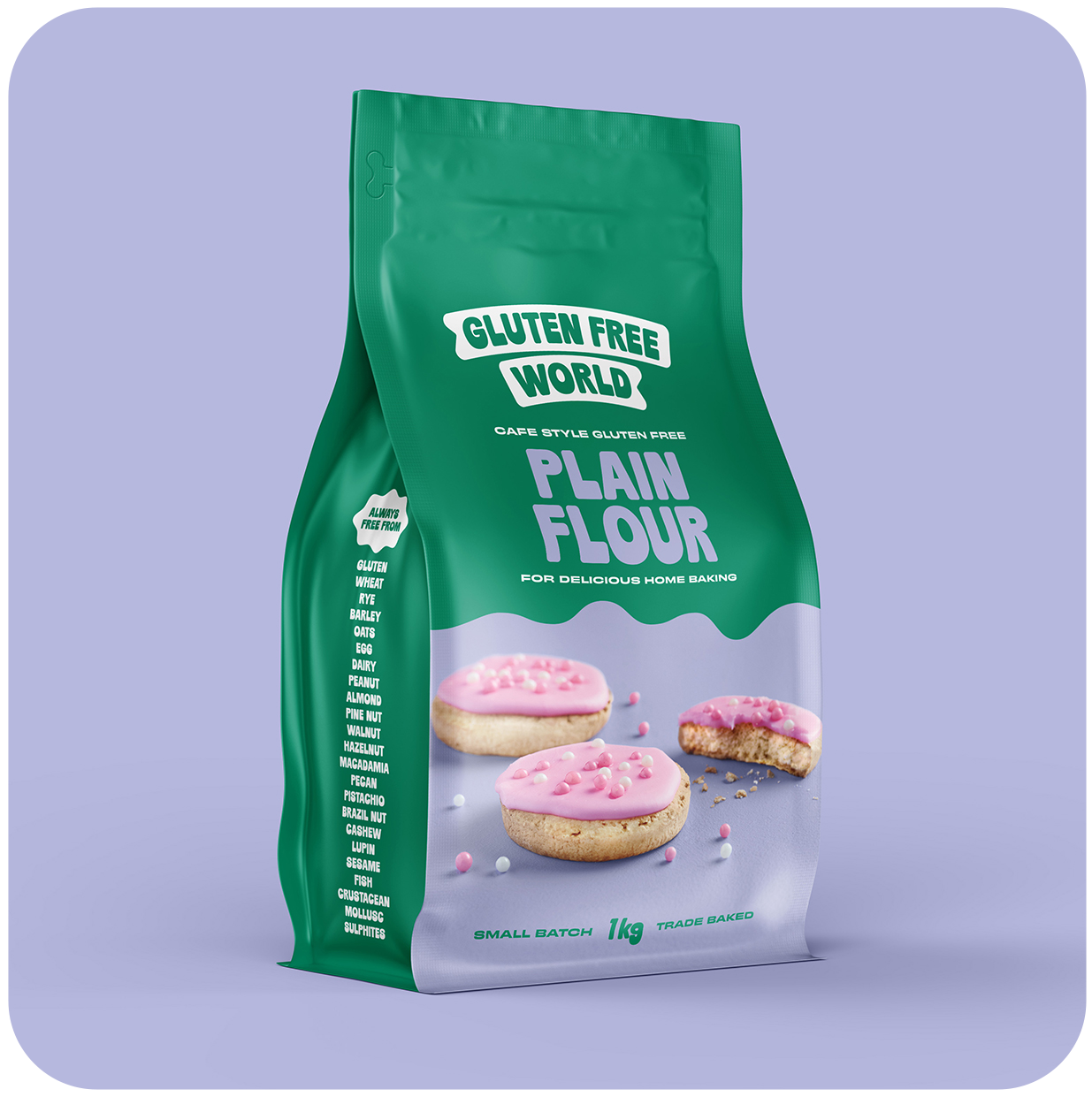
Gluten-free plain flour |
Recipes specifically written for plain flour |
Gives the recipe more control over leavening and structure. With the right binders, it can produce balanced texture and support in some gluten-free breads. |
|
Gluten-free bread flour |
Sandwich loaves, toast bread, everyday homemade bread |
Designed to support better rise, structure, and sliceability, making it the most reliable option for traditional-style gluten-free bread. |
If you are aiming for a practical quick loaf, self-raising flour can still do the job. If you want a more traditional result, a bread flour will usually give you a better outcome.
If Self-Raising Flour Is All You Have
If self-raising flour is the only flour in your pantry, you can still make something bread-like. The key is choosing a recipe that suits the flour and expecting a softer, quick-loaf style result rather than a traditional yeast bread.
Instead of forcing it into a classic loaf, lean into simpler baking. Quick breads or soda-style loaves usually work best. Using a loaf tin can also help the bread hold its shape while baking.
Look for a loaf that is lightly golden brown on top, then let it cool fully on a wire rack before slicing with a sharp knife. Once cooled, store it in plastic wrap or an airtight container to help keep the loaf softer for longer.
Final Answer: Can You Make Bread with Gluten-Free Self-Raising Flour?
Yes, you can make bread with gluten-free self-raising flour, but it usually works best in quick breads, soda breads, and other simple non-yeast bakes. It can still give you a soft, practical loaf, but not usually the shape or texture of a more traditional bread.
If you want a loaf with a steadier rise, cleaner slices, and a more classic bread texture, a bread flour blend will usually give you a better result. The best approach is to match the flour to the kind of bread you want to make.
Frequently Asked Questions
Can you make bread with self-raising flour?
Yes, you can make bread with gluten-free self-raising flour, but it usually works best for quick breads and soda-style loaves rather than traditional yeast bread. Because the flour already contains raising agents, it tends to produce a softer crumb and a less structured texture. If you want a loaf with a steadier rise and cleaner slices, a gluten-free bread flour blend is usually the better choice.
Is self-raising flour the same as what some overseas recipes call self-rising flour?
Yes, they are generally the same thing, with the difference mostly coming down to regional wording. In Australia, we use self-raising flour, while some overseas recipes use self-rising flour. You may also see plain flour referred to as all-purpose flour in simple bread recipes from overseas.
Is gluten-free self-raising flour good for yeast bread?
Usually not, because yeast bread needs more than just yeast alone. A traditional gluten-free loaf also needs enough support to hold its shape and bake well, which often comes from the right bread flour blend and binders. You can add yeast to a recipe that is designed for it, but self-raising flour still will not behave like a bread flour in a classic yeast loaf.
Can I use self-raising flour instead of bread flour?
Usually not if you want a traditional bread result. Self-raising flour and bread flour are designed for different purposes, so swapping them can affect the rise, crumb, and overall texture of the loaf. It is also not the same as plain flour or strong bread flour, so the best result usually comes from using the flour the recipe was written for.
What kind of bread can I make with gluten-free self-raising flour?
Gluten-free self-raising flour is usually best for quick breads, soda breads, savoury loaf bakes, and other simple non-yeast recipes. These styles suit a softer crumb and a less structured rise, and they are often the easiest and most reliable way to make a delicious loaf at home. If you are aiming for a sandwich loaf or a more traditional bread texture, bread flour is usually a better fit.
