Professional-Grade Gluten Free Flours | Vegan & Allergy Friendly | Australia-Wide Delivery


· By R2R Team
What is Gluten-free Self-raising Flour?
If you're new to baking, you've probably asked yourself, 'What is gluten-free self-raising flour?' Even if you've tried it before, it can be tricky to get it just right.
If you bake gluten-free, you might have had a few hit-and-miss bakes: one batch comes out soft and fluffy, and the next? A bit flat or heavier than you were hoping. You follow the recipe to the letter, measure everything just right, and still wonder what went off track.
It can be frustrating, especially when self-raising flour is meant to make your baking easier, not a guessing game. In gluten-free kitchens, even small differences in flour blends can make a big difference to how your cakes, muffins, and scones turn out.
It's not random, and it's not your fault. Gluten-free self-raising flour behaves differently by design, and once you get the hang of it, your bakes will start turning out spot on, batch after batch.
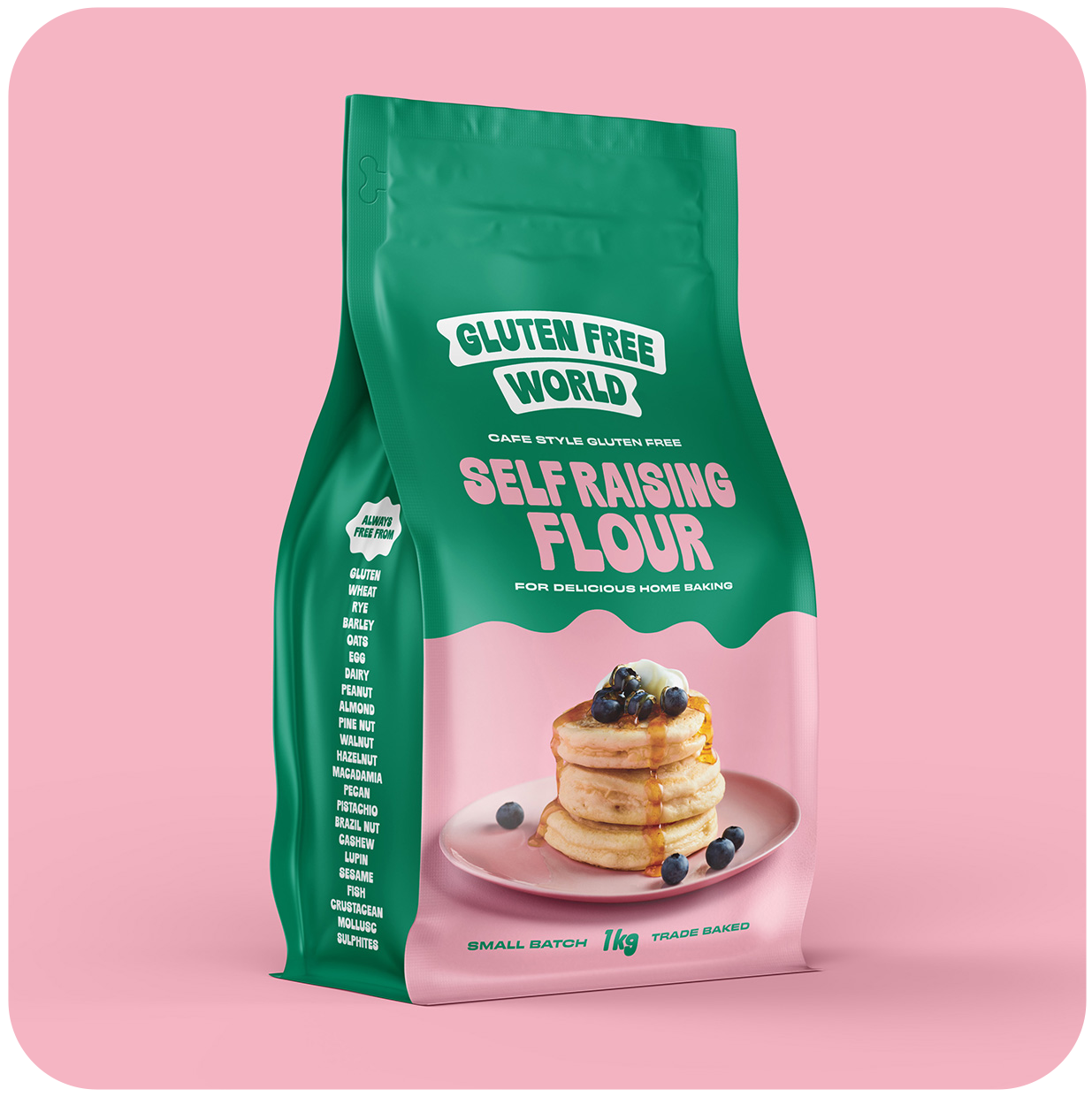
Gluten-free self-raising flour is a specially blended flour that already comes with raising agents built in, so you don't need to add baking powder or bicarbonate. It’s designed to give your cakes, muffins, scones, and other quick bakes a light, airy lift, without gluten's natural structure helping out.
At Gluten Free World, our self-raising flour is small-batch blended for purity, freshness, and consistency. Rather than relying on a generic mix, we carefully balance:
-
Tapioca starch, maize starch, rice flour, and soy flour
-
Dietary fibre for structure
-
Raising agents (575, 501, 500) for predictable lift
The result is a flour that produces a smooth batter, a soft, fluffy crumb, and a consistent rise every time.
Because it’s thoughtfully blended and triple batch-tested in our dedicated gluten-free facilities, it’s a flour you can rely on for cafe-style bakes right at home. Key benefits include:
-
Soft, light, and airy texture
-
Neutral flavour profile that lets your cakes shine
-
Reliable performance every batch
Why Gluten-Free Self-Raising Flour Works Differently

Gluten-free self-raising flour behaves differently because it is specially formulated to rise without gluten. In regular flour, gluten provides structure, elasticity, and the ability to trap air during baking. Without gluten, structure has to come from a combination of starches, fibres, and raising agents.
With gluten-free self-raising flour, the raising agents are already blended in, so they start reacting as soon as the wet ingredients are added. This early reaction helps your batter rise evenly and quickly. The starches and fibres in the mix hold the air and moisture, giving your baked goods a soft, light crumb instead of a dense or heavy texture.
Some of the things you can expect when using gluten-free self-raising flour:
-
The batter thickens quickly as it hydrates, which sets up the structure for a good rise.
-
Air bubbles form and expand early in the baking process, producing a light and even crumb.
-
Moisture is absorbed efficiently, helping the texture stay soft without becoming wet or gummy.
-
The combination of starch and fibre supports elasticity, so cakes and muffins hold their shape while still being tender.
Gluten-free self-raising flour is designed to work with these natural reactions, giving predictable lift and texture without relying on extra ingredients or complicated techniques.
New to gluten-free baking and not sure where to start? Check out our ultimate guide to gluten-free flours to get familiar with all the flours and mixes you’ll need.
Gluten-Free Self-Raising Flour vs Gluten-Free Plain Flour
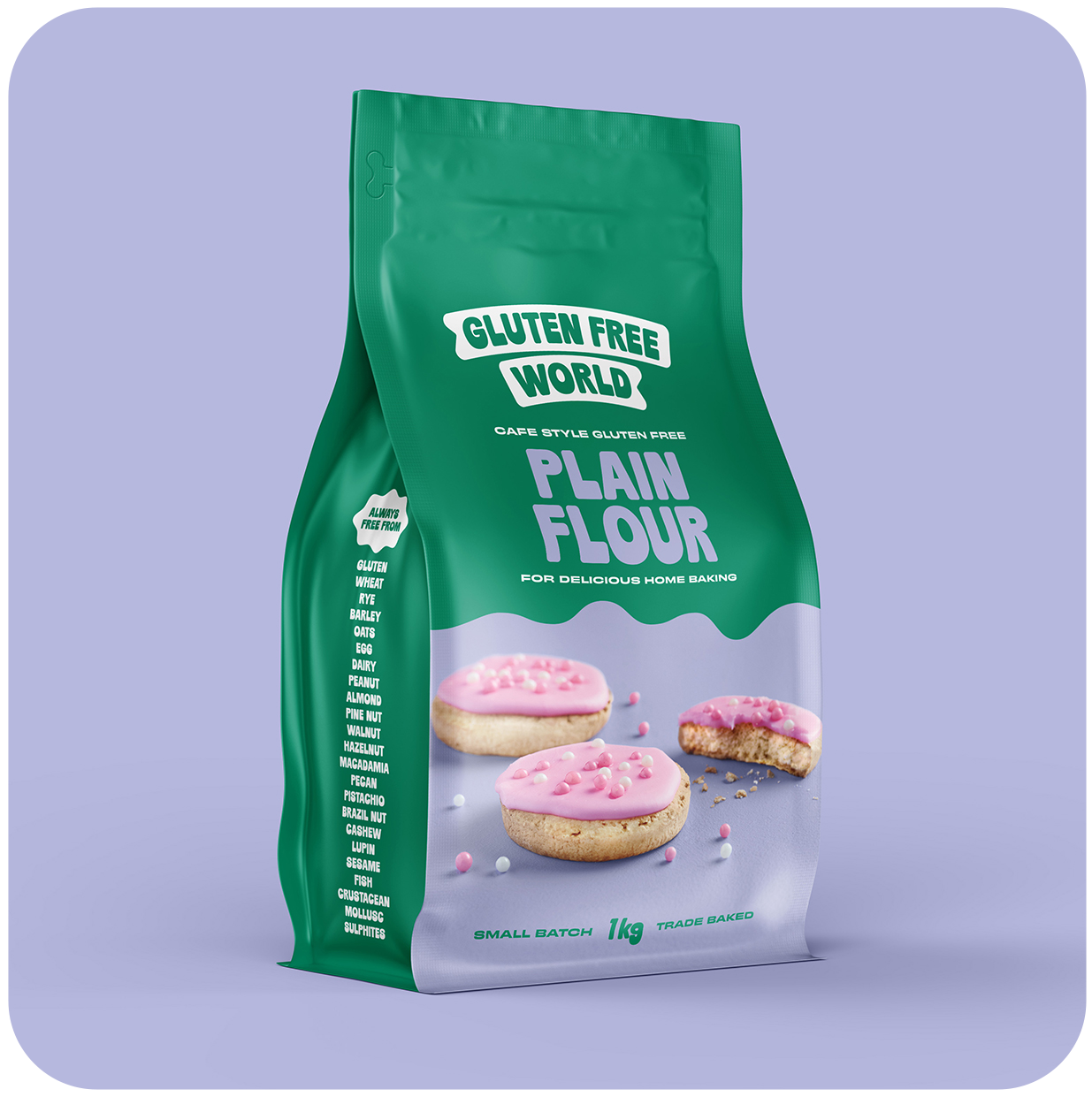
Our gluten-free self-raising flour and plain flour are made from the same high-quality base, but they behave very differently in baking because of one simple factor: the raising agents. Self-raising flour already contains carefully balanced raising agents, while plain flour does not. This makes self-raising flour ideal for quick bakes where lift and softness are key.
Here is a clear look at how the two products compare:
|
Feature |
Gluten-Free Self-Raising Flour |
Gluten-Free Plain Flour |
|
Raising agents |
Included (575, 501, 500) |
Not included |
|
Best for |
Cakes, muffins, scones, pancakes, cookies |
Cakes, slices, cookies, puddings, batters, shortcrust and puff pastries |
|
Rise |
Built-in and consistent |
Needs added raising agents |
|
Texture |
Soft, light, and airy |
Predictable, tender crumb, slightly denser |
|
Mixing |
Gentle mixing recommended |
Can handle more vigorous mixing |
|
Flavour |
Neutral, lets other ingredients shine |
Neutral, works in sweet and savoury bakes |
|
Consistency |
Batch-tested for reliable results |
Batch-tested for dependable performance |
Because the raising agents are included in self-raising flour, recipes using it can rise evenly without any extra adjustments. Plain flour gives you more flexibility when you want to control the amount and type of leavening, which is useful in recipes like bread, sauces, or pastry.
Choosing between the two depends on the bake you want to create. For light, fluffy cakes and muffins, self-raising flour will give the best results. For recipes that require precise control over the rise or are more delicate, plain flour is the better option.
How to Use Gluten-Free Self-Raising Flour
Using gluten-free self-raising flour is straightforward, and a few simple tips can help you get consistent results every time. Because the leavening is already in the flour, you usually don’t need to add extra baking powder or bicarbonate.
-
Measure carefully: Weighing or using level cups helps your batter come together perfectly.
-
Mix gently: Stir until the ingredients are just combined. Overmixing can affect the texture and rise.
-
Watch moisture: Gluten-free flours absorb liquid differently. If the batter feels too thick, a small splash of milk or water can help without making it runny.
-
Temperature matters: Baking at the correct oven temperature ensures even lift and a soft, airy crumb.
If a recipe calls for gluten-free plain flour and you want to use self-raising flour instead, you can generally use it 1:1, but you should skip any additional baking powder the recipe suggests. For example:
-
1 cup gluten-free plain flour + 1–2 teaspoons baking powder → replace with 1 cup gluten-free self-raising flour
-
Reduce or omit other raising agents to avoid over-rising or collapse
For most cakes, muffins, scones, and pancakes, gluten-free self-raising flour works perfectly on its own.
When to Use Gluten-Free Self-Raising Flour

Gluten-free self-raising flour is perfect for bakes where you want a light, soft, and airy texture without fussing over extra leavening. You can reach for it whenever you want your cakes, muffins, scones, or pancakes to rise reliably and turn out fluffy every time.
Some of the best uses include:
-
Cakes – layer cakes, loaf cakes, or simple sponge cakes
-
Muffins and cupcakes – soft, even crumb and built-in lift
-
Scones – tender and light without being dense
-
Pancakes and pikelets – rise nicely in the pan for soft, fluffy results
-
Cookies and biscuits – work well when you want a slightly airy, tender texture
It’s also handy for quick sweet treats, like slices or tray bakes, where you want a dependable rise without any extra mixing or raising agents. For bakes that rely on yeast or need a very dense structure, plain gluten-free flour is a better choice.
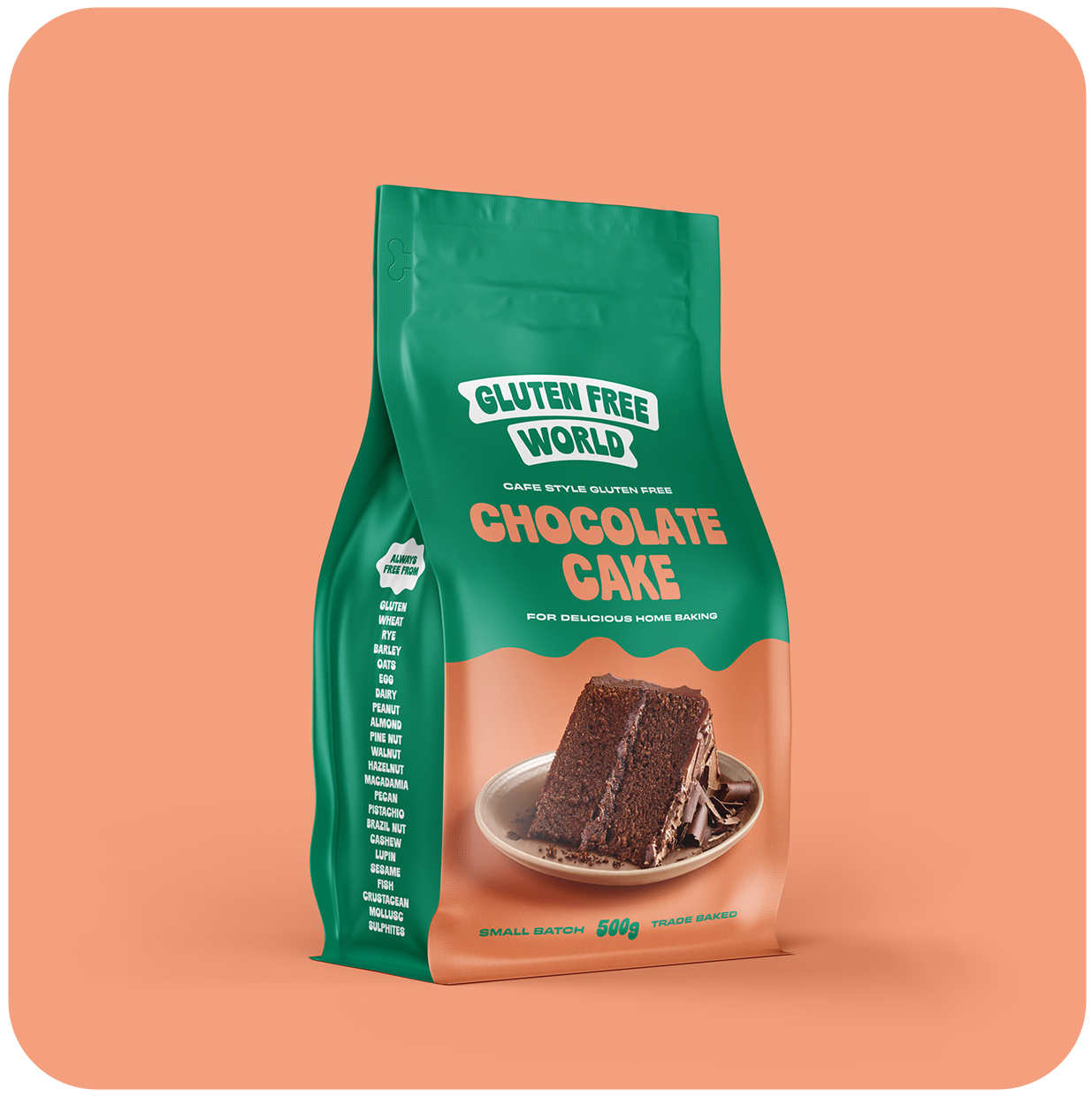
Want an option designed just for cakes? Check out the benefits of using a gluten-free cake mix to see why it’s perfect for cake-focused baking.
Get the Best Results with Gluten-Free Self-Raising Flour
Gluten-free self-raising flour takes the guesswork out of baking and helps you create soft, airy cakes, muffins, scones, and pancakes every time. Its carefully balanced starches, fibre, and built-in raising agents give consistent lift and a tender crumb without extra ingredients.
By measuring carefully, mixing gently, and baking at the right temperature, you can enjoy cafe-style bakes at home that rise evenly and taste delicious.
For reliable results and the best texture, choosing a purpose-made gluten-free self-raising flour makes all the difference. With the right flour, you can bake with confidence and enjoy soft, light treats batch after batch.
Frequently Asked Questions (FAQs)
Can I make my own gluten-free self-raising flour?
Yes. You can mix your own by combining gf flour like rice flour, tapioca starch, and potato starch with baking powder and a pinch of salt. Adding a small amount of xanthan gum or guar gum helps mimic gluten for structure. Keep in mind that the quantity and balance of ingredients affect rise and texture. For the most consistent results, a purpose-made gluten-free self-raising flour is usually the best gf flour for baking cakes and muffins.
What is the trick to baking with gluten-free flour?
The key is understanding how gluten-free baking differs from using traditional wheat flour. Measure your ingredients carefully, mix the batter just until combined, and keep an eye on moisture. Adding a pinch of sugar or salt can improve flavour, while fats like butter or cream help with texture. Always store your flour in an airtight container in a cool, dry place to keep it fresh and maintain its protein and calcium content.
Can I use gluten-free self-raising flour instead of gluten-free plain flour?
Yes, you can. Because self-raising flour already contains leavening, you should skip extra raising agents in the recipe. The mixture may behave differently than all-purpose flour or other flours, so adjust liquids if needed. For most cakes, muffins, and scones, self-raising flour gives a soft, light texture and reliable rise.
Is gluten-free self-raising flour suitable for dairy-free baking?
Yes. Our gluten-free flour is dairy-free and works well wsith milk alternatives, cream, or cheese in recipes.
How should I store gluten-free flour?
Store in an airtight container in a cool, dry place. Proper storage keeps the flour fresh and helps maintain its protein, calcium, and other nutrients.
Can I buy gluten-free self-raising flour?
Absolutely. Gluten Free World's gf self-raising flour is made right here in Australia and is the best choice for consistent results. It saves you time compared to making your own mixture and ensures an even rise, soft texture, and reliable serving size in every bake.
