Professional-Grade Gluten Free Flours | Vegan & Allergy Friendly | Australia-Wide Delivery


· By R2R Team
Comparing Our Plain Flour vs Our Bread Flour When To Use Which And How To Adjust Your Recipes
At Gluten Free World, we bake with heart and with science so your kitchen feels like a safe, joyful place to create. Our community of gluten-free home bakers, parents and food lovers wants baked goods that taste brilliant and feel great to eat, and that is exactly why choosing the right flour matters. Flavour, rise and crumb rely on how a handles structure, hydration and lift. Gluten-free baking behaves differently from traditional wheat-based baking, where traditional wheat flours, such as bread flour and all-purpose wheat flour, differ in protein content and structure. In this guide, we explain the differences between our Plain Flour and our Bread Flour, which are similar to the distinctions found in wheat flours, particularly in terms of protein content and baking performance, when to use which, and how to get reliable results every time.
The Key Differences Between Our Plain Flour and Our Bread Flour
Both blends are created for specific roles in your kitchen. Think of them as purpose-built tools that help you hit the texture and structure your recipe aims for, from airy cupcakes to sandwich loaves with a proud dome.
Our Plain Flour is a lower-structure, everyday blend that suits delicate crumbs and quick-mix batters. Our Bread Flour is built for lift and strength in yeast-leavened doughs. The main drivers of performance are hydration, absorbency and how the supports structure similar to gluten development. The main difference between these two mixes is similar to the difference between bread flour and plain flour: it comes down to protein content and how it affects structure. Where tenderness is the priority, choose plain. Where resilience and chew are needed, choose bread.
Understanding the difference between bread flour and plain flour, and why protein matters, helps bakers choose the right flour for their recipes.
What Makes Our Plain Flour Versatile
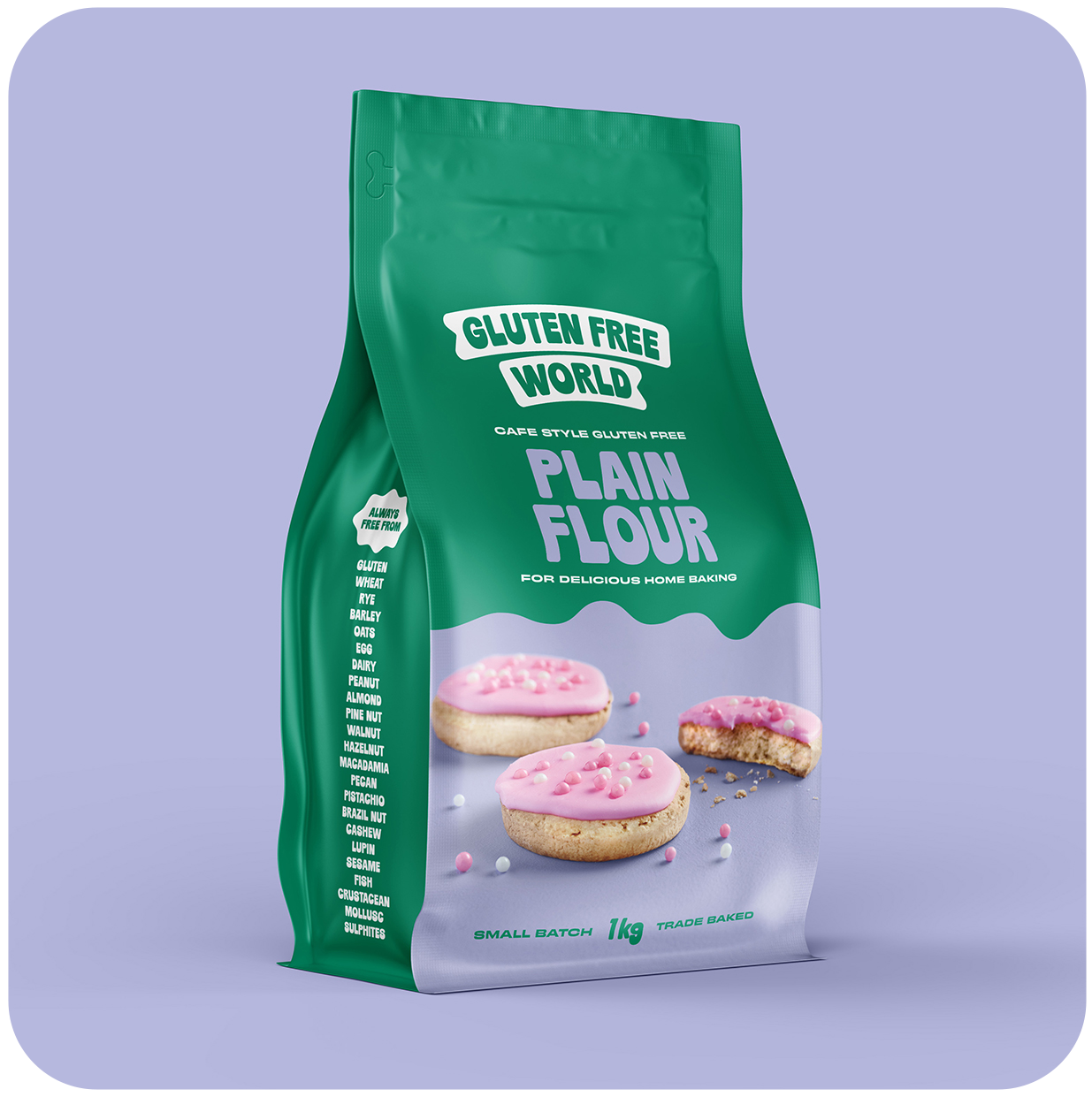
Our Plain Flour is a balanced blend designed to mimic the behaviour of all-purpose flour in your favourite family recipes. It shines in soft, tender bakes where a gentle crumb is key, and it helps you keep that homestyle feel across a wide range of treats. If you love the fine crumb associated with cake flour or other blends often called low-protein flours, this will feel familiar. Lower protein flour, which contains less protein, is ideal for delicate bakes and is the inspiration for this. It is the bag we reach for when the goal is a light bite and clean flavour.
This handles batters beautifully, folding in smoothly without clumps and baking to a delicate set. Think weekend pancakes, birthday cupcakes and biscuits for lunchboxes. For bakers who want one staple for everyday cooking, this is a flexible choice that behaves predictably, even when a recipe calls for a standard pantry flour.
Why Our Bread Flour Performs Like Traditional Bread Flour
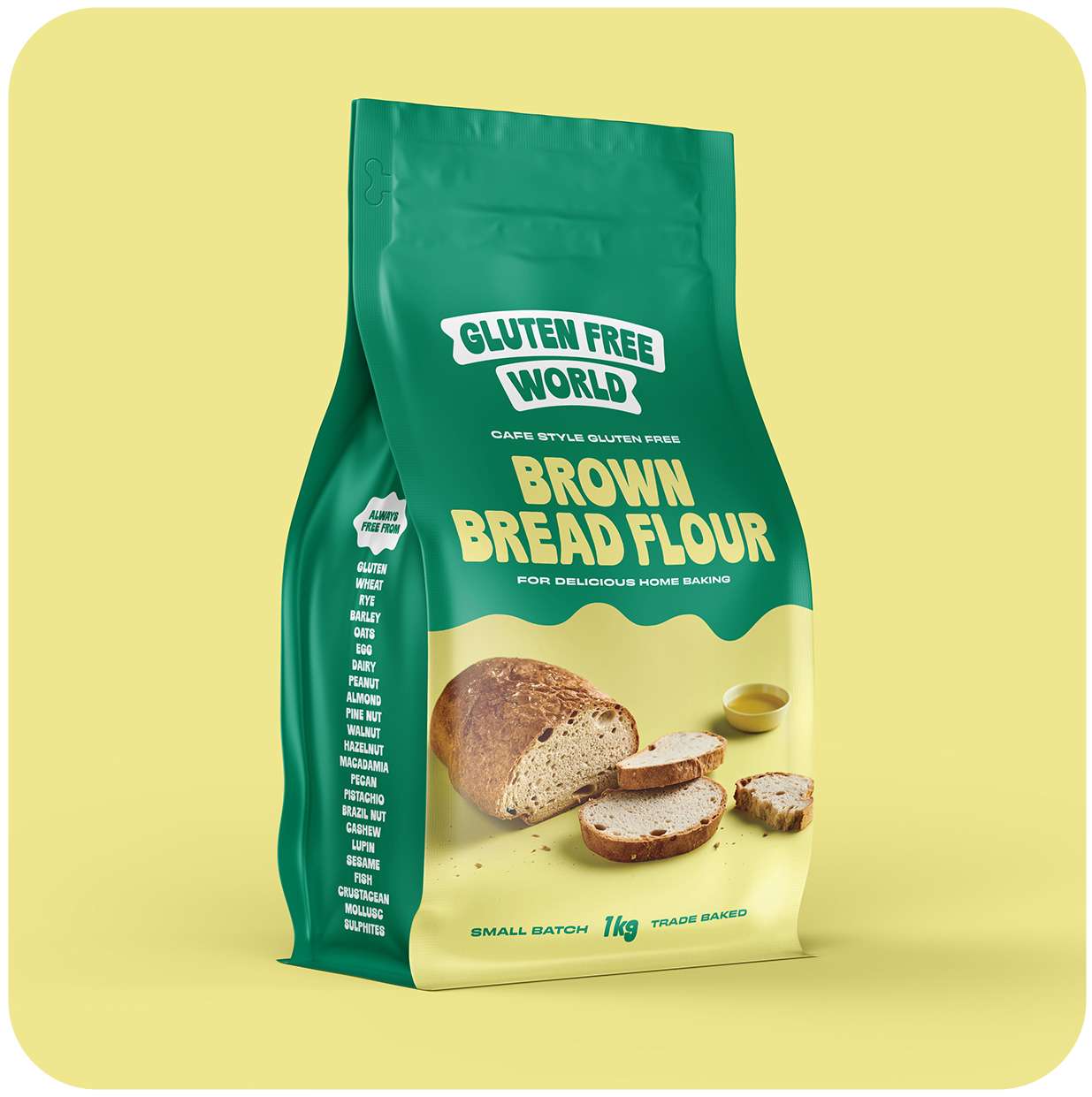
Our Bread Flour is formulated to deliver structure in yeast-leavened baking. It supports lift and creates a cohesive crumb that slices neatly and toasts beautifully. The blend is more absorbent and benefits from extra water, which helps create strength in a way that mimics how wheat proteins would behave. Traditional bread flours have a higher protein content, and using high protein flour is essential for building structure in bread recipes.
Where you want a taller rise, a stable shape and a satisfying bite, this is the to reach for. If you are comparing bread flour vs plain for a dough that needs resilience, pick bread. It is designed for the kind of recipes that ask you to knead, rest and prove, and it holds up during a long fermentation or a fridge rise. More protein in high protein flours supports better gluten development and a stronger crumb.
When to Use Our Plain Flour

Use our Plain Flour whenever you want soft, tender results with a light crumb. It suits bakes where the structure comes from starch balance and gentle leavening rather than extended mixing or intensive kneading.
This is the right option for everyday favourites, simple celebration cakes and quick bakes that come together fast. If a recipe calls for traditional AP flour or purpose flour, this is your gluten-free stand-in that preserves balance and flavour. Plain Flour can be used in most recipes that require a tender crumb and gentle structure.
Best Recipes for Plain Flour
Our Plain Flour suits cakes, cookies, muffins, brownies, pancakes and quick breads that need a tender set. It also works well for chocolate chip cookies, producing a soft and tender texture. It keeps batters smooth and spoonable, helping you hit an even rise without tunnelling or tough edges.
It also suits family-friendly treats baked at moderate temperatures, where a light crust and soft crumb matter. For bakers who like to switch between biscuits, slices and loaf-style treats, this is the workhorse for weekday baking. It keeps an everyday baking approachable without sacrificing quality.
Characteristics & Performance
Expect batters to mix smoothly with a fine, even crumb once baked. The blend works neatly with common leaveners like baking powder and baking soda, giving you consistent lift without collapse. It behaves much like a familiar pantry flour, with the added benefit of being safe for gluten-free homes. Unlike bleached flour or unbleached flour, this delivers reliable baking performance without chemical processing, making it a quality choice for a variety of recipes.
You will notice predictable browning, a balanced moisture level and a texture that stays pleasant the next day. It is a straightforward substitute for standard pantry baking, which makes it ideal when you want quick success.
How to Adjust Recipes for Plain Flour
Swap our Plain Flour at a one-to-one rate by volume in most family recipes. Start with the same amount of liquid in your batter, then adjust slightly if the mix looks too tight or thick.
Let batters rest for about 15 minutes so the starches hydrate fully, which smooths the crumb and reduces any sandy feel. If your original recipe includes gums, check your ingredient list, then add only what you need for tenderness. Overuse will make delicate bakes feel rubbery, so aim for a soft set that cuts cleanly.
You can also substitute bread flour in some recipes, but keep in mind that doing so may change the texture and structure of your baked goods. Adjustments to hydration and mixing may be necessary to achieve the best results.
When to Use Our Bread Flour

Choose our Bread Flour for yeast-leavened loaves, rolls, and pizza where structure and lift are important. Our bread flour rises in 20 to 30 minutes. The Bread Flour is ideal for bread baking and is the preferred choice when you want to bake bread with a strong structure and rise.
This is the choice when you want reliable shaping, a proud dome, and a crumb that holds fillings without crumbling. It is especially helpful for bakers who enjoy slow rises and flavour development.
Best Recipes for Bread Flour
Reach for our Bread Flour for sandwich loaves, rolls, pizza bases, focaccia-style trays and sourdough bread projects. It also supports enriched doughs that use eggs or oil, keeping the crumb cohesive during proof and bake. Bread flour dough is known for its ability to handle high hydration and produce a chewier texture, making it ideal for artisan-style breads.
If you like to experiment with a sourdough starter, this gives the structure you need to capture gas and maintain shape.
Characteristics & Performance
Our Bread Flour supports strength, lift, and a neat slice. The flour is formulated to achieve a higher rise and develop more gluten in doughs, resulting in a well-structured loaf. It benefits from higher hydration levels, which help the dough relax and expand in the oven. Expect a balanced chew and a consistent crumb that stands up to toasting and spreading.
The blend is more absorbent than some pantry flours, so it often needs extra water to reach the right consistency. A slightly tacky dough that holds form in the tin is the target for a proud rise and even crumb.
How to Adjust Recipes for Bread Flour
We recommend using the recipe on our website and back of the pack. Plan to add extra water to reach the right feel, then rest the dough so the starches can hydrate properly. Be sure the dough is thoroughly mixed to ensure even hydration and proper structure.
When you’re making the dough, aim for a soft texture that feels a bit sticky but becomes smooth with just a few kneads or folds. Give it time to rise fully so you capture strength before baking. If your formula includes gums, add them thoughtfully, since too much can create a tight, rubbery crumb.
Choosing the Right Flour for Your Recipe
Picking the right starts with the texture you want. Understanding the differences between different flours, such as bread flour and all purpose, helps you make the best choice for your recipes. If the goal is tender and delicate, choose plain. If the goal is structured and chewy with a confident rise, choose bread.
When a recipe calls simply for flour, think about the method and finish. For batters that go straight to the oven and are set gently, plain is perfect. For doughs that prove and bake in tins or on trays, bread is the safer bet that avoids a big difference in height and crumb.
When to Choose Plain Flour
Choose plain when you want tender textures in cakes, muffins, quick breads and biscuits. The Plain Flour has a lower protein content, which makes it ideal for delicate bakes.
If you prefer a soft bite and an even, fine crumb, this is the one that will feel most familiar. It keeps slices neat without a chewy pull, which is exactly what you want for many home treats.
When to Choose Bread Flour
Choose bread when you are building structure through fermentation and shaping. The Bread Flour contains higher protein, which supports better gluten development and structure. It suits loaves, pizza bases and artisan-style trays that benefit from a stronger framework.
If you want height, a defined crumb and a satisfying bite, this is the flour that supports that ambition. It is ideal for weekend projects where proving time and careful hydration produce a confident loaf.
Understanding Gluten-Free Structure, Hydration & Texture

Gluten-free baking relies on different building blocks than wheat-based baking. Instead of the two wheat proteins that form gluten, structure comes from starches, fibres and gums that respond to water in distinct ways (the two proteins are glutenin and gliadin).
Hydration and rest are the twin levers that help you coax strength and lift. With the right amount of water and time, our flours set into dependable crumbs that hold together nicely, slice neatly and toast well.
Why Hydration Matters
Water activates starches and helps them swell, which builds strength, traps gas and supports lift in the oven. This is particularly important in bread-style doughs, where a slightly tacky feel often signals the right balance.
If you are wondering how much water to add for a confident rise, start at your recipe's base level and increase gradually until the dough looks smooth and lively. That extra hydration often turns a flat bake into a proud loaf with a light, even crumb.
How Resting Improves Texture
Resting gives starches time to absorb water, which reduces grittiness and promotes a consistent set. Batters baked too quickly can feel sandy or fragile, while rested batters bake to a smoother crumb.
In bread-style baking, rest phases like bulk proof and final proof support shape and structure. The combination of patient resting and careful hydration lifts both flavour and texture.
Our Favourite Tips for Consistent Gluten-Free Baking

Over many test bakes, we have refined a few simple habits that help you get reliable results. These ideas work whether you love quick weekday bakes or longer, more involved projects.
-
Weigh ingredients when possible for consistency, especially liquids and flour.
-
Use salt with care, since it influences flavour and dough strength.
-
Take notes so you can repeat wins across seasons and ovens.
Tips From Our Team
Start with dependable recipes so you learn what a good batter or dough should look and feel like. Build a rhythm with rising times, oven behaviour and pan choices so you can adjust quickly when conditions shift.
Trust texture cues instead of just visual shape. A dough that feels supple and slightly sticky often bakes with better volume than a dry mass. Small adjustments in hydration and rest usually produce bigger improvements than aggressive mixing.
Allergy-Safe & Tested for Purity
Our flours are crafted for kitchens that avoid wheat, gluten, dairy and eggs. We focus on clean ingredients and careful handling so families can bake with confidence.
We triple-check for quality and consistency across batches. That level of care helps you focus on flavour and feel while we take care of the background work.
Conclusion
Choosing between our Plain Flour and our Bread Flour comes down to the texture you want and the method your recipe uses. For tender crumbs and batters, plain delivers familiar comfort. For height, structure and a cohesive slice, bread delivers a reliable framework. With smart hydration, patient resting and a simple workflow, you can bake with confidence and joy in a gluten-free kitchen.
Ready to explore new bread recipes and try a weekend bread flour loaf using our flours. Ready to bake brilliant gluten-free? Shop Gluten Free World and add your favourite flours to the cart now.
