Professional-Grade Gluten Free Flours | Vegan & Allergy Friendly | Australia-Wide Delivery


· By R2R Team
Best Gluten‑Free Cake Mix in Australia: What to Look For in 2026
Finding a cake mix that’s genuinely gluten-free and genuinely delicious shouldn’t feel like a gamble. In 2026, we’ve got more options than ever in Australia, but also more marketing claims, more “health halo” labels, and more confusion for families trying to bake safely.
This guide breaks down what to look for in a reliable gluten free cake mix—from label reading and cross-contamination to ingredients, performance, and allergy-friendly needs—so you can bake with confidence (and actually enjoy the result).
What “best” really means for gluten-free cake mix in 2026

“Best” is a slippery word, especially in gluten-free baking where different households have different non-negotiables. For some people, “best” means strict coeliac-safe confidence; for others, it’s about an egg-free option that doesn’t taste like cardboard. In 2026, the best gluten free cake mix is the one that reliably fits your safety needs and delivers the texture and flavour you want, every single time.
If you’ve ever tried a gf cake mix that looked perfect on the box but baked up dry, gritty, or oddly gummy, you already know: “gluten-free” alone isn’t the full story.
The three pillars: safety, taste, reliability
When you’re choosing a gluten free cake mix, it helps to judge it on three pillars: safety, taste, and reliability. Safety is the baseline—especially for coeliac disease—because even a small amount of gluten can be a serious issue. Taste is what makes baking feel joyful (and worth repeating). Reliability is what saves your sanity when you’re baking for a birthday, a school event, or Christmas lunch.
A quick way to think about it is this: the best gluten free cake mix should bake into a cake you’d happily serve to anyone—without needing a long apology speech about the texture. It should also be consistent enough that your second bake turns out like your first, not like a totally different recipe.
Matching the mix to your baking style
Not every gluten cake mix is designed for the same job, and that’s where many people get disappointed. Some mixes shine as cupcakes but dry out as a layered cake. Others slice beautifully in a loaf tin but can’t hold a tall, fluffy crumb in a party cake.
Before you buy, ask yourself how you actually bake. Are you a “quick Saturday cupcakes” person, a “birthday layer cake once a month” person, or a “school lunchbox slice” person? Choosing a gf cake mix that fits your real habits is often the difference between a pantry staple and a dusty box you never touch again.
Safety first: what to look for on labels (and what to be wary of)
For gluten-free households, label reading isn’t just a nice-to-have skill—it’s a safety practice. In Australia, packaging can be clear, but it can also be confusing when brands use vague phrases or bury key details in tiny print. To choose a gluten free cake mix confidently, you need to know which words actually help you and which ones are mostly marketing.
Gluten-free claims, certifications, and “may contain”
Start with the simplest rule: don’t rely on front-of-pack vibes. A pastel box with “natural” or “wholesome” styling is not the same as a product that’s appropriate for your household. For a gluten free cake mix, look for clear gluten-free labelling and allergen statements you can quickly understand.
Pay attention to “may contain” or “may be present” statements too. These warnings aren’t always a dealbreaker for everyone, but they’re important information—especially if you’re baking for coeliac disease or high sensitivity. If you’re trying to find the best gluten free cake mix for a strict household, you’ll likely want the most transparent label possible, including clear processing and allergen information.
Helpful label checks include:
-
A clearly stated gluten-free claim (not implied).
-
A full ingredient list (not hidden behind vague “blend” language).
-
A straightforward allergen statement you can easily interpret.
Cross-contamination risk in the real world
Even a great gluten free cake mix can be undermined by a shared kitchen setup. Cross-contamination is where a lot of “mystery reactions” happen—especially when baking for gatherings where gluten-containing flour has been used recently.
If you’re baking for a coeliac or gluten-intolerant family member, keep a small “GF kit” that’s easy to grab. It doesn’t need to be complicated; it just needs to be consistent.
A simple home checklist:
-
Use clean bowls and utensils (and avoid wooden spoons if they’ve been used with wheat flour).
-
Line your cupcake tray or cake tin (paper liners reduce contact risk).
-
Wipe benches thoroughly before you start.
-
Keep wheat flour away from the mixing area (it can linger in the air and on surfaces).
When safety is the priority, choosing a gf cake mix with clear labelling is only step one. Your kitchen process is step two—and it matters.
Ingredients and nutrition: what’s inside a great mix (and why it matters)

Ingredients are where the magic (or the heartbreak) happens. Gluten gives traditional cake structure and softness, so when it’s removed, mixes need a carefully balanced replacement system. The difference between an “okay” and best gluten free cake mix often comes down to how well that system is designed—and how clearly it’s explained to the baker.
This section will help you understand common gluten-free mix ingredients in plain language, so you can predict texture and troubleshoot results without needing a food science degree.
Flour/starch blends that bake like a “real” cake
Most gluten free cake mix products rely on a blend of gluten-free flours and starches to mimic the softness of wheat-based cake. Done well, this blend gives you a tender crumb, a nice rise, and a cake that stays moist into day two.
Done poorly, the cake can taste starchy, feel sandy, or crumble when sliced. If you’ve ever tried a gluten cake mix that left a powdery afterfeel, you’ve likely experienced an imbalanced blend.
When you’re comparing options, look for mixes that feel designed for cake specifically (not a generic “all-purpose baking mix” trying to do everything). The best gluten free cake mix tends to have a blend that supports lightness and moisture retention, so it doesn’t dry out the moment it cools.
Gums, fibres, and binders (the good, the bad, the crumbly)
Gluten-free cake needs binders—ingredients that help trap air, hold moisture, and prevent the cake from collapsing. That’s where gums and fibres often come in. In a gf cake mix, these ingredients are typically included to stop the crumb from falling apart and to make the texture feel more like a bakery cake.
The “good” is when binders create softness and stability. The “bad” is when too much binder makes the cake gummy or heavy, or when someone’s digestion doesn’t love a particular gum. If you know you’re sensitive to certain ingredients, check the label and keep notes on how your body responds—because the best gluten free cake mix is also the one that feels good after you eat it.
If your cakes tend to crumble, it may not be your technique—it may be that the gluten free cake mix doesn’t have enough binding support for the way you’re baking (especially if you’re also doing egg-free swaps).
Sugar, sweeteners, and flavour
It’s tempting to judge sugar content as “good” or “bad,” but in cake baking, sugar is also a texture tool. It helps retain moisture, supports tenderness, and contributes to that café-style crumb people miss. In a gluten free cake mix, reducing sugar too aggressively can sometimes make the cake dry, tough, or short-lived.
Sweeteners and flavouring choices matter too. Cocoa, vanilla, spices, citrus zest, and even a pinch of salt can shift a cake from “fine” to “I want another slice.” The best gluten free cake mix gives you a solid base flavour that doesn’t taste artificial, so you can dress it up with simple additions rather than trying to mask odd aftertastes.
Performance test: how to tell if a mix will bake café-style at home
In 2026, you don’t need to settle for “it’s good… for gluten-free.” You can absolutely bake cupcakes and cakes that feel like something you’d buy with a takeaway coffee. The trick is knowing how to evaluate a gluten free cake mix based on results, not just claims.
Texture checklist (fresh and day-two)
A cake that only tastes good warm isn’t really a win—especially if you’re packing lunchboxes or serving guests later. One of the simplest tests for the best gluten free cake mix is how it behaves after it cools and how it eats the next day.
Fresh texture cues to look for:
-
A crumb that springs back lightly when touched.
-
A slice that holds together without crumbling into sand.
-
Moistness without a gummy centre.
Day-two cues matter just as much. If the cake becomes dry and chalky overnight, it may be a mix that needs different storage, more fat/moisture, or simply a better formulation. A strong gluten free cake mix should stay pleasant and tender with basic storage—because real life baking doesn’t always happen right before serving.
Versatility: cupcakes, layers, and slices
Versatility is a big deal for families. If you find one gluten free cake mix that works as cupcakes for school, a layer cake for birthdays, and a slice for weekend snacks, you’ve basically found gold. This is where a lot of shoppers decide what counts as the best gluten free cake mix for their home.
You can test versatility by baking a small batch as cupcakes first (quick feedback), then trying a simple round cake. Pay attention to rise, browning, and how the crumb holds when sliced. Some gluten cake mix products are engineered for quick bakes and don’t scale well to taller cakes, so this small experiment can save you money and disappointment.
Allergy-friendly needs in 2026: dairy-free, egg-free, vegan (without sad cake vibes)

Many Australian households aren’t navigating gluten alone. It’s increasingly common to need dairy-free, egg-free, or vegan-friendly baking—sometimes all at once. The good news is that allergy-aware baking has come a long way, and a well-made gluten free cake mix can still deliver a soft, rich crumb without relying on traditional ingredients.
Egg-free and vegan swaps that keep structure
Eggs do a lot in baking: they bind, lift, and add richness. Removing them from a gf cake mix can make cakes dense or crumbly if the mix isn’t designed to cope. The goal is to replace what eggs do, not just what eggs are.
Depending on the recipe, options may include commercial egg replacers, flax/chia gels, or fruit-based binders. Each behaves differently, and the “best” choice can depend on whether you’re baking cupcakes or a whole cake. If you’re searching for the best gluten free cake mix for vegan baking, look for mixes that are already positioned as egg-free or vegan-friendly, and follow the method closely the first time before you tweak.
A helpful approach is to keep your first test batch simple—no extra add-ins—so you can understand how the gluten free cake mix performs with your chosen egg swap. Once you know the baseline texture, it’s easier to add chocolate chips, fruit, spices, or fillings.
Dairy-free options that still taste rich
Dairy-free cakes can be absolutely delicious, but the type of fat matters. Some plant-based options create a lovely tender crumb; others can feel oily or flat if the ratio isn’t right. With a gluten free cake mix, it’s often safest to use a neutral-flavoured oil (or a well-liked dairy-free butter alternative) and a plant milk that isn’t too watery.
If you want the cake to taste indulgent, focus on flavour layering: vanilla, citrus zest, cocoa, coffee, spices, and a pinch of salt. Richness can also come from frostings and fillings—think dairy-free ganache-style toppings, thick berry compotes, or whipped plant-based creams. The best gluten free cake mix gives you a strong base that can carry these flavours without becoming fragile.
“Organic” and other claims: how to shop smart (without falling for buzzwords)
Food labels can be genuinely helpful, but they can also be distracting. In 2026, it’s easy to find mixes promising “clean,” “natural,” “gut-friendly,” “low sugar,” or “organic” benefits. Some of these claims may align with your values, but none of them automatically guarantee safety for coeliacs or great cake texture.
What “organic” can (and can’t) guarantee
An organic gluten free cake mix may appeal to health-conscious bakers who prefer certain sourcing standards. But “organic” doesn’t automatically tell you whether the product is suitable for a coeliac household, whether it’s made in a dedicated facility, or whether it will bake into a soft, reliable cake.
If organic is important to you, treat it as one filter—not the whole decision. You still want clear gluten-free labelling, transparent allergen information, and a formulation that produces the crumb you enjoy. In other words, an organic gluten free cake mix can be a great choice, but only if it also performs like a truly best gluten free cake mix in the kitchen.
Buying in Australia: where to find the right mix and what to check before you click “add to cart”
Where you buy matters almost as much as what you buy. Supermarkets offer convenience, specialty stores offer range, and online stores often provide the most detailed product info (and the widest selection). In 2026, many shoppers prefer online ordering because it makes it easier to compare ingredients, allergen statements, and brand transparency.
Questions to ask before buying
Before you commit to a gf cake mix, it helps to run through a few quick questions—especially if you’re buying online and can’t inspect the box in person. These questions don’t take long, but they can save you from buying a mix that doesn’t match your needs.
Useful pre-buy questions:
-
Is the ingredient list complete and easy to read?
-
Is there a clear allergen statement (including “may contain”)?
-
Are the instructions specific (not vague or minimal)?
-
Does the brand explain how the product is made or tested?
If the answers are unclear, that’s not necessarily a hard no—but it’s a sign to be cautious. The best gluten free cake mix brands usually make it easy for you to understand what you’re buying.
How to choose a “house mix”
A “house mix” is the one you keep stocked because it solves problems. It’s the mix you can turn into cupcakes for a school fundraiser, a layer cake for a birthday, or a quick dessert when friends drop by. For many families, choosing one dependable gluten free cake mix reduces decision fatigue and helps you build confidence in your baking.
A smart strategy is to pick two options:
-
One vanilla-style mix for citrus, spice, berry, and caramel flavours.
-
One chocolate-style mix for richer, more indulgent bakes.
Once you’ve found your favourites, keep a small notebook (or phone note) with your best tweaks—bake time in your oven, preferred frosting, and which egg/dairy swaps worked. That’s how a gf cake mix becomes a reliable, repeatable part of your routine—and how you end up with your personal best gluten free cake mix choice.
How we make choosing a cake mix simpler (and safer) for Aussie kitchens

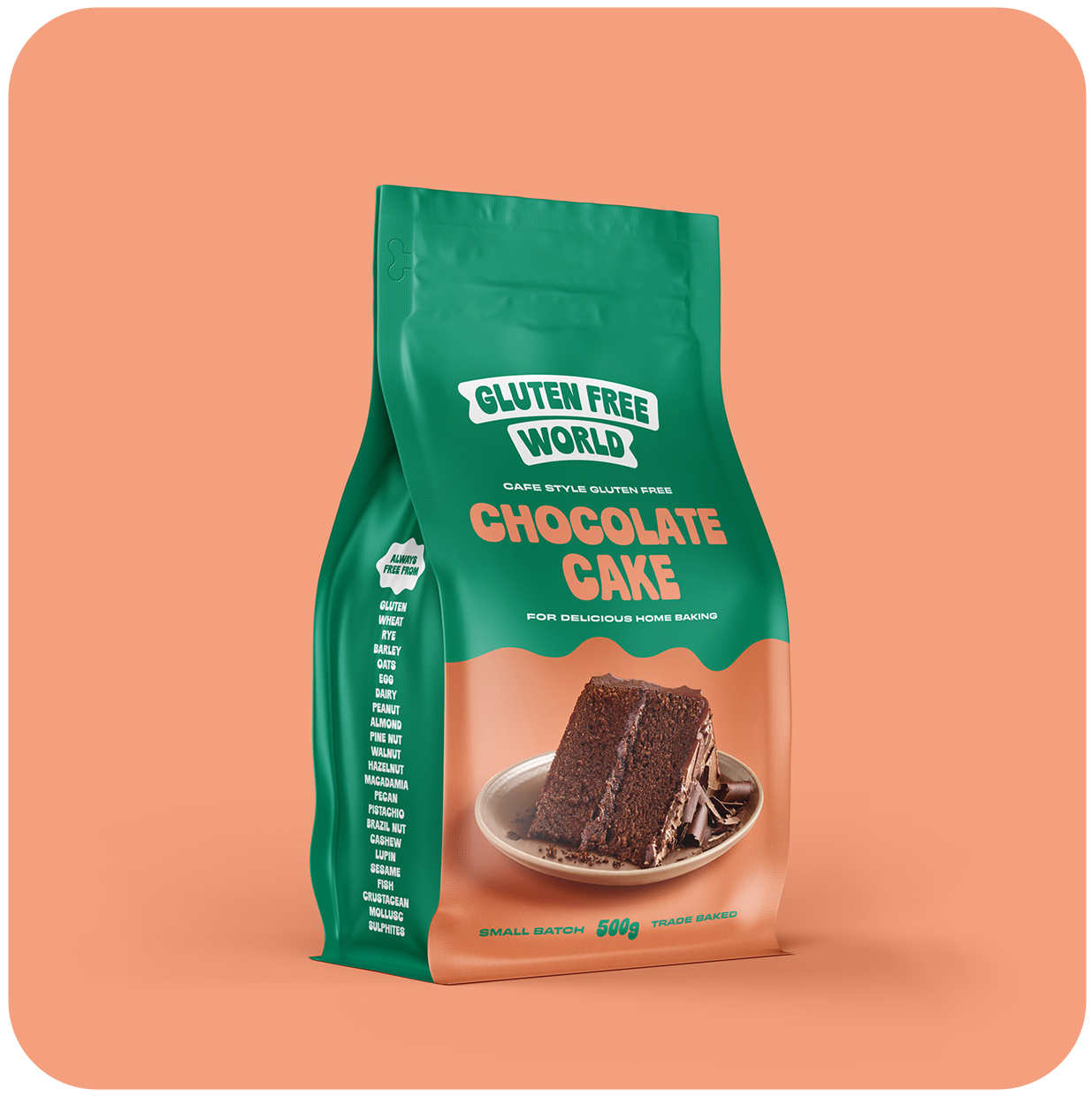
If you’re baking gluten-free for health reasons, you deserve products that make life easier—not more stressful. At Gluten Free World, we know many of our customers are juggling coeliac disease, gluten intolerance, and multiple food allergies, all while trying to feed families and still enjoy treats that taste genuinely good. Our aim is to take the guesswork out of choosing a gluten free cake mix, so you can focus on the fun part: baking, sharing, and celebrating.
We also know that “safe” isn’t the only goal. In 2026, people want café-style results at home—soft crumb, great rise, real flavour—and we build our products with that expectation in mind.
Our approach to allergy-aware baking
We design our range for households that need more than a basic “gluten-free” label. Many people shopping for a gf cake mix are also looking for options that suit dairy-free, egg-free, and vegan needs. That’s why our focus is on baking products that fit into real Australian kitchens—where one household might be avoiding several allergens at once.
We believe confidence comes from clarity. That means being upfront about ingredients and making it easier to choose products that align with your dietary requirements. When customers tell us they’re searching for the best gluten free cake mix, we hear the deeper need behind the question: “Can I trust this for my family?” Our goal is to help make that decision simpler.
Our “reliable results” mindset
One of the most frustrating parts of gluten-free baking is inconsistency. You follow the directions, you do everything right, and you still end up with a cake that crumbles or dries out too quickly. We take consistency seriously because it’s what turns a one-off experiment into a mix you reach for again and again.
For us, a great gluten free cake mix should behave predictably—so whether you’re baking cupcakes for a classroom celebration or a cake for a special occasion, you can count on the outcome. That reliability is what helps a mix earn the title of best gluten free cake mix in everyday life, not just in a product description.
How we help you get café-style flavour at home
Café-style baking is about more than sweetness—it’s about aroma, balance, and that soft, satisfying crumb. We encourage home bakers to start with a mix that already tastes great, then build flavour in simple, allergy-aware ways: citrus zest, spices, cocoa, coffee, vanilla bean, or berry swirls.
A reliable gf cake mix should also give you room to be creative. Once you know your base bakes well, you can confidently add fillings, frostings, and toppings that suit your dietary needs and your taste. We love seeing customers share their bakes online because it proves something important: gluten-free living doesn’t have to feel restrictive when you’ve got the right tools—and the right gluten free cake mix in the pantry.
Conclusion
In 2026, finding the best gluten free cake mix in Australia is less about chasing hype and more about choosing what’s safe, transparent, and proven in your kitchen. Start with the fundamentals: clear labelling, a formulation that supports soft texture, and performance that holds up beyond the first warm bite. Then layer in what matters to you—whether that’s vegan-friendly baking, dairy-free needs, or choosing an organic gluten free cake mix that matches your values.
If you want a practical next step, pick one gluten free cake mix that looks right for your household and do a simple “baseline bake” (no add-ins, just follow the directions). Once you see how it performs, you’ll know whether it’s a keeper—and you’ll be well on your way to finding your personal best gluten free cake mix for the year ahead.
