Professional-Grade Gluten Free Flours | Vegan & Allergy Friendly | Australia-Wide Delivery


· By R2R Team
Gluten-Free Muffins: 8 Flavour Ideas from One Cake Mix
Gluten-free muffins can feel unpredictable, especially if you are new to gluten-free baking and experimenting with a different gluten-free flour or flour blend. One batch turns out light and soft, the next feels dense or overly sweet, even when you follow the same recipe. For many home bakers, the uncertainty begins when regular flour is replaced, and the texture behaves differently than expected.
Gluten-free baking works a little differently. The type of gluten-free flour blend you use, how the wet ingredients are combined, and how gently you mix the batter all influence the final crumb.
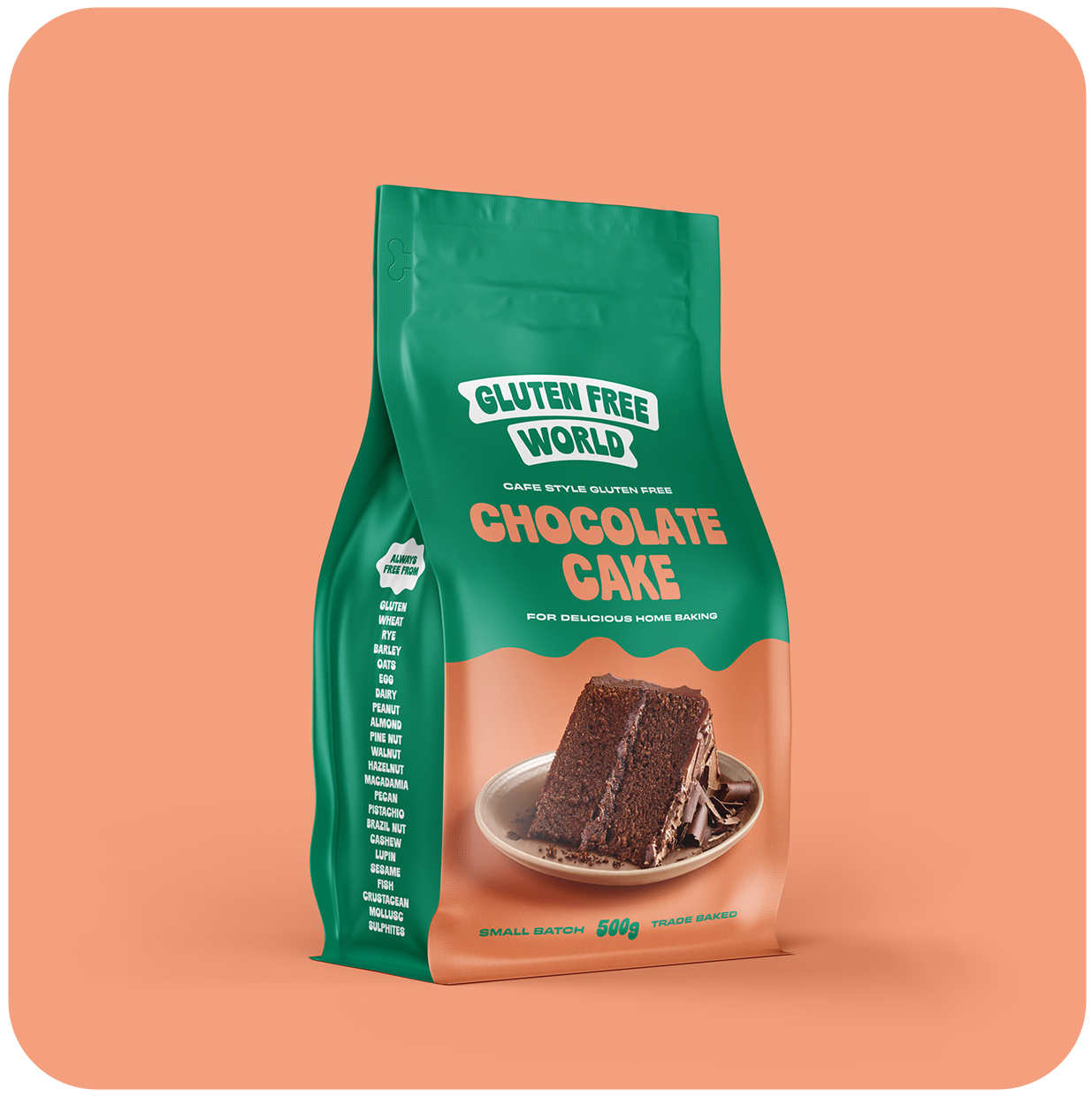
That is why starting with a reliable base, such as the Gluten Free World Vanilla or Chocolate Cake Mix, makes creating easy gluten-free muffins far more consistent. Below are eight simple ways to customise one mix with confidence.
1. Fold in Fresh or Frozen Berries
Fresh or frozen blueberries instantly create classic gluten-free blueberry muffins.
Gently fold the berries into the muffin batter just before spooning it into a prepared muffin tin or muffin pan lined with muffin cups. Adding frozen berries straight from the freezer helps reduce colour bleeding.
This simple addition transforms a basic gluten-free cake mix into one of the most loved muffin recipes, perfect for breakfast or a sweet treat. It is an easy recipe that works beautifully for mini muffins as well.
2. Add Lemon Zest for Brightness
Lemon zest adds flavour without affecting the moisture balance.
Stir one to two teaspoons into the wet ingredients, along with a little vanilla extract, in a large mixing bowl before combining with the flour mixture. The citrus oils distribute evenly and help maintain a fluffy crumb without making the muffins overly sweet.
This works beautifully in vanilla-based gluten-free muffins and pairs well with a light glaze or fresh berries.
3. Stir Through Ripe Bananas
Mashed ripe bananas add natural sweetness and moisture, helping prevent dry muffins.
Add the banana to the mixing bowl with the wet ingredients and gently combine. This variation creates soft, comforting muffins that are ideal for lunchboxes.
For a slightly richer texture, a spoonful of Greek yogurt or coconut oil can be added. It is a versatile recipe that adapts easily to different mix-ins.

4. Make Chocolate Chip Muffins
Chocolate chip muffins are always popular.
Fold chocolate chips lightly into the batter after mixing. Coating them in a small amount of gluten-free flour or dry mix helps prevent sinking, especially in gluten-free muffin batter.
This works in both vanilla and chocolate mixes and is one of the easiest gluten-free muffin recipes for beginners. It also creates delicious chocolate muffins when using a chocolate gluten-free cake mix.
5. Warm Things Up with Spices
Cinnamon, nutmeg, or chai spice can add warmth without altering structure.
Whisk half to one teaspoon into the flour blend before adding the wet ingredients. A good gluten-free flour blend or gluten-free self-rising flour is already designed to provide structure, so adding spices will not affect lift when baking powder and baking soda are measured correctly.
This creates bakery-style gluten-free muffins without added complexity and makes a great recipe for cooler months.
6. Swirl in Jam or Nut Butter
A swirl of raspberry jam, peanut butter, or even maple syrup adds pockets of flavour.
After you spoon batter into the muffin tin, add a small dollop on top and swirl gently with a skewer. Avoid overmixing to maintain structure.
This simple technique turns a basic gluten-free recipe into something that looks and tastes special.
7. Add Texture with Nuts or Coconut
Chopped walnuts, almond flour in small amounts, or shredded coconut add contrast to the soft crumb.
Gently fold these favourite mix-ins into the batter before baking. For nut-free baking, coconut works beautifully.
Store cooled muffins in an airtight container. For longer storage, wrap individually in plastic wrap before placing them in a freezer-safe bag to maintain freshness once the muffins cool completely.

8. Go Double Chocolate
Using a chocolate cake mix? Deepen the flavour.
Add one tablespoon of cocoa powder or extra chocolate pieces to create rich chocolate muffins. Reducing the liquid slightly keeps the batter balanced.
These muffins are perfect for celebrations or when you want a more indulgent sweet treat. They are a delicious recipe option when you want something more dessert-like.
Making Gluten-Free Muffins Dairy-Free or Egg-Free
Gluten-free muffins can easily be adapted to suit different dietary needs.
Simple substitutions that work
Almond milk can replace whole milk. Coconut oil can replace melted butter. Flax eggs or commercial egg replacers work well in egg-free baking. Monk fruit can replace part of the granulated sugar if you prefer less sweetness.
What changes in texture to expect
Dairy-free muffins may be slightly lighter depending on the fat used. Egg-free muffins can be softer and slightly more delicate. These differences are subtle when the base gluten-free flour blend is balanced.
Keeping muffins soft and stable
Avoid overmixing, measure baking powder and baking soda accurately, and allow muffins to cool completely before storing in an airtight container.
Tips for Soft, Bakery-Style Gluten-Free Muffins
Small habits make a big difference when baking gluten-free muffins. A few simple adjustments help create a softer crumb and more consistent results.
Mix gently
A gluten-free batter does not need heavy mixing. Stir only until the wet ingredients and flour blend are combined. Overmixing can lead to dense muffins.
Fill correctly
Fill muffin cases about two-thirds full, so they rise evenly. Using a prepared muffin tin lined with muffin cups also helps with even baking and easy removal.
Cool before storing
Allow muffins to cool completely on a wire rack before placing them in an airtight container. Trapped steam can affect texture.
Storing and Freezing Gluten-Free Muffins
Good storage keeps gluten-free muffins soft beyond baking day.
Room temperature
Store in an airtight container for up to three days. Keep away from heat and humidity.
Freezing
Once cooled, place muffins in a freezer bag or freezer-safe bag and remove excess air. Defrost at room temperature or warm gently before serving.
Everyday tip
Separate layers with baking paper and avoid sealing muffins while still warm.
Making Gluten-Free Muffin Baking Feel Simple
Gluten-free muffins do not need to feel complicated or limiting. Once you start with a reliable base, whether that’s a balanced gluten-free flour blend or a dependable Gluten Free World gluten-free cake mix, flavour variations become easy and enjoyable.
Muffins are one of the simplest gluten-free bakes to begin with. They bake quickly, require no shaping, and adapt beautifully to different mix-ins. You can easily adjust sweetness or texture while keeping the structure intact.
Using trusted Gluten Free World products removes much of the guesswork, allowing beginner and home bakers to focus on creativity rather than troubleshooting.
With a strong foundation and a few simple habits, you can create gluten-free muffins that are soft, reliable, and genuinely enjoyable to bake.
Frequently Asked Questions
Can cake mix really be used for gluten-free muffins?
Yes, a well-formulated gluten-free cake mix can work very effectively for gluten-free muffins. Many quality blends use a balanced gluten-free flour blend that already includes structure-supporting ingredients such as xanthan gum, baking powder, or baking soda. This simplifies gluten-free muffin recipes and makes it easier to achieve soft, easy gluten-free muffins without adjusting multiple flours.
Can gluten-free muffins be dairy-free or egg-free?
Yes, gluten-free muffins can be made dairy-free or egg-free with thoughtful substitutions. Almond milk can replace whole milk, and coconut oil can be used instead of melted butter. Flax eggs provide structure in egg-free baking. While texture may be slightly softer, careful mixing and proper baking help maintain stability in gluten-free muffin recipes.
Do gluten-free blueberry muffins freeze well?
Yes, gluten-free blueberry muffins freeze well when cooled completely on a wire rack before storing in an airtight container or freezer-safe bag. Whether using fresh blueberries or frozen berries, proper cooling helps maintain a fluffy crumb. When reheated gently, the texture of these gluten-free muffins remains soft and enjoyable.
Can almond flour be added to gluten-free muffins?
Almond flour can be added in small amounts to a gluten-free flour blend to introduce richness and depth. However, it should not fully replace the flour mixture, as this can affect moisture balance and structure. Measuring carefully in a large bowl and mixing thoroughly helps maintain consistency in gluten-free muffin recipes.
Why do gluten-free muffins dry out quickly?
Gluten-free muffins can dry out if the muffin batter is overmixed or if there is insufficient fat or moisture in the gluten-free recipe. Ingredients such as Greek yogurt, coconut oil, or maple syrup can help retain softness. Allow muffins to cool completely before storing in an airtight container to reduce moisture loss and keep them tender.
