Professional-Grade Gluten Free Flours | Vegan & Allergy Friendly | Australia-Wide Delivery


· By R2R Team
Gluten-Free Flour for Baking: What Actually Works for Winter Recipes
Winter baking is a serious activity. As soon as it gets cold, kitchens are filled with the aroma of spiced cakes, crusty bread and fruit crumbles. However, cold weather is working against you if you're a gluten-free baker, and many don't know until the loaf collapses or the crumble is chalky.
It's not your recipe that is the issue. It's your flour.
For those of you who have been looking to find the perfect gluten free flour for baking this winter, you know how frustrating it can be. Although rice flour or coconut flour are standard single-grain options, they just don't have the structural support to hold up heavy winter ingredients such as chunks of apple, pumpkin puree, chopped walnuts and warming spices like cinnamon and nutmeg. These dense additions need a foundation that can hold up, and a single-source flour can't provide it.
This is a blog to help you understand which gluten free baking flour is appropriate for each of the types of winter baking recipes, why they are baking failures in cold weather, and how to fix them.
Each of the recommendations is made using Coeliac Australia-certified blends specifically formulated by professionals, available at Gluten Free World, Australian-made and built specifically as a reliable gluten free flour for baking in real-world conditions.
Why Does Winter Weather Affect Gluten-Free Baking?
It's one of the most searched questions by home bakers when they try out gluten free winter recipes, and the answer is more technical than they would think. The three cold-weather factors below consistently sabotage gluten-free bakes.
-
Low Ambient Humidity
Warm air contains a lot more moisture than cold air. This is an important issue with all gluten free baking flour. Rice, tapioca, and potato starches are gluten-free, and they tend to dry out quickly, regardless of their use. During winter, these lose moisture during baking even quicker and are left with a texture that is gritty, chalky or crumbly and cannot be saved with the addition of butter.
The solution can begin even before lighting the oven (but read on to the pro tips section below to see that).
-
Slower Yeast Activation
A cold kitchen is a yeast killer. The best temperature for the action of the yeast is between 27°C and 38°C. In an unheated winter kitchen, dough sits at 15°C–18°C, which dramatically slows fermentation. For gluten-free artisan loaves and focaccias, this process means insufficient rise, dense interiors, and a crust that looks done before the centre is cooked through.
-
Heavy Ingredients vs. Structural Integrity
Fruity purees, root vegetables, dried fruits soaked in liquid, thick blends of spices and so on are the key winter add-ins that have lots of moisture. These add-ins create a kind of structural strain on the flour combination, which light summer bakes just don't.
A gluten free flour for baking a lemon blueberry muffin in January will fail to hold a sticky date pudding batter in July. You need the best gluten free flour blend for baking and a flour that has been specially formulated to deal with that weight and hold its shape all winter.
Choosing the Right Gluten-Free Flour for Winter Baking
Selecting the correct gluten free flour for baking is the single most important decision you'll make before starting any winter recipe. Gluten-free flour types work differently in different types of recipes. Here's how to match the right product to the right winter bake.
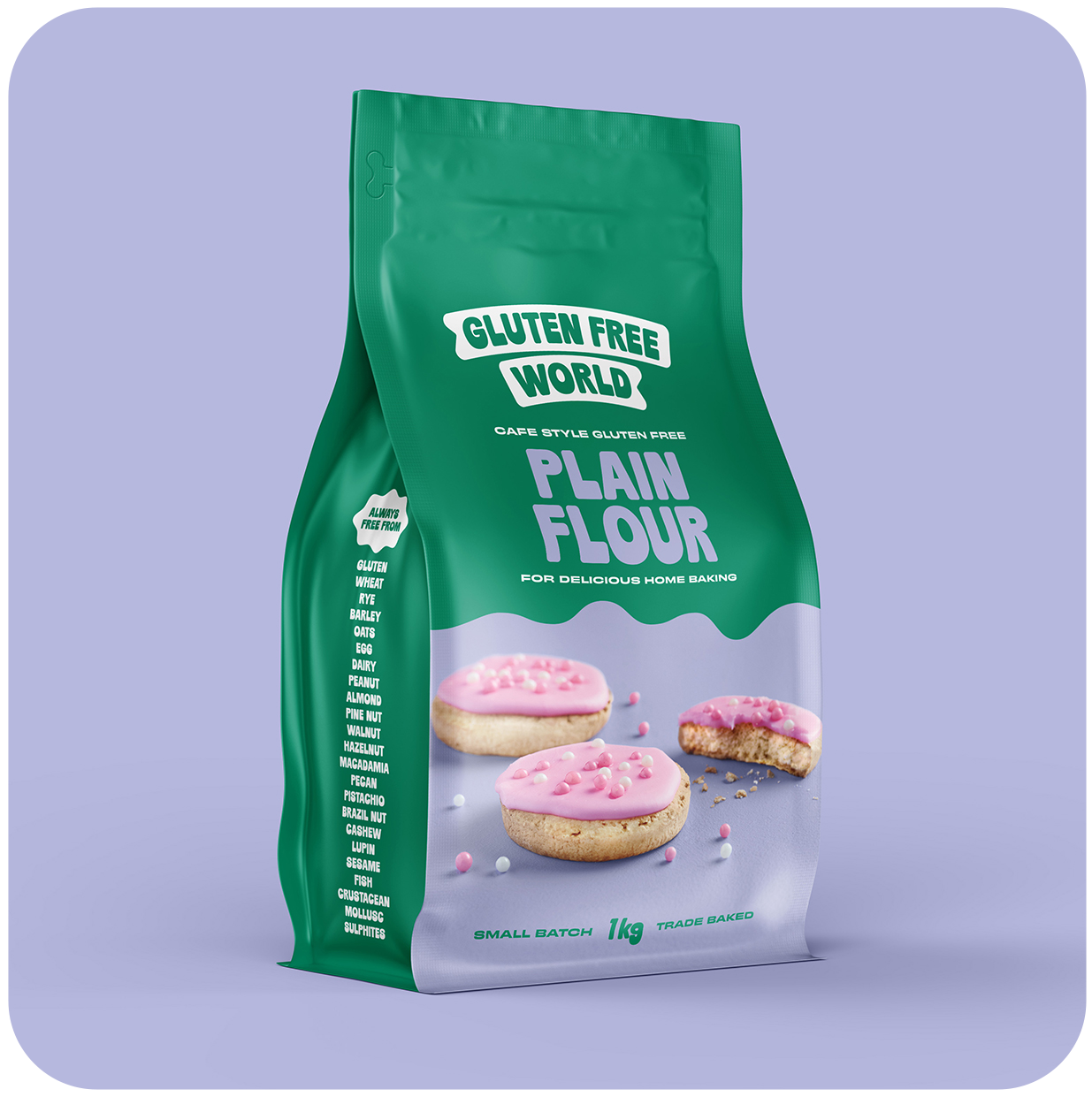
➦ Gluten-Free Plain Flour: The Pastry & Crumble Essential

-
Best For
Winter apple and berry crumbles, shortbreads and pie crusts.
-
Why It Works
Use of a quality gluten free plain flour makes this a tender and delicate crumb that won't go gummy in the presence of seasonal fruits. This is the specific failure point of lower-quality blends: they use unbalanced starches and combine them with natural pectin and moisture in cooked fruit, making it a gluey mess instead of a crisp topping.
Our gluten free plain flour is formulated to maintain structure at the pastry stage, meaning it crumbles properly, holds together when pressed into a tart tin and doesn't suck up too much juice as it bakes. This flour is best for a spiced pear tart or for making apple crumble in the winter.
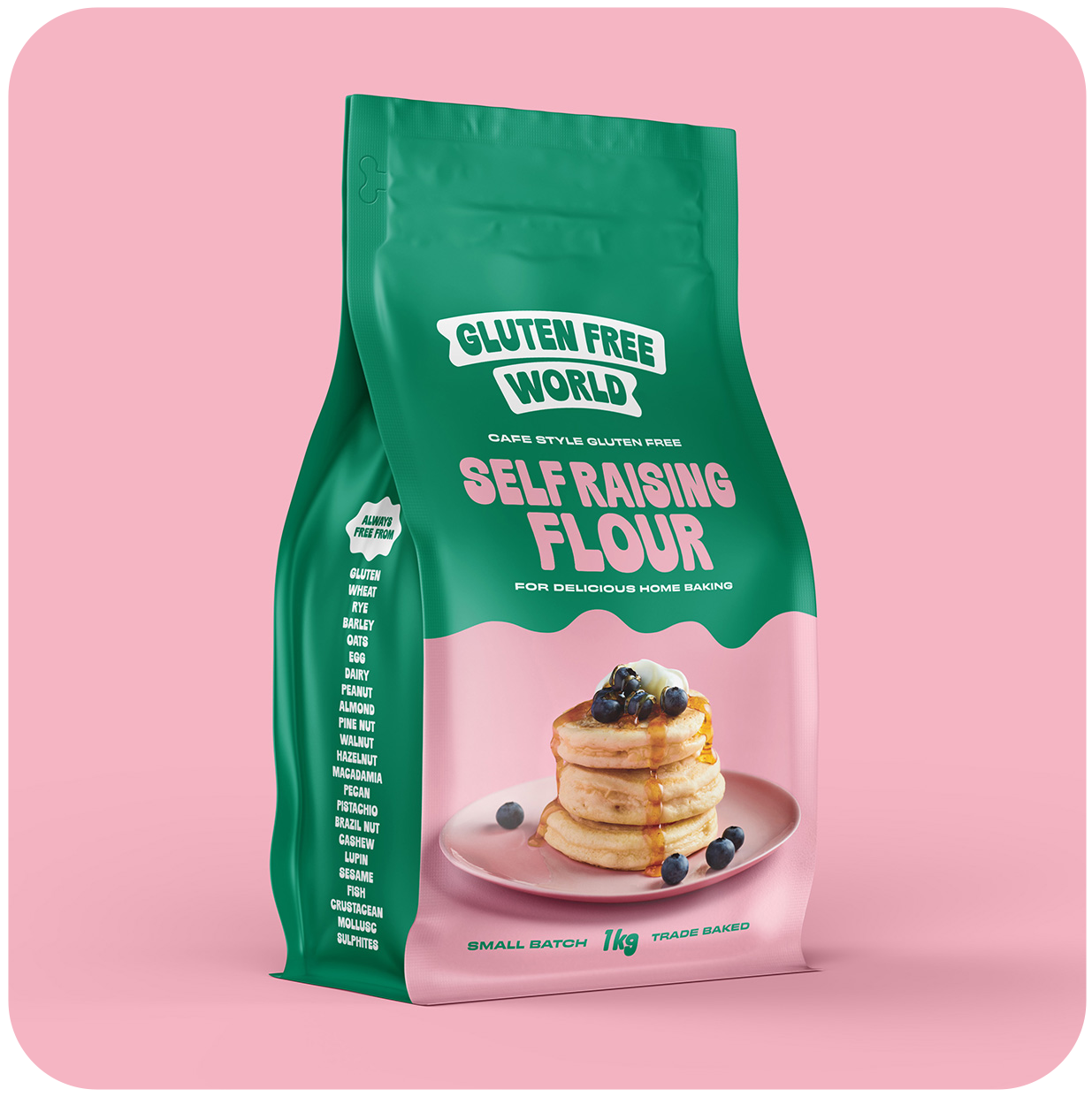
➦ Gluten-Free Self Raising Flour: The Spiced Cake Champion
-
Best For
Spiced carrot cakes, gingerbread loaves and winter tea cakes.
-
Why it Works
The leavening challenge in gluten-free winter baking is underappreciated. It's not only about flavour; heavy spices like cinnamon, nutmeg, ginger and mixed spice are also agents. They weigh down the batter and suppress the rise. Using a regular gluten free self raising flour that has inadequate leavening will result in a low, dense loaf every time.
A professionally balanced self raising flour includes a leavening ratio designed to compensate for this added density. This leaves you with a light, crisp, even crumb in a gingerbread loaf or a carrot cake that rises properly and doesn't topple over into a wet, dense middle.
If you've tried the gluten-free Christmas cake or gluten-free spiced loaf repeatedly and it's a flop, switching to a purpose-built self-raising blend from us is often the only change needed.
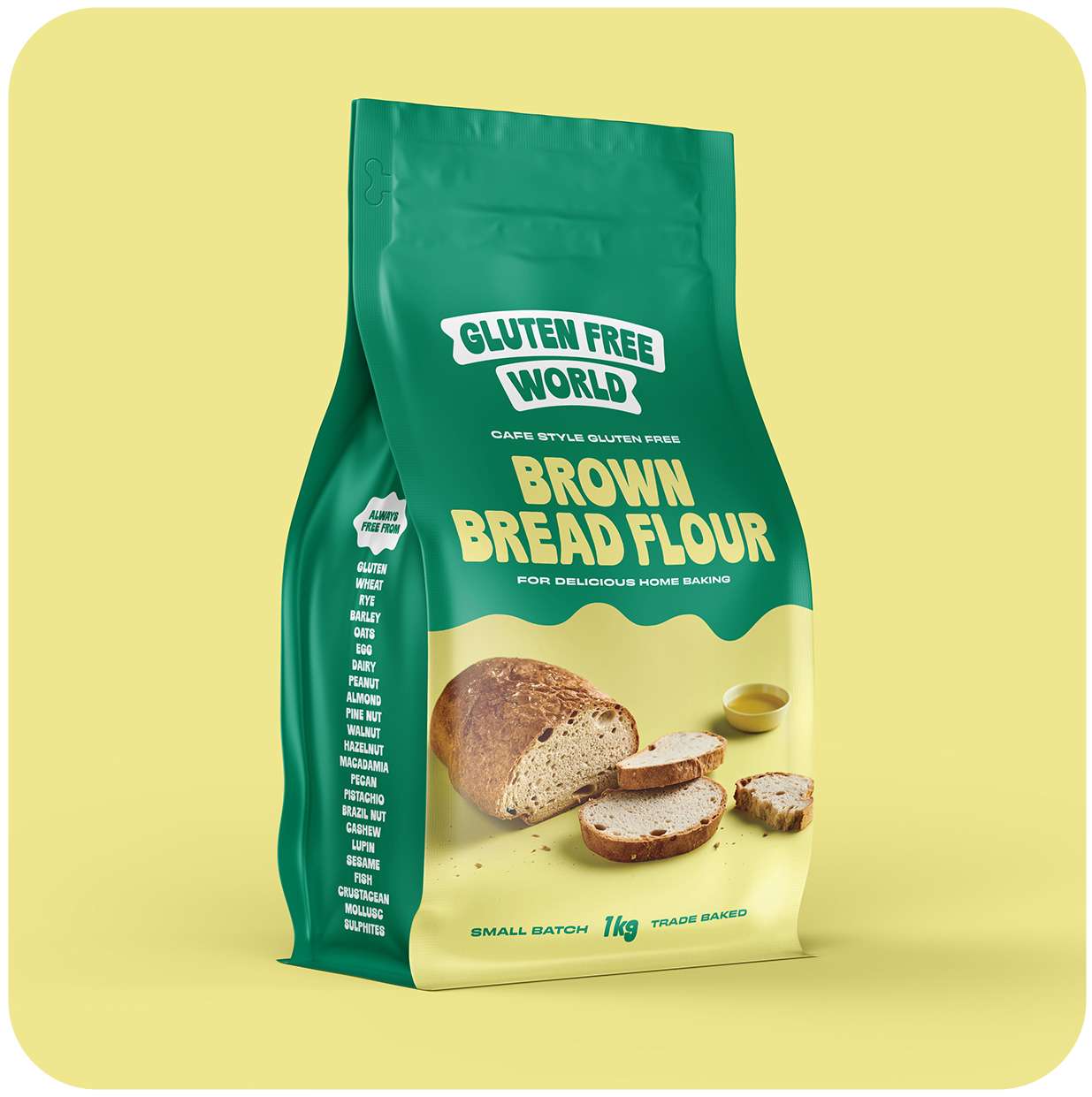
➦ Traditional & Brown Bread Flour: The Comfort Food Core

-
Best For
Dense, crusty artisan loaves, winter pizza bases, and warm garlic focaccias.
-
Why it Works
Wheat gluten creates the elastic network that gives bread its chew, its ability to trap gas and rise, and its soft interior despite a hard exterior crust. This quality is something that is really hard to replicate without wheat, and most single-grain blends don't achieve this.
For the gluten-free baked loaf, a gluten free bread flour blend is used, which contains a blend of starches, binding agents and protein that simulate the role of gluten. This is especially important when baking in the winter because cold air helps harden the crust before baking is done. A good, balanced mix is still soft on the inside despite hardening in the oven.
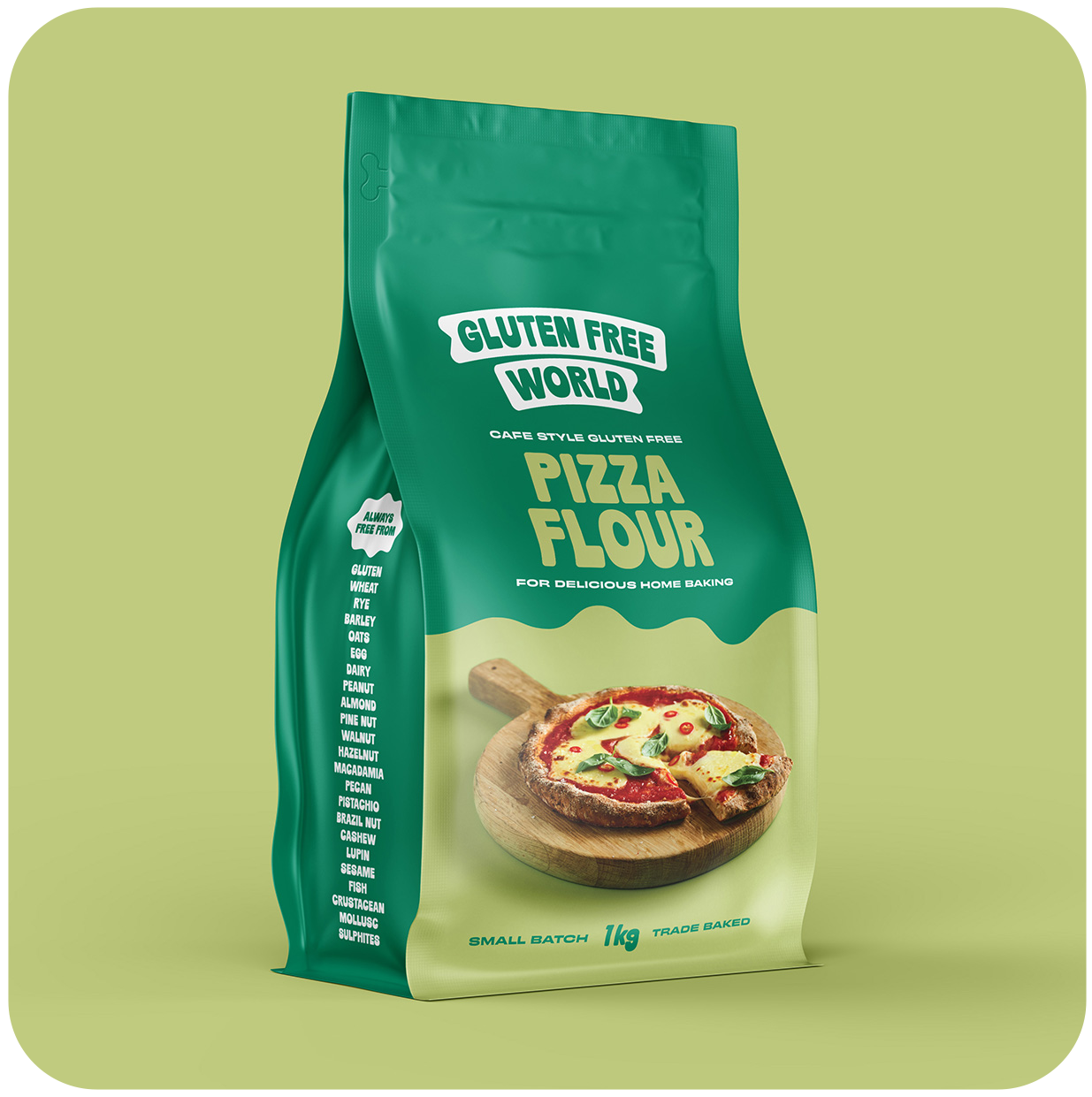
When looking for the best gluten free flour Australia has to offer for bread, choose blends that don't rely on xanthan gum alone. This gum would give bread a gummy texture during the winter. A cold kitchen helps you to use multi-component blends more effectively. Explore the complete range of bread flour at Gluten Free World for professional-grade results.
Discover Our Full Gluten Free Product Range
Shop with confidence. See full product info, certifications, and the best Gluten Free Flours for your next bake.
Pro Tips: What Actually Works to Fix Winter Baking Failures
These are practical, tested techniques for all gluten free winter recipes, not generic advice.
-
Let the Batter Hydrate (The 15-Minute Rule)
Gluten-free starches are less likely to absorb water than wheat flour and are less likely to absorb water at cold temperatures. In the winter, whenever baking a cake batter or bread dough, let it stand for 10–15 minutes at room temperature after you mix it.
This enables the starches to absorb all the water and prevents the batters from having that gritty, uncooked-flour feel when dropped straight into the oven. This single step makes a measurable difference with every type of gluten free flour for baking.
-
Adjust Moisture Content
Beat the dry winter air by swapping out the white sugar in cake recipes for brown sugar. During baking, brown sugar can absorb moisture because it contains molasses, which is hygroscopic (absorbs and retains moisture). These changes can be made to plain flour, self-raising flour, and bread flour recipes.
-
Bake "Low and Slow"
This is the most consistently useful adjustment across all gluten free winter recipes. Because gluten-free bakes carry more moisture by necessity, the exterior sets and browns before the interior has finished cooking. Drop your oven temperature by 15°C–25°C below the recipe's stated temperature and extend the bake time by 10–15 minutes. Use a skewer to test for doneness. Don't rely on colour alone.
-
Create a Warm Proofing Environment
For bread doughs using a gluten free bread flour blend, a cold kitchen is the number one enemy. Place in an unlit oven and proof with a bowl of boiling water on the lowest shelf. The steam produces a warm, moist atmosphere, which is generally around 28°C to 32°C and is sufficient to maintain the yeast activity without overheating the dough. Check and change the hot water if necessary after 30 minutes.
Top 3 Comforting Winter Recipes Using Gluten Free World Blends
➦ Recipe 1: Spiced Winter Apple Crumble
Uses gluten free plain flour for a crisp, buttery crumble topping that stays textured and doesn't turn to dust or clump into dough. The trick is to keep the butter cold and to knead it in swiftly. The gluten free plain flour blend is just as compact and elastic as normal flour, but not at all susceptible to jamming due to the moisture from the apple. One of the most reliable gluten free winter recipes for a crowd.
➦ Recipe 2: Fool-Proof Sticky Date Pudding
Light and fluffy, baked with gluten free self raising flour to ensure a good rise in a thick date paste base. Date pudding is one of the more technically demanding winter desserts in gluten-free baking. The dates add significant weight and moisture. A properly leavened gluten free self raising flour is the only reliable way to get a consistent rise without the centre sinking during cooling.
➦ Recipe 3: Olive & Rosemary Winter Focaccia

Made from gluten free bread flour blend to create the ideal crackly crust and pillowy texture. The problem with a simple rice flour mix is that it fails to meet the requirements that a good focaccia needs: it must be able to hold air in, must be extensible, and must be able to keep its shape after it has been dimpled. The key to making a true focaccia with texture and chew is to use the best gluten free flour blend for baking bread.
Why Choose Gluten Free World for Gluten Free Flour

If you're looking for the best gluten free flour Australia offers for the serious home baker, go no further than Gluten Free World. Whether you need a versatile gluten free flour for baking everyday staples or a specialised blend for ambitious winter projects, our range covers every core baking need.
They have a variety of different gluten-free products for all your baking needs, from gluten free plain flour for pastry and crumbles to gluten free self-raising flour for cakes and loaves and even a gluten free bread flour blend for artisan breads and focaccias. All blends are scientifically balanced to ensure that the home baker is not required to try and work out the proportions, additives or binders.
Conclusion
Just because it's cold outside doesn't mean that bakes will fail. The key to a dense, crumbly winter loaf versus a bakery-quality loaf is to select the right gluten free flour for baking your recipe.
Single-source flours do not have the balanced starch ratio, binding agents, and calibration of leavening required in heavy gluten free winter recipes. The best gluten free flour blend for baking solves these problems at the formulation level before you even start mixing.
Use the techniques found in this blog (15-minute hydration rest, low and slow baking, moisture adjustment, and warm proofing) and combine them with the right gluten free baking flour for your type of baking.
Explore the full range of gluten free baking flour options, including plain, self-raising, and bread blends, on our website and take the guesswork out of winter baking.
