Professional-Grade Gluten Free Flours | Vegan & Allergy Friendly | Australia-Wide Delivery


· By R2R Team
Gluten-Free Baking: A Complete Guide to Flours, Mixes & Must-Know Beginner Tips
Stepping into the world of gluten-free baking can feel overwhelming at first. The absence of gluten—the protein that gives traditional baked goods their structure and elasticity—means you'll need to approach recipes differently. Whether you're managing coeliac disease, gluten sensitivity, or simply exploring healthier alternatives, understanding the fundamentals of gluten-free baking will transform your kitchen experience from frustrating to fulfilling.
This comprehensive guide walks you through everything you need to know about gluten-free flours, cake mixes, and essential techniques that will have you baking with confidence.
Understanding Gluten-Free Flours: The Foundation of Success
The biggest mistake beginners make is assuming all gluten-free flours work the same way. They don't. Each flour brings unique properties to your baking, and understanding these differences is crucial for success.
Plain Flour: Your Versatile Base

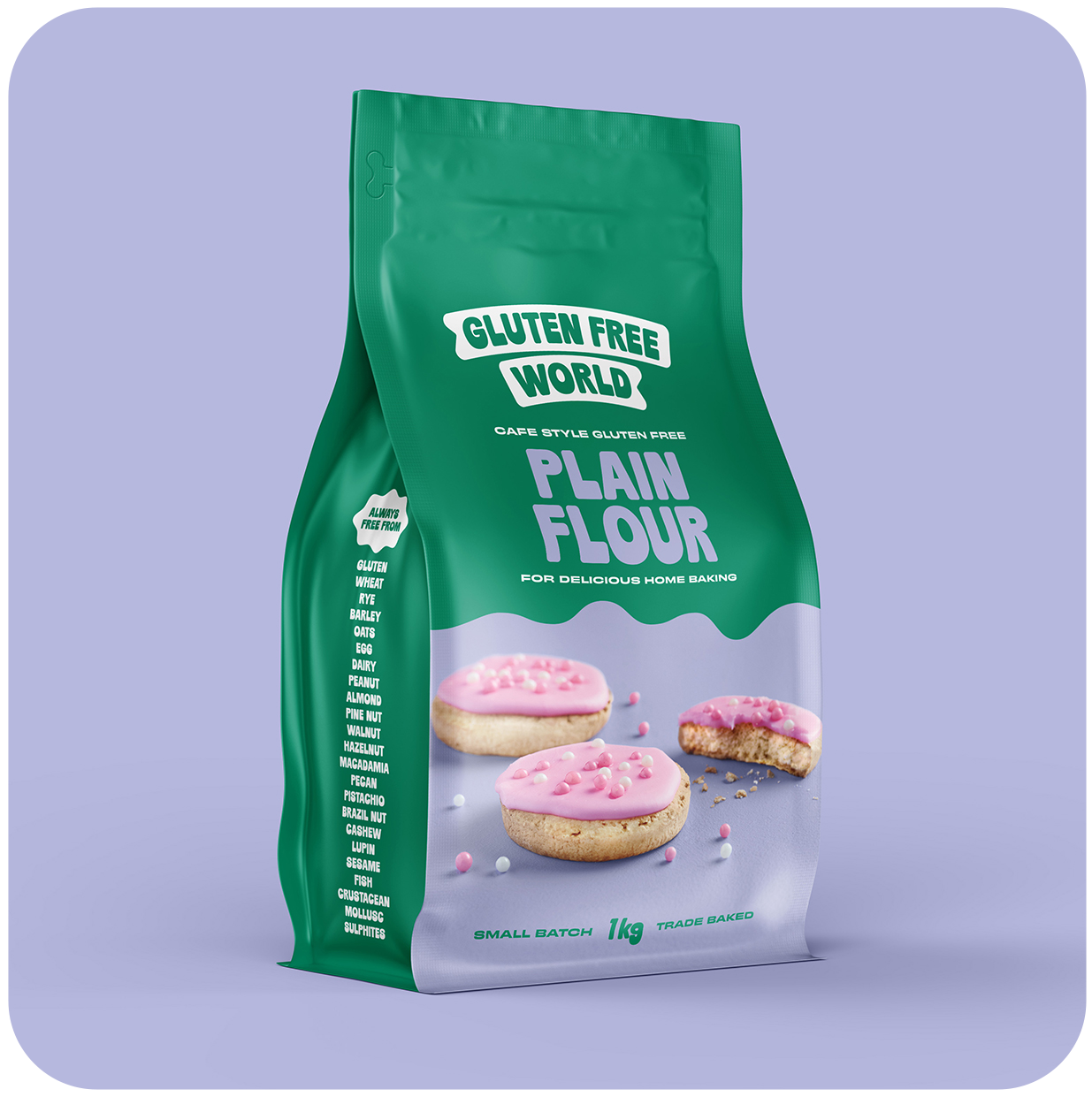
Plain flour serves as the foundation for countless recipes, from biscuits to pastries. Unlike wheat flour, gluten-free plain flour typically contains a blend of starches and alternative grains that mimic the neutral flavour and fine texture of conventional flour. When selecting a plain flour, look for blends that have been triple-tested for consistency—this testing process validates that every batch performs reliably across different recipes.
The key to working with gluten-free plain flour lies in understanding hydration. These flours often absorb liquid differently than wheat flour, so your batter or dough might appear wetter or drier than you expect. Trust the recipe ratios, and resist the urge to add extra flour when the mixture seems too wet.
Self-Raising Flour: Convenience Meets Consistency

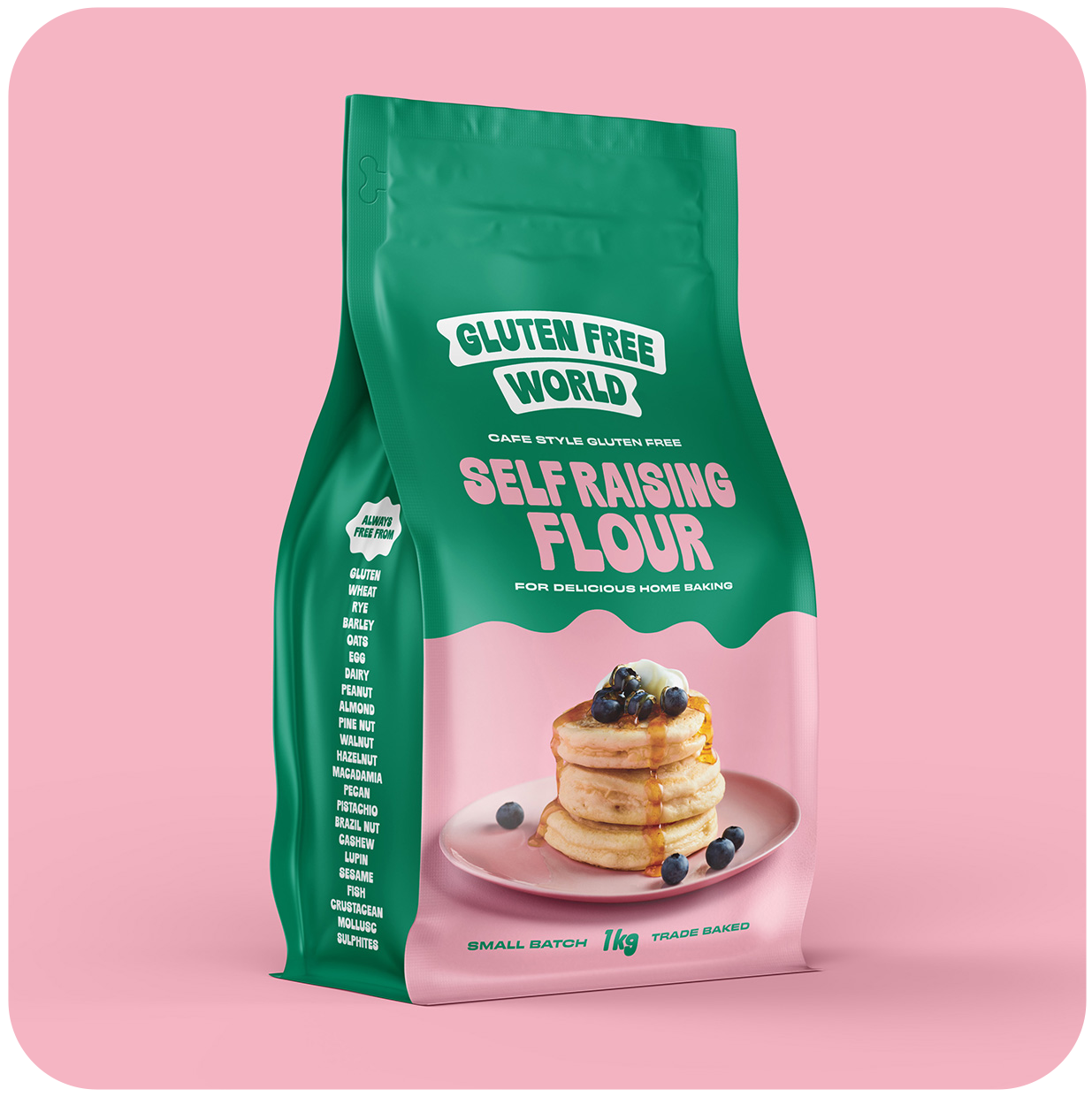
Self-raising flour eliminates the guesswork of adding leavening agents. Pre-mixed with baking powder, this flour streamlines your baking process for cakes, scones, and quick breads. The convenience factor cannot be overstated—having a reliable self-raising blend means you can tackle spontaneous baking projects without measuring multiple ingredients.
When substituting self-raising flour in traditional recipes, remember that gluten-free versions may require slight adjustments to liquid ratios. The absence of gluten means your baked goods won't trap air bubbles as effectively, so proper leavening becomes even more critical.
Bread Flour: Achieving That Perfect Loaf

Bread presents unique challenges in gluten-free baking. Without gluten's elastic network to trap gases and create structure, bread can turn out dense and crumbly. This is where specialised bread flour becomes invaluable.
Quality bread flour blends incorporate ingredients like psyllium husk, xanthan gum, or other binders that replicate gluten's structural properties. These additions help create the chewy texture and proper rise you expect from a good loaf.
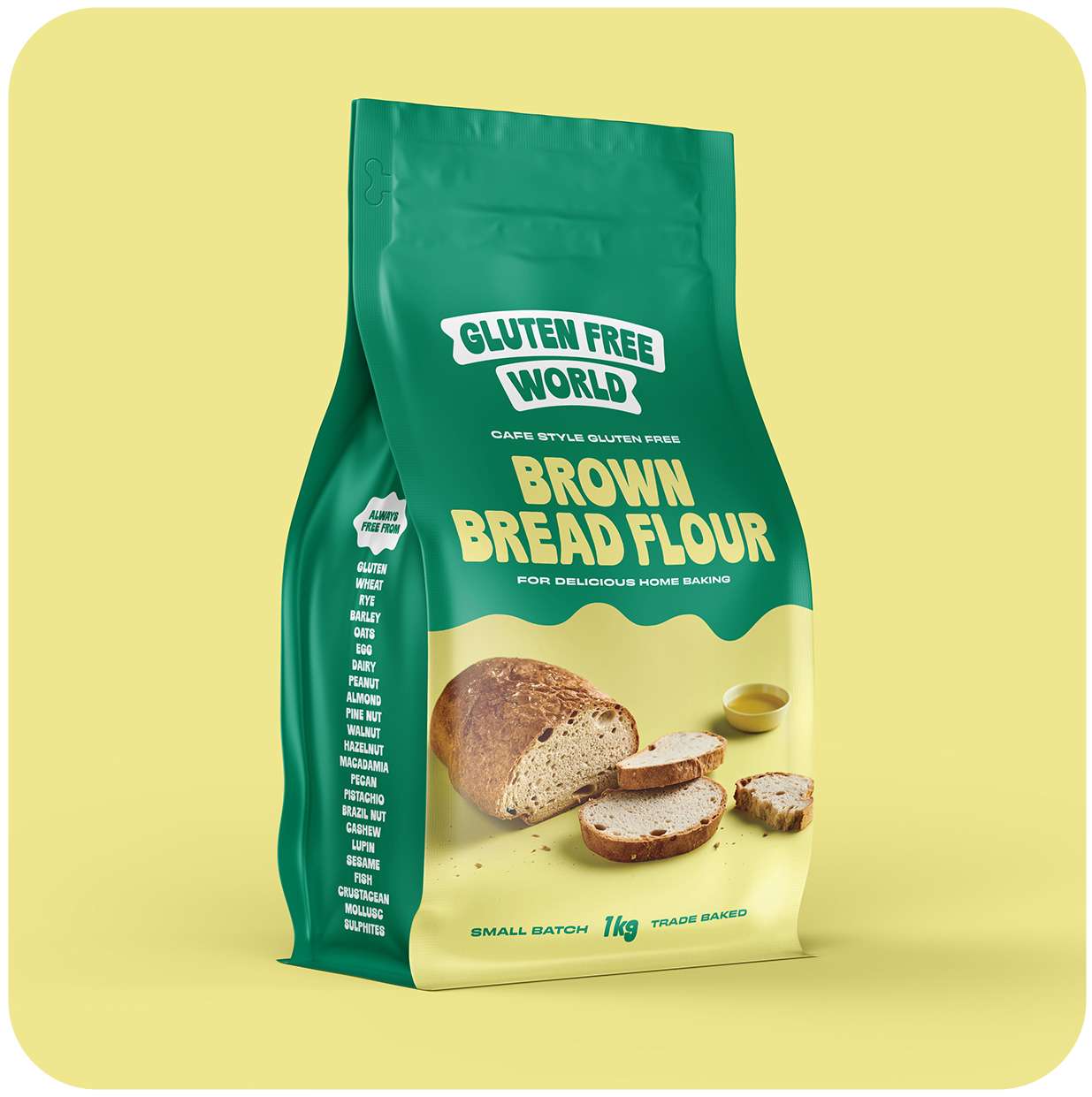
For traditional white bread, a traditional bread flour blend delivers café-style results with a soft crumb and golden crust. If you prefer wholegrain options, brown bread flour offers additional fibre and a heartier flavour profile whilst maintaining excellent texture.
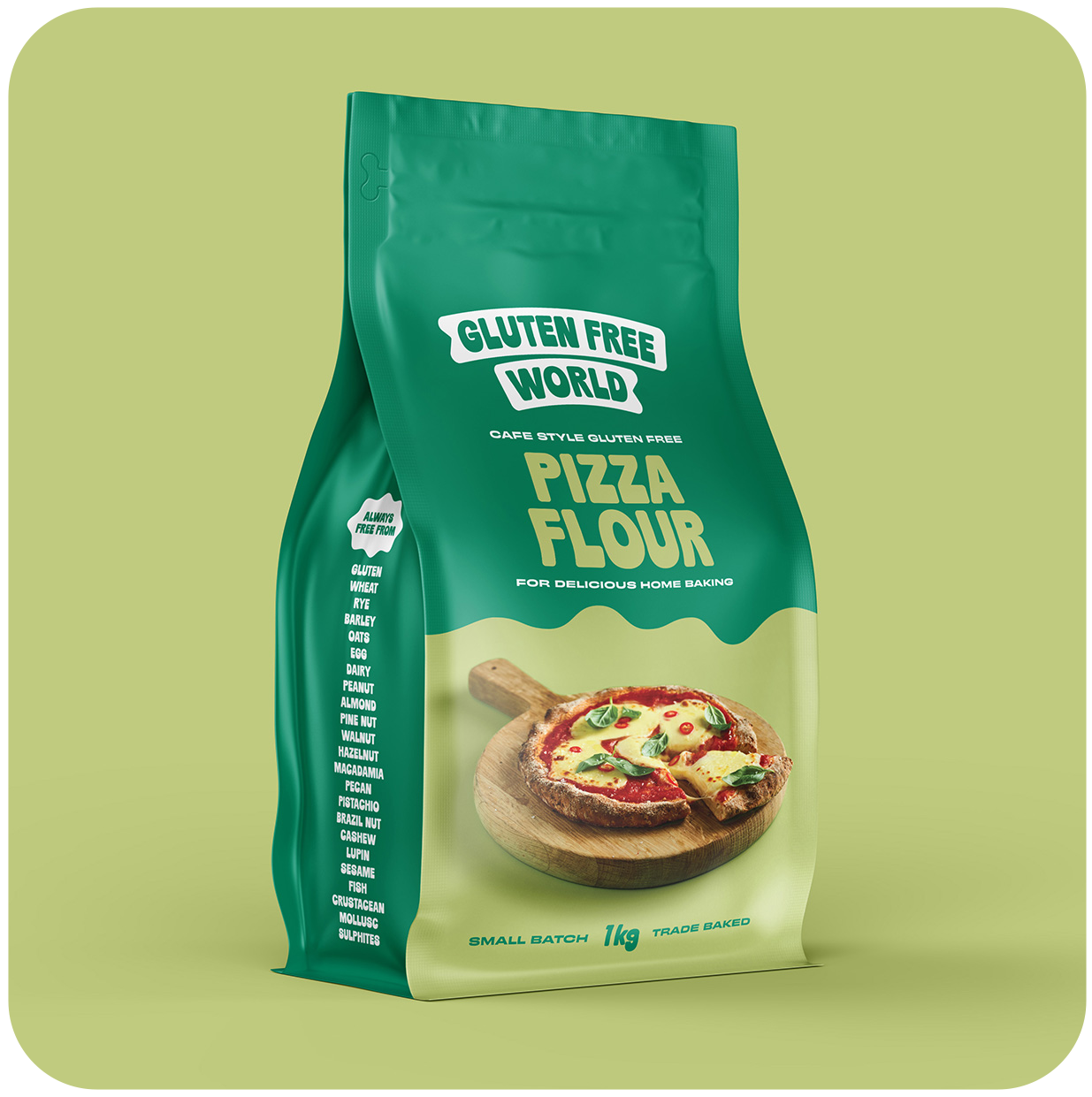
Pizza Flour: Crispy Bases Without Compromise

Creating a gluten-free pizza base that's crispy on the outside yet tender inside requires a specialised approach. Pizza flour blends are formulated to withstand high heat whilst developing the characteristic chew of traditional pizza dough.
The versatility of pizza flour extends beyond Italian cuisine. Many home bakers discover it works brilliantly for flatbreads, focaccia, and even Indian rotis and parathas—the blend's elasticity makes it ideal for any application requiring a rollable, pliable dough.
Cake Mixes: Foolproof Baking for Beginners
If you're new to gluten-free baking, starting with quality cake mixes builds confidence whilst you learn the nuances of working without gluten. These mixes eliminate variables, delivering consistent results that taste indistinguishable from conventional cakes.
Chocolate Cake: Rich, Moist, and Reliable

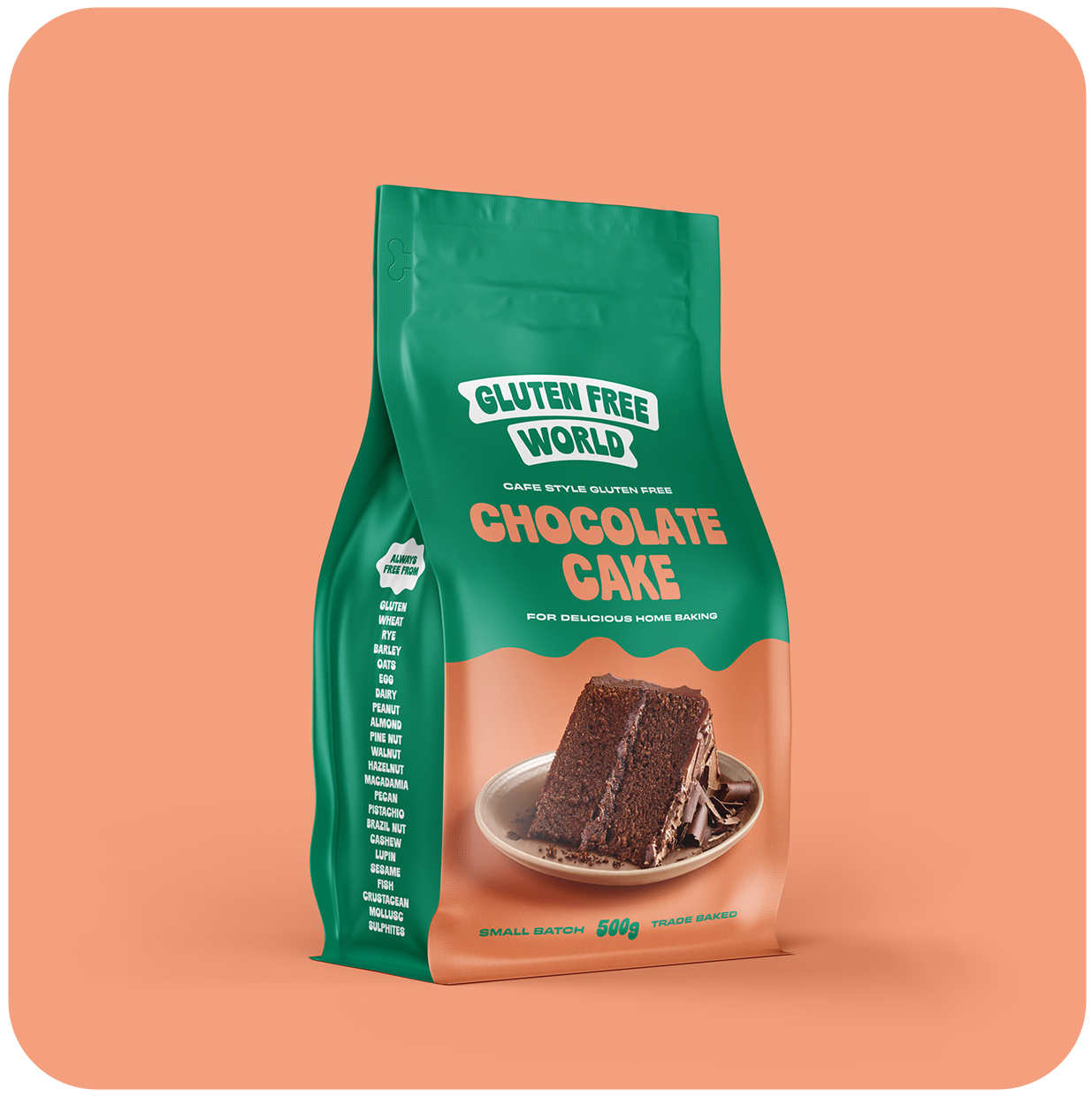
A good chocolate cake mix should produce a moist, tender crumb with deep chocolate flavour. The advantage of using a pre-formulated mix is that the ratios of starches, leavening agents, and cocoa have been perfected through testing—you simply add wet ingredients and bake.
When working with chocolate cake mixes, pay attention to mixing time. Overmixing can incorporate too much air, leading to a cake that rises beautifully then collapses. Mix just until ingredients combine, leaving a few small lumps.
Vanilla Cake: A Blank Canvas

Vanilla gluten free cake serves as the foundation for countless celebrations. A quality mix produces a light, fluffy cake with a delicate crumb that holds up to frosting, filling, and decorating. The neutral flavour profile makes it adaptable—add citrus zest, extracts, or fold in berries to customise your creation.
Essential Beginner Tips for Gluten-Free Baking Success

Measure Accurately
Precision matters enormously in gluten-free baking. Invest in digital kitchen scales and measure ingredients by weight rather than volume. A cup of flour can vary significantly depending on how it's scooped, but 125 grams is always 125 grams. This consistency eliminates a major source of baking failures.
Let Batters Rest
Gluten-free flours benefit from resting time. After mixing your batter, let it sit for 10-15 minutes before baking. This rest period allows the starches to fully hydrate, resulting in better texture and rise. The batter will thicken noticeably during this time—this is exactly what you want.
Don't Overbake
Gluten-free baked goods dry out faster than their conventional counterparts. Check for doneness a few minutes before the recipe's suggested time. A cake is ready when a skewer inserted in the centre comes out with just a few moist crumbs attached—not completely clean.
Store Properly
Moisture management is critical for maintaining texture. Store gluten-free baked goods in airtight containers at room temperature for 1-2 days, then transfer to the refrigerator or freezer. Many items actually improve after a day, as the crumb structure continues to set.
Embrace Eggs (or Find Alternatives)
Eggs provide structure, moisture, and leavening in gluten-free baking—roles that gluten would typically fill. Most recipes rely heavily on eggs, so understanding their function helps if you need to substitute. For vegan baking, look for recipes specifically developed as egg-free rather than attempting substitutions in conventional gluten-free recipes.
Quality flours and mixes that are vegan-friendly and egg-free have been specifically formulated to work without eggs, taking the guesswork out of substitutions.
Understanding Certifications and Safety
When selecting gluten-free products, certifications matter. Look for products endorsed by Coeliac Australia, which validates that items meet strict gluten-free standards and are safe for people with coeliac disease. Cross-contamination during manufacturing poses real risks, so choosing certified products provides peace of mind.
HACCP (Hazard Analysis Critical Control Point) certification indicates that manufacturers follow rigorous food safety protocols throughout production. These certifications aren't just marketing—they represent genuine commitments to producing safe, reliable products.
About Gluten Free World

Gluten Free World is a proudly Australian-owned business dedicated to making gluten-free baking accessible, reliable, and genuinely enjoyable. Founded with a commitment to quality and safety, the company specialises in creating premium gluten-free flours and cake mixes that deliver consistent, delicious results every single time.
What sets Gluten Free World apart is the rigorous triple-testing process applied to every product. Each flour blend and mix undergoes testing at three critical stages—raw ingredients, during production, and finished products—ensuring that gluten levels remain well below safe thresholds for people with coeliac disease. This dedication to safety has earned certifications from Coeliac Australia, Kosher authorities, and HACCP food safety standards.
The product range caters to diverse dietary needs, with all offerings being vegan-friendly, egg-free, wheat-free, and dairy-free. From the versatile Traditional Bread Flour and wholesome Brown Bread Flour to convenient Self-Raising and Plain Flour options, each product has been carefully formulated to eliminate the guesswork from gluten-free baking.
Beyond products, Gluten Free World provides an extensive collection of tested recipes and baking guidance, helping home bakers develop confidence and skills with our gluten-free baking recipes. The company's mission goes beyond selling flour—it's about building a supportive community where gluten-free baking becomes a source of joy rather than frustration.
Customer reviews consistently highlight the reliability and taste of Gluten Free World products, with many expressing surprise at how closely the results match traditional baked goods. This feedback validates the company's approach: that gluten-free baking shouldn't require compromise, just the right ingredients and proper technique.
Conclusion
Gluten-free baking requires a different approach than conventional baking, but the learning curve is manageable when you start with quality ingredients and tested recipes. Understanding how different flours function, respecting the importance of accurate measurements, and following proven techniques will have you producing beautiful baked goods that everyone can enjoy.
The key is patience. Your first loaf might not be perfect, but each attempt teaches you something about how gluten-free flours behave in your specific oven and climate. Before long, you'll develop an intuition for these ingredients, adjusting recipes confidently and creating baked goods that rival anything from a conventional bakery.
Whether you're baking out of medical necessity or personal choice, the world of gluten-free baking offers endless creative possibilities. With the right flours, mixes, and techniques, you'll discover that "gluten-free" doesn't mean compromising on flavour, texture, or enjoyment—it simply means baking differently, and often, baking better.
