Professional-Grade Gluten Free Flours | Vegan & Allergy Friendly | Australia-Wide Delivery


· By R2R Team
Gluten‑Free Plain Flour: 7 Everyday Uses
And in case you have been saving up on your gluten free plain flour, which you only used on special occasions, then it is time to get a different plan on how to fill your pantry. Gluten free plain flour is a very useful item to have in your kitchen. You can use it in the preparation of silky gravies, making fried as well as crispy coverings, and as the foundation of all, be they shortcrust pastry, pancakes, or these breakfast varieties.
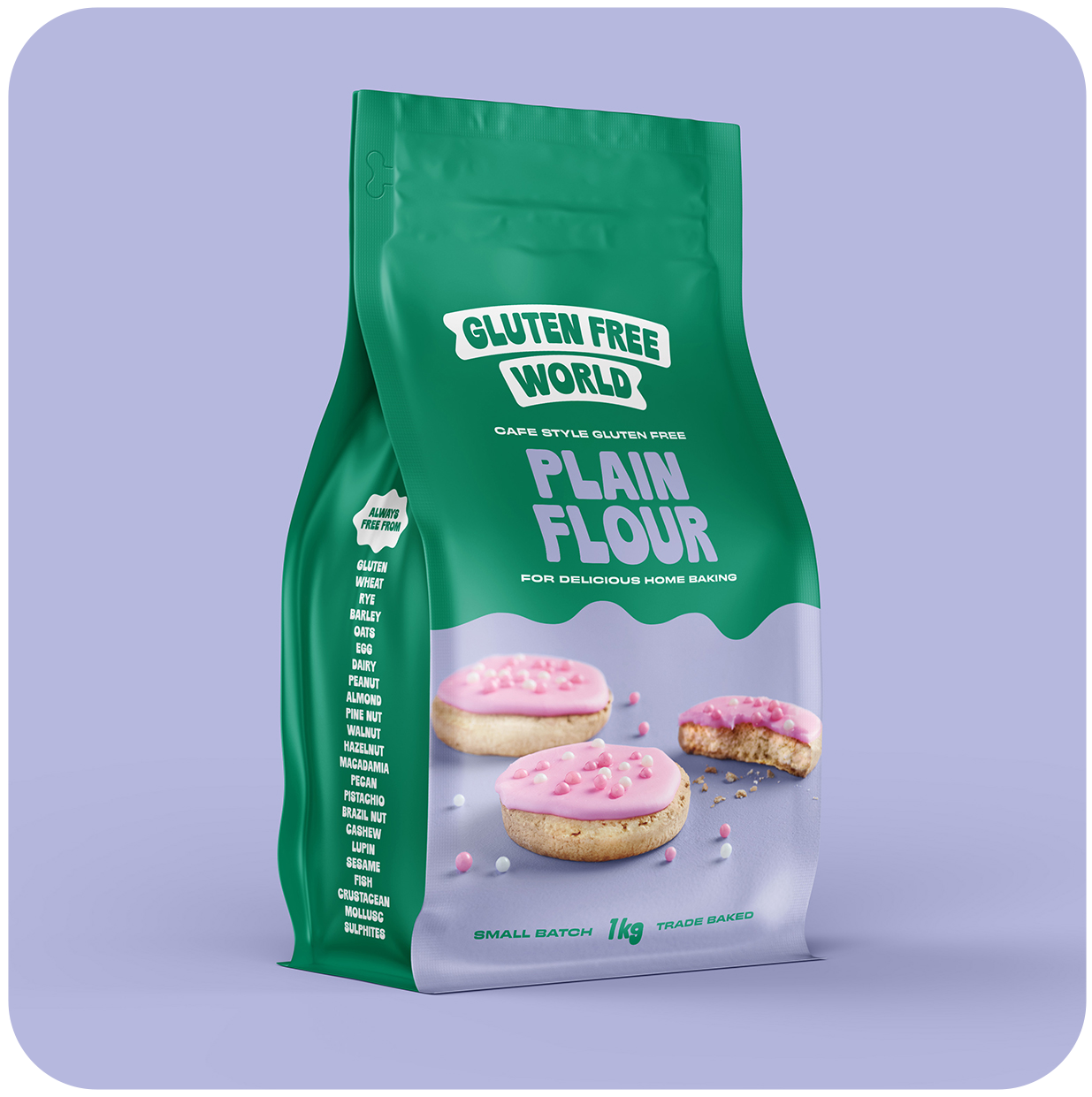
Gluten free plain flour has no gluten-raising agents, as opposed to self-raising flour. It is, in fact, a well-balanced combination of naturally gluten-free grains and starches, usually rice flour, tapioca starch, and potato starch, which combine to behave similarly to regular wheat flour, which is gluten-free. The outcome is a neutral, versatile base that is more comfortable in both sweet and savoury food preparation, as well as the absence of the digestive indigestion that wheat flour may induce in coeliac disease or gluten-intolerant individuals.
At Gluten Free World, the mission is simple: to make gluten-free cooking less of a trade-off and more of a luxury. And in the case of baking gluten free plain flour, there is so much more than what most individuals would presume. These are seven common applications, which will revolutionise the way you cook.
➥ Use 1: Thickening Sauces, Soups, and Gravies
Another of the most reasonable and least well-known applications of gluten free flour for thickening is in normal day-to-day sauces, soups and gravies. GF plain flour, and especially blends with high starch content, dissolve easily and contribute to keeping the consistency smooth that lumps are sometimes prone to when using just cornflour.
Gluten free plain flour is the right ingredient to use whether you are preparing a rich beef stew, a silky chicken gravy, or a creamy vegetable soup. The trick lies in making a slurry: Add one or two tablespoons of plain GF flour and a little cold water, blend them until fine, and add them slowly to your hot liquid. The method is used to guarantee the even distribution and a lump-free finish each time.
To the novice using gluten free flour for thickening, this slurry technique is much more lenient than pouring gluten in the pot, and it is much more reliable in providing the same smooth texture.
➥ Use 2: Creating a Flawless Roux for Béchamel
Some of the most popular comfort food dishes in the world are based on the classic French roux, which is equal amounts of fat and flour cooked in a pot. The fact that it is equally good with a gluten-free roux is good news.
To prepare your gluten-free roux, it is important to melt butter in a saucepan on medium heat and then add as much gluten free plain flour as you are using and stir constantly for one to two minutes until a smooth paste is formed. Add warm milk slowly to form a creamy béchamel sauce.
This gluten-free roux guide approach is the foundation of:
-
Macaroni and cheese: rich, creamy, and indulgent.
-
Lasagne white sauce: Lasagne is a pasta that is layered between sheets of pasta.
-
Cauliflower cheese: a typical British comfort meal.
A GF roux has a very similar texture to wheat roux, so it would make a perfect substitute for daily family cooking. Go to our website to get the appropriate flour blend to make lump-free roux every time.
➥ Use 3: Crispy Coatings for Frying

Here is a small secret that the experienced gluten-free cooks have already acquired: In terms of crispy gluten-free coating, the wheat flour is frequently beaten by the GF plain flour. Since gluten-free flour does not take up so much oil when fried, the fried food will have a lighter and crisper crust and will not be that greasy.
It is ideal, as it has been chosen due to:
-
Dredging chicken or fish fillets before pan-frying or deep-frying.
-
Dusting calamari rings for a light, golden crunch.
-
Coating vegetables such as zucchini or eggplant in a tempura style.
All you need to do is to spice your GF plain flour with salt, pepper and whatever spices you want, batter your protein or vegetable, and fry it. The gluten-free crunchy coating that you will develop will compete with any product prepared using conventional flour, and in the case of many home cooks, it will actually be better.
➥ Use 4: Quick Breakfast Favorites — Pancakes and Waffles
Weekend mornings have become significantly simpler. Baking with gluten free plain flour for pancakes and waffles is one of the most rewarding applications, largely because GF flour is actually more forgiving than wheat flour in this context.
The reason is as follows: batters made of wheat may get tough and rubbery if you overmix them, as working the dough results in the formation of gluten. When using gluten free plain flour, it is just not a problem. There is no risk of making tough and dense pancakes, and you can mix your batter until it is completely smooth. The outcome is always light, airy, and golden.
The simplest pancake batter (GF) would require only your gluten free plain flour, eggs, milk (dairy or plant-based), a pinch of salt and a little sugar. The combinations are infinite there, and any type of blueberry, banana, or traditional buttermilk style is brilliant there.
We offer a range of gluten-free flour blends that are specifically well-suited to pancake and waffle batters, so you can find the perfect match for your breakfast routine.
➥ Use 5: Shortcrust Pastry and Tart Bases
Whether you have ever had a hard time identifying a gluten-free pastry that can be held together, as opposed to crumbling into crumbs, you will be happy to learn that the gluten free plain flour is indeed far better adapted to shortcrust-like textures. “Short” pastry is supposed to be crumbly and buttery, and plain flour made of gluten-free ingredients is just that.
It's ideal for:
-
Quiche bases: firm enough to support a filling of rich eggs.
-
Lemon tarts: in which a crust of pastry, soft and crumbling, is precisely what you desire.
-
Savoury pot pie lids: flaky and flinty out of the oven.
The single trick that bears mention: in case your flour mixture does not contain a binder, Xanthan Gum, a small pinch of the stuff, about a quarter teaspoonful per cup of flour, will be added to allow the dough to remain together as it rolls. It is a big difference in workability when you are blind-baking a tart shell.
➥ Use 6: Homemade Biscuits and Cookies

For baking with gluten free plain flour in biscuits and cookies, the results can be genuinely exceptional, particularly for styles that are meant to have a firm "snap" rather than a chewy texture. Imagine ginger cookies, traditional shortbread, or chocolate chip cookies with hard edges.
Because GF plain flour doesn't have the elasticity of wheat flour, cookies may spread slightly more during baking. The simple fix? Chill your dough for at least 30 minutes before putting it in the oven. This solidifies the fat in the dough and limits the expansion, giving you perfectly shaped biscuits with a good crunch.
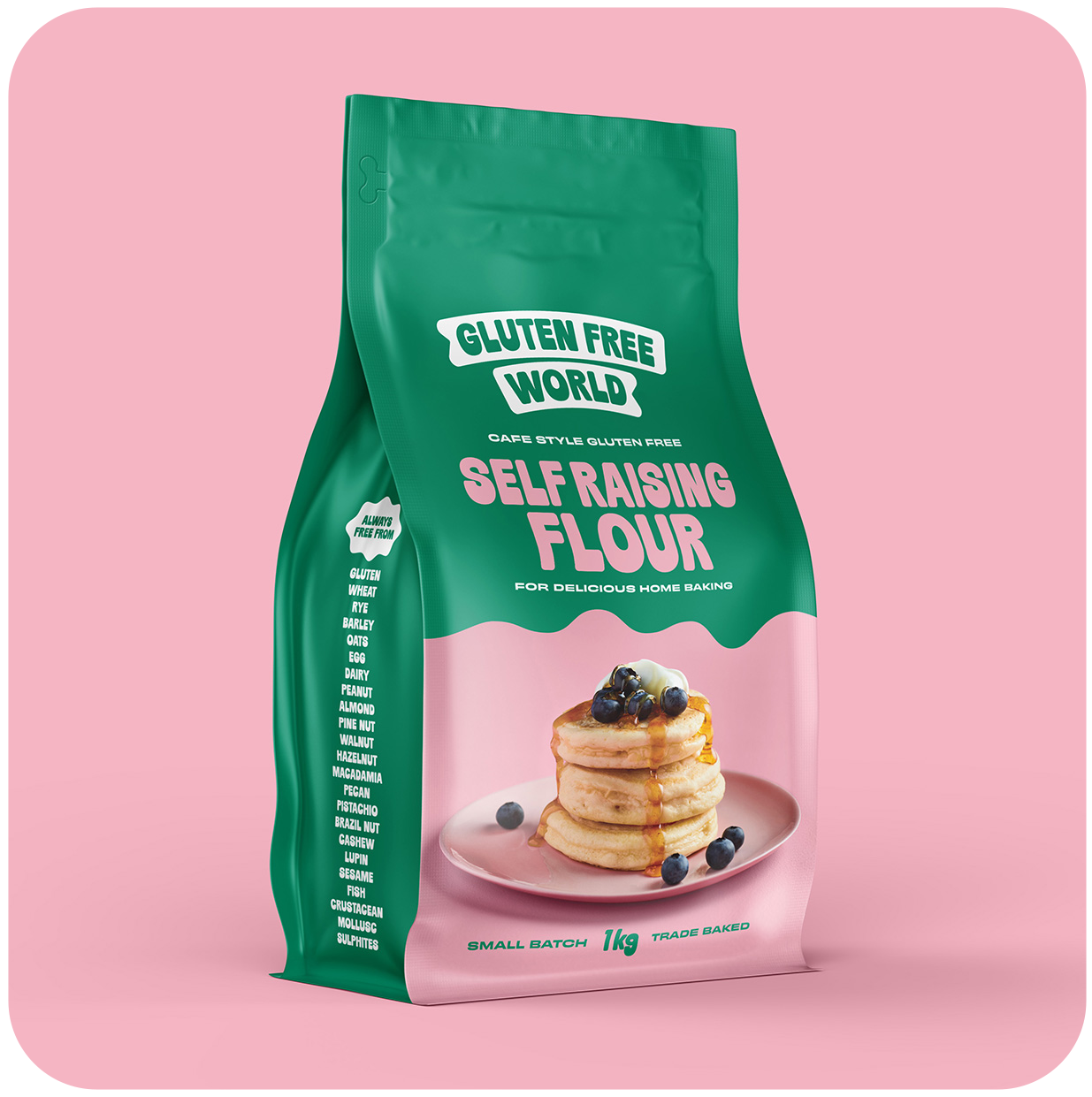
Control is one of the best things about working with a GF plain flour, rather than self-raising flour in cookies; though, you can always determine how much rise (or how much none) to achieve by independently deciding what leavening to use. This is the major distinction between the gluten free plain flour and the self-raising flour controversy: plain flour provides you with all the liberty to create with your bake.
➥ Use 7: Fruit Crumble Toppings
There are not many desserts that are as popular as a warm fruit crumble, and gluten free plain flour makes a crumble topping that is truly difficult to distinguish from the regular wheat crumble, and it is even, in many cases, better.
In order to prepare the ultimate GF crumble topping, all one has to do is use cold butter and rub it with their fingertips into the gluten free plain flour until it looks like coarse breadcrumbs. Garnish with a little sugar to taste and a handful of gluten-free rolled oats (adds texture) and sprinkle all over your fruit bottom.
The slightly sandy feel of GF flour replicates the classic procedure of “rubbing in” that gives a golden crunchy topping which supports well against juicy fruit fillings such as apple and blackberry, rhubarb and strawberry or peach and raspberry.
Discover Our Full Gluten Free Product Range
Shop with confidence. See full product info, certifications, and the best Gluten Free Flours for your next bake.
Quick Tips for Cooking with Gluten-Free Plain Flour
-
Storage matters. The rancidity of most GF flour blends can occur more quickly than wheat flour because of the rice and nut-based blends. Keep your flour in a cool and dry place in a closed container, and remember to check the date when it was used.
-
Add a binder when needed. When any recipe is too brittle or crumbly, add a quarter teaspoon of Xanthan Gum to every cup of flour. This type of ingredient is useful in emulating the binding effect that gluten would give in wheat flour.
-
Weigh, don't scoop. The densities of the different brands of GF flour vary widely, and a cup of flour can vary greatly in weight across brands. You must always use a kitchen scale to weigh your flour and give you a consistent, reliable answer, particularly when baking.
Why Choose Gluten Free World for Your Gluten-Free Plain Flour?

Not all gluten-free flours are made the same. The ratio of starches, the texture of the grind, and the addition (or omission) of the binders, such as Xanthan Gum, will all have a bearing on the result of your cooking. Gluten Free World selects a well-maintained series of superior gluten free plain flour mixtures to satisfy any cooking demands you might have, whether it be gravy thickening in a weeknight meal or a celebration tart.
Carefully curated, well-known products and a group of gluten-free enthusiasts behind it, Gluten Free World is your one-stop shop for all you need to be a confident cook.
Conclusion
Although gluten free plain flour is not a replacement for wheat flour in most of the applications, it is actually a better option. Since gluten-free plain flour provides a crisper fried finish and a more forgiving pancake batter, the benefits of cooking and baking with gluten free plain flour extend well beyond dietary necessity.
Thickening a gravy, a roux, crumbling butter in a fruit topping, whatever you are making, this small ingredient can take you all the way from breakfast to dessert. We provide a wide variety of quality gluten-free ingredients and new recipes. Become a gluten-free cook, not because it is compulsory to do so, but because you want to.
Contact us to learn more about plain flour and other flour ranges.
