Professional-Grade Gluten Free Flours | Vegan & Allergy Friendly | Australia-Wide Delivery


· By R2R Team
How to Store Gluten-Free Bread So It Stays Soft Longer (Even in Winter)
Gluten-free bread can stay soft and fresh when it is stored the right way. But because it does not contain gluten, it can dry out faster than regular bread, especially in winter when the air is cooler and drier.
The best way to store gluten-free bread depends on when you plan to eat it. If you will finish a fresh loaf within a day or two, keep it sealed at room temperature in a cool, dry place. If you need it to last longer, slice it and freeze it while fresh.
Good storage can also help improve the shelf life of your loaf. The goal is simple: keep your gluten-free bread sealed, protected from dry air and easy to use before it turns firm or crumbly.
In this guide, we’ll cover the best ways to store gluten-free bread, when to avoid the fridge, how to freeze it properly and how to refresh slices when they feel dry. Whether you bake at home or buy gluten-free loaves, these easy tips can help your bread stay softer for longer.
Why Gluten-Free Bread Dries Out Faster
Gluten-free bread can dry out faster because it does not contain gluten. Gluten helps regular bread hold structure, stretch and moisture inside the loaf.
Without gluten, the bread structure is more delicate. This is why some gluten-free loaves can become dry, crumbly or firm when they are not stored properly.
This can be more noticeable with homemade bread or fresh gluten-free bread. Many home-baked loaves have fewer preservatives, so they need a little extra care after baking.
Winter can make this worse. Cool air, indoor heating and dry rooms can pull moisture from the bread, especially if the loaf is left open on the counter.
The right storage method can help protect the texture. Keeping gluten-free bread sealed, away from direct sunlight and in a cool, dry place gives it a better chance of staying soft.
The Best Way to Store Gluten-Free Bread
The best way to store gluten-free bread is to match the storage method to when you plan to eat it. Keep a small amount out for quick use and freeze the rest before it dries out.
A simple guide:
-
Eating it within 1 to 2 days? Store it in an airtight container, sealed plastic bag, bread box or bread bin.
-
Need it to last longer? Slice the loaf and freeze it while it is still fresh.
-
Only need a few slices at a time? Freeze the bread in portions so you can take just what you need.
-
Want to protect the texture? Keep the bread away from direct sunlight, heat and dry air.
-
Not sure what to do? Keep out what you will eat soon and freeze the rest.
-
Bought a pre-sliced loaf? Freeze it in small portions so you can take out only what you need.
This simple habit helps keep gluten-free bread fresh, soft and easy to use for toast, sandwiches and everyday meals.
Room Temperature, Fridge or Freezer: What Works Best?
Room temperature storage works well if you plan to eat your gluten-free bread within 1 to 2 days. Keep the loaf sealed in an airtight container, plastic bag or its original packaging if it closes well.
A bread box or bread bin can also help, as long as it is kept in a cool, dry place. Avoid direct sunlight, heat and open air because these can make the bread stale faster.
The fridge may seem like the safest choice, but it is not usually the best place for gluten-free bread. Cold fridge temperatures can make the loaf dry and firm.
This is partly due to starch retrogradation. In simple terms, the starches in bread firm up faster in the fridge, which can make the texture feel stale even when the bread is still safe to eat.
For longer storage, the freezer is usually the better option. Slice the whole loaf first, then place the slices in a freezer-safe bag or airtight container.
To avoid freezer burn, wrap the slices in plastic wrap or place them straight into a freezer-safe bag, then press out as much air as possible before sealing. You can also place wax paper or baking paper between slices so they do not stick together.
Freeze the bread while it is still fresh for the best quality later. This lets you take out only what you need without thawing the whole loaf.
How to Thaw and Refresh Gluten-Free Bread
Frozen bread is easiest to use when it has been pre-sliced before freezing. For toast, place frozen slices straight into the toaster.
For sandwiches, thaw slices in a sealed bag or airtight container. This helps the bread come back to room temperature without drying out.
If the bread feels a little firm, warm it before eating. Toast it, place it in a warm oven for a few minutes or heat it briefly in the microwave with a slightly damp paper towel.
For a small piece that feels dry, add a light sprinkle of water before warming to help bring back some moisture. Avoid overheating, as this can create a chewy texture or make the bread feel tough.
If the bread is too dry for sandwiches, it can still be used well. Turn it into gluten-free breadcrumbs, croutons, toasties or French toast instead of throwing food away.
Discover Our Full Gluten Free Product Range
Shop with confidence. See full product info, certifications, and the best Gluten Free Flours for your next bake.
How to Keep Gluten-Free Bread Soft in Winter
Winter can make gluten-free bread feel firm faster. Cold air, heaters and dry indoor spaces can all affect the moisture in the loaf.
To keep gluten-free bread soft in winter:
-
Seal the loaf as soon as it has fully cooled.
-
Keep it away from heaters, sunny windows and direct sunlight.
-
Store it in a cool, dry place if you will eat it soon.
-
Slice and freeze extra bread early.
-
Warm or toast slices before serving.
If your kitchen is very cold, bread may feel firmer even when it is still fresh. Try warming a slice before deciding it has gone stale.
For homemade bread, it can also help to freeze part of the loaf on the day you bake it. This protects the texture and helps reduce waste during colder months.

How Gluten-Free Bread Flour Helps With Better Bread Texture
Storage matters, but soft gluten-free bread also starts with the right flour. The flour you use can affect the structure, moisture and sliceability of your loaf.
For home bakers, gluten-free bread flour is often a better choice than a basic all-purpose flour when making bread. It is made to support the texture gluten-free loaves need, especially when you want bread that works for toast, sandwiches and freezing.
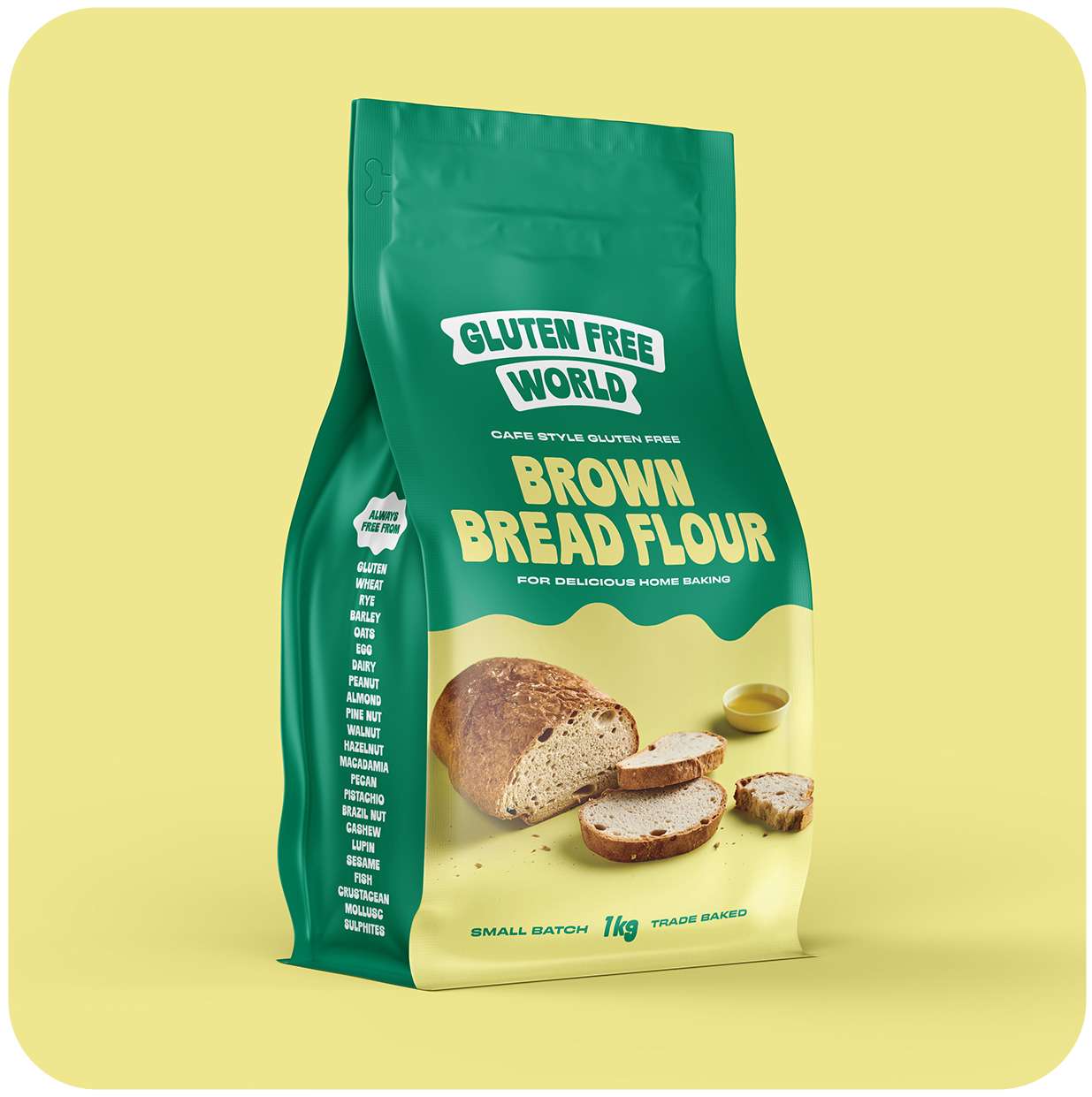
Gluten-free traditional bread flour is a helpful option for classic gluten-free bread. Gluten-free brown bread flour is another choice for bakers who prefer a heartier loaf.
These flours will not stop bread from drying out if it is left open on the counter. But they can help you start with a better loaf, which makes proper storage even more worthwhile.
For best results, follow the recipe closely, let the bread cool fully and freeze what you will not eat within a couple of days.
For more tips, read our guides on Gluten-Free Bread Flour in Australia and Gluten-Free Flour 101. They are helpful next reads if you are new to gluten-free baking or want better results from your next loaf.
Common Storage Mistakes to Avoid
Small storage mistakes can make gluten-free bread dry out faster. Most are easy to avoid once you know what to check.
Avoid these common mistakes:
-
Sealing warm bread too soon: This can trap excess moisture and may lead to mould.
-
Leaving sliced bread uncovered: The cut sides can dry out quickly.
-
Keeping bread in a paper bag only: Paper lets in air, which can make gluten-free bread stale faster.
-
Using the fridge for long storage: It can make the texture dry and firm.
-
Freezing bread too late: Freeze it while it is still fresh, not after it has gone stale.
-
Refreezing the same slices: This can make the bread crumbly.
The easiest habit is to plan ahead. Keep what you will eat soon and freeze the rest before it dries out.
Quick Storage Guide
Use this quick guide when you are not sure what to do with your gluten-free bread.
-
Eating it within 1 to 2 days: Keep it sealed at room temperature in a cool, dry place.
-
Using a bread box or bread bin: Keep the bread wrapped or sealed inside it.
-
Storing homemade bread: Let it cool fully before wrapping.
-
Saving bread for later: Slice it and freeze it while fresh.
-
Avoiding freezer burn: Use a freezer-safe bag and press out extra air.
-
Making toast: Toast slices straight from frozen.
-
Making sandwiches: Thaw slices in a sealed bag or airtight container.
-
Refreshing dry bread: Warm it gently in the toaster, oven or microwave.
-
Bread is too dry: Use it for crumbs, croutons, toasties or French toast.
Final Thoughts
Gluten-free bread stays softer for longer when it is protected from air, heat and dry conditions. For short-term use, keep your gluten-free bread sealed at room temperature in a cool, dry place so it can stay fresh for longer.
For longer storage, we recommend slicing the loaf first and freezing what you will not eat straight away. This helps you take out only what you need while keeping the rest fresh for later.
At Gluten Free World, we know gluten-free baking can feel different at first, especially when it comes to bread. Starting with the right gluten-free bread flour, such as our gluten-free traditional bread flour or gluten-free brown bread flour, can help home bakers create a softer and more reliable loaf from the start.
Store it well, refresh it gently and enjoy each slice with less waste.
Frequently Asked Questions
How do you store gluten-free bread so it stays soft?
Store gluten-free bread in an airtight container, sealed plastic bag, bread box or bread bin at room temperature if you plan to eat it soon. Keep it in a cool, dry place and avoid direct sunlight. For longer storage, slice the loaf and freeze it while fresh.
Should gluten-free bread be kept in the fridge?
The fridge is not usually the best place for gluten-free bread because it can make the bread dry and firm. This happens because of starch retrogradation, which can make bread stale faster. Freezing is usually the better long-term solution.
Can you freeze gluten-free bread?
Yes, gluten-free bread freezes well when stored properly. Slice it first, then place it in a freezer-safe bag or airtight container to avoid freezer burn. This lets you take just what you need without thawing the whole loaf.
Why does gluten-free bread go stale faster?
Gluten-free bread can go stale faster because it does not contain gluten, which helps regular bread hold structure and moisture. Homemade bread and fresh gluten-free bread also need a little extra care because they may have fewer preservatives. Good gluten-free bread storage helps keep it fresh for longer.
How do you keep homemade gluten-free bread fresh?
Let homemade bread cool fully before you wrap or store it. Once cool, keep it sealed for short-term use or slice and freeze the rest. This helps manage moisture and lowers the chance of mould.
What makes gluten-free bread softer?
Soft gluten-free bread starts with good baking, enough moisture and the right flour. For home bakers, gluten-free bread flour can help create better structure and a softer texture. Gluten Free World’s gluten-free flour range includes options for homemade gluten-free loaves, gluten-free baking and other gluten-free goodies.
