Professional-Grade Gluten Free Flours | Vegan & Allergy Friendly | Australia-Wide Delivery


· By R2R Team
Gluten-Free Vegan Baking: How to Get the Right Texture Without Eggs or Dairy
Gluten-free vegan baking can be challenging because you are removing gluten, eggs and dairy all at once. These ingredients usually help with structure, moisture, softness and rise, so without them, baked goods can sometimes turn out dry, dense, crumbly or flat.
The good news is that better texture is possible when you know how to balance the right ingredients. A good gluten-free flour, enough moisture, the right binder and suitable plant-based fats can make a big difference to bread, cakes, muffins, cookies and other gluten-free recipes.
In this guide, we’ll look at how gluten-free vegan baking works and how to get softer, more reliable results without eggs or dairy.
Why Gluten-Free Vegan Baking Needs a Different Approach
Gluten-free vegan baking needs a little more balance because it removes several ingredients that usually support texture. In regular baking, wheat flour gives dough stretch, eggs help bind and lift, while dairy adds moisture, fat and softness.
When those ingredients are removed, the recipe needs support from other places. This is why the right gluten-free flour, enough liquid, suitable binders and plant-based fats all matter.
Without that balance, common texture problems can happen, such as:
-
bread that crumbles when sliced
-
cakes that feel dry instead of moist
-
muffins that turn dense instead of fluffy
-
cookies that spread too much or become hard
-
bakes that feel gummy in the centre
This does not mean gluten-free vegan recipes are harder to enjoy. It simply means the ingredients need to work together, so the final bake has enough structure, softness and moisture.
Discover Our Full Gluten Free Product Range
Shop with confidence. See full product info, certifications, and the best Gluten Free Flours for your next bake.
What Eggs, Dairy and Gluten Usually Do in Baking
Before replacing gluten, eggs and dairy, it helps to understand what they normally do.
| Ingredient | What It Usually Does in Baking | What Happens When It Is Removed |
|---|---|---|
| Gluten from wheat | Gives dough stretch, chew and structure | Bread and cakes may crumble or feel weak |
| Eggs | Help bind ingredients, trap air and support rise | Bakes may become dense, flat or fragile |
| Dairy | Adds moisture, fat, softness and flavour | Cakes, muffins and cookies may turn dry or less rich |
This is why gluten-free vegan baking usually needs more than one simple swap. A flax egg, plant-based milk or coconut oil can help, but the recipe still needs the right flour blend, liquid and binder to work properly.
The Texture Formula: Flour, Moisture, Binders and Fat
Good texture in gluten-free vegan baking usually comes down to four things: flour, moisture, binders and fat.
-
Flour gives the bake its base: A balanced gluten-free flour usually provides better structure than using one flour alone. Rice flour, starches, almond flour, almond meal and coconut flour all behave differently, so the right blend matters.
-
Moisture keeps the crumb soft: Plant-based milk, coconut milk, coconut yoghurt, hot water, maple syrup or another liquid sweetener can help stop the batter from drying out. This is especially useful in chocolate cake, where cocoa powder can absorb moisture.
-
Binders help hold everything together: Ingredients like xanthan gum, flax, chia or psyllium can help replace some of the hold usually provided by gluten and eggs. This is important for bread, cakes and muffins that need to slice or hold their shape.
-
Fat adds tenderness and flavour: Coconut oil, vegan butter and other plant-based fats can help create a softer texture. They also make the bake feel richer, especially in cookies, slices, frosting and chocolate recipes.
Sweeteners can also affect texture. Coconut sugar, maple syrup and agave syrup all behave differently from regular sugar, so changing the sweetener may also change the moisture, colour and structure of the bake.
Choosing the Right Gluten-Free Flour for Vegan Baking
The flour you use has a big effect on texture, especially when the recipe is also egg-free and dairy-free. A good gluten-free flour gives the bake a stronger base, helping it hold moisture, rise better and stay softer after baking.
Different gluten-free flours behave in different ways:
-
rice flour can be light
-
starches can add softness
-
almond flour and almond meal can add richness
-
coconut flour absorbs a lot of liquid
-
protein-rich flours can help add strength
This is why using one flour on its own does not always give the best results.
When choosing flour for gluten-free vegan baking, look for:
-
a blend suited to the type of bake you are making
-
enough starch for lightness and softness
-
enough structure so cakes, muffins and bread do not fall apart
-
a blend that works well with binders like xanthan gum, flax, chia or psyllium
-
a recipe with enough liquid to hydrate the flour properly
For nut-free baking or when baking for people with food allergies, always check the ingredients carefully. Almond flour and almond meal can be useful, but they are not suitable for everyone.
A reliable gluten-free flour can make vegan baking easier because it reduces the guesswork. Once the flour base is right, it becomes easier to adjust the liquids, sweeteners and binders around it.
Best Egg Replacements for Gluten-Free Vegan Baking
Eggs are not always replaced in the same way. The best egg substitute depends on what the egg is meant to do in the recipe.
| Egg Replacement | Best For | Texture Benefit |
|---|---|---|
| Flax egg | Bread, muffins and slices | Helps bind ingredients and adds structure |
| Chia egg | Muffins and denser bakes | Adds moisture and helps hold the bake together |
| Aquafaba | Cakes and lighter bakes | Helps add air and lightness |
| Applesauce | Cakes, muffins and loaf-style bakes | Adds moisture and softness |
| Mashed banana | Muffins, pancakes and quick breads | Adds moisture, sweetness and a soft crumb |
| Coconut yoghurt | Cakes and muffins | Adds moisture, tenderness and a little richness |
For cakes, muffins and dessert recipes, applesauce, coconut yoghurt or aquafaba can help create a softer result. For bread or recipes that need more hold, flax, chia or psyllium usually work better.
Avoid using too much egg replacement. Too much flax or chia can make the batter heavy, while too much fruit puree can make the centre too moist or gummy.
Best Dairy-Free Ingredients for Moisture, Softness and Flavour
Dairy usually adds moisture, fat and richness to baked goods. When baking without milk, butter or yoghurt, the best replacement depends on the texture you want.
| Dairy-Free Ingredient | Best Use | Texture Benefit |
|---|---|---|
| Plant-based milk | Cakes, muffins, pancakes and breads | Adds liquid and helps hydrate gluten-free flour |
| Coconut milk | Cakes, slices and rich dessert recipes | Adds moisture and a fuller flavour |
| Coconut yoghurt | Cakes, muffins and loaf-style bakes | Helps create a softer, more tender crumb |
| Coconut oil | Cookies, slices, muffins and cakes | Adds fat, softness and richness |
| Vegan butter | Cookies, pastry-style bakes and frosting | Adds flavour and a more buttery texture |
| Dairy-free chocolate | Cookies, brownies and chocolate cake | Adds richness and a stronger chocolate flavour |
For lighter bakes, plant-based milk is usually enough. For richer gluten-free cakes, coconut milk, coconut yoghurt or a little coconut oil can help create a softer texture.
If you are making a refined-sugar-free bake, make sure the recipe has been adjusted for the sweetener you are using. Maple syrup, agave syrup and coconut sugar do not behave exactly the same way as regular sugar.
How to Prevent Dry, Dense or Crumbly Results
Dry, dense or crumbly results usually happen when the recipe does not have enough balance. This can come from too much flour, not enough liquid, missing binders or baking for too long.
To improve the texture of gluten-free vegan bakes:
-
Measure flour carefully: Too much flour can quickly make the batter dry or heavy.
-
Let the batter rest when needed: Some gluten-free flours need time to absorb liquid before going into the oven.
-
Use the right binder: Xanthan gum, flax, chia or psyllium can help hold the bake together.
-
Do not overbake: Gluten-free cakes and muffins can dry out quickly if left in the oven too long.
-
Add enough moisture: Plant-based milk, coconut yoghurt, maple syrup or coconut oil can help keep the crumb soft.
-
Cool before slicing: Bread and loaf-style bakes often need time to set, so slicing too early can make them crumble.
-
Store properly: Once cooled, cover the bake well or use plastic wrap to help stop it from drying out.
The aim is not to add more of everything. It is to use the right mix so the bake has enough structure to hold together and enough moisture to stay soft.
Discover Our Full Gluten Free Product Range
Shop with confidence. See full product info, certifications, and the best Gluten Free Flours for your next bake.
Tips for Gluten-Free Vegan Bread
Gluten-free vegan bread needs enough structure to rise, hold its shape and slice without falling apart. Since there is no wheat gluten or egg to support the loaf, the flour blend and binder matter.
For better bread texture:
-
use a gluten-free flour made for bread or yeast baking
-
add a binder such as xanthan gum, psyllium, flax or chia
-
do not expect the dough to stretch like wheat dough
-
let the dough rise properly, but avoid over-proofing
-
cool the loaf fully before slicing to help it set
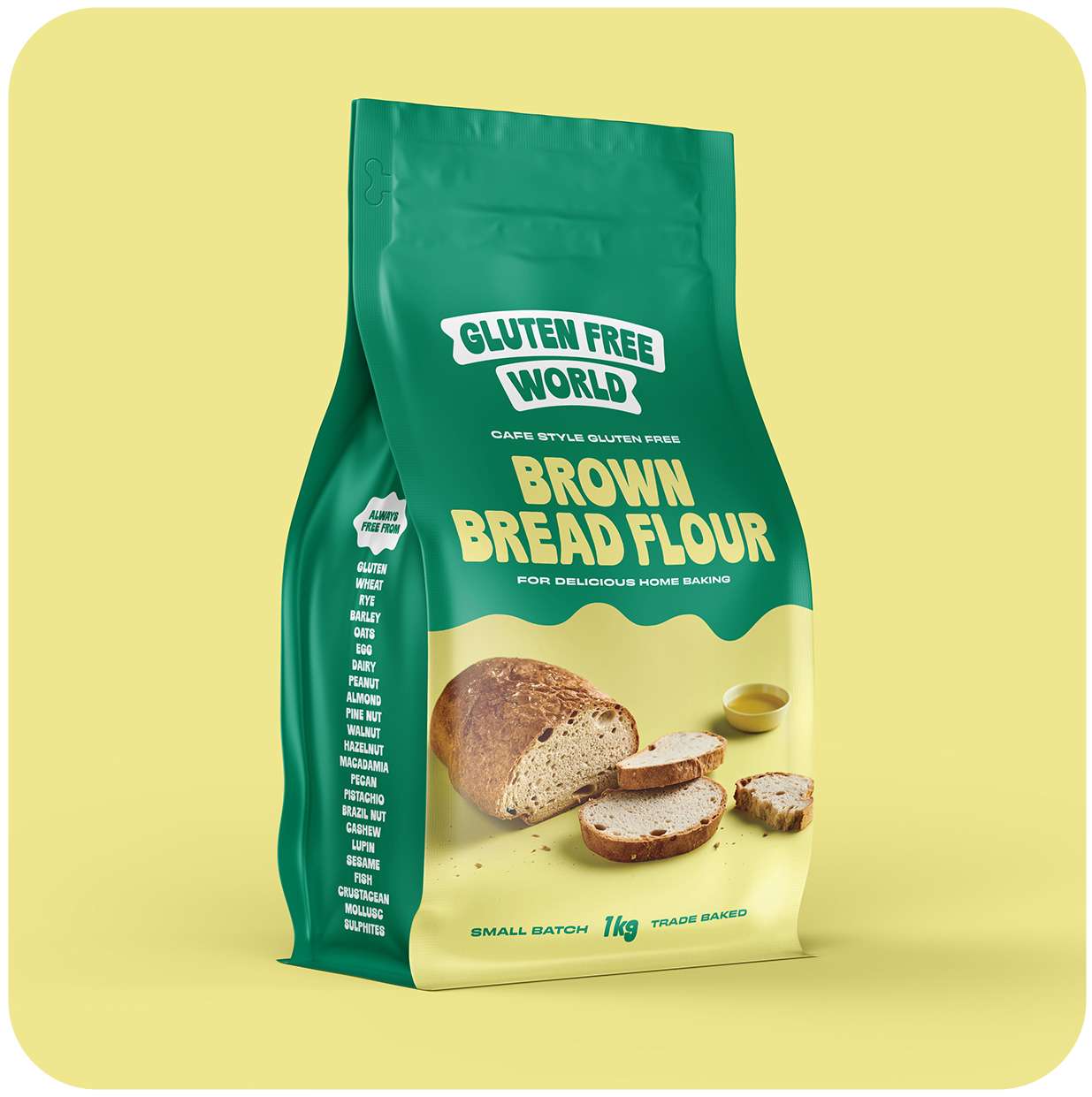
Using gluten-free bread flour can also give vegan bread a stronger base, making it easier to support the loaf’s structure, softness and sliceability.
A softer loaf usually comes from the right balance of flour, liquid, binder and baking time.
Tips for Gluten-Free Vegan Cakes and Muffins
Gluten-free vegan cakes and muffins need moisture, lift and a soft crumb. The goal is to keep the batter light without making it too wet or heavy.
For softer cakes and muffins:
-
sift dry ingredients like flour, cocoa powder, baking powder and baking soda
-
mix the wet ingredients well before adding them to the dry mix
-
use plant-based milk, coconut yoghurt or oil for moisture
-
avoid overmixing once the batter comes together
-
line cake pans or muffin trays with parchment paper to prevent sticking
-
check the bake early so it does not dry out in the oven
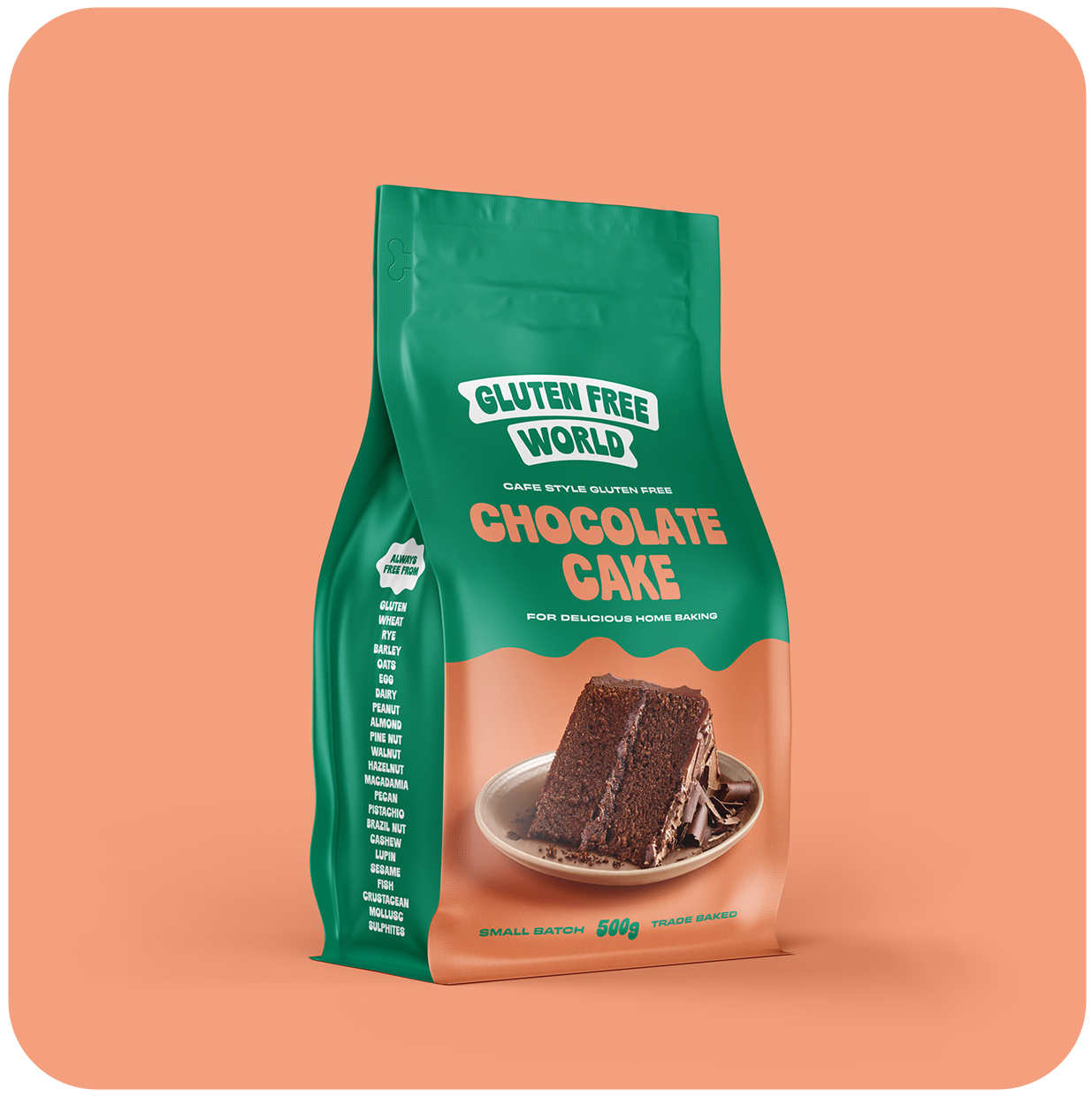
Our gluten-free cake mixes can also help beginners start with a more reliable base, making it easier to adjust the plant-based milk, egg replacement and moisture for softer cakes and muffins.
For a vegan chocolate cake, hot water can also help bloom the cocoa and create a richer flavour.
Tips for Gluten-Free Vegan Cookies and Slices
Cookies and slices are usually easier than bread, but they still need the right balance of flour, fat and moisture. Too much flour can make them dry, while too much liquid can make them soft or sticky.
For better cookies and slices:
-
chill the dough if it feels too soft
-
use coconut oil or vegan butter for a richer texture
-
let cookies firm up on the tray before moving them
-
do not overbake, as they can harden while cooling
-
use parchment paper so the base does not stick
For a sweet tooth, gluten-free vegan cookies, brownies and slices can still taste rich and delicious when the texture is balanced properly.
Common Mistakes to Avoid in Gluten-Free Vegan Baking
Small changes can make a big difference in gluten-free vegan baking. Since there is no gluten, egg or dairy to support the texture, the recipe needs the right balance from the start.
Common mistakes include:
-
Using one flour only: Single flours like almond flour, coconut flour or rice flour can work in some recipes, but most bakes need a balanced gluten-free flour blend.
-
Skipping the binder: Without eggs or gluten, binders like xanthan gum, flax, chia or psyllium help hold the bake together.
-
Adding too much liquid: More moisture can help, but too much can make the centre gummy or raw.
-
Overmixing the batter: Mix only until the ingredients come together, especially for cakes, muffins and cookies.
-
Baking for too long: Gluten-free cakes and muffins can dry out quickly, so check them near the end of the baking time.
-
Slicing bread too early: Gluten-free vegan bread needs time to cool and set before slicing.
How Gluten Free World Makes Vegan Gluten-Free Baking Easier
At Gluten Free World, we know gluten-free vegan baking can feel like a lot of adjusting. When eggs and dairy are removed, the flour has to do more work, especially in recipes that need structure, softness and a reliable crumb.
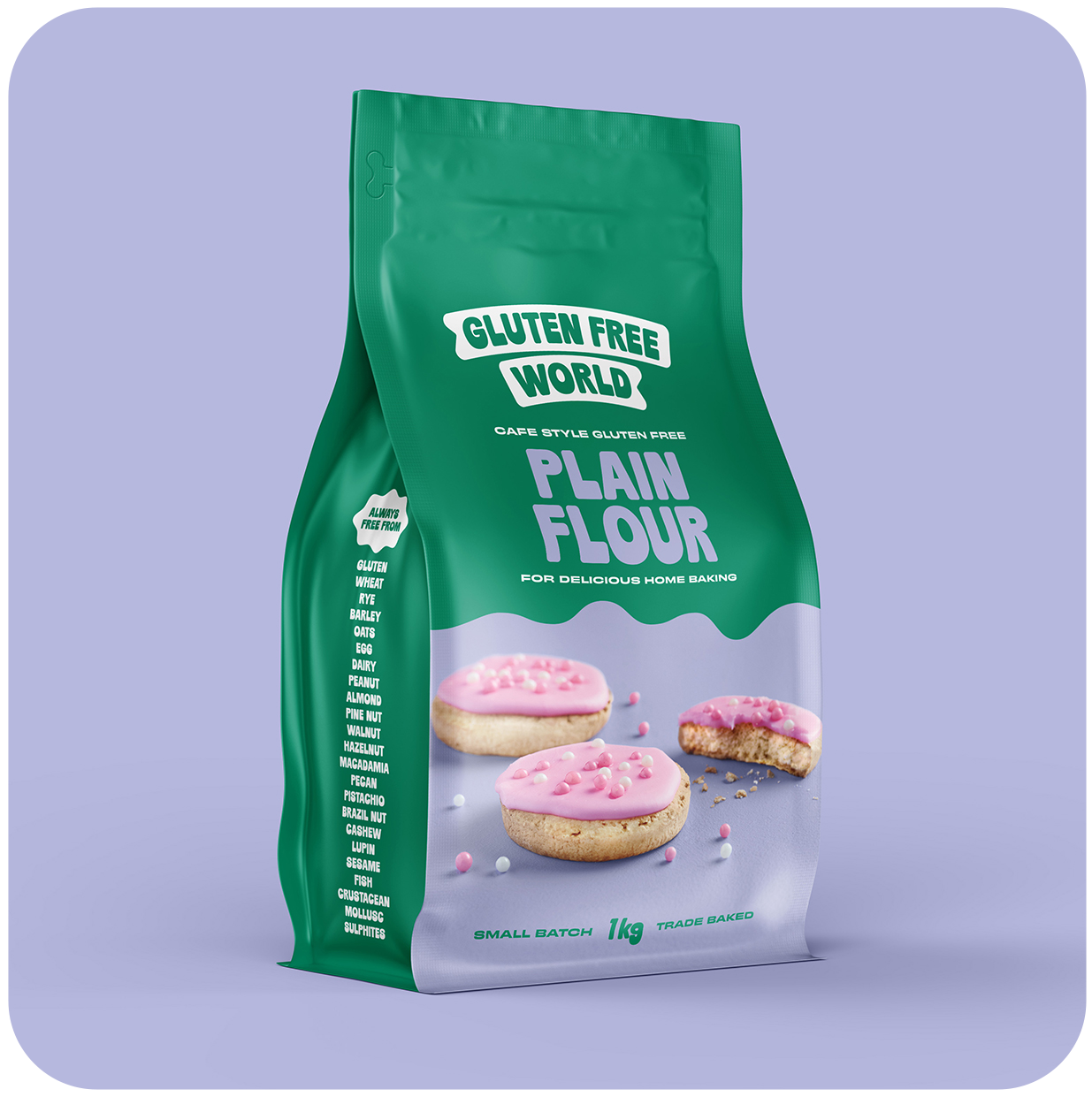
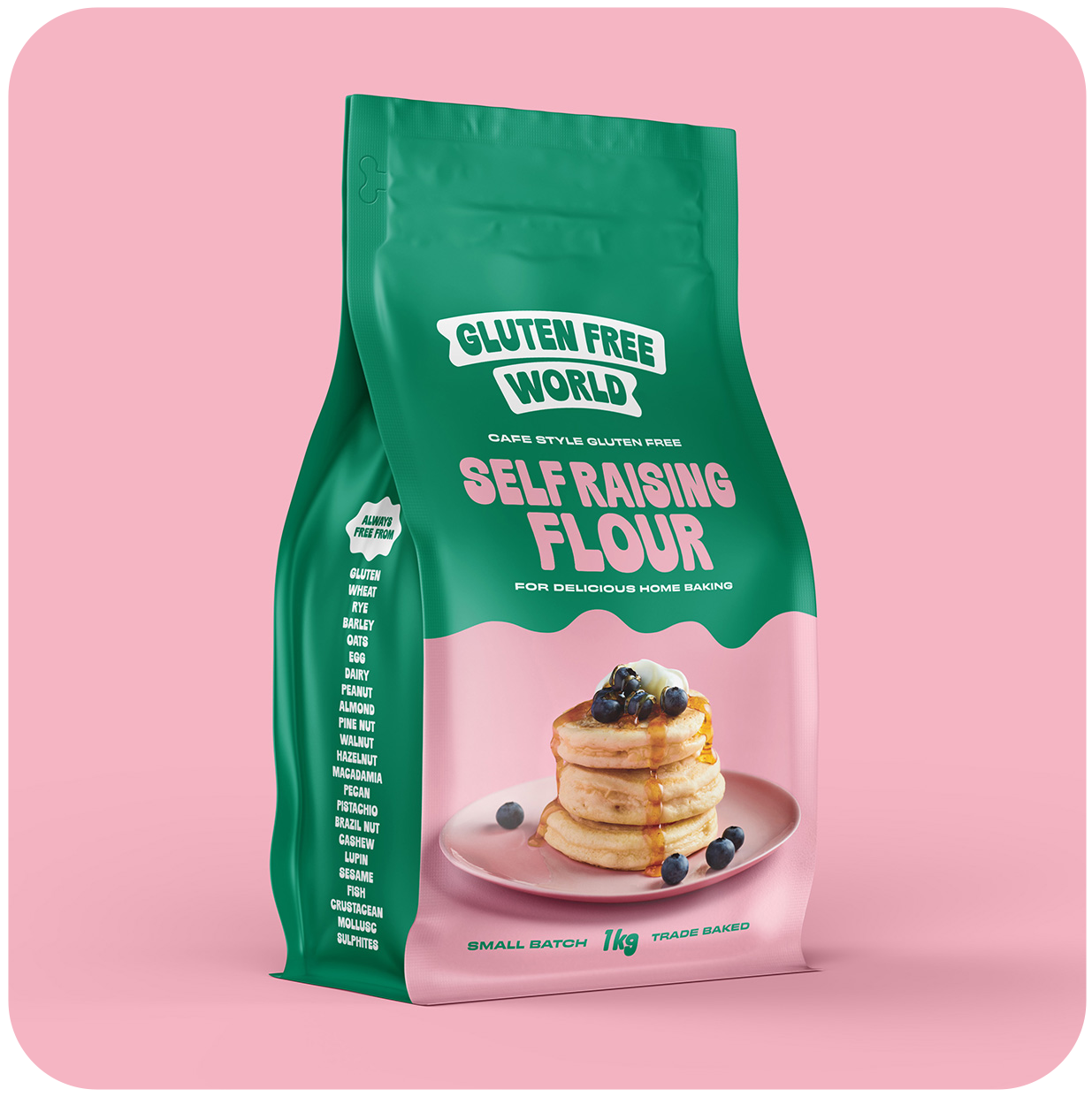
That is why choosing the right gluten-free flour matters. Our gluten-free flour options are made to help home bakers get more consistent results across bread, cakes, muffins, pizza bases and everyday bakes.
A good gluten-free flour can help support:
-
better structure in bread
-
softer gluten-free cakes and muffins
-
more consistent everyday baking
-
less crumbling when recipes are also vegan
-
easier adjustments when using plant-based ingredients
For best results, match the flour to the recipe you are making. Bread, cakes and everyday bakes all need slightly different support, and the right gluten-free flour can make that process easier.
Final Thoughts
Gluten-free vegan baking can take a little practice, but better texture is possible when the ingredients are balanced well. Without gluten, eggs and dairy, your bakes need support from the right flour, enough moisture, suitable binders and plant-based fats.
Start with a gluten-free flour that suits the recipe, then adjust the other ingredients around it. Small changes, such as resting the batter, using the right egg replacement or cooling bread fully before slicing, can make a big difference.
At Gluten Free World, we want to make gluten-free baking feel easier and more reliable for everyday home bakers. With the right flour and a better understanding of texture, you can enjoy gluten-free vegan bread, cakes, muffins and cookies that are soft, satisfying and easier to get right.
Want to learn more about choosing the right flour for different bakes? Read our guide: Gluten-Free Flour 101: How to Choose (and Use) the Right One for Every Bake.
Frequently Asked Questions
Can gluten-free baking be vegan?
Yes, gluten-free baking can be vegan. It simply means the recipe avoids wheat, barley and rye while also removing animal-based ingredients like eggs, milk and butter. This can work well for people following a plant-based diet or managing food allergies.
Is gluten-free flour always vegan?
Most plain gluten-free flours are vegan, but it is still important to check the label. Some blends may include milk powder or other non-vegan ingredients, so always review the product details before using it.
Can I use the same egg replacement for every gluten-free vegan recipe?
Not always. A one-bowl cake may work well with applesauce or yoghurt, while bread may need flax, chia or psyllium for stronger hold. The best option depends on the recipe, the other ingredients and the texture you want.
Why does gluten-free vegan baking sometimes taste gritty?
A gritty texture can happen when gluten-free flour has not absorbed enough liquid or the batter has not rested. Some flours need more liquid or a little extra time before baking. Even one teaspoon of extra liquid can sometimes help, depending on the recipe.
Do gluten-free vegan bakes need to rest before baking or slicing?
Yes, many gluten-free vegan bakes benefit from resting. Resting the batter can help flour absorb moisture, while cooling bread before slicing helps it set. This is especially useful for bread, loaf cakes and slices that need to hold their shape.
