Professional-Grade Gluten Free Flours | Vegan & Allergy Friendly | Australia-Wide Delivery


· By R2R Team
Is Gluten-Free Flour Healthy? What You Need to Know
Visit any supermarket nowadays, and you will come across an entire aisle of gluten free flour. The claims that exist on social media are that going gluten-free results in weight loss, better digestion and increased energy. However, is gluten free flour healthier than ordinary wheat flour, or is this just clever marketing?
The honest answer: it depends entirely on what is inside the blend.
Gluten free flour is not a choice among people with coeliac disease or non-coeliac gluten sensitivity but rather a medical necessity. Even minimal consumption of gluten causes an immune reaction that destroys the small intestine. To all others, the conversion to gluten free flour does not necessarily make you healthier in your diet. The quality of the ingredient in the flour mix you take determines the nutritional outcome.
This blog breaks down exactly what is in different types of gluten free flour, their nutritional comparison with wheat and what one needs to look at when determining which product is safe and truly nutritious.
Nutritional Comparison: Gluten-Free vs. Wheat Flour
-
The Protein Gap
Normal wheat flour derives a considerable amount of its strength through a gluten-protein complex consisting of gliadin and glutenin. When you take gluten out of the equation, most commercial gluten free flour blends would substitute it with starches like rice, corn, or tapioca. Such starches are lower in protein and do not provide any nutritional value apart from carbohydrates.
This protein gap matters. Protein is necessary for muscle repair, the production of hormones, and satiety. A gluten free baking mix constructed mainly of refined starches will leave you with one that is acceptable but with little nutritional value.
The fix: seek blends which add legume flours, e.g., chickpea or lentil, or old grains like quinoa and amaranth, which replenish the protein content naturally.
-
Fiber Content
Dietary fibre is found in whole wheat flour, and it helps maintain gut health, normalises blood sugar, and makes one feel full. Fibre is the first to suffer when wheat is cleared out, and it is substituted with refined starches.
With that said, not every gluten free flour blend contains low fibre. Products containing brown rice flour, sorghum, buckwheat, or quinoa can be as good or even better than the normal white wheat flour.
Unless fibre intake is a priority, specifically look into gluten free bread flour that is prepared using whole-grain products as opposed to processed starch foundations. Using the correct gluten free bread flour will have a calculable impact on the amount of fibre you are taking each day, especially when bread is a daily necessity in your family.
-
The Glycemic Index (GI)
3.1 High GI Flours
Two bases that are most commonly used in gluten free plain flour, rice flour and potato starch, are high in glycemic index. This implies that they are digested fast, leading to rapid increases in blood sugar. People with diabetes or insulin resistance can encounter an issue with high-GI flours if they tend to consume them in large doses.
3.2 Low GI Flours
At the low part of the glycemic index are almond flour, coconut flour, and legume-based flours. Their digestion is slower, which gives them steadier levels of energy and reduces their blood sugar. When you are controlling your GI consumption, these should be considered in your flour choice, especially in normal baking and not in celebrations.
Not All Gluten-Free Flours Are Created Equal

➦ Refined Blends: The "Starch-Heavy" Mixes
Lots of the gluten free flour lines offered on the shelves of the supermarkets are constructed using a base of highly refined starches. To counteract the absence of gluten, which gives the bread its elasticity, structure, and browning, manufacturers have been known to add sugar. gums, and additives. The end product is a baked product that bakes well, but is nutritionally closer to processed junk food rather than a healthy flour substitute.
The gluten free baking mixes that contain a lot of starch can be convenient, but they are not healthier than wheat flour. Never omit the ingredient list. When the initial two or three ingredients look like rice starch, tapioca starch and corn starch, and not even a trace of a whole grain or protein source is in sight, you have a refined mixture.
➦ Nutrient-Dense Alternatives
1) Brown Rice & Sorghum
Brown rice flour does not lose the bran layer of rice grains, and this fact implies that it has more B vitamins, magnesium, and dietary fibre than white rice flour. Another good alternative would be sorghum, which is a good source of antioxidants, proteins, and iron. Blends containing these two ingredients as the major components are a significantly healthier option compared to those containing starch only.
2) Legume Flours: Chickpea and Gram
Chickpea flour (or gram flour or besan) is one of the most nutritionally superior ones found in the gluten free flour category. It contains high amounts of plant protein, iron, folate and fibre. It also has a lower glycemic index than rice-based flours. Chickpea flour is a versatile ingredient for savoury baked goods, flatbreads, and even pasta.
3) Ancient Grains: Quinoa and Amaranth
Quinoa and amaranth are the only two plant-based foodstuffs that have all nine essential amino acids, which makes them complete proteins. They have better nutritional content than the standard refined ones when employed in gluten free flour blends. They are also a source of iron, magnesium, and zinc, which are often deficient in restrictive diets. Blends of these ancient grains are worth trying out in case you are keen on ensuring that your baking has the maximum nutritional value.
Choosing a Trusted Brand: The Gluten Free World Australia Difference

The nutritional picture of gluten free flour is one thing, but a brand that you can really trust is another thing. Gluten Free World is an Australian-owned business based in Clayton, Victoria, and the entire product line is constructed on the promise of one thing, which is to create a gluten free flour that is not only truly safe but also truly good.
➦ Triple-Tested for Safety
A Coeliac disease patient will not be satisfied with “gluten-free” labelling. The real and serious threats are cross-contamination during the manufacturing process. All the batches produced by us are triple-tested to certify that they are 100% wheat-free. This is not a marketing statement; it is a manufacturing norm. That rigour provides coeliacs and their families with the ability to bake and eat without worry.
As one customer review puts it: "I love that Gluten Free World triple-tests all their products; it gives me confidence that what I bake is safe for my family."
Discover Our Full Gluten Free Product Range
Shop with confidence. See full product info, certifications, and the best Gluten Free Flours for your next bake.
➦ Aussie Owned & Locally Made
We prioritise fresh, quality ingredients over mass-produced fillers. Being locally based in Victoria means tighter control over the supply chain, fresher product turnover, and direct accountability to Australian customers. When you buy bulk gluten free flour from a local producer rather than an imported brand, you are also endorsing open manufacturing policies.
➦ Diverse Product Range for Health-Conscious Bakers

-
Gluten-Free Bread Flour: Brown and Traditional
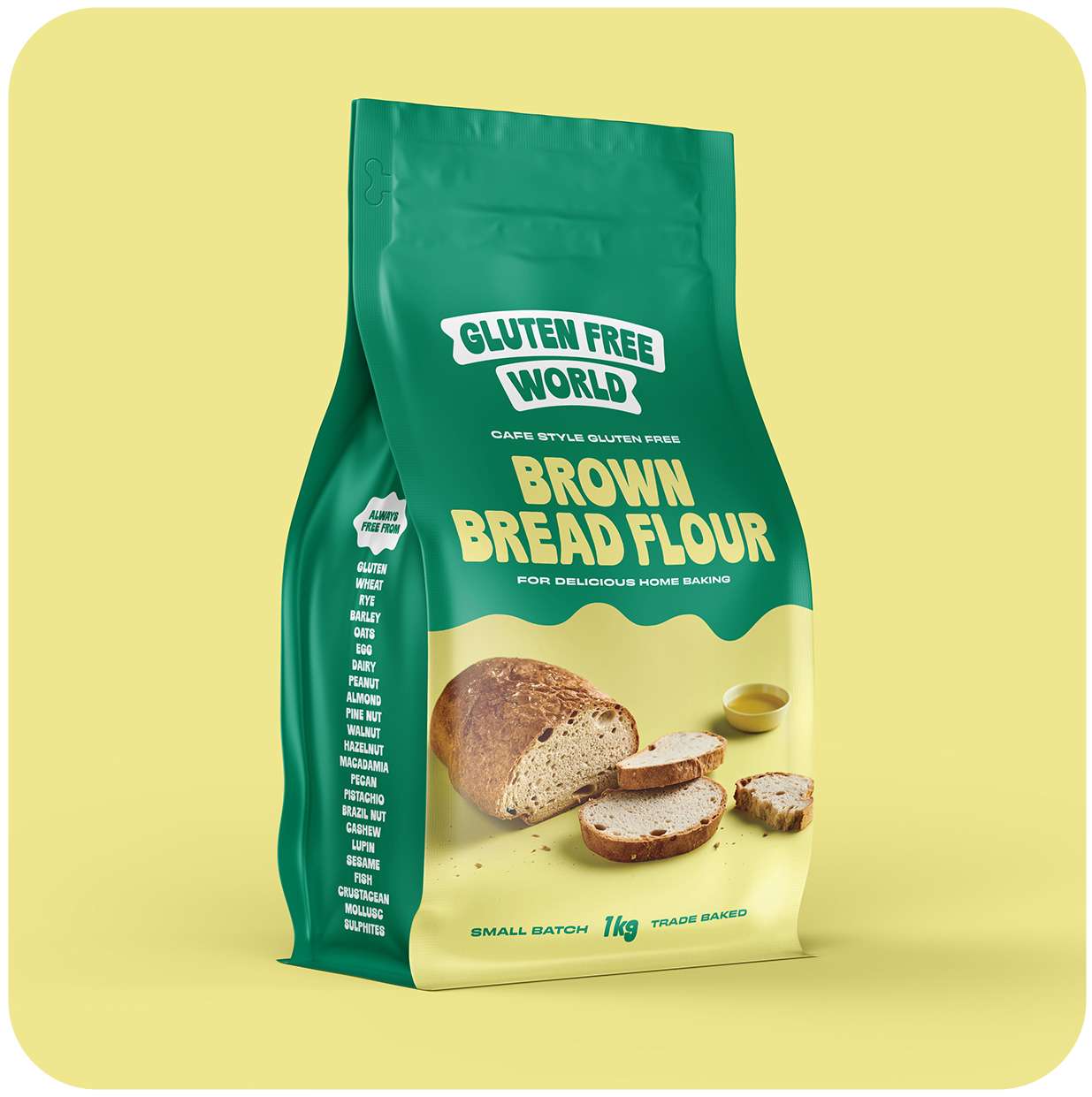
The brown bread flour of us is designed to contain more fibre intake, a direct reaction to the widespread criticism that gluten free bread flour has a lack of a fibre profile compared to whole wheat. It is much healthier than regular white blends, which are consumed by ordinary loaves. The traditional bread flour is the one that is planned to be sold to the audience who desires a stable and consistent bake with a known texture.
-
Gluten-Free Pizza Flour
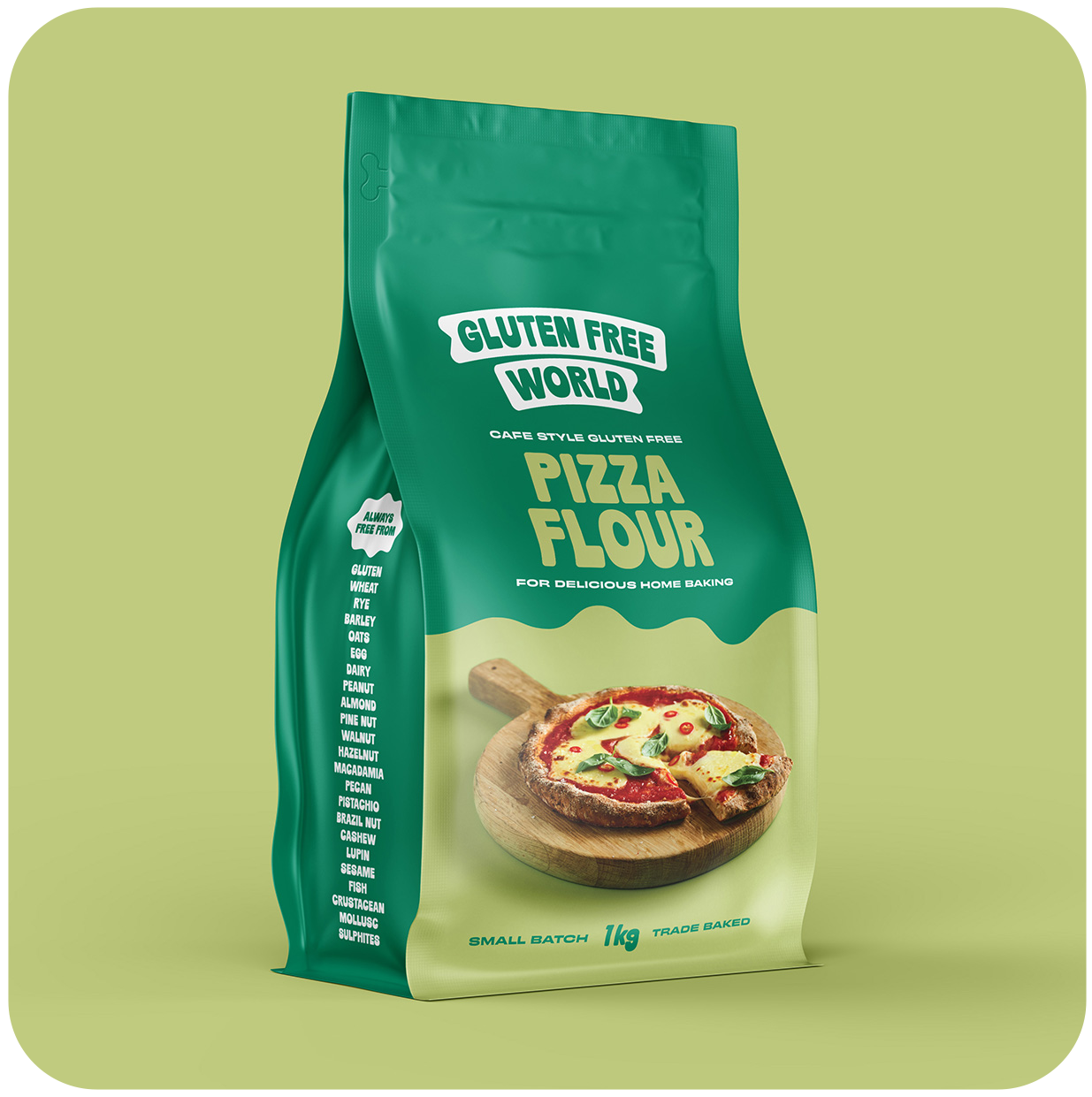
It is a performance gluten free pizza flour, which means that it has a thin and crisp base that supports the toppings. It is also designed to deliver real results without the safety risks associated with untested starch-rich options.
-
Gluten-Free Self-Raising Flour and Gluten-Free Plain Flour
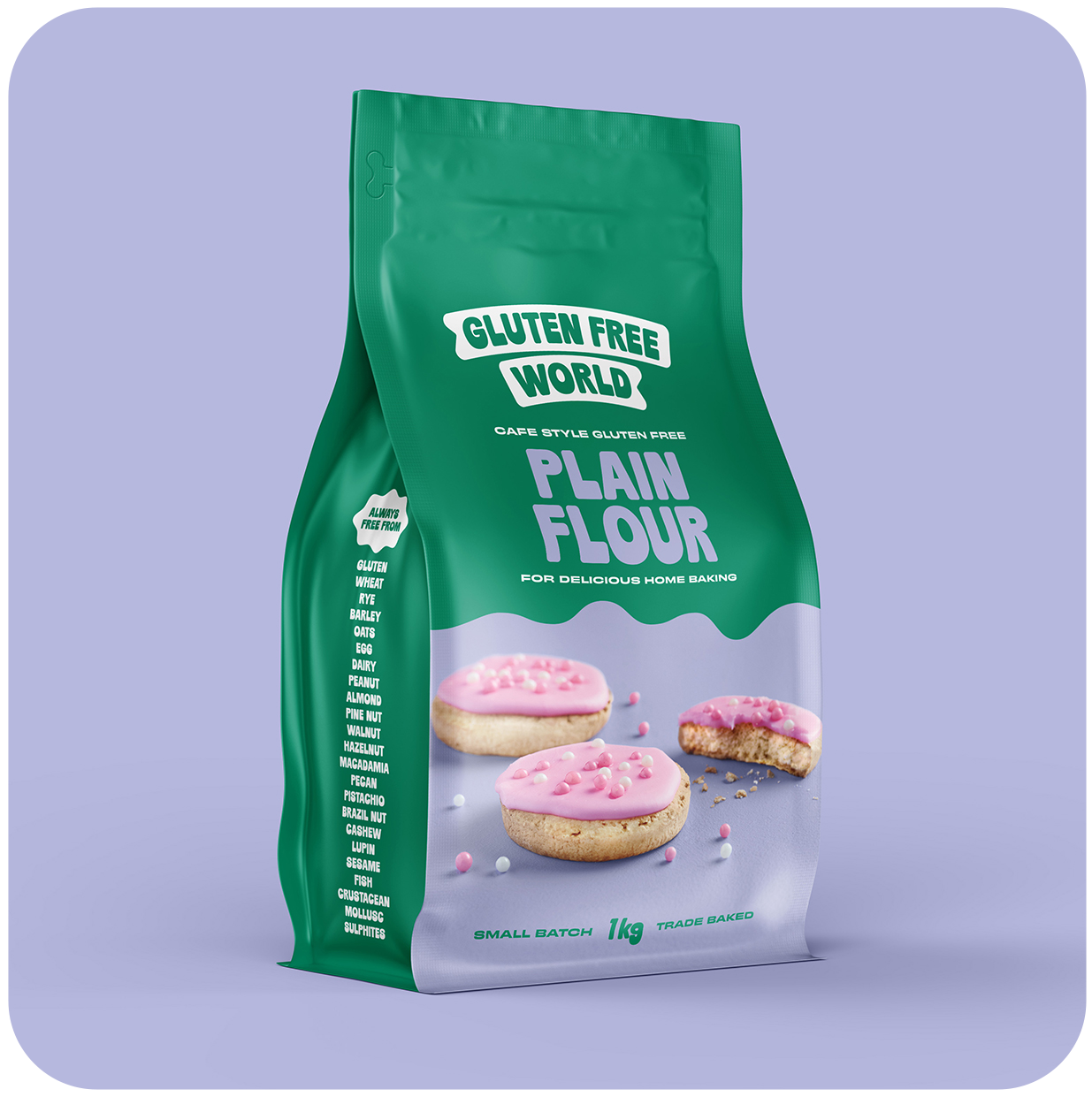
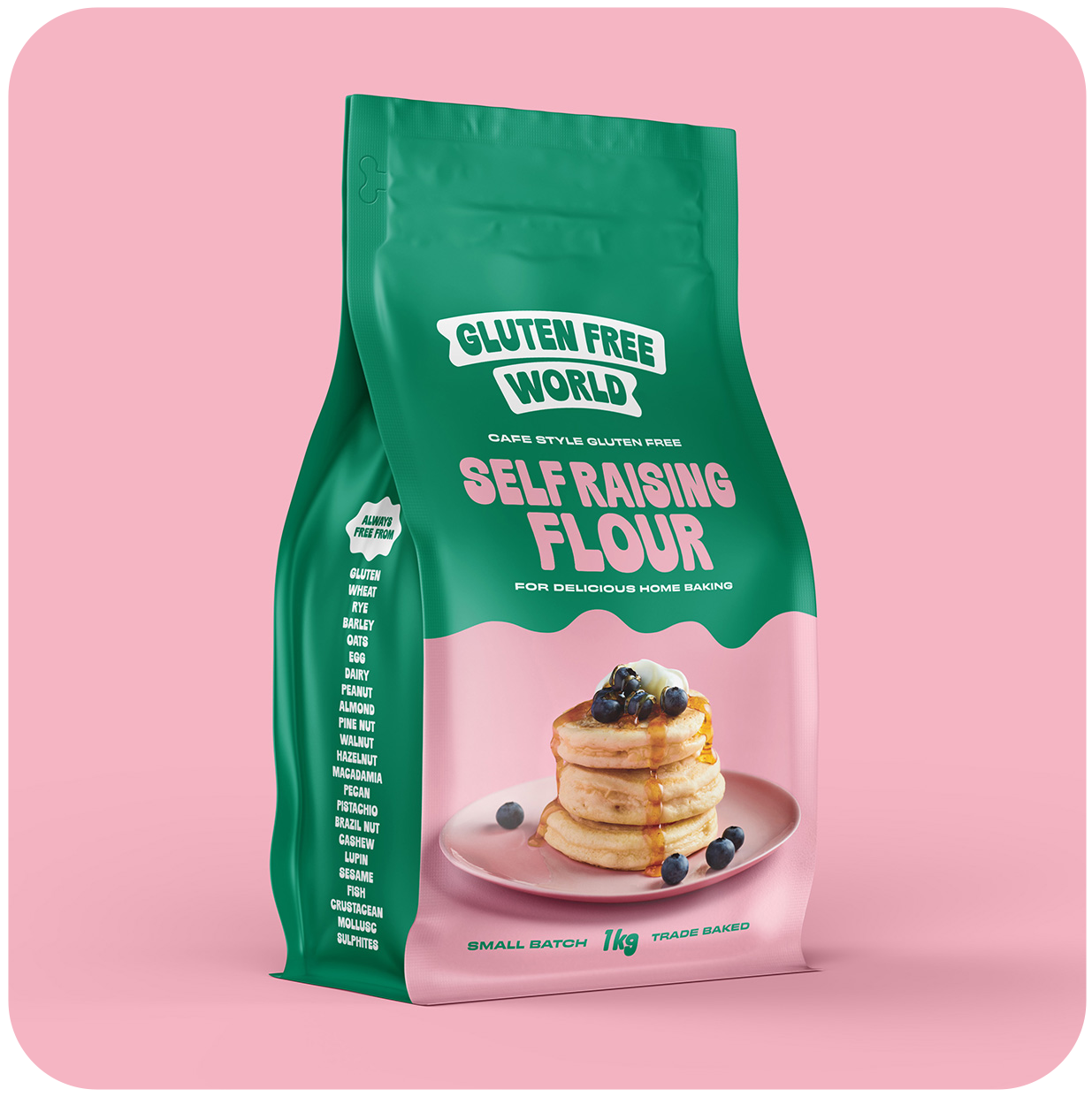
The gluten free self-raising flour and gluten free plain flour of ours are dairy, egg and animal-free, so that they are literally allergy-free and vegan-friendly. This feature is important to families that are dealing with a variety of dietary needs.
All products have Coeliac Australia certification, HACCP certification, and Kosher certification, which many competitors do not have. To those households that bake in large amounts, the possibility to order bulk gluten free flour right on the site makes filling up the stocks easy. Buying bulk gluten free flour lowers the unit price, and you will never run out halfway through the recipe.
Conclusion
Therefore, is gluten free flour healthy? It is possible, but only when you decide on the right mixture. Refined mixes are often starch-heavy and do not have much advantage other than being wheat-free.
Whole-grain, legume, and ancient-grain blends can be nutritious, with as much fibre and protein as regular wheat flour. Gluten free bread flour, gluten free pizza flour, gluten free self raising flour or a versatile gluten free plain flour, the ingredient list always reveals the truth of the matter.
In the case of coeliac disease or gluten sensitivity, safety is the priority for people. It implies selecting a brand that triple-tests each batch and has credible certifications. To all others, the choice to buy gluten free flour must be made due to the quality of ingredients in it, not the health halo that it carries.
Explore the full range of premium, triple-tested gluten free flours at our site and bake with confidence today. Contact us today if you have any queries related to gluten free flour.
FAQ
Is gluten-free flour better for you than regular flour?
It depends on your health needs. For people with coeliac disease, gluten free flour is medically necessary. For others, it is only a healthier option if the blend uses whole grains like brown rice or quinoa instead of highly refined starches. A starch-heavy gluten free baking mix is not nutritionally superior to standard wheat flour.
Does gluten-free flour have more sugar?
Many commercial gluten free flour blends add sugar to replicate the browning, texture, and rise that gluten naturally provides. Always check the ingredient label for "added sugars", particularly in pre-made gluten free baking mixes designed for cakes and quick breads.
Which gluten-free flour has the most protein?
Legume flours (chickpea or gram flour) and nut flours (almond flour) contain the largest amounts of protein. Quinoa and amaranth, ancient grain flours, are also excellent sources of protein and have the added benefit of being complete proteins, containing all the essential amino acids.
Is it safe to bake gluten-free for my family if only one person has Coeliac disease?
Well, there is an actual risk of cross-contamination during production that most of the commercial products have. The third tested gluten free flour available on our website would mean that the whole family would be safe to eat, despite the diagnosis of one person.
Is gluten-free flour actually healthy?
It is possible, but it depends on the type. Mixes with whole grains, legume flours, or ancient grains provide a significant amount of nutritional value. Poorly blended starch-based blends are refined. The surest route to truly healthy gluten-free baking is to read ingredient labels and use certified and quality-tested products.
