Professional-Grade Gluten Free Flours | Vegan & Allergy Friendly | Australia-Wide Delivery


· By R2R Team
Is Baking Powder Gluten‑Free? The Aussie Baker’s Guide
Baking powder is often seen as a simple pantry item, but for gluten-free baking or coeliac disease, it's important to verify if it's gluten-free. Yes, some are, but not all are suitable for gluten-free baking.
Most baking powders include sodium bicarbonate, an acid like cream of tartar, and a starch or filler. The kind of filler matters, especially if it’s wheat starch or prone to cross-contamination. At Gluten Free World, we aim to make gluten-free baking safer and clearer, so consider these points before your next bake.
The Simple Answer
Baking powder can be gluten-free depending on the brand and ingredients. Unlike baking soda, which is just sodium bicarbonate, baking powder contains sodium bicarbonate, acid, and starch or filler.
That filler is the part to check. Many baking powders use gluten-free starches such as corn starch, potato starch or rice flour, while others may contain wheat starch or be made where cross-contamination is possible.
For coeliac or gluten-intolerant bakers, the safest habit is to double-check the packet before it goes into the mix.
What Is Baking Powder Made Of?
Baking powder is not a single ingredient. It is a dry mixture, usually in powder form, made to help baked goods rise when moisture, acid and heat come together.
Most baking powders contain three main parts:
-
Sodium bicarbonate (also called bicarbonate of soda) creates lift. When it reacts with acid and liquid, it releases carbon dioxide, which helps cakes, muffins and quick breads rise.
-
An acid: This is often cream of tartar or another food-safe acid. It helps start the chemical reaction once the baking powder is mixed with wet ingredients.
-
A starch or filler: This helps absorb moisture and keeps the powder stable in the pantry or cupboard. Common gluten-free options include corn starch, potato starch and rice flour, but wheat starch may appear in some products.
Why the Starch or Filler Matters
The starch or filler in baking powder helps keep the powder dry and stops the ingredients from reacting too early in the tin or packet.
For gluten-free baking, this is the part to check closely. Corn starch, potato starch and rice flour are usually suitable when the label also supports a gluten-free claim. The concern starts when wheat starch is used, or when the label does not clearly say what type of starch is in the mixture.
There may also be a risk of cross-contamination if the baking powder is made or packed in a facility that handles wheat-based ingredients. This is why the ingredients list matters before you bake.
How to Choose Coeliac-Safe Baking Powder in Australia
Choosing coeliac-safe baking powder starts with the label. In Australia, the safest option is a product that is clearly labelled gluten-free or certified gluten-free, especially if you are baking for someone with coeliac disease.
Before adding it to your recipe, check for:
-
A gluten-free label: Choose baking powder with a clear gluten-free claim on the packet.
-
The ingredients list: Check the starch or filler used, especially if wheat starch appears or the label is unclear.
-
Allergen statements: Look for warnings such as “may contain wheat” or “made in a facility that also handles wheat.”
-
Brand information: If you are unsure, visit the brand’s website or contact them before using the product.
-
Safe packaging: Avoid loose, unlabelled or bulk baking powder if the ingredients, storage or handling are not clear.
The goal is simple: choose a baking powder where the ingredients, label and handling are easy to trust.
Discover Our Full Gluten Free Product Range
Shop with confidence. See full product info, certifications, and the best Gluten Free Flours for your next bake.
Understanding the Difference of Baking Powder & Baking Soda
Baking powder and baking soda can look similar in the pantry, but they are not the same thing.
Baking soda, or bicarbonate of soda, contains sodium bicarbonate. It requires an acid like lemon juice, yoghurt, or buttermilk, plus liquid to react and help baked goods rise.
Baking powder is a pre-mixed combination that typically includes sodium bicarbonate, an acid like cream of tartar, and a starch or filler. When combined with wet ingredients, it begins to produce bubbles that help cakes, muffins, and quick breads rise.
Because they work in different ways, they should not be treated as a direct swap. Using baking soda where baking powder is needed can affect the rise, leaving your bake dense, flat or with a strong aftertaste.
Some bakers make homemade baking powder as a quick substitute by mixing baking soda with cream of tartar and a starch such as corn starch. This can work in some baking recipes, but every ingredient still needs to be gluten-free.

How Baking Powder Works in Gluten-Free Baking
Baking powder helps create the rise that many gluten-free bakes need. When it touches wet ingredients, it releases carbon dioxide. These tiny bubbles help lift the mixture and give cakes, muffins, pancakes and quick breads a lighter texture.
For the best result:
-
Mix it through the dry ingredients: This helps spread the baking powder evenly through the flour.
-
Add wet ingredients when ready to bake: Once liquid is added, the reaction starts.
-
Avoid overmixing: Gluten-free batters can become heavy if mixed too much.
-
Bake soon after mixing: Heat helps finish the reaction, especially with double-acting baking powder.
-
Use the right gluten-free flour: Baking powder helps with lift, but flour still affects structure, crumb and texture.

Flour Pairing: Choosing the Right Gluten Free World Product
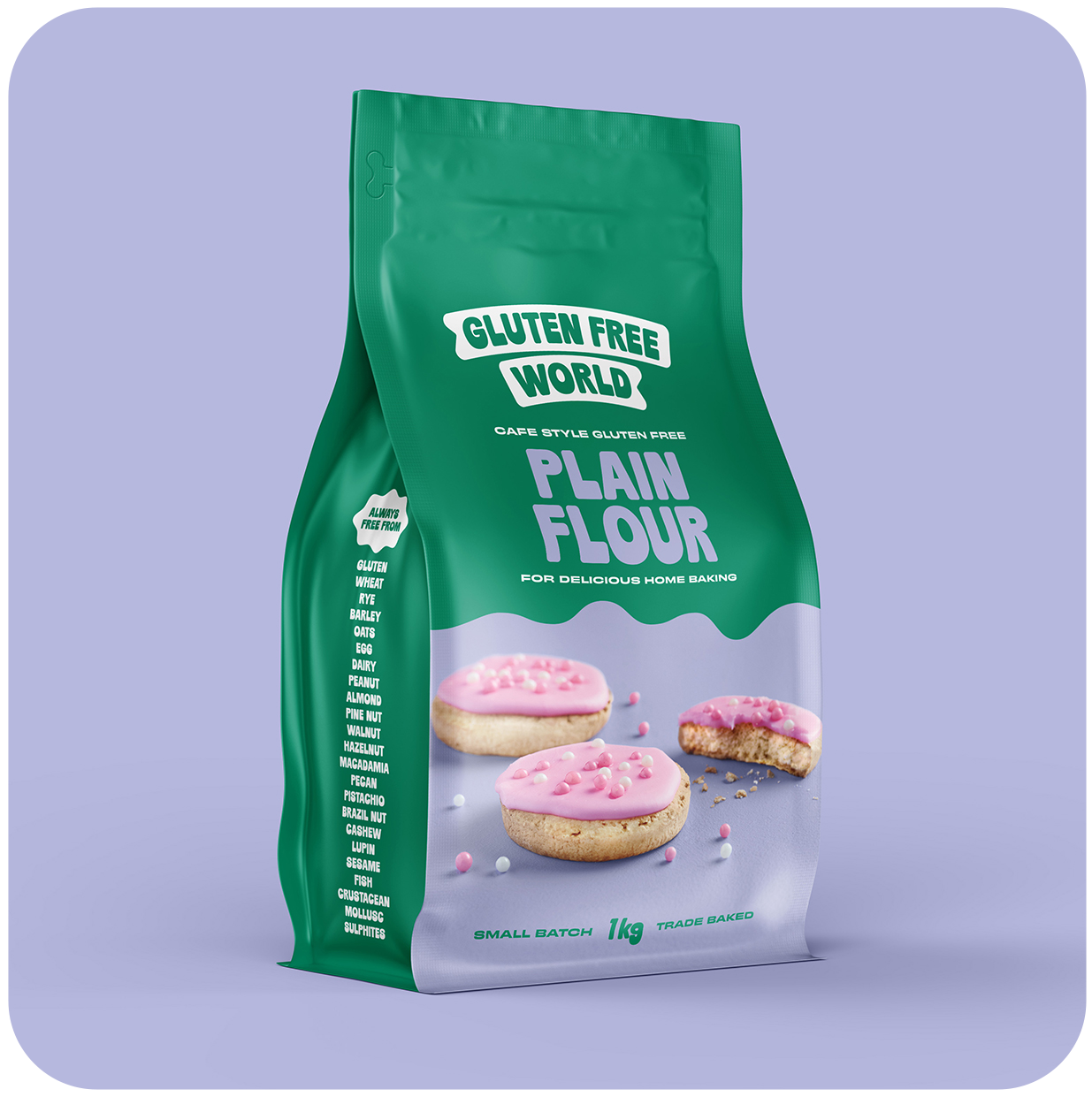
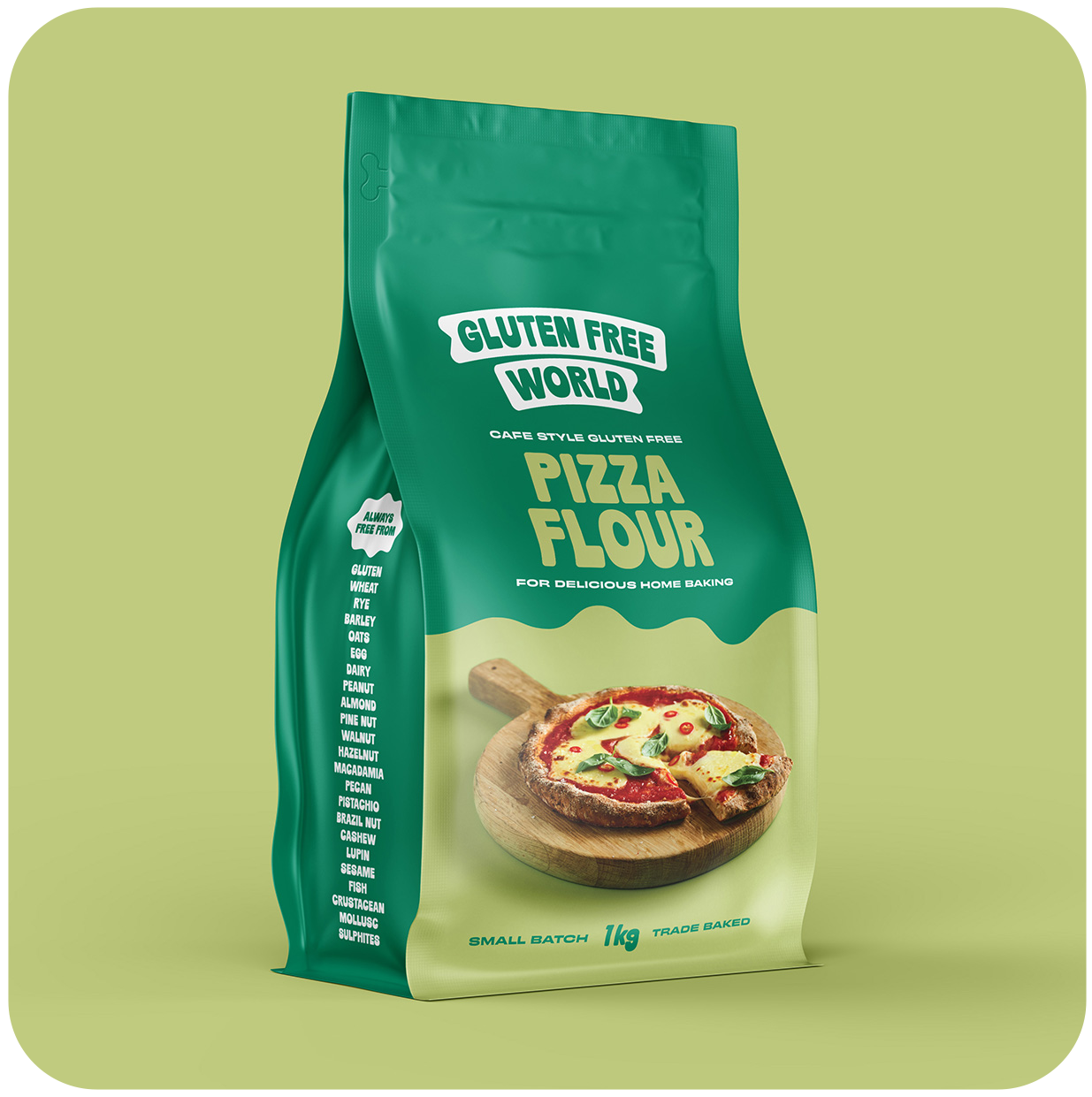
Baking powder helps with lift, but the gluten-free flour still affects the final texture. If your recipe calls for plain flour and baking powder, choose a gluten-free plain flour that suits the bake and lets you follow the recipe more closely.
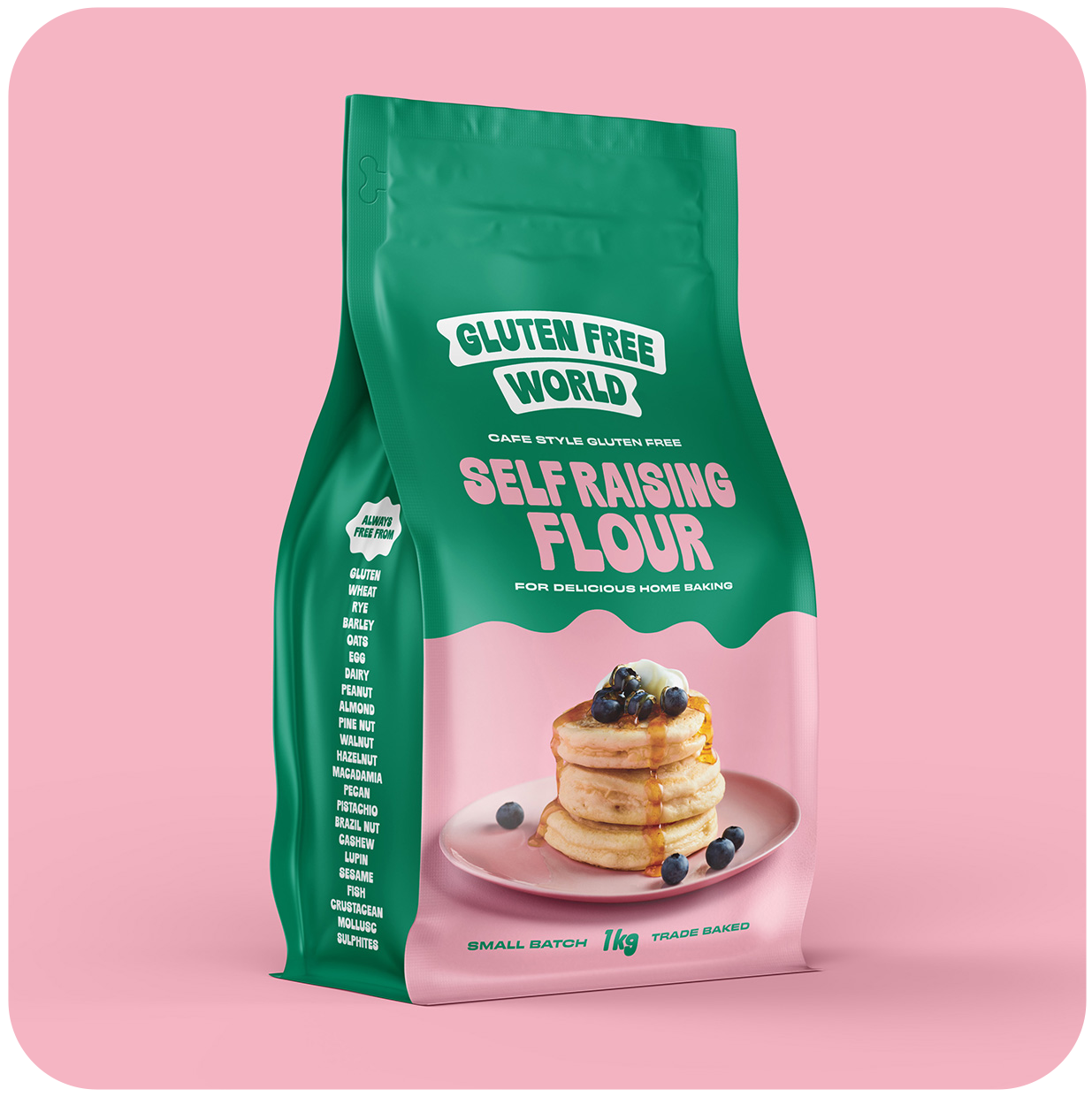
For simple cakes, scones and quick bakes, gluten-free self-raising flour can be helpful because the raising agents are already included. This means you do not need to add separate baking powder unless the recipe specifically asks for it.
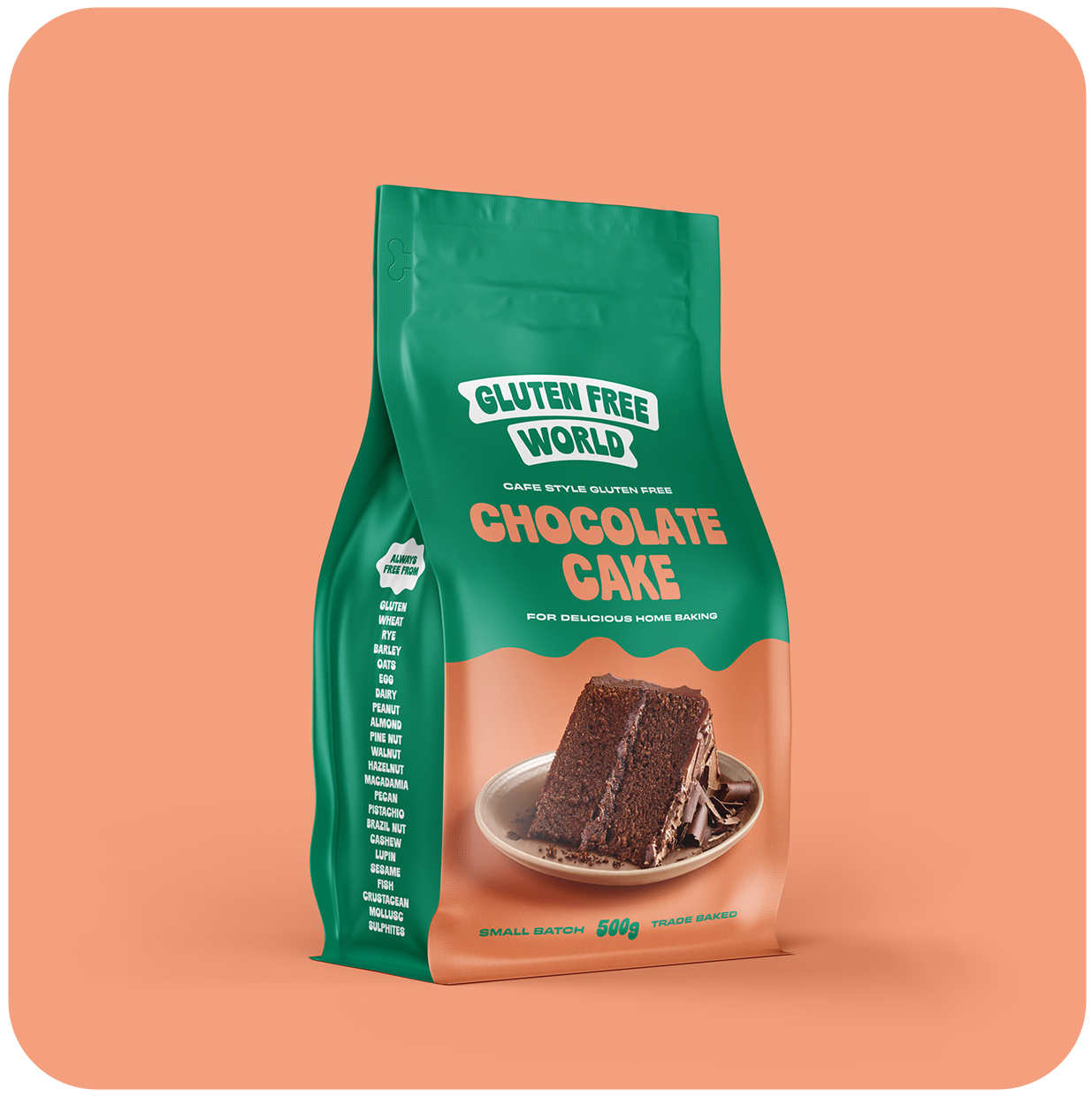
If you want an easier cake option, Gluten Free World’s gluten-free vanilla cake mix and chocolate cake mix already include raising agents as part of the dry mix. These are useful when you want a balanced gluten-free cake mix without measuring each dry ingredient from scratch.
Common Baking Powder Mistakes to Avoid
Even if your baking powder is gluten-free, small details can still affect the bake.
-
Assuming every baking powder is gluten-free: Brands can use different ingredients, so read the label each time.
-
Skipping the filler check: The filler is often where gluten can appear, especially if wheat starch is listed.
-
Using flat baking powder: If it barely fizzes when tested with hot water, it may not give your bake enough lift.
-
Adding extra for more rise: Too much baking powder can leave a bitter taste or cause the bake to sink.
-
Swapping it with baking soda: Baking soda needs an acid to work, while baking powder already contains an acid.
Conclusion
Baking powder can be gluten-free, but the label is what matters most. Before using it, check the starch or filler, look for a gluten-free claim and avoid products with unclear allergen information.
For better results, use a gluten-free flour that suits the recipe, not just the raising agent. Gluten Free World makes this easier with gluten-free flour and baking mixes designed for cakes, scones, muffins and quick bakes, helping your bake rise well and hold its texture more easily.
With a quick label check and the right gluten-free flour, baking becomes a little easier to manage.
Frequently Asked Questions
Does baking powder contain gluten in Australia?
Some baking powder in Australia is gluten-free, but not every product is suitable for coeliacs. The main thing to check is the starch or filler, as some products may use wheat starch or have unclear allergen information. Always double-check the ingredients list and gluten-free claim before using it in your recipe.
What ingredient in baking powder can contain gluten?
The main ingredient to check is the starch or filler. Some baking powders may use wheat starch, while others use gluten-free options such as corn starch, potato starch or rice flour. This is why the ingredients list matters, even when the product looks simple.
Is baking powder safe for coeliacs?
Baking powder can be safe for coeliacs when it is labelled gluten-free or certified gluten-free. Sodium bicarbonate is naturally gluten-free, but added starch, shared equipment and cross-contamination can be concerns. If the label is unclear, check with the brand first.
Is it possible to replace baking powder with baking soda?
Not as a straight swap. Baking soda is sodium bicarbonate and needs acid to work. Baking powder already contains acid and starch. If a recipe calls for baking powder, using baking soda on its own can change the flavour, rise and texture.
Is gluten-free self-raising flour the same as plain flour plus baking powder?
They are similar, but not always the same in results. Gluten-free self-raising flour usually contains a balanced mix of flour and leavening agent. Plain flour plus gluten-free baking powder can work, but the texture depends on the gluten-free flour and recipe.
How do I check if baking powder still works?
To check freshness, stir a small spoonful of baking powder into warm water and watch for fizz. Strong bubbling usually means it is still active, while little or no reaction means it may be too old to help your baking rise properly. Keep baking powder sealed and stored away from heat, steam and moisture so it stays fresh for longer.
