Professional-Grade Gluten Free Flours | Vegan & Allergy Friendly | Australia-Wide Delivery


· By R2R Team
How to Make Gluten-Free Banana Bread That Isn't Gummy
Gluten-free banana bread should be soft, tender, and easy to slice, not wet, sticky, or heavy in the middle. Many home bakers find that a banana bread loaf can look beautifully baked on the outside but still turn out gummy when sliced.
This is a common issue in gluten-free baking. Without gluten to create structure, a gluten-free banana bread recipe relies more heavily on the balance of gluten-free flour, eggs, fat, mashed bananas, and raising agents like baking soda and baking powder. Because bananas add both flavour and moisture, a loaf can become too wet if the batter is not properly balanced.
The good news is that this is usually easy to fix. With the right gluten-free flour, the correct amount of ripe bananas, and a few simple baking habits, you can make gluten-free banana bread that is light, moist, and full of banana flavour.
In this guide, we explain what causes gummy banana bread, how to make gluten-free banana bread with a better texture, and the small changes that can help you bake your best banana bread at home.
Why Gluten-Free Banana Bread Turns Gummy
A gummy loaf usually comes down to three things: too much moisture, not enough structure, or not enough bake time.
Traditional banana bread uses wheat flour, which contains gluten. Gluten helps the loaf rise, hold its shape, and develop a lighter crumb. A gluten-free banana bread loaf needs to get its structure from gluten-free flour, eggs, starches, and binders such as xanthan gum.
Mashed bananas are also naturally high in moisture. They are essential for banana flavour, but adding too much banana or removing the bread from the oven too early can leave the centre sticky. This is especially common when using frozen bananas that have not been drained properly after thawing.
At Gluten Free World, we find that a soft, sliceable banana bread recipe usually depends on balancing moisture with structure. When you measure gluten-free flour carefully, use very ripe bananas in the right amount, and bake until a toothpick inserted into the centre comes out with moist crumbs, your gluten-free banana bread is far more likely to bake evenly.
What Makes Gluten-Free Banana Bread Different
A classic banana bread recipe depends on wheat flour for stability. In gluten-free recipes, that same structure has to come from a well-balanced flour blend and supportive ingredients.
That is why gluten-free banana bread often needs a little more care with:
-
how carefully you measure gluten-free flour
-
how many mashed bananas you add
-
whether your gluten-free flour already contains xanthan gum
-
how long the loaf stays in the oven
-
whether you let the banana bread cool completely before slicing
Even a great recipe can turn gummy if there is too much moisture in the batter or if the loaf is sliced while still warm. For beginner bakers, understanding this difference makes it much easier to make gluten-free banana bread successfully.
Best Ingredients for Gluten-Free Banana Bread
1. Choose a Good Gluten-Free Flour
The type of gluten-free flour you use plays a huge role in the final texture. A good gluten-free flour for banana bread usually contains:
-
rice flour for structure
-
starches such as tapioca or potato starch for lightness
-
xanthan gum for binding
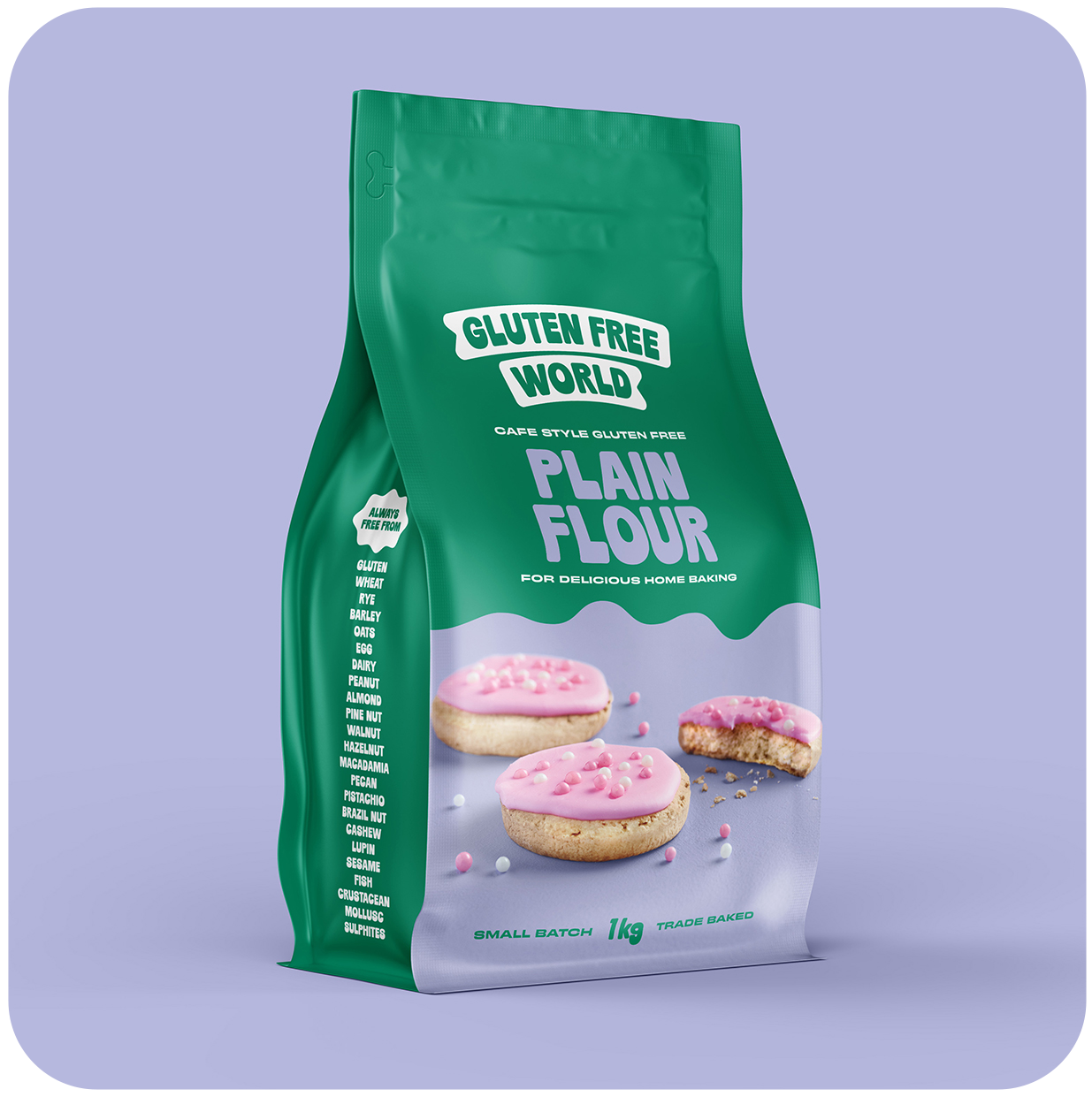
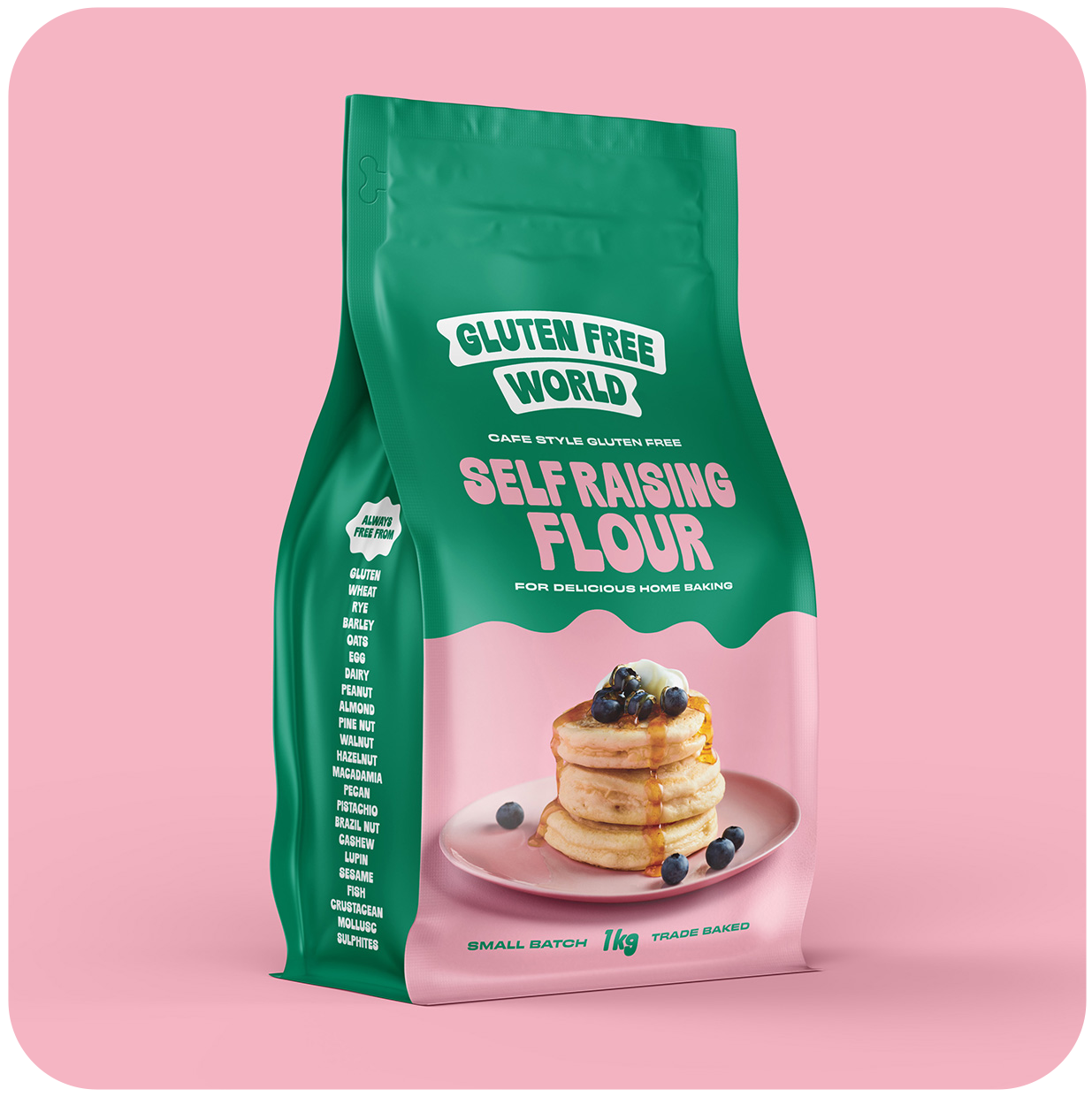
If your recipe already contains baking powder and baking soda, gluten-free plain flour is often one of the best choices, as it gives you better control over the rise. Some home bakers prefer raising flour or a gluten-free self-raising flour for convenience, but always check whether the raising agents are already included.
At Gluten Free World, we usually recommend dependable gluten-free flour, especially gluten-free plain flour for cakes, muffins, and quick breads, especially if you are still building confidence with gluten-free food and everyday baking.
Some bakers also like using oat flour, almond flour, or almond meal in special variations such as grain-free banana bread, but these tend to behave differently and may need recipe adjustments.
2. Use the Right Amount of Mashed Bananas
Bananas bring sweetness, softness, and that familiar banana flavour, but they also add a lot of liquid.
Most banana bread recipes use 2 to 3 ripe bananas, or about 1 to 1¼ cups mashed bananas. It can be tempting to add an extra banana for more flavour, but too much banana is one of the easiest ways to end up with a dense or gummy loaf.
For the best results:
-
Use ripe bananas or very ripe bananas with brown spots
-
Stick to the measured amount in the recipe
-
Thaw frozen bananas fully and drain excess liquid
-
Avoid adding an extra banana unless the recipe has been written for it
Overripe bananas usually give the best texture and the richest flavour in a gluten-free banana bread recipe or a classic banana bread-style loaf.
3. Use Eggs and Fat for Better Structure
Eggs help a gluten-free banana bread batter hold together and give the loaf more support as it rises.
For fat, many bakers use melted butter, unsalted butter, coconut oil, or olive oil. Each option helps create a tender crumb. If you want a dairy-free loaf, coconut oil or olive oil are easy swaps that can make the recipe naturally dairy-free.
Brown sugar or granulated sugar also helps with texture by holding onto moisture. Some recipes use maple syrup instead of refined sugar, though that can slightly increase moisture and may require small adjustments elsewhere.
4. Do Not Forget the Raising Agents
Baking soda and baking powder both help give banana bread lift.
Baking soda reacts with the natural acidity in the bananas, while baking powder provides extra support to help the loaf rise more evenly. If either is missing or out of balance, the banana bread may turn out too dense.
Discover Our Full Gluten Free Product Range
Shop with confidence. See full product info, certifications, and the best Gluten Free Flours for your next bake.
Gluten-Free Banana Bread Recipe Method
This delicious recipe is simple enough for beginner bakers and works well as a go-to recipe for everyday baking. It is not quite a one-bowl method, but it is still easy to follow.
1. Preheat the Oven
Preheat the oven to 175°C.
Prepare a loaf pan by lining it with baking paper or coating it lightly with cooking spray. A properly prepared loaf pan helps the banana bread release more easily after baking.
2. Mix the Dry Ingredients in a Large Mixing Bowl
In a large mixing bowl, whisk together:
-
gluten-free flour
-
baking powder
-
baking soda
-
salt
If you are baking from scratch, gluten-free plain flour can be a great base for banana bread because it lets you control the baking powder, baking soda, and overall balance of the recipe.
3. Mix the Wet Ingredients
In another bowl, mash the bananas until smooth. Then add:
-
melted butter, unsalted butter, coconut oil, or olive oil
-
brown sugar or granulated sugar
-
eggs
-
vanilla extract
Mix until combined. Room-temperature ingredients usually blend more easily than cold ingredients, which can help create a smoother batter.
4. Combine the Batter
Add the wet ingredients to the dry ingredients, stirring gently until just combined. The gluten-free banana bread batter should be thick and smooth, not runny.
At this stage, you can fold in mix-ins such as:
-
chocolate chips
-
mini chocolate chips
-
chopped walnuts
Avoid overmixing, as that can make the loaf heavier.
5. Pour Batter Into the Loaf Pan
Pour batter into the prepared loaf pan and spread it evenly.
If you like, scatter a few extra chocolate chips or chopped walnuts over the top before baking.
6. Bake Until a Toothpick Inserted Comes Out With Moist Crumbs
Bake for 55 to 65 minutes. The exact bake time will depend on your oven, the moisture in your bananas, and whether your oven runs hot.
The loaf is ready when:
-
The top is golden
-
A toothpick inserted into the centre comes out with moist crumbs
-
The centre feels set rather than wet
If the top is browning too quickly, loosely cover it with foil for the remaining bake time.
7. Cool Completely on a Wire Rack
Let the banana bread rest in the loaf pan for 10 to 15 minutes, then transfer it to a wire rack.
This is one of the most important steps. Warm banana bread can seem underbaked even when it is properly cooked. Let the bread cool completely before slicing so the crumb can settle and firm up.
Common Gluten-Free Banana Bread Problems and Fixes
Why Is My Gluten-Free Banana Bread Gummy?
A gummy centre usually means the loaf contains too much moisture or needs to be baked longer.
The most common causes are:
-
too many mashed bananas
-
underbaking
-
not measuring gluten-free flour carefully
-
using a weak gluten-free flour blend
-
slicing before the bread cools
This is one of the most common banana bread issues in gluten-free baking, but it is usually easy to fix once you know what to look for.
Why Did My Banana Bread Sink in the Middle?
If the loaf rises well and then sinks, the centre likely did not fully set.
This can happen when:
-
The oven temperature is too low
-
The batter is too wet
-
The loaf is removed too early
-
The structure of the flour blend is not strong enough
Why Is My Banana Bread Dry?
Dry banana bread is usually caused by too much flour or too much time in the oven.
Always measure gluten-free flour carefully and keep an eye on the loaf near the end of the bake. Very ripe bananas help with softness, moisture, and flavour.
Easy Variations for Banana Bread
Once you have a favourite banana bread recipe, it becomes much easier to experiment.
Popular variations include:
-
chocolate chips or mini chocolate chips for a sweeter loaf
-
chopped walnuts for crunch
-
shredded coconut for extra texture
-
oat flour, almond flour, or almond meal in special recipe variations
-
dairy-free swaps such as coconut oil or olive oil
-
grain-free banana bread versions for different dietary needs
You can also turn the same batter into muffins or mini loaves. If you do, reduce the bake time accordingly.
Some bakers like to make a double batch and freeze one loaf for later. That can be a great option if you want an easy recipe today and something ready for another week.
How to Store Gluten-Free Banana Bread
Allow the loaf to cool completely before storing.
For short-term storage, wrap slices in plastic wrap or place them in an airtight container at room temperature for up to two days.
For longer storage, freeze individual slices or the whole loaf for up to three months. Let the bread cool fully before freezing so excess moisture does not collect inside the wrapping.
Final Thoughts on Making the Best Banana Bread
Gluten-free banana bread does not need to be dense or sticky. With the right gluten-free flour, the right amount of mashed bananas, and enough bake time, you can make gluten-free banana bread that is soft, moist, and easy to slice.
At Gluten Free World, we believe gluten-free recipes should feel approachable and rewarding, especially for beginner home bakers. Once you understand how moisture, structure, and baking time work together, banana bread becomes one of the easiest and most reliable gluten-free recipes to make at home.
If you are building your gluten-free pantry, keeping a dependable gluten-free flour on hand can make a big difference in quick bakes like banana bread. Whether you prefer baking from scratch or keeping gluten-free cake mixes on hand for easy desserts, having a few reliable staples makes everyday gluten-free baking much simpler.
Frequently Asked Questions
Why is my gluten-free banana bread gummy in the middle?
A gummy centre usually means the gluten-free banana bread has too much moisture or needs more bake time. Too many mashed bananas, underbaking, or a weak gluten-free flour blend can all cause this. Let the loaf cool completely before slicing so the crumb can properly set.
What is the best gluten-free flour for banana bread?
The best option is usually a dependable gluten-free flour or gluten-free plain flour made for baking. A good blend often includes rice flour, starches, and xanthan gum for structure. If you measure gluten-free flour carefully, your banana bread recipe is more likely to bake evenly and hold together well.
How do I know when gluten-free banana bread is done?
Gluten-free banana bread is ready when the top is golden, and a toothpick inserted into the centre comes out with moist crumbs rather than wet batter. Bake time can vary depending on your loaf pan, how moist your mashed bananas are, and whether your oven runs hot.
Can I use frozen bananas for gluten-free banana bread?
Yes, frozen bananas work well in a gluten-free banana bread recipe because they become soft and easy to mash after thawing. Just drain excess liquid before adding them to the batter, or the extra moisture can make the middle of the loaf dense, sticky, or gummy.
Can I make this banana bread dairy-free?
Yes, this banana bread recipe can be made dairy-free by replacing melted butter or unsalted butter with coconut oil or olive oil. This simple swap keeps the loaf soft and moist. It is an easy way to make naturally gluten-free, dairy-free banana bread for everyday baking.
