Professional-Grade Gluten Free Flours | Vegan & Allergy Friendly | Australia-Wide Delivery


· By R2R Team
Gluten-Free Pizza: A Beginner’s Guide
Gluten-free pizza can feel a little intimidating when you are first starting out. Traditional pizza dough is known for being stretchy, chewy, and easy to shape, so it is understandable that many beginners worry a gluten-free version will be dry, crumbly, or difficult to work with.
The good news is that a delicious homemade gluten-free pizza is absolutely possible. With the right method, the right flour, and realistic expectations, you can make a crisp, flavourful pizza crust that feels satisfying, practical, and family-friendly.
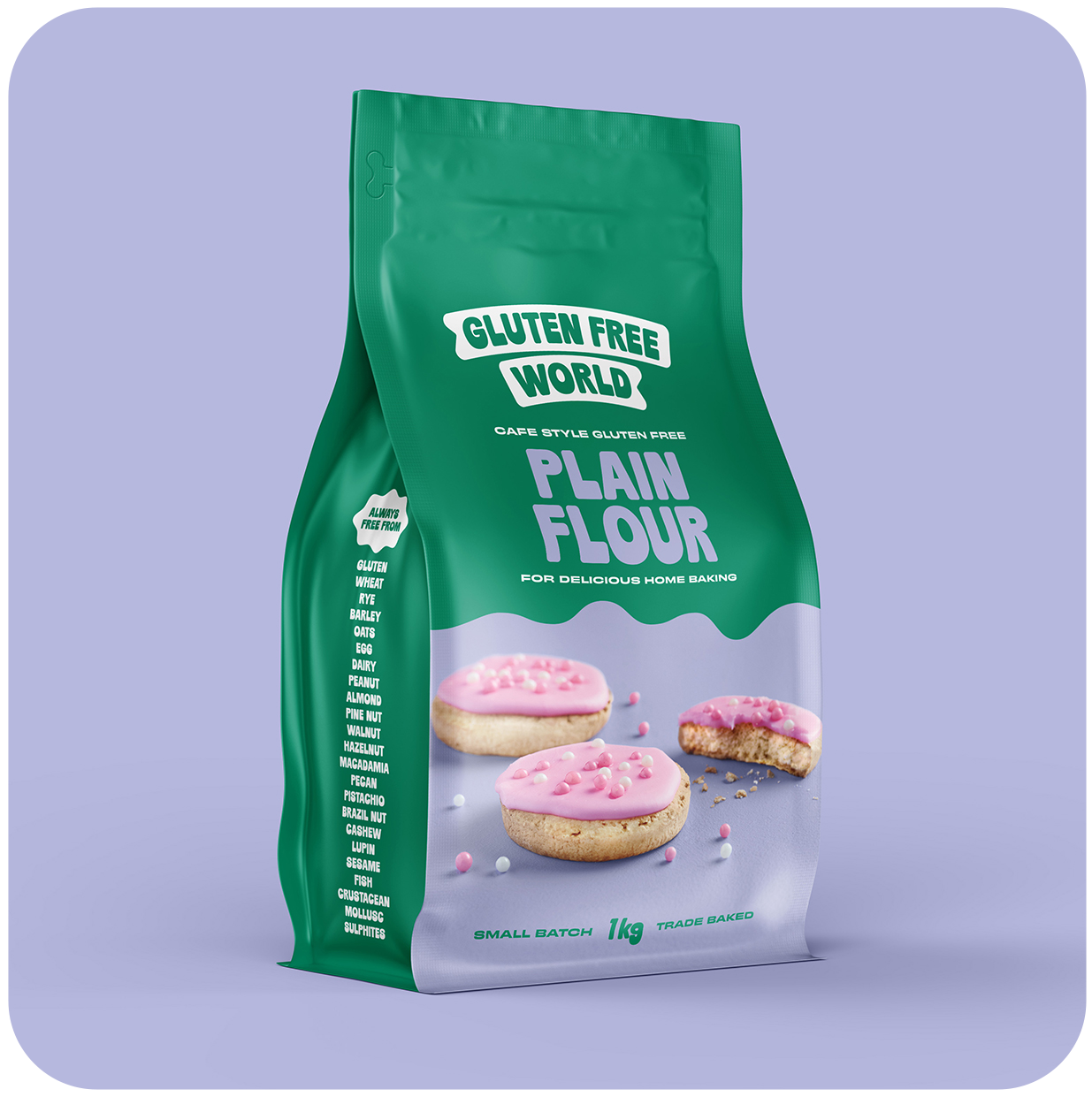
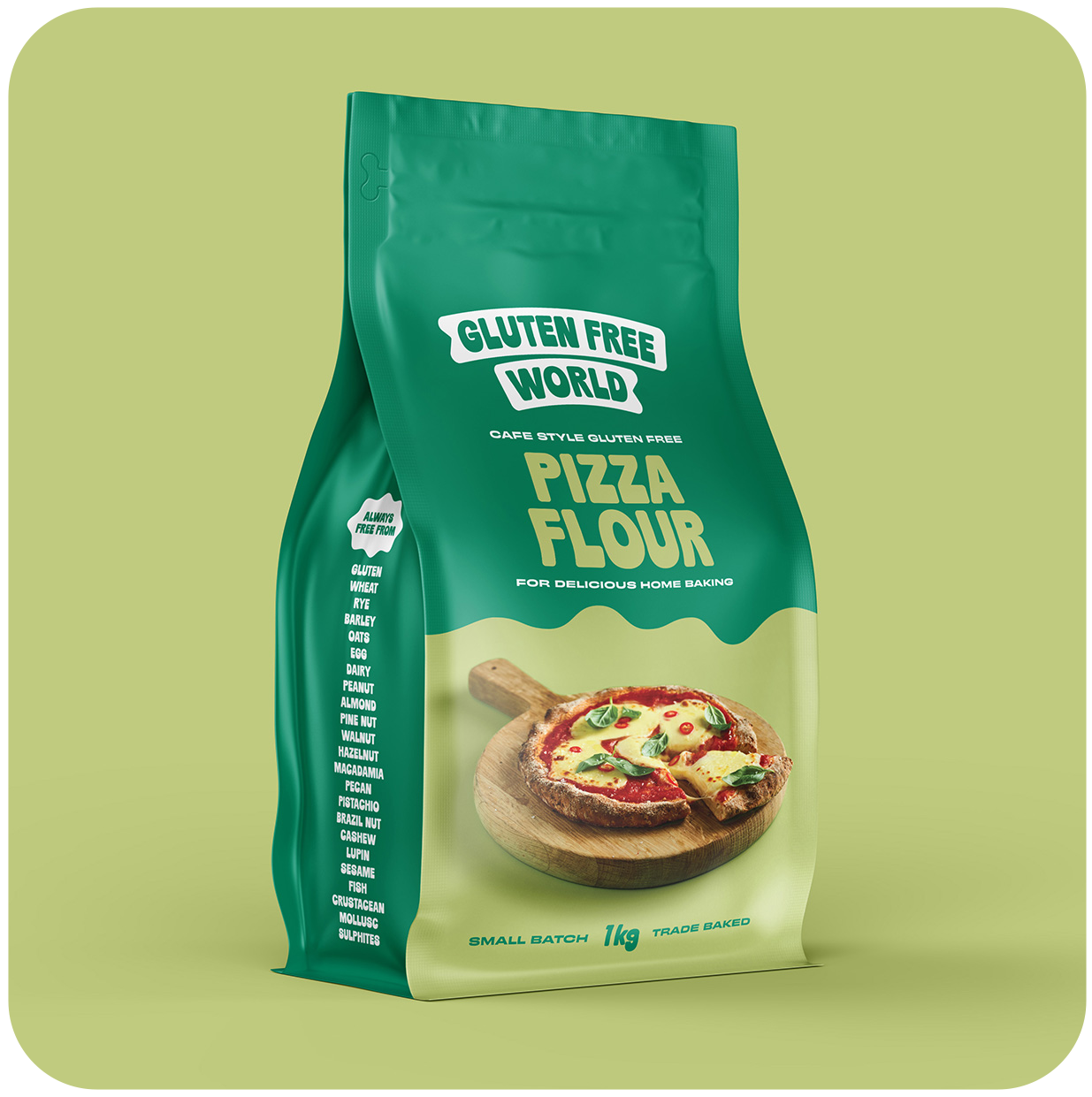
At Gluten Free World, we know dough-based recipes can take a little practice when you are baking without gluten. In this beginner’s guide, we will explain what makes gluten-free pizza different, why sticky dough is often completely normal, and how products like gluten-free pizza flour, gluten-free plain flour, and a dependable gluten-free pizza base mix can make the process easier.
What makes gluten-free pizza different?
The biggest difference comes down to gluten itself. In regular pizza dough, gluten gives the dough elasticity and structure. It helps the dough stretch, trap air, and create the chewy texture many people associate with traditional pizza.
Without gluten, gluten-free pizza dough behaves differently. It is often softer, more delicate, and sometimes stickier than beginners expect. Instead of relying on gluten, a gluten-free dough usually uses a mix of flour, starches, and binders to help improve structure and texture.
That is why a gluten-free pizza recipe often looks different from a standard pizza dough recipe. Depending on the method, you may see ingredients such as:
-
gluten-free pizza flour
-
gluten-free plain flour
-
rice flour
-
xanthan gum
-
psyllium husk
-
baking powder
-
active dry yeast or instant yeast
-
warm water
-
olive oil
-
salt
-
a small amount of sugar
If you are making your own dough from scratch, the balance of these ingredients matters. A good gluten-free pizza flour can give you a more reliable starting point for pizza dough, while gluten-free plain flour can be useful in homemade recipes that call for a more versatile flour blend.
For beginners, though, managing all of that at once can feel overwhelming. That is why many home bakers start with dependable products before experimenting more confidently with their own flour combinations.
Why beginners often struggle with gluten-free pizza dough
There is usually a learning curve with any gluten-free pizza recipe, and that is completely normal. Most first attempts go wrong because the dough behaves differently from what people expect.
Here are some of the most common beginner issues.
Expecting the dough to feel like regular pizza dough
A gluten-free dough usually does not stretch like a classic wheat-based dough. It often needs to be pressed out on baking paper or shaped gently by hand rather than tossed or stretched.
Adding too much flour
When the dough feels wet or sticky, many beginners add extra flour straight away. That can leave the final crust dry, dense, or crumbly. With gluten-free pizza dough, a little stickiness is often part of the process.
Not allowing enough time for the dough to rise
If your pizza dough recipe uses yeast, rise time matters. Depending on the recipe, the dough may need about an hour in a warm spot before shaping. Skipping that step can lead to a heavier, less airy base.
Overloading the toppings
Too much tomato sauce, too much cheese, or too many toppings can weigh down the base and stop the middle from setting properly. This often leads to a soggy pizza.
Not using a hot enough oven
A hot oven helps create a crisp, well-baked crust. Whether you use a standard oven, a pizza stone, or a pizza oven, strong heat helps the base cook through and turn golden.
Tips for making better gluten-free pizza at home
If you are just getting started, these tips can help you make a more reliable homemade pizza.
1. Start with a recipe or product designed for gluten-free baking
Trying to adapt a regular pizza recipe is often frustrating. A proper gluten-free pizza recipe, a quality gluten-free pizza flour, or a dependable gluten-free pizza base mix gives you a much better starting point.
If you prefer to make dough from scratch, gluten-free plain flour can also be useful in recipes that call for a flexible everyday flour blend.
2. Mix the dough properly
If you are making dough from scratch, combine the dry ingredients in a mixing bowl or the bowl of a stand mixer. Then add the wet ingredients, such as warm water and olive oil, and mix until the dough comes together.
Some recipes suggest mixing for a few minutes to help hydrate the flour and distribute the yeast and binders more evenly. This can make a noticeable difference to texture.
3. Do not panic if the dough is sticky
Sticky dough is very common in gluten-free baking. Resist the urge to add too much extra flour. Instead, use baking paper, lightly oil your hands, or dust the surface only as needed.
4. Shape it simply
Many beginners get the best result by pressing the dough into shape on baking paper rather than trying to roll or toss it like regular dough. Aim for a fairly thin base if you like a crisp result, but leave a slightly raised edge if you want a more classic pizza look.
If you are making two pizzas, divide the dough evenly and shape each portion separately.
5. Pre-bake the base if needed
A quick pre-bake can make a big difference. Pre-baking the base before adding sauce and toppings helps the crust set and makes the pizza easier to handle.
6. Use high heat for the best crust
A fully preheated oven is important. If you have a pizza stone, it can help the base cook more evenly. If you are using a pizza oven, keep an eye on the pizza because it may bake very quickly.
7. Keep toppings balanced
A simple topping combination often works best. Start with tomato sauce, cheese, and a few favourite toppings such as mushrooms, capsicum, or pepperoni. This gives the base the best chance to bake well and stay crisp.
Discover Our Full Gluten Free Product Range
Shop with confidence. See full product info, certifications, and the best Gluten Free Flours for your next bake.
The easiest way to start with gluten-free pizza
When you are still learning, the easiest path is usually the one that removes as much guesswork as possible. Rather than trying to troubleshoot every part of the dough at once, it often helps to start with products that are designed to make gluten-free baking more manageable.
At Gluten Free World, we usually recommend choosing the option that suits your confidence level in the kitchen. If you want to make dough from scratch, gluten-free pizza flour can give you a more reliable starting point. If your recipe calls for a versatile flour blend, gluten-free plain flour is a handy pantry staple. If you want the simplest option of all, a gluten-free pizza base mix takes even more pressure out of the process.
For beginner bakers, that can be the difference between feeling frustrated and making a gluten-free pizza that becomes part of your regular meal rotation.
Why our gluten-free pizza products are a great option for beginners
There are many ways to make gluten-free pizza, but not all of them feel equally approachable when you are new. We believe the best products are the ones that genuinely help home bakers succeed, which is why we focus on options that make the process simpler and more achievable.
They reduce trial and error
When you are starting out, it can be hard to tell whether the issue is your flour, your method, your yeast, or your baking time. Using dependable products such as gluten-free pizza flour, gluten-free plain flour, or a gluten-free pizza base mix helps remove some of that uncertainty.
They make homemade pizza feel more approachable
Making a dough from multiple flours, starches, and binders can absolutely work, but it is not always the easiest place to begin. Starting with reliable gluten-free products gives you a more manageable entry point and a better chance of success.
They help you build confidence
A beginner-friendly product gives you a more consistent starting point. That means you can focus on shaping, topping, and baking instead of troubleshooting every step of the dough.
They suit different households
You can keep things classic with cheese and tomato, add pepperoni, or make a dairy-free version if needed. Gluten-free pizza is one of those meals that can be easily adapted for the whole family.
At Gluten Free World, we want gluten-free baking to feel encouraging rather than overwhelming. That is why products like gluten-free pizza flour, gluten-free plain flour, and our gluten-free pizza base mix can be such helpful staples for beginner home bakers.
How to build a beginner-friendly gluten-free pizza
Once your base is ready, the fun part begins. Keep it simple the first time so you can get a feel for what works best in your kitchen.
A classic topping combination might include:
-
tomato sauce or passata
-
mozzarella or your preferred cheese
-
sliced mushrooms
-
capsicum
-
ham or pepperoni
-
dried herbs
-
a drizzle of olive oil
Try not to overload the base. A lighter amount of sauce and toppings usually gives better results, especially if you want a crisp crust.
After baking, let the pizza sit for a minute or two before slicing and serving. This helps the base settle and makes it easier to serve neatly.
Final thoughts
Making gluten-free pizza does not have to feel complicated. Once you understand how the dough behaves, it becomes much easier to create a crust that is crisp, satisfying, and enjoyable to eat.
At Gluten Free World, we believe the best place to start is with reliable ingredients and a simple method. Whether you use gluten-free pizza flour, gluten-free plain flour, or a convenient gluten-free pizza base mix, homemade pizza can feel achievable from the very first try.
If you want to take your gluten-free pizza a step further, our guide to Gluten-Free Pizza Base: Tips for Crisp Edges and Soft Centres shares practical techniques to help you improve texture, avoid soggy bases, and achieve crisp edges every time.
Frequently Asked Questions
Why is my gluten-free pizza dough so sticky?
Gluten-free pizza dough is often stickier than regular dough because it usually contains more moisture to improve softness and structure. When making homemade gluten-free pizza, a sticky dough does not always mean something has gone wrong, especially if you are using gluten-free pizza flour or a recipe designed for beginners.
Can I still use yeast in gluten-free pizza dough?
Yes, many gluten-free pizza dough recipes use active dry yeast or instant yeast to create lift and flavour. Whether you are making dough with gluten-free pizza flour or gluten-free plain flour, make sure the water is warm rather than hot so the yeast can work properly.
Do I need a pizza stone or a pizza oven?
No, you do not need a pizza stone or pizza oven to make a good gluten-free pizza at home. They can help create a crisper pizza crust, but a regular oven can still work very well when your gluten-free pizza base is properly shaped and baked at a high temperature.
Can gluten-free pizza taste like regular pizza?
Gluten-free pizza may not taste exactly like traditional pizza, but it can still have a crisp crust, great texture, and plenty of flavour. With the right method, a good gluten-free pizza recipe, and reliable products like gluten-free pizza flour or a gluten-free pizza base mix, the result can be genuinely satisfying.
What is the best way for a beginner to start?
For most beginners, the easiest way to start is with reliable products that make gluten-free pizza more manageable. At Gluten Free World, we recommend keeping it simple with gluten-free pizza flour, gluten-free plain flour, or a gluten-free pizza base mix so you can build confidence and get better results sooner.
