Professional-Grade Gluten Free Flours | Vegan & Allergy Friendly | Australia-Wide Delivery


· By R2R Team
How to Convert Your Favourite Recipe to Gluten‑Free (Without Ruining the Texture)
Starting a gluten-free diet often means your favourite recipes don’t turn out the same. Cakes may crumble, bread can feel dense, and biscuits sometimes lack structure.
Most recipes can be adapted to gluten-free baking when you use the correct gluten-free flour substitute and make a few thoughtful adjustments.
Gluten provides stretch and structure in wheat flour. It traps air, supports rise, and holds moisture during baking. When removing it, you need a gluten-free flour designed to replace it so it functions properly.
By choosing the correct Gluten Free World flour for your recipe type and making small hydration adjustments, you can avoid dry, heavy, or gritty results, and keep your favourite bakes soft, structured, and enjoyable.
Start With the Right Gluten-Free Flour
Before adjusting liquids or baking times, choose the correct flour for your recipe type.
Gluten Free World offers specific flours designed to replace wheat flour reliably:
-
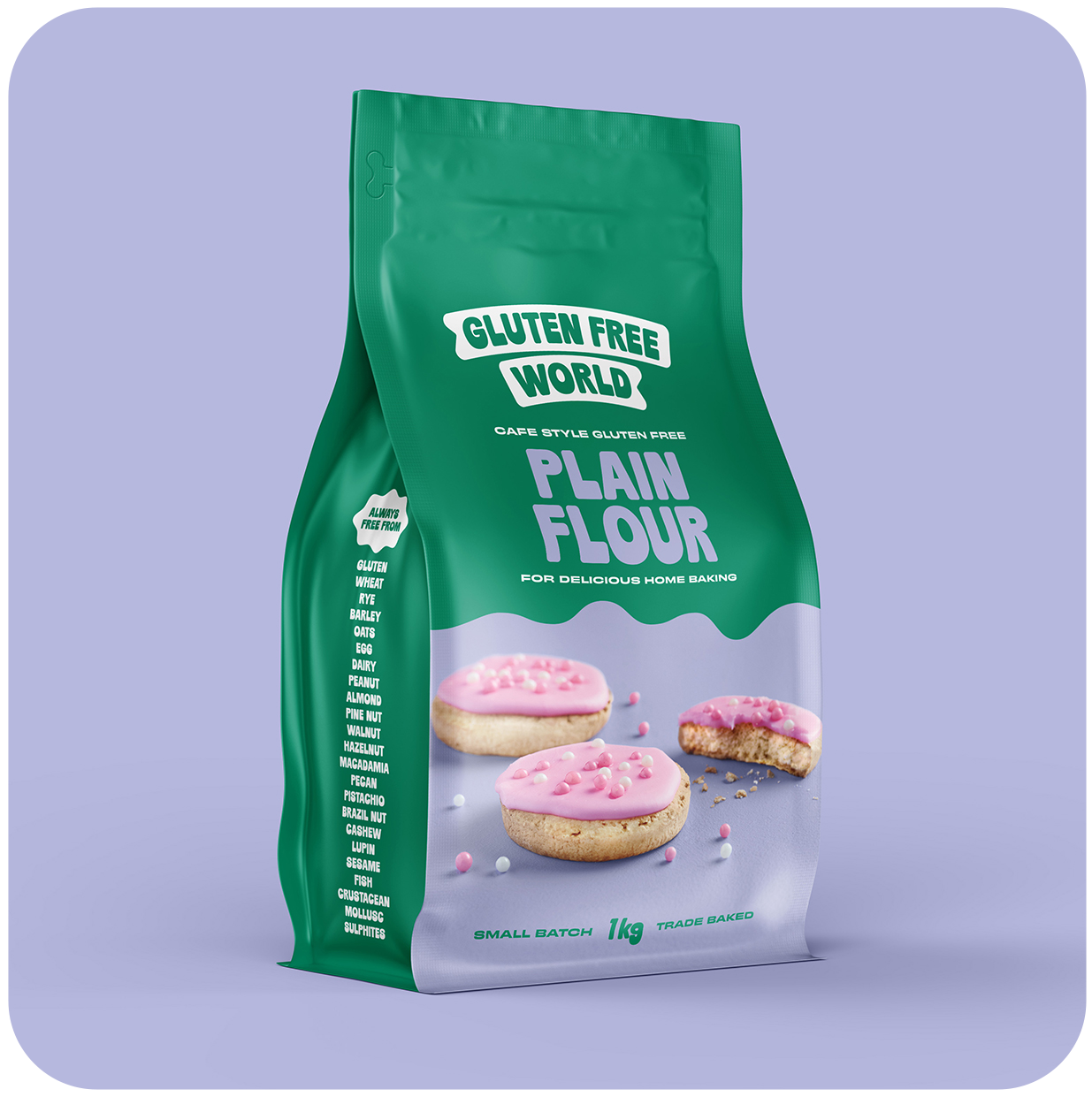
Plain Flour – ideal for cakes, biscuits, muffins, brownies, sauces, and general baking
-
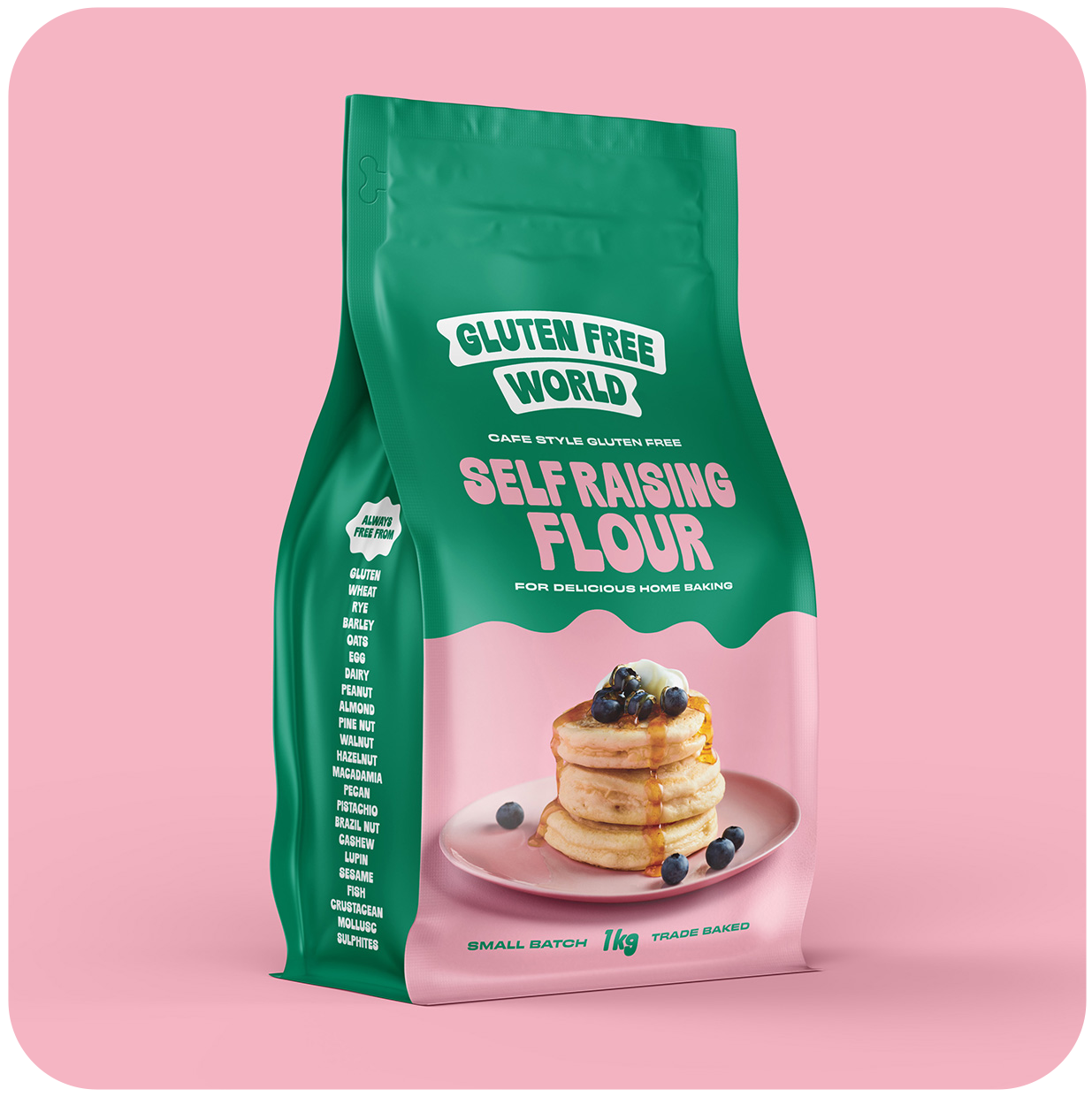
Self-Raising Flour – perfect for cakes and quick breads that require built-in leavening
-
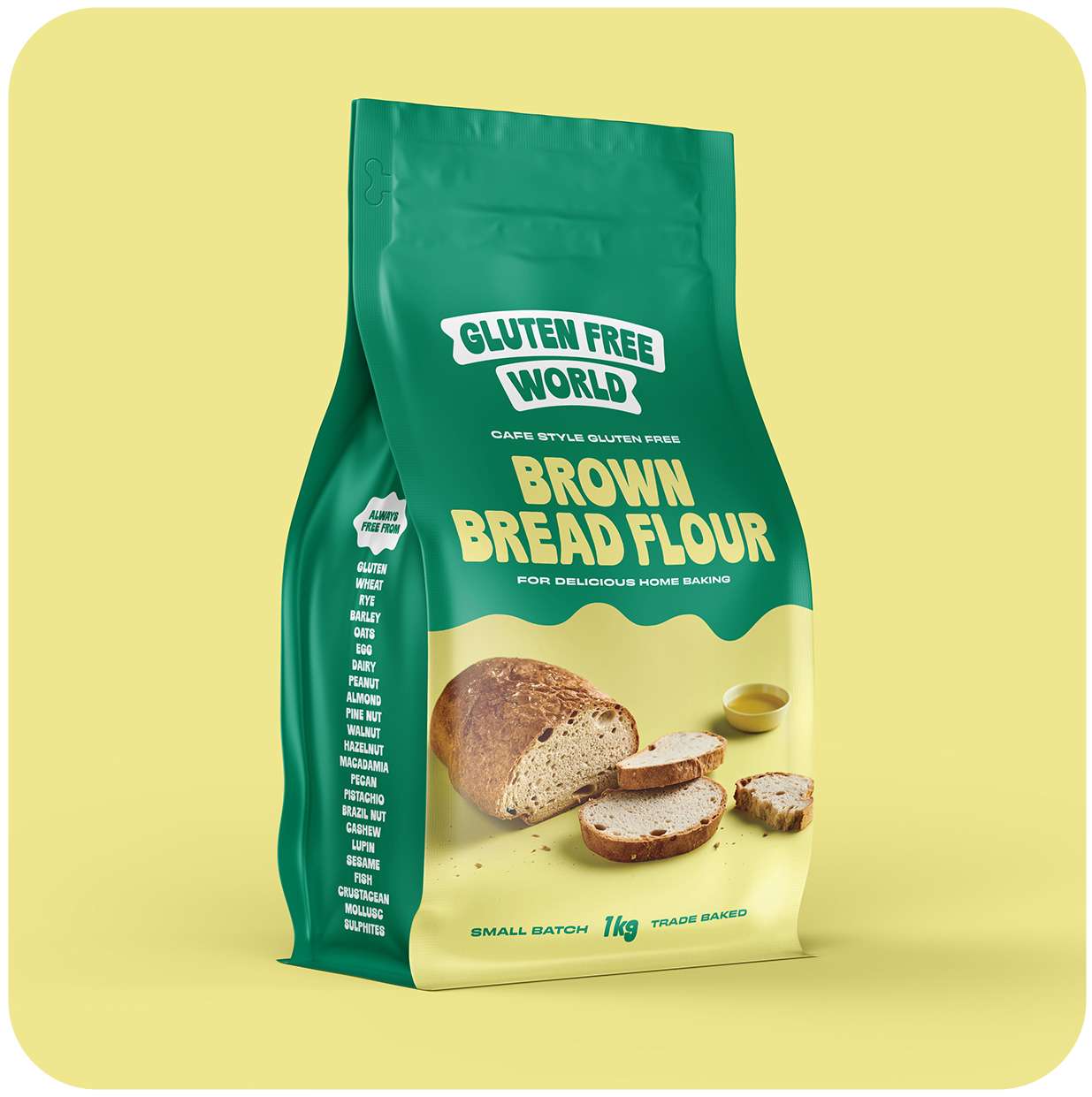
Traditional Bread Flour – designed for yeast breads and sandwich loaves
-
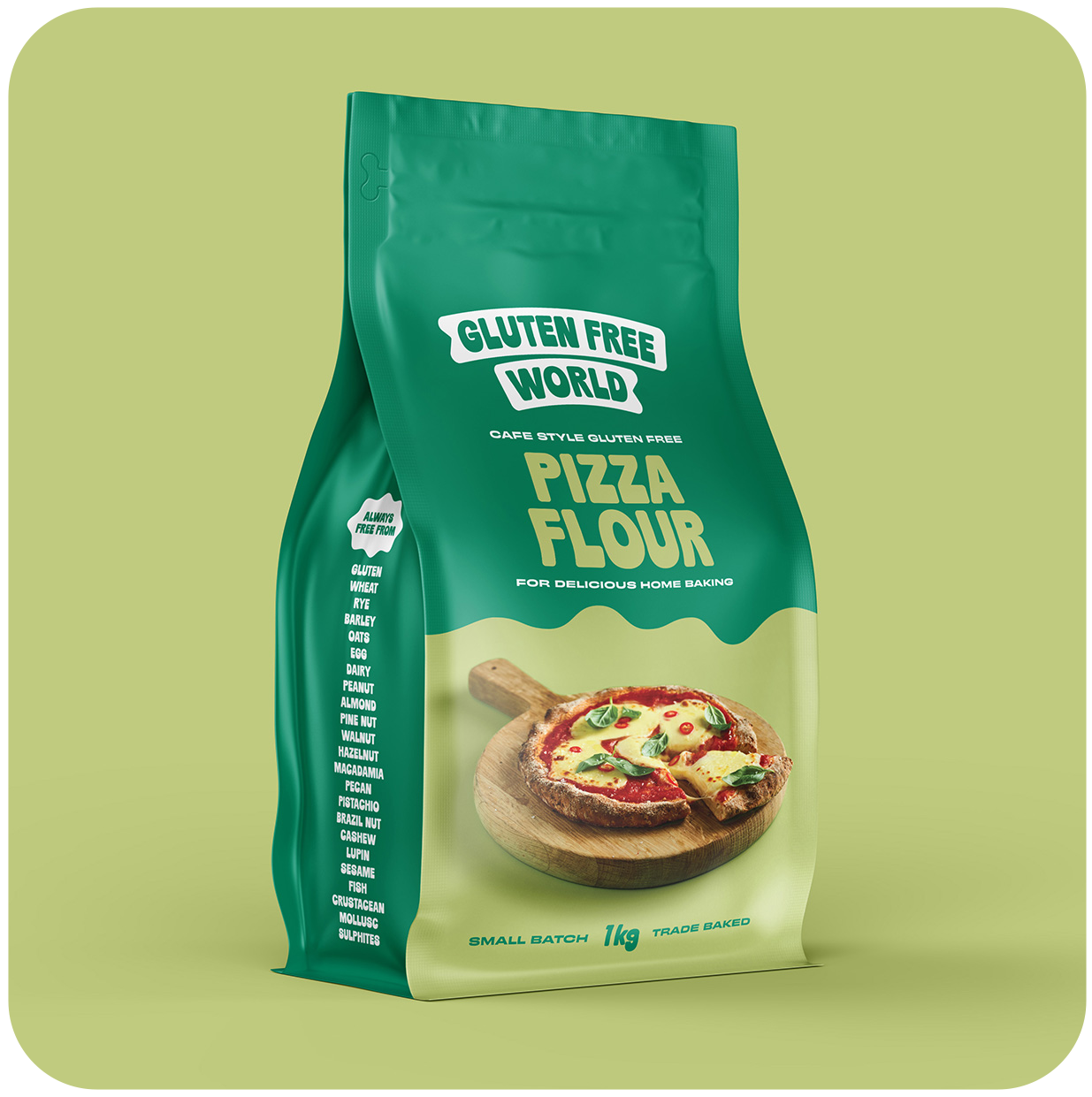
Pizza Flour – formulated specifically for gluten-free pizza bases
Using the correct flour type removes much of the guesswork and helps prevent dry, crumbly, or dense results.
If you are not yet using Gluten Free World flour, choose a gluten-free flour designed to replace wheat flour directly and check whether it includes structure-supporting ingredients such as xanthan gum.
Essential Gluten-Free Baking Principles
Keep these fundamentals in mind when converting recipes:
-
Use the correct gluten-free flour for the recipe type
-
Measure by weight where possible for accuracy
-
Let batters rest for 10–15 minutes to allow full hydration
-
Avoid overbaking, as gluten-free baked goods dry out faster
-
Do not expect gluten-free dough to behave exactly like wheat dough
Hydration and structure are everything in gluten-free baking.
Converting Specific Recipes to Gluten-Free
Here is how these principles apply to common gluten-free baking recipes and everyday gluten-free recipes.
Birthday Cake
A celebration cake should be soft and light, not heavy or crumbly.
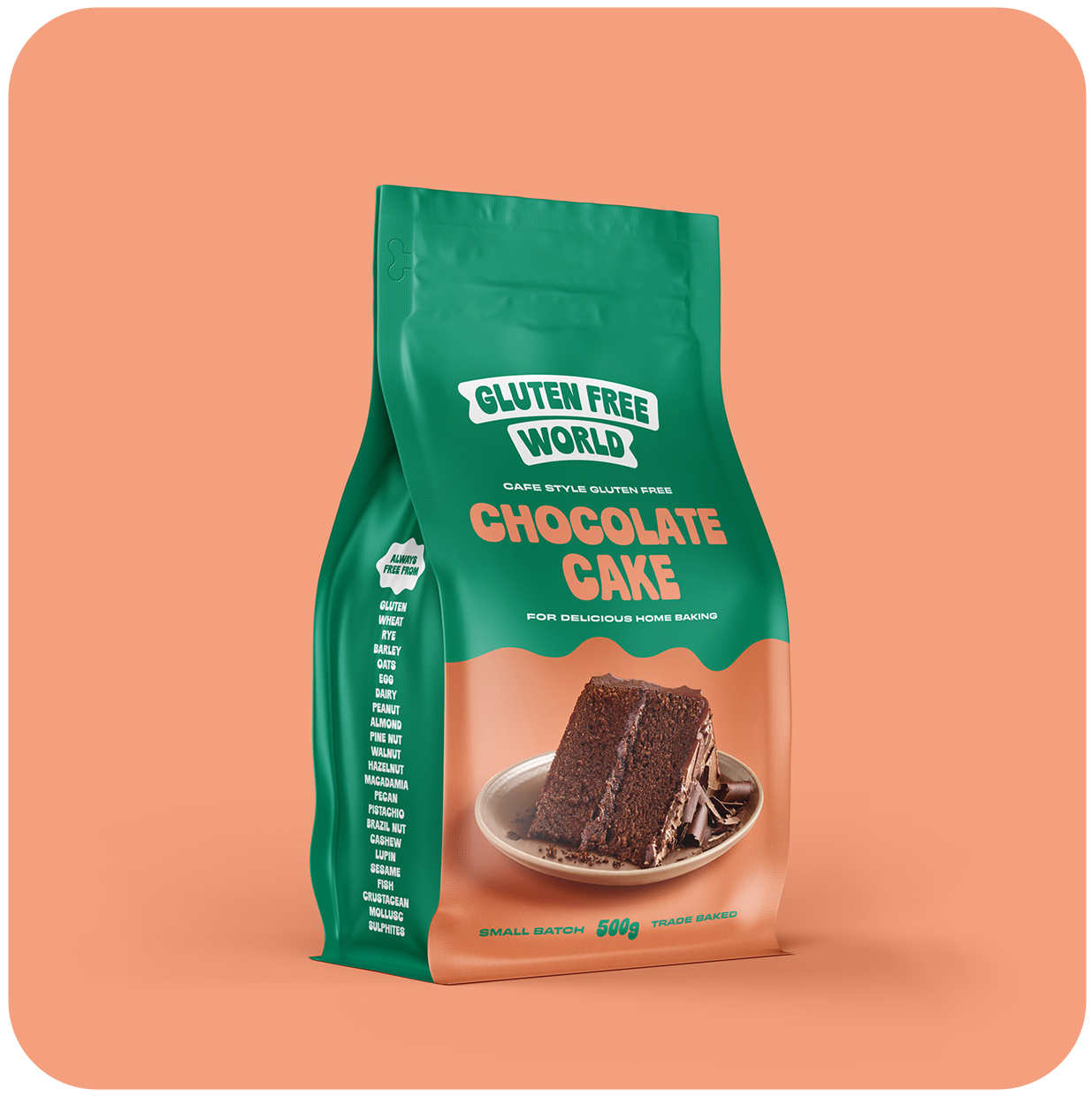
Best option: For the most reliable results, use a gluten-free cake mix specially developed to deliver consistent texture, structure, and moisture without trial and error.
When baking from scratch, you can use gluten-free self-raising flour, or opt for plain flour and add the appropriate amount of baking powder.
Conversion tips:
-
Replace wheat flour 1:1 with the appropriate gluten-free flour
-
Rest batter for 10–15 minutes before baking
-
If batter feels thick, add 1–2 tablespoons extra milk or oil
-
Take the cake out when the centre is just firm
If you are using another gluten free flour substitute, ensure it is suitable for cakes and provides adequate structural support.
Avoid substituting coconut flour or almond flour into standard cake recipes. These require entirely different formulations and cannot be used directly to replace wheat flour.
Cookies and Biscuits
Cookies are usually simple to convert, but texture matters. No one wants crumbly cookies.
Best option: Use gluten-free plain flour.
Conversion tips:
-
Replace wheat flour directly
-
Chill the dough for at least 30 minutes
-
Bake until just set
-
Allow cookies to cool fully before moving
If cookies feel sandy, it may be due to too much starch or overbaking. Using a high-quality gluten-free flour can help reduce this issue.
Certain gluten-free flours, including chickpea, soy, and buckwheat, offer a richer, nuttier taste. In contrast, white rice flour and sweet white rice flour tend to produce a lighter, more neutral flavour.
Muffins and Banana Bread
Quick breads are some of the easiest gluten-free baking recipes to adapt.
Best option: Use gluten-free self-raising flour.
Conversion tips:
-
Replace wheat flour 1:1
-
Mix gently
-
Rest batter before baking
-
Avoid overbaking
Resting allows moisture to be absorbed into the flour, preventing a gritty texture.
Brownies
Brownies rely less on gluten, so they are among the easiest gluten-free recipes to convert.
Best option: Use gluten-free plain flour.
Conversion tips:
-
Replace wheat flour 1:1
-
Mix gently
-
Rest batter before baking
-
Avoid overbaking
If experimenting with additional flours, such as teff or amaranth, keep the starch balance in check to avoid a gummy centre.
Pancakes and Waffles
These depend more on eggs and raising agents than gluten.
Best option: Use gluten-free plain flour.
Conversion tips:
-
Replace flour 1:1
-
Rest batter briefly
-
Add a little extra milk if needed
-
Cook over medium heat
Sweet rice flour, commonly referred to as sticky rice flour, is often used to improve tenderness and add a light, delicate flavour.
Pizza Dough
Pizza dough behaves differently without gluten. That is normal.
Best option: Use gluten-free pizza flour, specifically formulated for gluten-free pizza bases. It provides improved structure, balanced hydration, and a crisp crust texture similar to traditional pizza.
Conversion tips:
-
Follow the yeast pizza dough method
-
Expect a wetter dough than wheat dough
-
Do not keep adding extra flour
-
Allow full proofing time
If Pizza Flour is unavailable, Gluten Free World Traditional Bread Flour can be used for yeast-based dough.
If using another gluten-free flour substitute, ensure it supports yeast baking and includes psyllium husk or xanthan gum for structure.
Sandwich Bread and Yeast Breads
Yeast breads rely heavily on gluten for elasticity, so flour choice matters.
Best option: Use gluten-free traditional bread flour.
Conversion tips:
-
Weigh ingredients
-
Expect higher hydration
-
Allow proper proofing
-
Do not overbake
Gluten-free bread will feel softer before baking. That is normal.
Lasagne and Savoury Dishes
Gluten appears beyond baked goods.
For pasta: Use certified gluten-free lasagne sheets and check labels carefully.
For sauces: Use gluten-free plain flour in place of wheat flour
Alternatively:
-
Corn starch or corn flour (use about half the amount)
-
Mix the starch with the cold liquid before heating
Avoid excessive starch, which can create a gluey texture.
Discover Our Full Gluten Free Product Range
Shop with confidence. See full product info, certifications, and the best Gluten Free Flours for your next bake.
Common Gluten-Free Conversion Mistakes
When adapting recipes, avoid:
-
Substituting coconut flour or almond flour 1:1
-
Adding excessive starch
-
Measuring only by cups instead of weight
-
Skipping rest time
-
Overbaking
-
Forgetting to check for certified gluten-free labelling
Gluten-free baking requires small adjustments, not complete reinvention.

Choosing the Right Gluten-Free Flour Substitute
Not all gluten-free flour performs the same way. The type you choose directly affects texture, structure, and moisture.
High-quality gluten-free flour is carefully formulated to replace wheat flour by balancing structure and softness. Most contain rice flour for structure and starches such as potato or tapioca for tenderness.
Grain-free options like coconut and almond flour absorb moisture differently and require recipes designed around their unique properties. They do not work as simple replacements for wheat flour.
If you want consistent results without trial and error, choosing the correct Gluten Free World flour for your recipe type simplifies the process and improves reliability.
Final Thoughts
Most recipes can be converted successfully with a few thoughtful adjustments.
Start with the correct Gluten Free World flour for your recipe, allow proper hydration, and adjust the liquid slightly if needed. Small timing changes can prevent dryness and dramatically improve texture.
Baking gluten-free does not need to feel complicated. With the right gluten-free flour substitute and a clear understanding of structure and hydration, your favourite recipes can remain soft, structured, and enjoyable.
Happy baking.
Frequently Asked Questions
Can I substitute gluten-free flour 1:1 for wheat flour?
Yes, when using the correct gluten-free flour designed to replace wheat flour. Some recipes may require slight adjustments to the liquid or a resting time.
Why are my gluten-free baked goods crumbly?
A crumbly texture usually indicates insufficient structure or moisture. Check whether your flour includes xanthan gum and avoid overbaking.
Do I always need xanthan gum?
Not always. Some gluten free flour products already include structure-supporting ingredients. Check the packaging.
What's the difference between plain, self-raising, and bread flour?
Plain flour suits most baking. Self-raising flour includes leavening for cakes and muffins. Bread flour is formulated for yeast breads and improved structure.
Why is gluten-free bread harder to convert?
Yeast breads rely heavily on gluten for elasticity. Gluten-free versions require higher hydration and proper structure support.
Can coconut flour or almond flour replace wheat flour in a recipe?
No. These flours absorb much more liquid and require recipes written specifically for them.
