Professional-Grade Gluten Free Flours | Vegan & Allergy Friendly | Australia-Wide Delivery


· By R2R Team
The “Snap-Crack” Wrap Disaster: How to Make Pliable Gluten-Free Tortillas That Actually Fold
You've been there. You have neatly put together a wrap with chicken, lettuce, and avocado, and when you fold it, the tortilla tears in the middle like dry bark. The stuffing spreads all around. The tortilla goes in the bin.
It is the “snap-crack” disaster that afflicts most of the home cooks who do not work with gluten. And it's not your fault. The majority of gluten free tortillas available in the market, as well as most homemade recipes, are designed to appear on a shelf rather than to fold under pressure.
This blog provides clear insights. You will find out the very reason gluten free wraps crack, what ingredients keep them together, and how to make your own soft gluten free tortillas out of thin air and have them hold together with every bite. All using flour from Gluten Free World, a brand that was created with the sole purpose of being a solution to issues such as this one.
Why Do Gluten-Free Tortillas Always Crack?
Understanding the failure is the first step to fixing it. The traditional wheat tortillas are soft due to gluten, a network of stretchy proteins that retain moisture within and enable the dough to bend without tearing. Eliminate gluten, and the backbone of the structure is gone.
The most common gluten free tortilla recipes have the following issues:
The Moisture Gap
Gluten free bread flour substitutes, especially rice and maize flour, are extremely absorbent. When the dough is not moistened properly during the mixing process, the flour will absorb the moisture in the cooked tortilla too fast, resulting in a dry and brittle tortilla. The outcome: a tortilla snapping like a biscuit. It is among the top reasons why even the best gluten free tortillas made at home fall short.
The Cooling Crisis
A tortilla that has been well moistened may turn hard in a few minutes out of the pan. In the absence of gluten to hold structure, the starches in GF flour stiffen quickly as they cool. When you do not place your gluten free wraps in a steam-filled place immediately after cooking, they become set in a stiff position before you can even think about folding.
Ingredient Imbalance
Most commonly culpable are single-flour recipes. With just rice flour or just tapioca, it will never turn out grainy or stiff. Soft gluten free tortillas require a well-balanced combination of various starches, as well as a binding substance that imitates the elastic properties of gluten. This cannot be achieved by the single ingredient gluten free bread flour alone.
The Solution: The Gluten Free World Secret to Pliability

The fix isn't complicated, but it does require the right foundation.
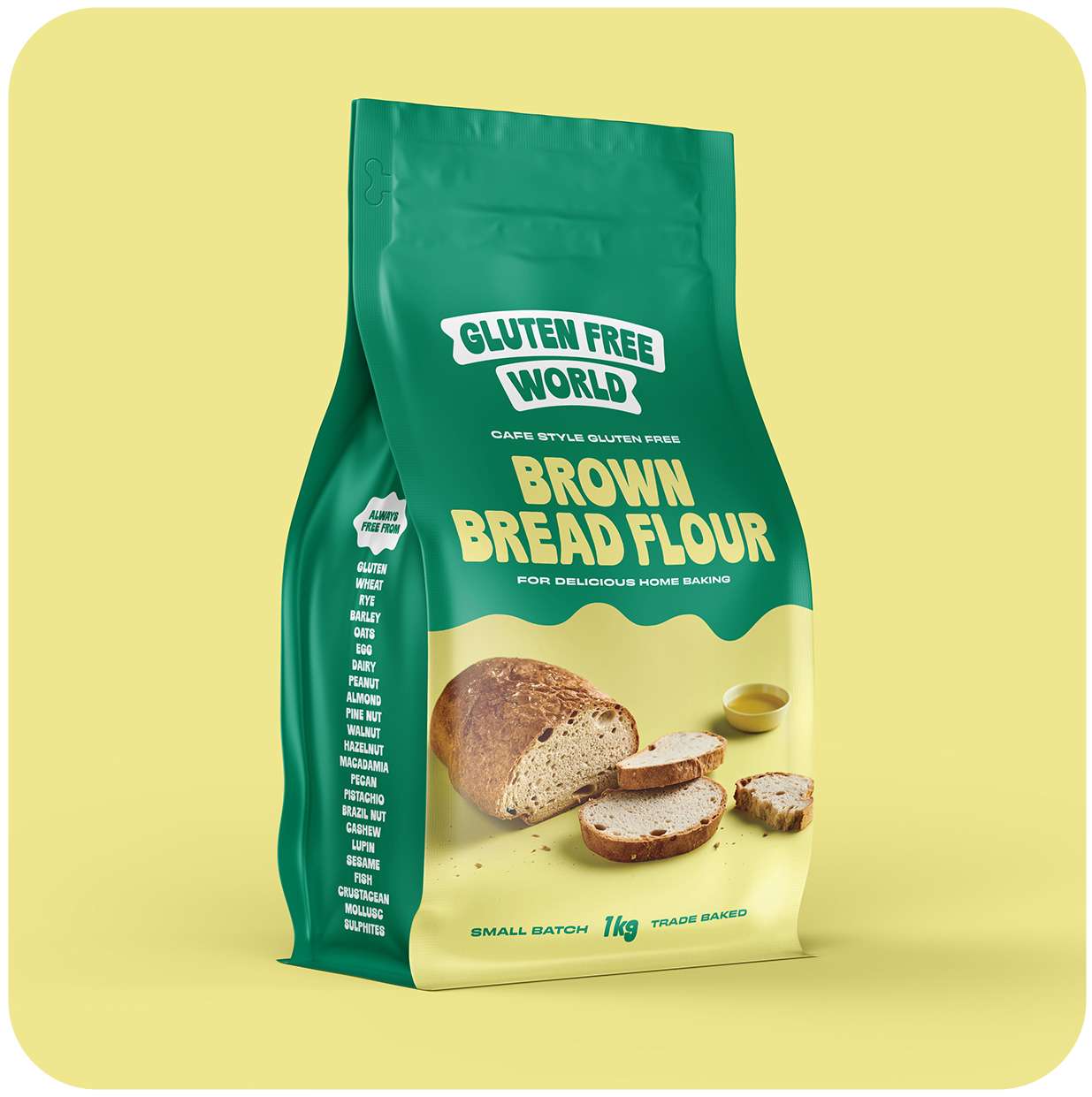
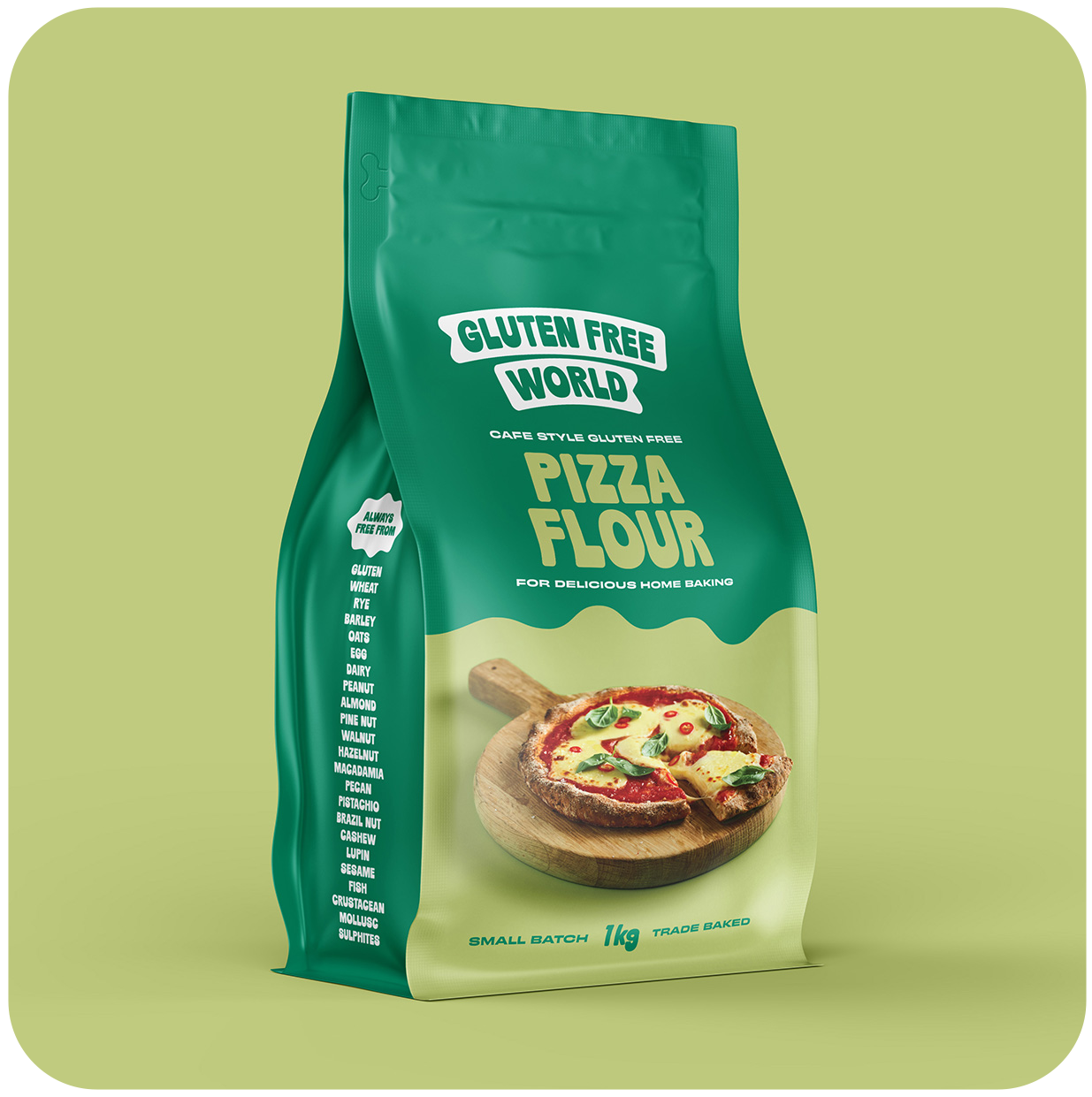
The traditional bread flour of Gluten Free World is specially designed to overcome all the above failure structures. The combination contains psyllium husk, a soluble fibre that acts as a natural binder. Psyllium absorbs water and creates a gel-like structure in the dough. This matrix is the “memory” of the tortilla, and it enables the tortilla to stretch and fold without rupturing.
This is the component that makes the difference between soft gluten free tortillas and crackers. Psyllium not only binds, but it also retains moisture during cooking and even in the cooling process, so gluten free wraps are pliable much longer than traditional GF blends.
Our gluten free bread flour balances maize starch and rice flour in ratios that do not add any grittiness but maintain the structure. You don’t need to source five separate flours and guess at ratios. The blend is already calibrated. That is the convenience of having a product that is developed, based from the ground up, to create the best gluten free tortillas that you can make.
Recipe: Soft & Vegan Gluten-Free Flour Tortillas
Adapted from the Gluten Free World professional kitchen.
Ingredients
-
500gm warm water
-
50gm oil (try canola oil as olive oil will be too strong)
-
1 teaspoon salt
Method (The Professional Approach)
-
Place all the ingredients into the bowl of a stand mixer. Using the dough hook, mix into a smooth dough for 5 minutes. Then turn onto a floured board.
-
Cut 10-12 balls and set aside under a damp towel.
-
Place a ball between 2 pieces of baking paper, use a little flour if the dough starts to stick and roll out as thin as you can. The thinner the better!
-
Cook in a non-stick heavy based pan 1-2 mins each side until golden. Use a low to med heat.
-
Keep warm under a tea towel using damp paper towel between each tortilla this will keep them soft and flexible otherwise they are quite crispy when off the griddle.
Discover Our Full Gluten Free Product Range
Shop with confidence. See full product info, certifications, and the best Gluten Free Flours for your next bake.
3 Pro-Tips to Keep Your Wraps Pliable
Getting the cook right is only half the job. What you do immediately after the tortilla leaves the pan determines whether it stays flexible.
The Steam Chamber
Put the cooked tortillas in a cloth-lined tortilla warmer, or bundle them in a clean tea towel. The heat that is retained forms a mini steam environment. This makes the sides tender, keeps the inside of the tortilla moist and gives your gluten free wraps the ability to stay folded for hours. Do not pile them uncovered on a plate; they will harden and become stiff in a few minutes.
Reheat with Moisture
When using leftover gluten free tortillas, microwave each one under a damp paper towel for 10–15 seconds before use. This reintroduces moisture to the surface again and brings back the elasticity that makes soft gluten free tortillas useful at all. The problem will be exacerbated by a dry reheat, be it in a microwave or in the oven.
Thin is In
The thinner the tortilla, the more flexible it will be. A thick tortilla creates a problem during cooking: the outside cooks and dries before the centre has had time to fully cook through. The undercooked centre then sets firm as it cools, producing a stiff, uneven wrap. If your tortillas are consistently too stiff, roll them thinner before adjusting anything else.
Why Choose Gluten Free World

Gluten Free World is not a general health food brand that happens to offer a few GF products. Our whole line is designed to suit those who cook and bake gluten-free daily and who want the results to be as good in texture and structure as in traditional baking and in flavour too.
One such philosophy is the traditional bread flour that this recipe uses. Our gluten free bread flour includes maize starch, rice flour, soy isolate and psyllium that result in a neutral taste, superior binding qualities and a consistent, easy-to-work dough each time. The psyllium in the mixture is the one that gives this tortilla its gel-like consistency, which absorbs moisture and water during cooking and cooling.
The ratios are calibrated, so you don't have to buy several different types of flour or estimate proportions. It performs consistently, and that's the key to its being the perfect foundation for the best gluten free tortillas you can make at home.
To anyone who is just sick of spending money on what is advertised as the best gluten free tortillas on the market and then finding a product that snaps anyway, the answer is to learn how to make soft gluten free tortillas at home with a reliable gluten free bread flour to be more reliable long-term. And we make it much more predictable.
Conclusion
Gluten free wraps don't have to snap. The issue of cracking can be solved, as well as the matter of moisture control, ingredient quality, and methodology.
Use our traditional bread flour for the psyllium-backed structure that turns ordinary gluten free tortillas into ones that actually perform. Hydrate properly, mix fully, and rest the dough. Roll thin, cook fast, and steam the pan. You will have the best gluten free tortillas you have ever made at home: soft and gluten free tortillas that can be folded; your fillings can be held in them and bend just enough to be able to eat.
Visit our website or contact us to source the flour and explore the full range of gluten free bread flour blends designed for exactly this kind of result.
Frequently Asked Questions
Can I make gluten-free tortillas ahead of time without them going stiff?
Yes, if stored appropriately. The worst thing you can do is leave cooked tortillas on a plate. They will get hard in mere minutes with the starches setting as they cool. Rather, stack them right away, between layers of a damp paper towel, and then wrap them in a clean tea towel or store them in a closed container. This will retain moisture for hours and allow flexibility. If you want this without worry, you can use our gluten free bread flour already calibrated for making gluten free tortillas, which can also be made ahead of time without losing their flexibility and moisture.
Why is my dough sticky?
Stickiness means there is sufficient hydration; in fact, that is what you want in gluten free tortilla dough. Do not fall into the temptation of putting in large quantities of dry flour. Rather, dust your rolling surface lightly with tapioca or rice flour and roll on parchment paper to avoid the dough sticking to the surface.
Can I freeze homemade GF tortillas?
Yes. Place gluten free tortillas in a stack with a sheet of parchment paper between them, and wrap up the stack in a freezer-safe bag. To reheat, put them directly on a hot, frozen pan; you do not have to thaw them.
Does heating a tortilla make it more flexible?
Light heat will help restore the softness by rehydrating the moisture that is held within the starch framework of your gluten free bread flour foundation. It also adds a natural flavour to the tortilla. Always heat with a wet cloth, a damp paper towel or steam, but not dry heat.
What are the most common tortilla mistakes?
The most common failures with homemade gluten free tortillas are related to incorrect dough consistency. An excess of water will result in a sticky, inoperable dough. The 30-minute rest and hot water in this recipe are specifically made to target the optimal hydration window. It is always the surest way of making the best gluten free tortillas.
