Professional-Grade Gluten Free Flours | Vegan & Allergy Friendly | Australia-Wide Delivery


· By R2R Team
Is Flour Gluten‑Free? (And How 1:1 Gluten‑Free Swaps Actually Work)
Is flour gluten-free? The simple answer is: it depends on what the flour is made from. Regular wheat flour is not gluten-free, but some flours are made from gluten-free ingredients such as rice, corn, tapioca, potato, buckwheat, sorghum or almonds.
The tricky part is that gluten-free flour does not always act the same way as traditional wheat flour. Gluten gives baked goods stretch, structure and softness, so removing it can change how a recipe rises, holds together and feels when you eat it.
That is why 1:1 gluten-free swaps can work well in some baking recipes but not in all of them. At Gluten Free World, we know the right flour can make a big difference, so it helps to start with the type of flour you are using.
The Short Answer: It Depends on the Type of Flour
Most regular flour is made from wheat, so it is not gluten-free. Flour is only gluten-free when it is made from gluten-free ingredients and kept away from gluten during processing and packing.
The flour you choose makes a big difference. Flours made from wheat, barley, rye or spelt are not gluten-free. Options made from rice, corn, buckwheat, sorghum or almonds may be gluten-free, but the safest step is to read the label before using them.
Even if a flour is made from a gluten-free ingredient, it is still worth checking the label before using it. Gluten can sometimes get into the product during farming, milling, packing or storage, so the label helps you know if it is suitable for gluten-free baking.
Which Types of Flour Contain Gluten?
Flours made from wheat, barley, rye or similar grains contain gluten. These are not suitable for a gluten-free diet unless the product is clearly labelled gluten-free.
Common flours that contain gluten include:
-
Wheat flour – This includes plain flour, bread flour, cake flour, whole wheat flour and regular self-raising flour unless labelled gluten-free.
-
Barley flour – This contains gluten and may appear in some grain based flour products, bread mixes or health food products.
-
Rye flour – This is often used in rye bread, darker loaves and some wholegrain flours, but it is not gluten-free.
-
Spelt flour – Spelt is an older type of wheat, so it still contains gluten.
Quick label tip: Words like ancient grain, organic wheat and stoneground flour can sound healthier, but they do not mean gluten-free. Always check the label before using flour for gluten-free baking, especially for coeliac disease, gluten sensitivity or wheat allergy.
Which Flours Can Be Gluten-Free?
Some flours come from gluten-free ingredients, but that does not always make them safe for a gluten-free diet. If you are baking in Australia for someone with coeliac disease, gluten sensitivity or a wheat allergy, always read the label first.
Common gluten-free flour options include:
-
Rice flour – Often used in cakes, biscuits and gluten-free flour mixes.
-
Cornflour, also called maize starch – Helps add lightness and softness.
-
Tapioca starch – Helps with chew and texture.
-
Potato starch – Helps make baked goods softer and lighter.
-
Buckwheat flour – Good for pancakes and recipes with a stronger flavour.
-
Sorghum flour – Often used in balanced gluten-free flour mixes.
-
Chickpea flour or gram flour – Good for savoury bakes and flatbreads.
-
Almond meal – Adds moisture and richness to cakes and slices.
On their own, these flours can behave very differently. Some are light, some are dense and some can make baked goods dry, crumbly or slightly grainy.
This is where a well-balanced gluten-free flour can make baking easier. Instead of relying on plain rice flour, almond meal or one starch alone, a ready-made gluten-free flour is designed to bring different ingredients together for better texture, structure and consistency.
For beginners, this can be a much easier starting point than trying to build a gluten-free flour mix from scratch.
Why Gluten-Free Flour Works Differently
Gluten is what gives traditional wheat flour its stretch, structure and chew. It helps bread rise, pizza dough stretch and baked goods hold together.
Gluten-free flour does not have that same natural support, so the recipe needs help in other ways. A good gluten-free flour mix often uses:
-
Starches for softness
-
Protein-rich flours for body
-
Binders for structure
-
The right amount of liquid for moisture
-
The right flour type for the bake
This is why gluten-free baking can feel different at first. It gets easier once you understand what the flour needs to do. Cakes, breads, pizza bases and biscuits all need different kinds of support, so choosing the right gluten-free flour makes a big difference.
Discover Our Full Gluten Free Product Range
Shop with confidence. See full product info, certifications, and the best Gluten Free Flours for your next bake.
Can You Swap Gluten-Free Flour 1:1 for Regular Flour?
Yes, sometimes. A 1:1 swap means using the same measured amount of gluten-free flour as regular flour in a recipe.
This can work well in many everyday baking recipes, especially when the gluten-free flour is made for 1:1 use. It is different from swapping wheat flour with one single flour, such as rice flour, oat flour, almond meal or coconut flour. These gluten-free flours can be useful, but they do not all behave like plain flour on their own.
A good 1:1 gluten-free flour needs balance. It may use starches, gluten-free flours and binders to help with texture, moisture and structure, so baked goods do not turn out too dry, crumbly, sticky or heavy.
It is also important to know that not every gluten-free flour is a 1:1 flour. Some are better for cakes and banana bread, while others are made for bread, pizza bases or recipes that need more structure.

When 1:1 Gluten-Free Swaps Work Best
A 1:1 gluten-free swap usually works best in recipes where gluten is not doing most of the structure work. These are often softer bakes or simple recipes that rely more on eggs, fat, sugar, liquid or baking powder.
Good examples include:
-
Cakes
-
Cupcakes
-
Muffins
-
Slices
-
Brownies
-
Pancakes
-
Biscuits
-
Simple sauces
-
Coatings
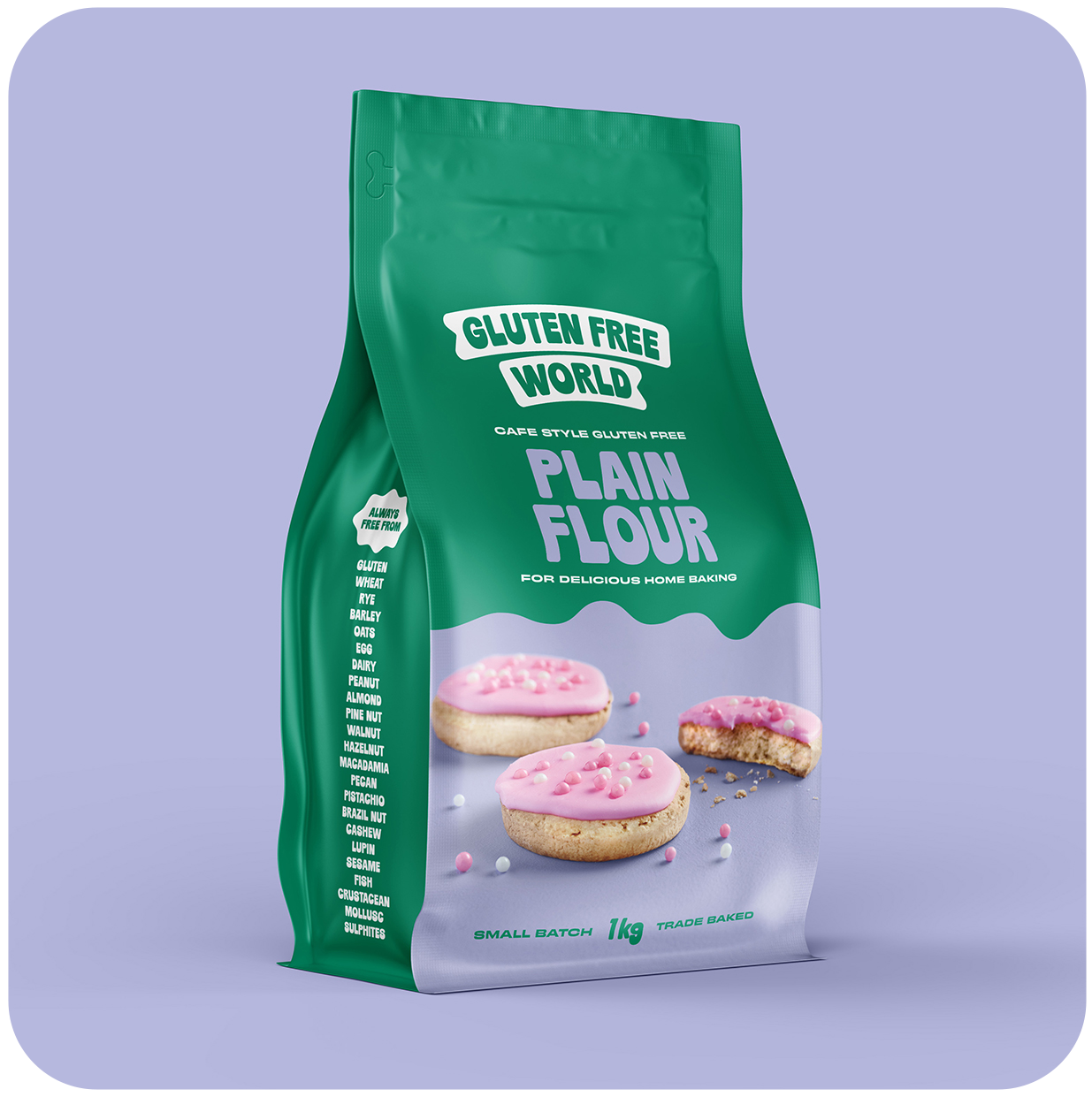
For these everyday bakes, gluten-free plain flour is often a helpful starting point. Gluten-free plain flour can be used for many general recipes where you want a simple gluten-free option for cakes, biscuits, slices, sauces and coatings.
When a 1:1 Swap May Not Work
A 1:1 gluten-free swap may not work as well in recipes that need stretch, chew or strong structure. This is common in bakes where the dough needs to be shaped, kneaded or handled more like traditional wheat dough.
Recipes that may need more support include:
-
Yeast bread
-
Pizza dough
-
Sourdough-style loaves
-
Pastry
-
Recipes that rely on kneading or strong dough development
For these bakes, gluten-free plain flour may not give the best result. Bread and pizza usually need more support, so it helps to choose a gluten-free flour made for that style of baking.
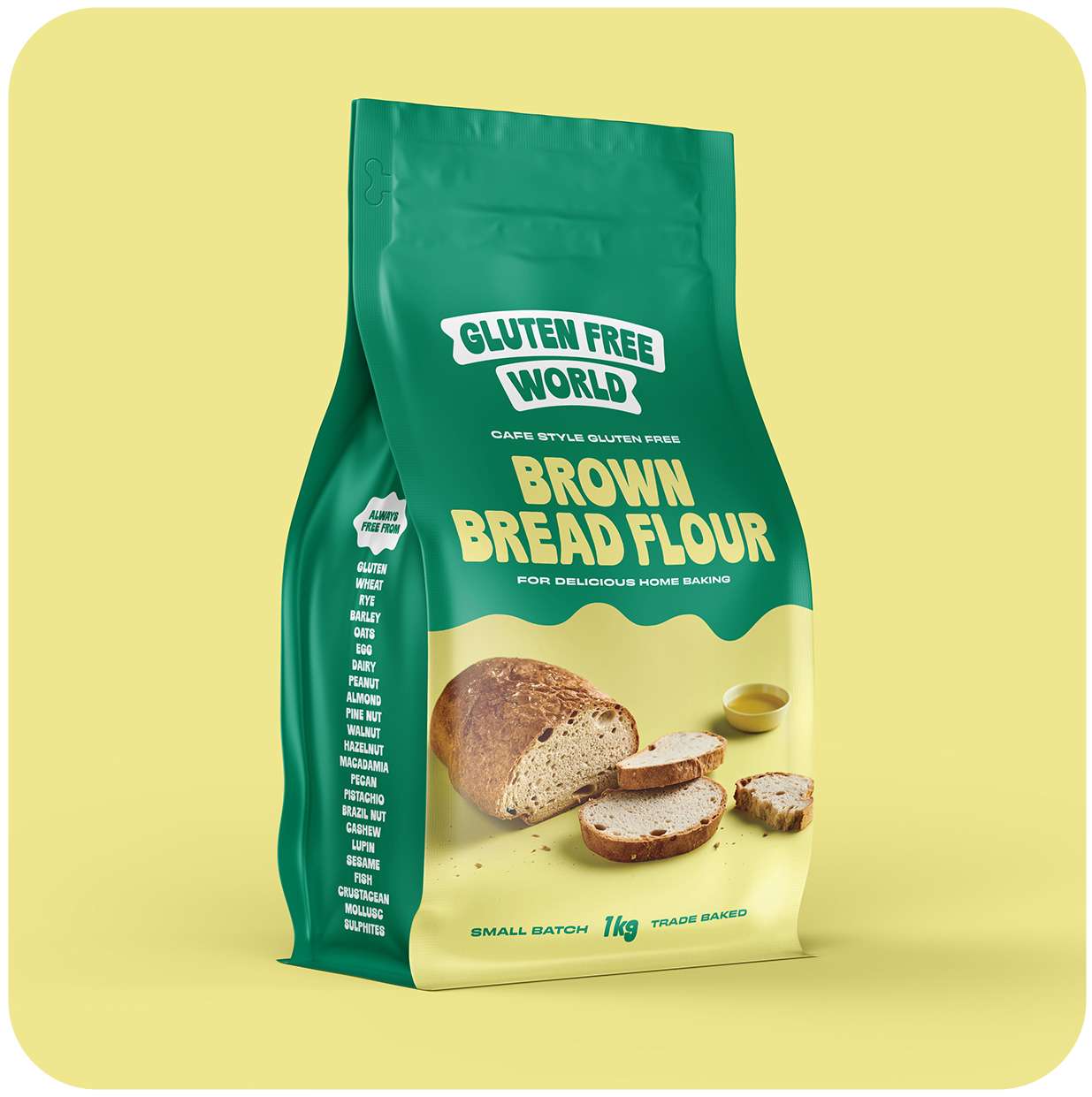
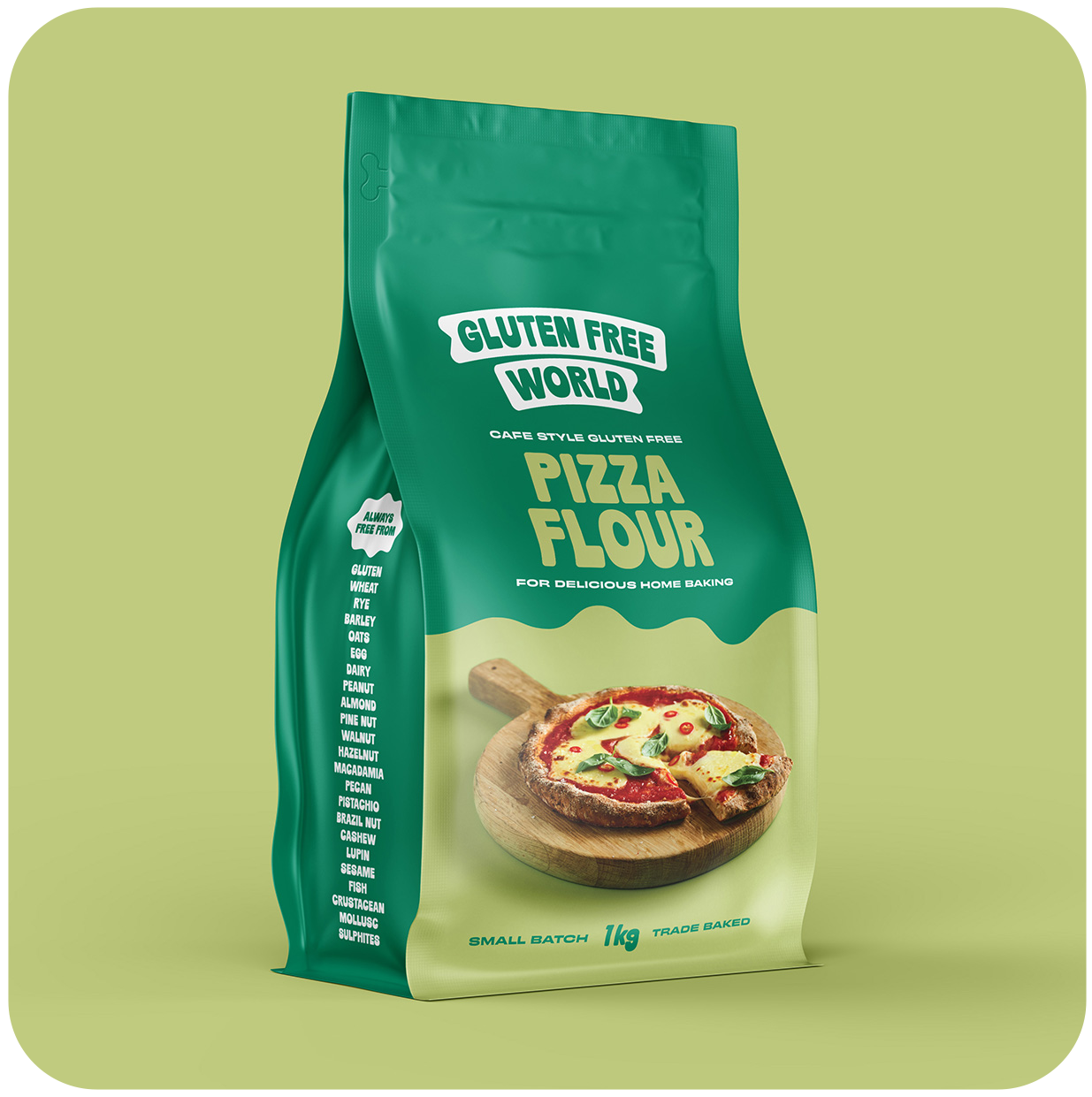
Gluten-free traditional bread flour or brown bread flour is better suited to loaves and bread-style recipes. For pizza bases, gluten-free pizza flour is usually a more practical choice because it gives the dough better support for shaping and baking.

How to Choose the Right Gluten-Free Flour for Your Recipe
The best gluten-free flour depends on what you are baking. A flour that works well for cakes may not give the same result in bread or pizza dough, so matching the flour to the recipe is the easiest way to get a better bake.
At Gluten Free World, we like to keep gluten-free baking simple. Use this as a guide:
-
Gluten-free plain flour for everyday baking, sauces, biscuits and slices
-
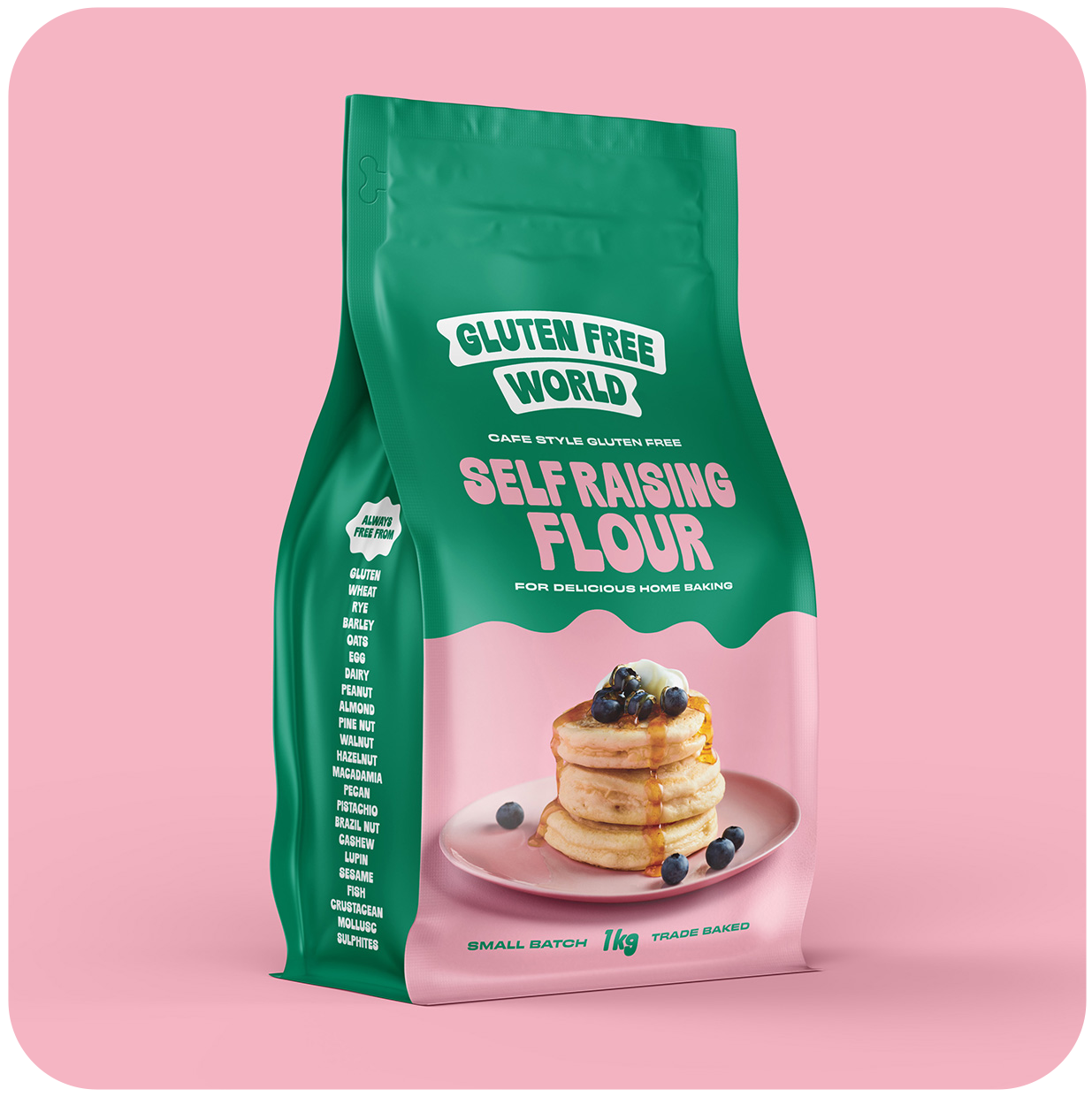
Gluten-free self-raising flour for quick bakes, scones and no-yeast recipes
-
Gluten-free traditional bread flour or brown bread flour for loaves and bread-style bakes
-
Gluten-free pizza flour for pizza bases
-
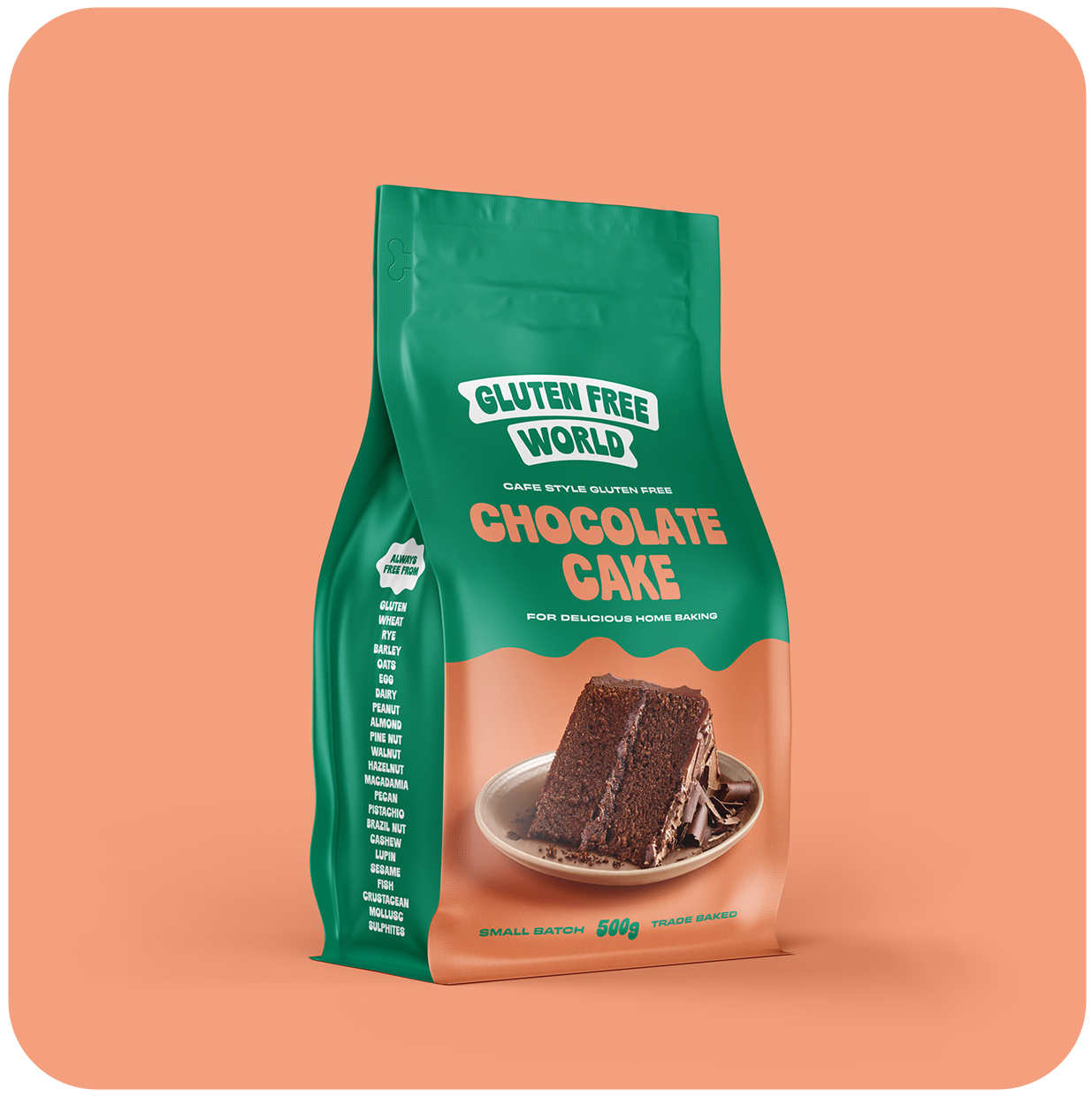
Gluten-free vanilla cake mix or chocolate cake mix for simple cake baking
If you are new to gluten-free baking, starting with the right flour can save a lot of trial and error. Our gluten-free flour range is a helpful place to start, with options for cakes, bread, pizza and everyday baking.
Simple Tips for Better Gluten-Free Baking
Gluten-free baking gets easier once you know the basics. Keep these simple tips in mind:
-
Measure carefully: Small changes can affect the final texture, so avoid guessing.
-
Let batter rest when needed: A short rest can help the flour absorb moisture and reduce grittiness.
-
Do not expect wheat dough texture: Gluten-free dough can be softer, stickier or more batter-like.
-
Match the flour to the recipe: Use plain flour for everyday bakes, bread flour for loaves and pizza flour for pizza bases.
-
Check labels carefully: For coeliac baking, choose products clearly labelled gluten-free.
New to gluten-free baking? Once you understand the flour basics, our full guide can help you learn how gluten-free flours and mixes work in real recipes. Read more: Gluten-Free Baking: A Complete Guide to Flours, Mixes & Must-Know Beginner Tips.
Final Thoughts
Regular flour is usually not gluten-free because it is made from wheat. Gluten-free flour can be a safe and useful option when it is made from gluten-free ingredients and handled properly.
A 1:1 gluten-free swap can work well for many everyday bakes, especially cakes, muffins, slices, pancakes and biscuits. But it may not be the best choice for recipes that need more stretch, chew or structure, such as bread and pizza dough.
For better results, choose the flour that matches what you are baking. At Gluten Free World, we make it easier to find the right gluten-free flour for everyday baking, bread, pizza and cakes, without needing to mix your own flour from scratch.
Frequently Asked Questions
Is there a gluten-free plain flour?
Yes, gluten-free plain flour is available and is made without wheat flour. It is a handy choice for cakes, biscuits, slices, sauces and everyday gluten-free baking. Choose one clearly labelled gluten-free, especially for coeliac disease or gluten sensitivity.
Is self-raising flour gluten-free?
Regular self-raising flour is usually not gluten-free because it is often made from wheat flour with baking powder added. Gluten-free self-raising flour is made with gluten-free flour and raising agents. Always check the food labels before baking.
Is it possible to swap regular flour for gluten-free flour?
Yes, but it depends on the recipe. A 1:1 gluten-free flour can work well for simple cakes, muffins, pancakes and biscuits. Bread, pizza dough and pie crust often need a more specific gluten-free flour, such as bread flour or pizza flour, for better structure.
What is 1:1 gluten-free flour?
1:1 gluten-free flour is made so you can use the same measured amount as regular wheat flour in many recipes. It works best in everyday bakes like cakes, muffins, pancakes and biscuits, but may not suit bread or pizza dough.
Why did my gluten-free bake turn out dry?
Gluten-free baking can turn dry when there is too much flour, not enough liquid or the bake stays in the oven too long. Some gluten-free flours absorb more moisture than wheat flour. Measure carefully, avoid overbaking and match the flour to the recipe.
Is gluten-free flour safe for coeliacs?
Gluten-free flour can be safe for coeliacs when it is clearly labelled gluten-free or certified gluten-free. Naturally gluten-free ingredients can still face cross-contact during milling or packing. Always check labels and choose trusted gluten-free products.
