Professional-Grade Gluten Free Flours | Vegan & Allergy Friendly | Australia-Wide Delivery


· By R2R Team
Is Plain Flour the Same as All-Purpose Flour? Here’s What Every Baker Should Know
You're mid-recipe, following instructions from an American food blog, and it calls for "all-purpose flour." You check your pantry shelf and find plain flour. Are they the same? Will you be able to substitute one for the other and destroy your bake?
The succinct answer: yes. All-purpose and plain flour are practically the same product. The only actual difference is geography; what you call it is a matter of where you are. However, in the case of gluten-free bakers, the narrative becomes a bit more sophisticated, and the difference could determine the success of your recipe.
At Gluten Free World, learning the science of flour jargon would enable home bakers to make wiser decisions, particularly when using gluten-free substitutes. This blog simplifies it all.
Regional Terminology: Who Calls It What?
➣ Australia, UK & NZ
Plain flour, commonly referred to as ordinary or standard, everyday white flour, is available in Australia, the United Kingdom, and New Zealand. It is found on all the supermarket shelves and is the default flour used in most of the local recipes. In an Australian recipe, plain flour refers to a refined, medium-protein wheat flour, devoid of raising agents.
➣ USA & Canada
In America and Canada, it is marketed as all-purpose flour, or more commonly in the United States, as AP flour. The name indicates its versatility: this product can be used on a variety of baked items, such as cookies, muffins, and pie crusts.
➣ The Shared Definition
No matter what it is called, plain flour and all-purpose flour are the same at heart, both being refined wheat flour with a protein level of about 9% to 12%. This mid-range protein level is what makes it so versatile, not too high or too low. To anyone who might wonder whether is plain flour all purpose flour, the answer is a resounding yes: different name, same product. Likewise, when you are looking to find ap flour Australia, plain flour is what you are looking to get; no special import is needed.
The Science: Protein Content & Performance
➣ Why Protein Matters
The gluten development in baking using wheat is directly dependent on the content of protein. The more protein there is, the more gluten there is, and the more gluten there is, the more chew and structure it has. Reduced protein translates to a softer and tender crumb. No gluten whatsoever is present in gluten free all purpose flour, and thus, another source of protein (such as egg white powder or whey) takes up the structural role.
➣ Plain/All-Purpose as the Middle Ground

Plain flour and all-purpose flour sit in the middle of the flour spectrum: between low-protein cake flour and high-protein bread flour. This type of flour is precisely the reason why it is referred to as the “workhorse” flour in most kitchens.
Comparison Table: Flour Types by Protein Content
|
Flour Type |
Protein Content |
Best For |
|
Cake Flour |
6–8% |
Tender sponges, biscuits |
|
Plain / All-Purpose |
9–12% |
Everything (Versatility) |
|
Bread Flour |
12–14% |
Chewy sourdough, yeast breads |
This table is also applicable to the gluten-free world. When shopping at Gluten Free World, products are made to fit these protein ranges; hence, substitutions work without guesswork.
The Gluten-Free Pivot: "Plain" vs. "All-Purpose" in GF Baking

It is here that the all purpose flour vs plain flour discussion becomes a little more significant, particularly to those who must deal with coeliac disease or gluten intolerance.
➣ The Distinction
Plain and all-purpose flour can be used interchangeably in traditional baking. The labelling can have a more profound meaning in the gluten-free world.
-
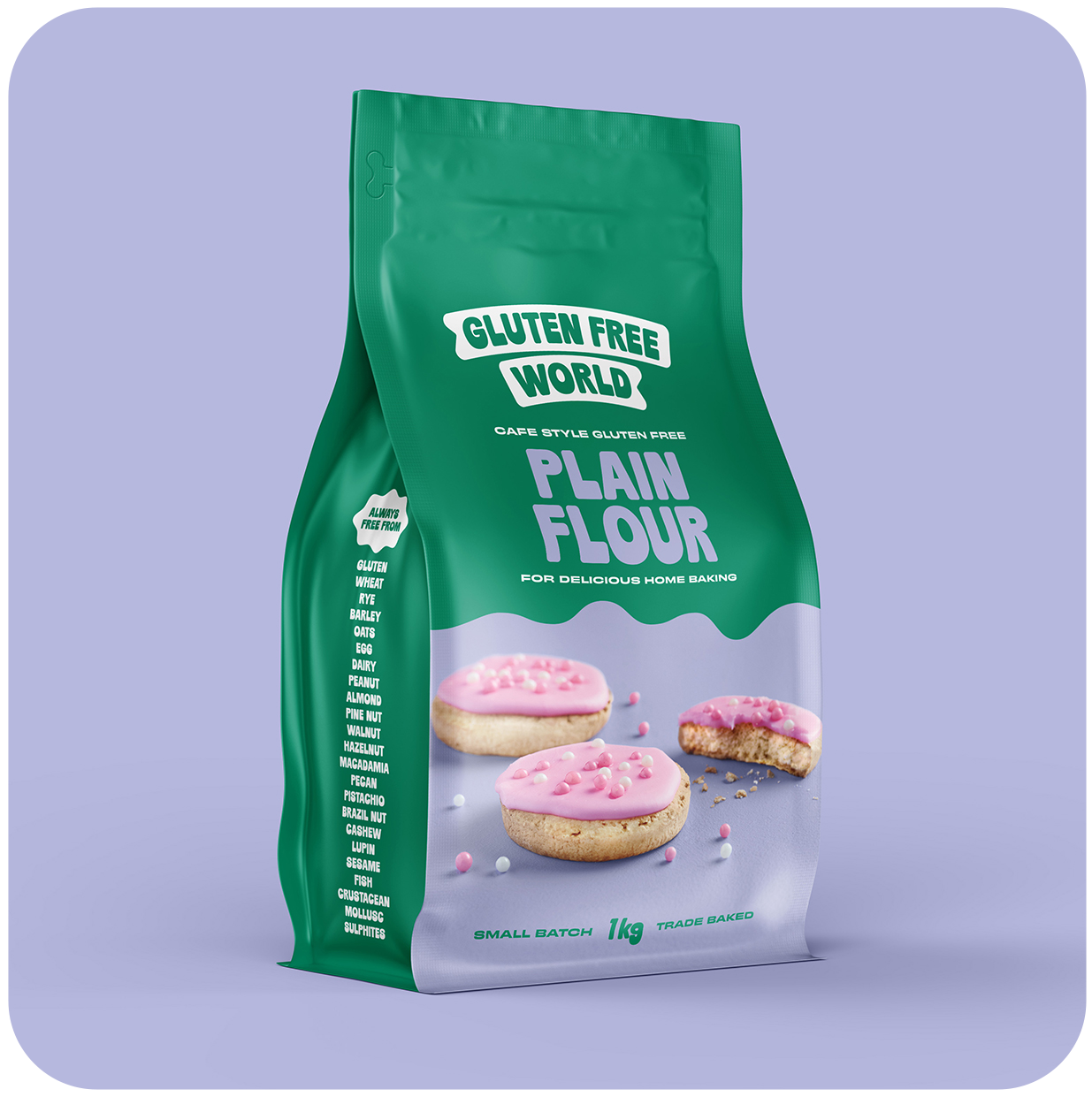
Gluten free plain flour usually means a simple starch and flour mixture that lacks raising agents and binders. It is the foundation, pure and plain.
-
Gluten free all purpose flour blends may contain added binders, such as xanthan gum or guar gum, and may contain a leavening agent.
The all purpose flour vs plain flour difference in gluten-free baking is essential: when you are following a recipe that includes xanthan gum as an ingredient, using a gluten-free mix that already includes xanthan gum will cause over-binding of your bake; instead of creating a light, fluffy texture, it will have the texture of gummy.
➣ The Binder Factor
The most popular binder in gluten-free baking is xanthan gum. It replicates the bounciness and texture that gluten offers in wheat flour. It is contained in some gluten free all purpose flour blends and not in others. It is important to always check the ingredient list of a new product before purchasing or using it. A mix in the absence of xanthan gum provides you with greater control over your recipes; you can add the appropriate amount depending on the baking.
➣ The Gluten Free World Advantage
Gluten Free World develops its flour blends to be as close to a 1:1 substitution of the traditional wheat all-purpose flour as possible. The objective is quite straightforward: gluten-free bakers must not have to make significant changes in traditional recipes. The mixes are created in real kitchens, not only in a lab.
Can You Substitute One for the Other?
➣ Direct Substitution
If you've ever wondered is plain flour all purpose flour while standing in the baking aisle. The answer to this is yes, and that is the reason why it is so very easy to replace one with the other. You can replace plain flour with all-purpose flour and vice versa in 99% of recipes in a 1:1 ratio. Equal weight, equal volume, equal results. There's no conversion needed. This is in the case of cakes, cookies, pastries, pancakes, flatbreads and the majority of quick breads.
➣ The "Self-Raising" Warning
One of the replacements you should never make without altering it is the replacement of plain or all-purpose flour with self-raising flour. Self-raising flour already has baking powder and occasionally salt added to it. When a recipe requires self-raising flour, and you use plain flour, the bake will not rise.
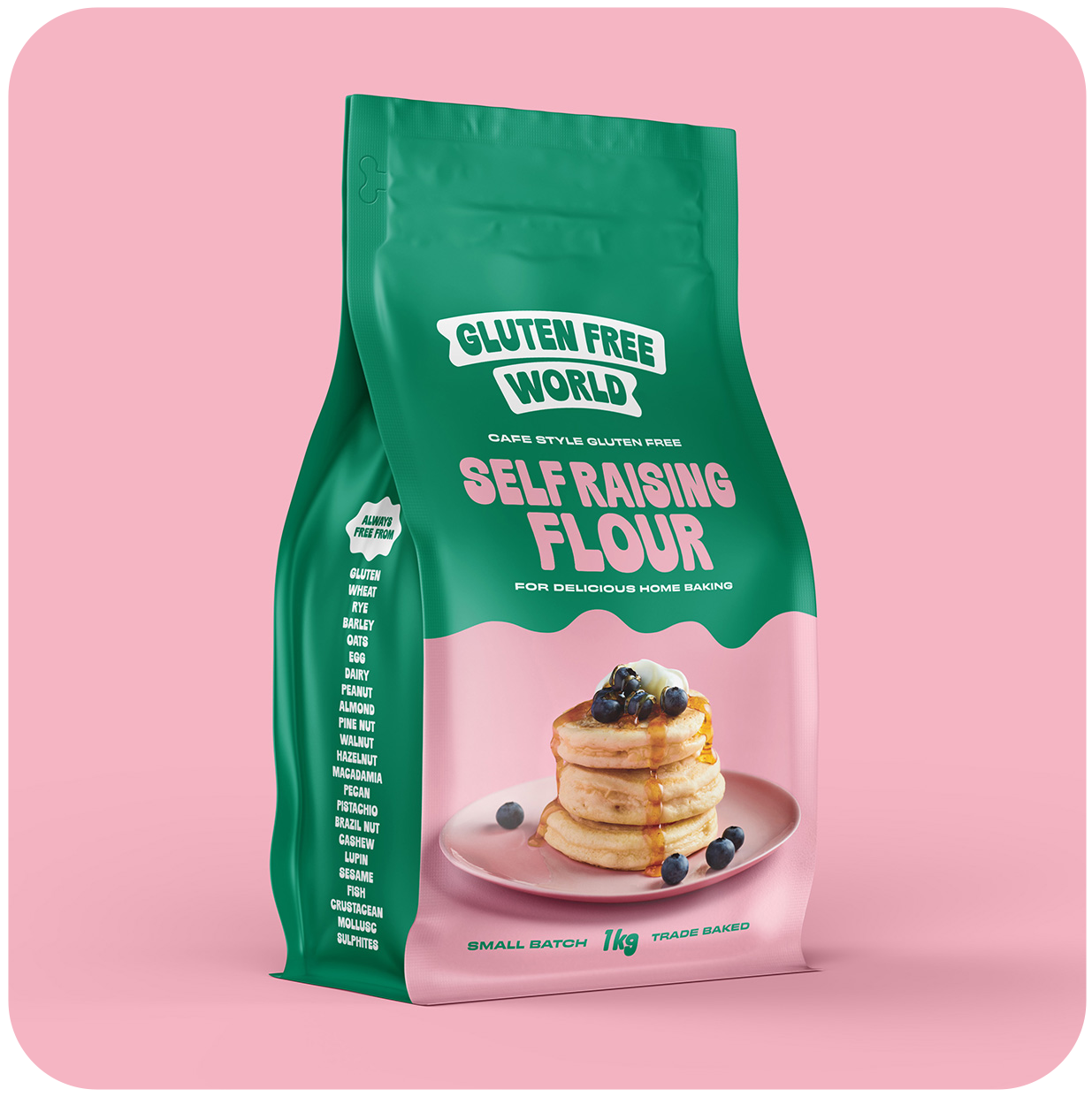
The solution is simple: 1.5 teaspoons of baking powder to every 100g of plain flour (150g) to create the self-raising flour. Note that gluten free self raising flour does not differ in principle; it is just a gluten-free plain flour base with a raising agent added to it. If you're converting a recipe, always check whether your gluten free self raising flour blend already contains a leavening agent before adding more.
➣ Weight vs. Volume
To achieve the same results, particularly important in gluten-free baking, measure by grams, not cups. Gluten-free flours differ widely in density. One cup of one GF blend can weigh 20 to 30 g more or less than the other. When you invest in a kitchen scale, this variable is eliminated, and you can always have reproducible results.
Pro Tips for Using Plain Flour in Gluten-Free Recipes

-
Shifting is Key
Gluten-free flour blends tend to clump more than wheat flour, particularly if they contain starches like tapioca or potato starch. Gluten free plain flour should be sifted before being measured and mixed. This separates clumps, aerates flour, and helps to create a lighter, more even crumb of your final bake.
-
Hydration and Rest Time
One of the most common mistakes in gluten-free baking is under-hydrating the batter or cutting the rest time short. Gluten-free flours, especially those with psyllium husk or flaxseed, require a couple of additional minutes to completely absorb liquids. Once your batter or dough is mixed, you will need to wait 5-10 minutes and then bake. You will find that it hardens a little and is more manageable.
-
Customising the Blend
In case you desire to make use of your gluten free plain flour in a bread recipe that normally calls for bread flour, you can increase the amount of protein in it. The structural protein can be increased by adding 1 to 2 tablespoons of whey protein isolate or egg white powder per cup of flour, but the addition of these ingredients does not affect flavour. This enhances rise and chew in gluten-free yeast-leavened breads, two attributes that are normally extremely challenging to attain in gluten-free baking.
Conclusion
Whether you're asking is plain flour all purpose flour, navigating the all purpose flour vs plain flour debate across cross-border recipes, searching for ap flour Australia, or how to make your own pantry of gluten-free foods, the basics will remain the same: the key is that all purpose flour and plain flour are both the same product. The baking science does not align with the label, which varies by region.
The trick with gluten-free bakers is to know what it contains in your particular blend, whether it is a gluten free all purpose flour and xanthan gum are added, a bare-bones gluten free plain flour without any additives, or a gluten free self raising flour with leavening pre-mixed and used accordingly. Label reading is not a choice, but it is an aspect of gluten-free baking literacy.
Explore the premium range of Gluten-Free Plain Flours and blends on our website and get consistent, reliable results every time.
FAQs
What is the Australian equivalent to all-purpose flour?
In Australia, all-purpose flour is equivalent to plain flour. They are identical products: refined flour with medium protein, but they are sold under different labels. Therefore, when a recipe instructs you to use ap flour Australia, just pick up your plain flour.
Can I use Plain Flour instead of All-Purpose Flour in cookies?
Yes. The outcomes will be the same. Replace in a 1:1 weight ratio.
Does Gluten-Free Plain Flour have xanthan gum?
It depends entirely on the brand and blend. Xanthan gum is added to some gluten free plain flour products, but not to all. It is advisable to always read the ingredient list on the back of the packet before use.
Is plain flour the same as all-purpose flour?
Yes. Is plain flour all purpose flour absolutely? It contains approximately 10-12% protein content, so it can be used in all forms of baking, including cakes and cookies, as well as pastry and flat breads.
How do I substitute plain flour for all-purpose flour?
Use 1 cup of plain flour, substituting all-purpose flour on a 1:1 basis. No adjustment needed. To make gluten-free baking, you will need to replace it with a quality gluten free all purpose flour mixture in the same proportion, and you should look at whether or not your combination already includes binders or raising agents.
