Professional-Grade Gluten Free Flours | Vegan & Allergy Friendly | Australia-Wide Delivery


· By R2R Team
Why Some Gluten-Free Flours Work Better Than Others (Ingredient Breakdown)
Ever wondered why some gluten-free flours work better than others? Some are great for soft cakes. Others are better for bread. Use the wrong one and your baking can turn out dry, heavy or crumbly.
Gluten-free flour is not one simple ingredient. It is usually a mix of different flours, starches and binders, with each one helping with texture, structure or flavour.
In this guide, we will break down why some gluten-free flours work better, what common ingredients are used for and why one flour may not suit every bake. We will also look at how to choose the right gluten-free flour for bread, cakes, pizza and everyday baking, so your favourite recipes have a better chance of turning out well.
To understand why the right flour matters, it helps to start with what makes gluten-free flour different from regular wheat flour.
What Makes Gluten-Free Flour Different From Regular Flour?
Regular wheat flour contains gluten. Gluten gives dough stretch, chew and structure. It helps bread rise, pizza dough holds together and baked goods keep their shape.
Gluten-free flour works differently because it does not have that natural stretch. It needs a careful mix of different flours, starches and sometimes binders to help create a similar result.
That is why gluten-free baking can feel different at first. A recipe that works well with wheat flour may not work the same way with one gluten-free flour on its own. The result depends on what is inside the flour blend.
Some gluten-free flours suit general baking, while others are made for bread, cakes or pizza. Once you know what each ingredient does, it is easier to choose the right flour.
What Is Gluten-Free Flour Made From?
Gluten-free flour is usually not made from one ingredient. Most gluten-free flour mixes use different flours and starches together because each one has a job to do.
A gluten-free flour blend may include:
-
Starches for softness, lightness and texture
-
Grain-based flours such as rice flour, sorghum flour or oat flour for body
-
Protein-rich flours for strength and structure
-
Binders such as xanthan gum or guar gum to help reduce crumbling
-
Raising agents in some self raising flour options
Two gluten-free flours from the local supermarket or health food store can bake very differently. Even if both are labelled gluten-free, they may not have the same flour blend.
Some use more starch for a lighter finish. Others use more wholegrain flours for flavour and strength. Some are finely ground for smoother baking, while others have a stronger or more earthy flavour.
There is no single perfect flour for every recipe. The best choice depends on what you are baking and the texture you want.
Starches for Lightness, Softness and Texture
Starches are one reason some gluten-free flours bake lighter than others. They soften the texture and stop baked goods from feeling too heavy.
Common starches used in gluten-free baking include:
-
tapioca starch
-
potato starch
-
corn starch
-
arrowroot starch
These ingredients are often used in small quantities as part of a gluten-free flour mix. They can help cakes feel softer, muffins stay tender and bread feel less dense.
Without starches, gluten-free baking can turn out dry, gritty or heavy. Starches do not replace gluten on their own, but they help improve the final texture when balanced with other flours and binders.
Protein-Rich Flours for Structure and Strength
Protein-rich flours give gluten-free baking more body. They help a baked good feel more stable, especially in bread recipes, pizza bases and muffins.
Examples may include:
-
sorghum flour
-
brown rice flour
-
quinoa flour
-
oat flour
-
almond flour or almond meal
-
other nut flour options
These different flours can add flavour, colour and structure. Wholegrain flours like brown rice flour and sorghum flour can also give a more filling result than starch-heavy mixes.
Balance matters here. Some protein-rich flours have a stronger taste, while other flours like coconut flour absorb a large quantity of liquid and cannot always be swapped cup for cup.
A good gluten-free flour often combines protein-rich flours with starches and binders. Each ingredient helps cover what the others cannot do alone.
Binders for Better Hold and Less Crumbling
Crumbling is a common problem in gluten-free baking. Without gluten, dough and batter can struggle to hold together, especially after baking.
Binders help give the mix more hold. Common binders include:
-
xanthan gum
-
guar gum
-
psyllium husk
Binders are especially useful in bread, pizza dough and recipes that need more shape. They can also help muffins, slices and cakes hold together better once cooled.
Some gluten-free flour products already include a binder, while other recipes may ask you to add one separately. Check what the recipe calls for before adding extra.
Why One Gluten-Free Flour Does Not Work for Every Bake
It is tempting to use the same gluten-free flour for every recipe, but bread, cakes, pizza and everyday baking all need different things from flour.
For example:
-
Bread needs structure, softness and enough strength to rise well
-
Cakes need a lighter crumb and tender texture
-
Pizza needs hold, shape and a bit of chew
-
Everyday baking needs a balanced flour that works across simple recipes
One flour may work beautifully in muffins but feel too soft for bread. Another flour may make a good loaf but feel too heavy in a cake.
A gluten-free flour mix is usually created around the result the recipe needs. The amount of starch, protein, binder and raising agent can change depending on the bake.
Gluten-free baking can feel easier when you start with the right flour. Choosing the right flour for the job simply gives your favourite recipes a better chance of turning out well.
Discover Our Full Gluten Free Product Range
Shop with confidence. See full product info, certifications, and the best Gluten Free Flours for your next bake.
How to Choose the Right Gluten-Free Flour for Your Recipe
The easiest way to choose gluten-free flour is to start with the type of bake, not just the ingredient list.
Ask yourself what the recipe needs to do:
-
Does it need to rise and hold like bread?
-
Does it need to be soft and light like cake?
-
Does it need to hold a shape like pizza?
-
Does it need to work for simple everyday baking recipes?
As a simple guide:
-
For bread: choose a gluten-free bread flour made for structure and softness
-
For cakes: choose a softer flour or cake mix that supports a tender crumb
-
For pizza: choose a gluten-free pizza flour that helps with shape and bite
-
For everyday baking: choose plain flour or self raising flour based on the recipe
This is often easier than trying to make your own gluten-free flour from scratch. Making your own blend can work, but it takes testing, small quantities and a good understanding of how different flours behave.
For most home bakers, using a flour made for this type of recipe is more reliable. It can reduce guesswork and make the process feel less confusing.
Best Gluten-Free Flour for Bread
Bread is one of the hardest gluten-free bakes to get right because it needs structure, softness and moisture. Without gluten, bread can easily turn out dry, crumbly or too dense.
A good gluten-free bread flour should help the dough hold together and support a softer loaf. It needs the right balance of flour, structure and hold.
Gluten Free World’s Traditional Bread Flour is a helpful option for everyday gluten-free bread. It is made for bread recipes, so you do not have to rely on a general plain flour and hope it behaves the same way.
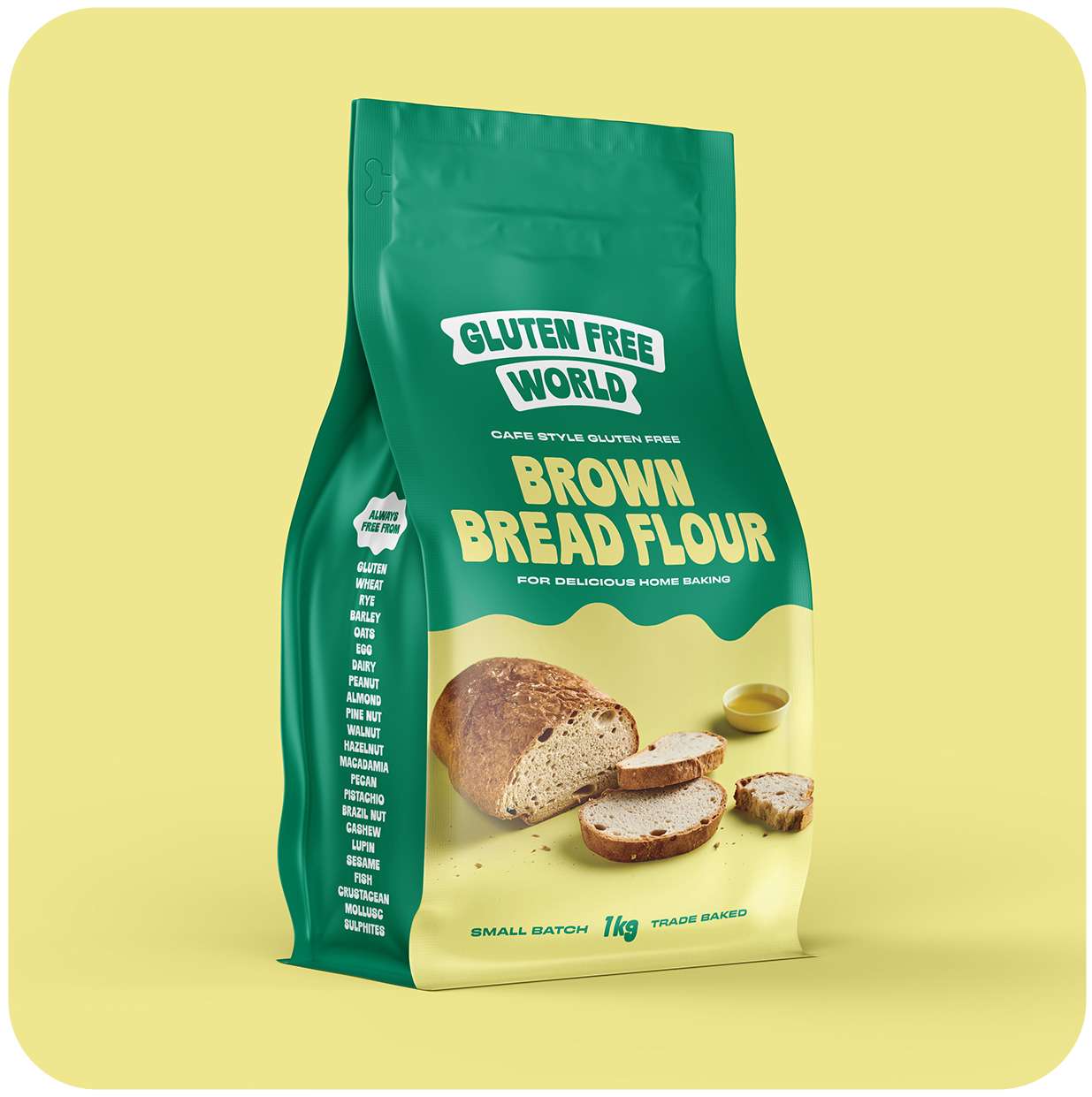
Gluten Free World’s Brown Bread Flour is another option if you prefer a heartier style loaf with a deeper flavour.
Best Gluten-Free Flour for Cakes
Cakes need softness, lightness and a tender crumb. If a flour blend is too heavy or too strong in flavour, cakes can turn out dense or dry.
Cake recipes often work best with a lighter gluten-free flour or a gluten-free cake mix made for that style of bake.
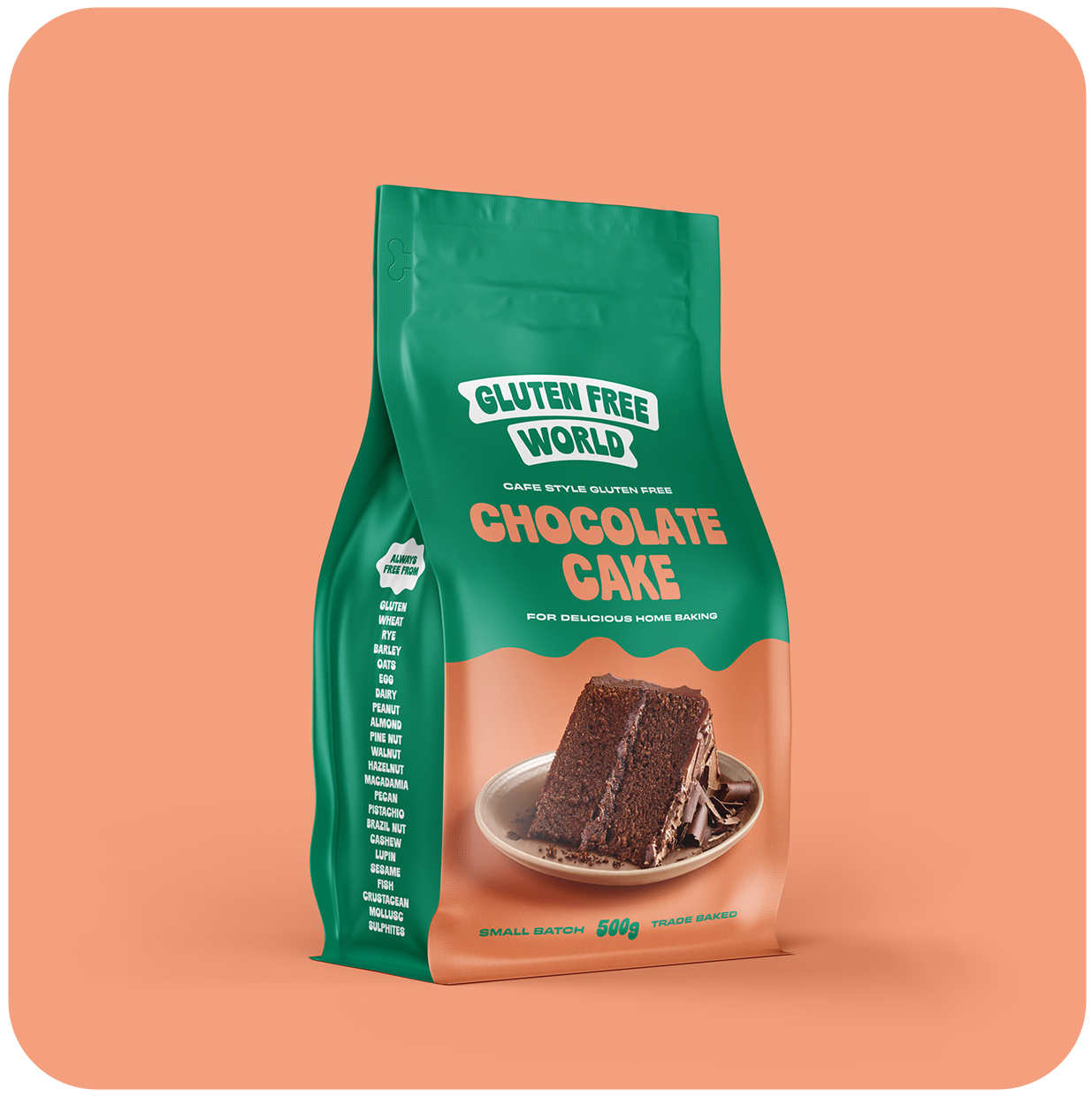
Gluten Free World’s Vanilla Cake Mix and Chocolate Cake Mix are helpful options when you want a gluten-free cake without adjusting too many ingredients yourself. They are made to support softness and flavour without needing too many adjustments.
For some simple cake-style baking recipes, Plain Flour may also work when the recipe calls for it. If the recipe needs lift, it may call for baking powder or self raising flour.
Best Gluten-Free Flour for Pizza
Pizza needs its own kind of flour because it needs hold, shape and a good bite. A flour that is too soft may not give enough structure, while a flour that is too heavy may make the base dense.
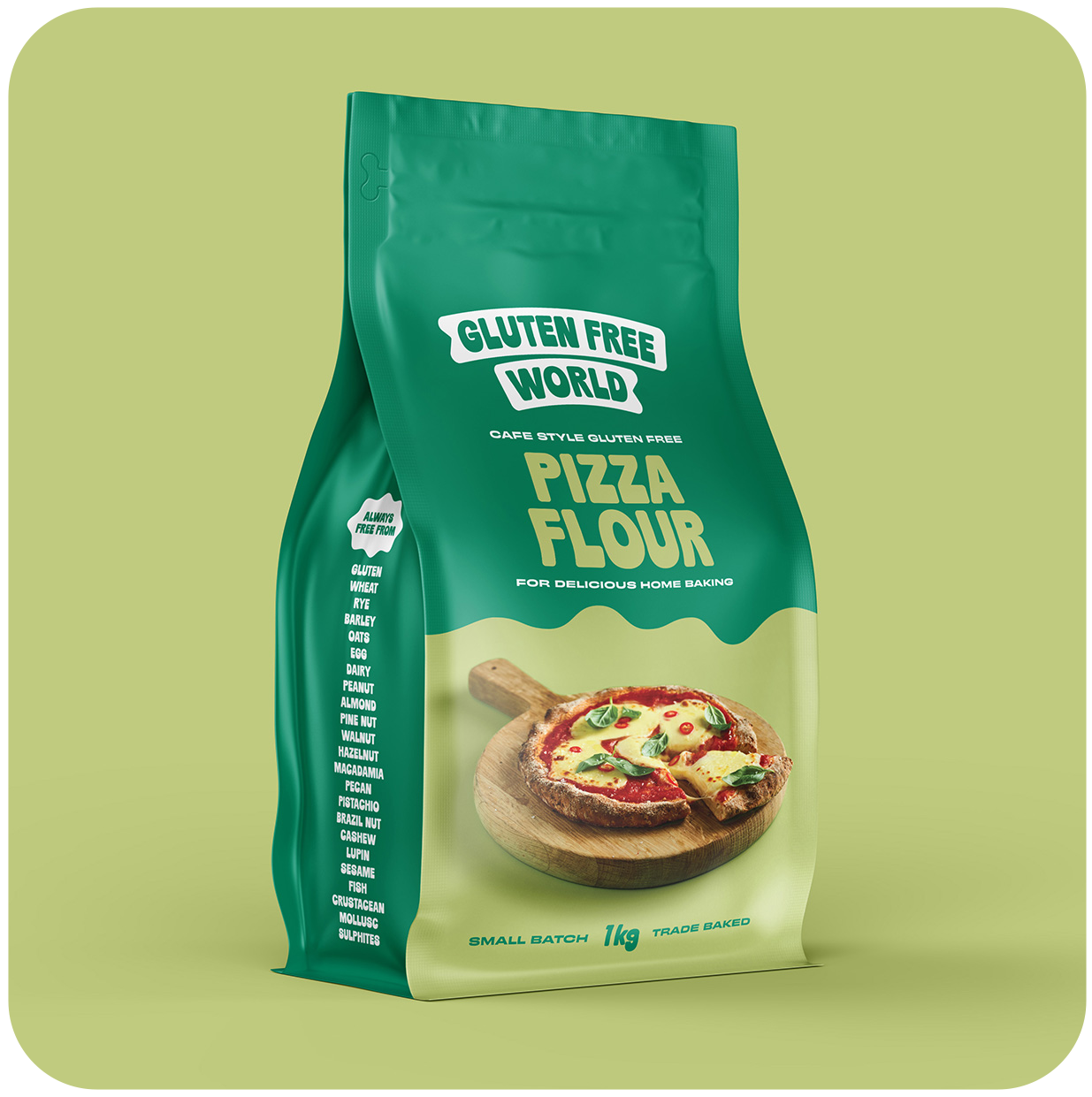
Gluten Free World’s Pizza Flour is made for pizza bases, so it is a more suitable choice than trying to force one general flour to do everything.
A good pizza base should be easy enough to handle and firm enough to hold toppings. If homemade gluten-free pizza has not worked well before, the flour may be part of the problem.
Best Gluten-Free Flour for Everyday Baking
Everyday baking covers a lot of favourite recipes, from biscuits and slices to pancakes, muffins and simple family bakes.
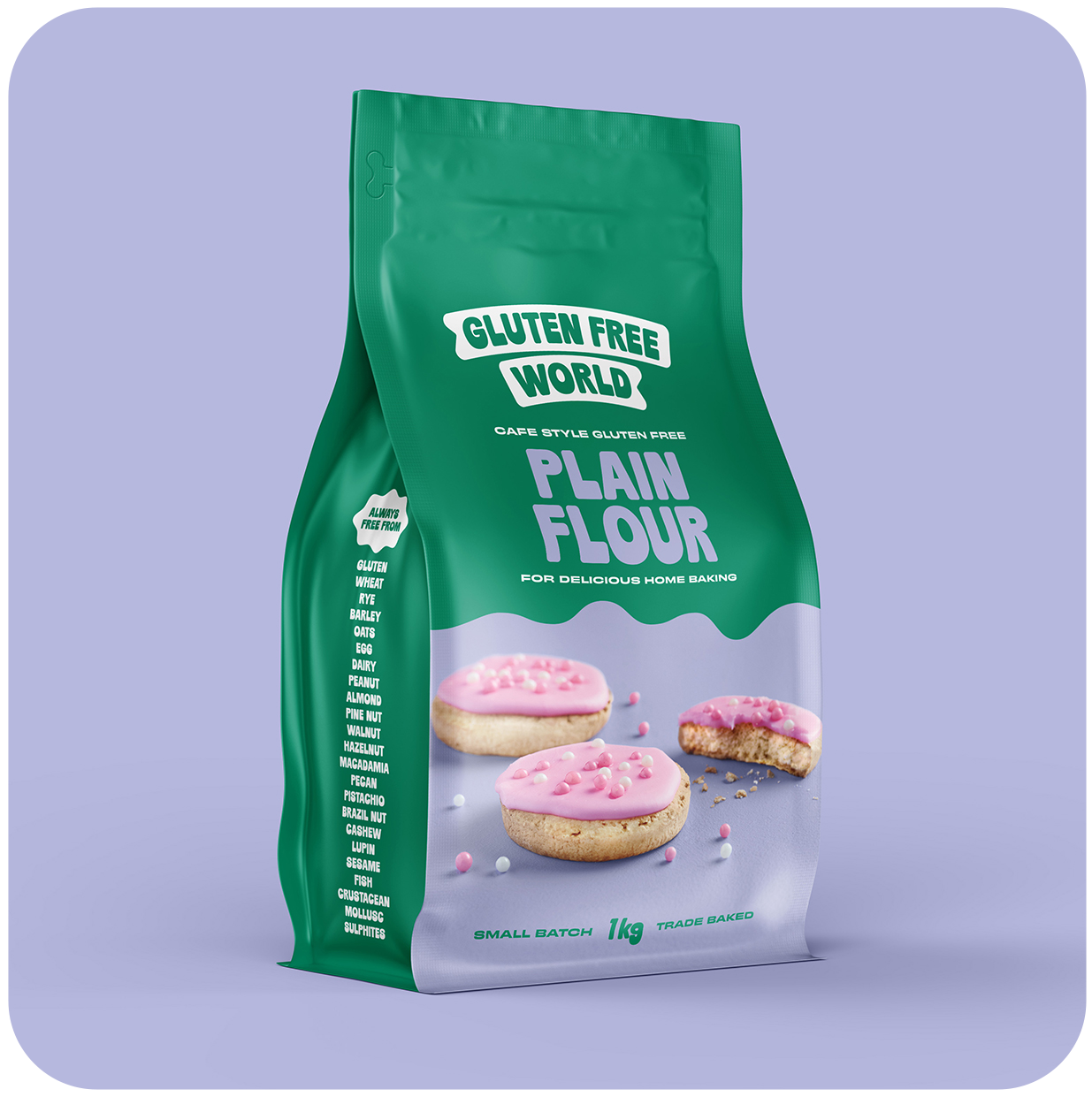
For this type of baking, a good gluten-free Plain Flour is often the most useful starting point. Gluten Free World’s Plain Flour can be used for many recipes where the recipe calls for plain flour.
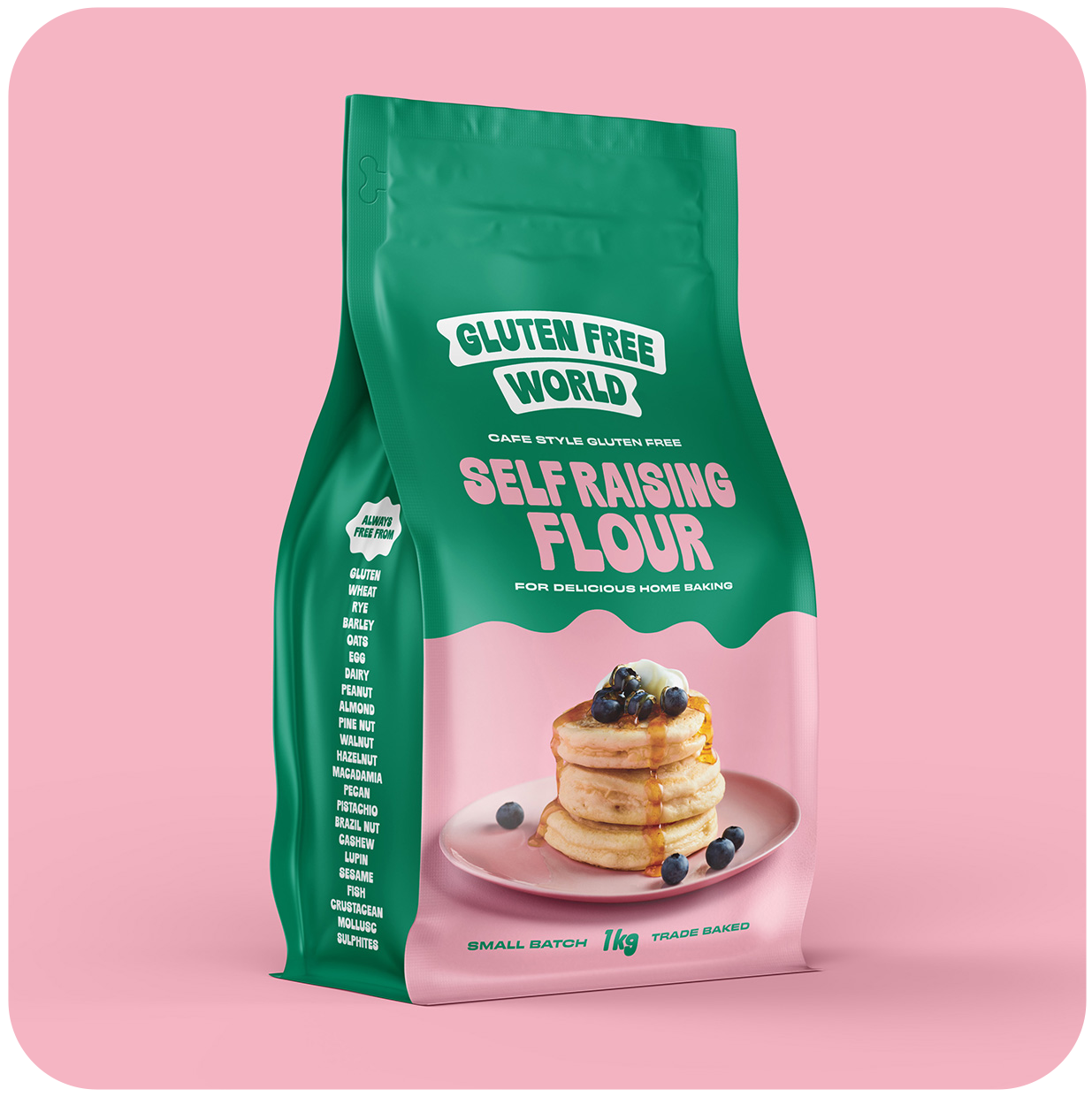
For recipes that need extra lift, Gluten Free World’s Self Raising Flour may be the better choice. This can be useful for muffins, simple cakes, pancakes and other bakes where the recipe calls for self raising flour or raising flour.
The key is to match the flour to the recipe. If a recipe calls for plain flour and baking powder, use plain flour and follow the raising instructions. If it calls for self raising flour, choose a gluten-free self raising option instead.
Still learning how gluten-free flour works? You may also find our guide to gluten-free flour helpful, especially if you want a clearer starting point for everyday baking.

How Gluten Free World Makes Gluten-Free Baking Easier
Gluten-free baking can feel easier when you do not have to make one flour for every job.
At Gluten Free World, our gluten-free flour range is designed to give home bakers options for the recipe they are making. Instead of guessing with one general flour blend, you can start with an option made for bread, pizza, cakes or everyday baking.
For example:
-
Traditional Bread Flour for everyday gluten-free bread
-
Brown Bread Flour for heartier loaves
-
Pizza Flour for gluten-free pizza bases
-
Plain Flour for everyday baking recipes
-
Self Raising Flour for recipes that need lift
-
Vanilla Cake Mix and Chocolate Cake Mix for easier gluten-free cakes
No flour can do all the work on its own. Gluten-free baking still depends on the recipe, mixing, resting time, oven temperature and storage.
But using the right flour gives you a better starting point. It can help reduce guesswork, especially for beginners.
Final Thoughts
Some gluten-free flours work better than others because they are made with different ingredients for different results. Starches help with softness and lightness, protein-rich flours add structure and binders help reduce crumbling.
That is why one flour does not always work for bread, cakes, pizza and everyday baking. Each recipe needs a different balance.
Start with the bake itself. Choose a gluten-free flour that suits what you are making, then follow the recipe closely.
With the right flour and a little practice, gluten-free baking can feel much more reliable. Gluten Free World’s flour range can help make that choice easier, whether you are baking a loaf of bread, a pizza base, a simple cake or an everyday family favourite.
Frequently Asked Questions
Why do some gluten-free flours work better than others?
Some gluten-free flours work better because each gluten-free flour blend uses different ingredients. Starches, rice flour, sorghum flour, binders and other flours all affect texture, softness and structure. This is why one flour may suit cakes, while another works better for bread recipes.
What ingredients are usually in gluten-free flour?
A gluten-free flour mix may include white rice flour, brown rice flour, tapioca starch, potato starch, corn starch, sorghum flour or oat flour. Some also include xanthan gum or guar gum to help with hold. The exact flour blend depends on the recipe.
Can I use the same gluten-free flour for bread, cakes and pizza?
Not always. Bread, cakes and pizza need different textures, so one flour may not suit every gluten-free baking recipe. For example, bread recipes need more structure, while cakes often need a softer gluten-free flour with a lighter finish.
Why does gluten-free flour need starches?
Gluten-free flour often needs starches because they help make baked goods lighter and softer. Ingredients like tapioca starch, potato starch, corn starch and arrowroot starch can reduce heaviness. Without starches, some gluten-free baking can turn out dense or dry.
What do binders do in gluten-free baking?
Binders help replace some of the structure that gluten gives to wheat flour. Ingredients like xanthan gum, guar gum and psyllium help the dough or batter hold together. They can also reduce crumbling in muffins, bread and other baked good recipes.
How do I choose the best gluten-free flour for baking?
Start with what the recipe calls for, then choose a gluten-free flour made for that bake. Plain flour, self raising flour, bread flour and pizza flour all serve different needs. Gluten Free World makes this easier with options for everyday baking, bread, cakes and pizza.
